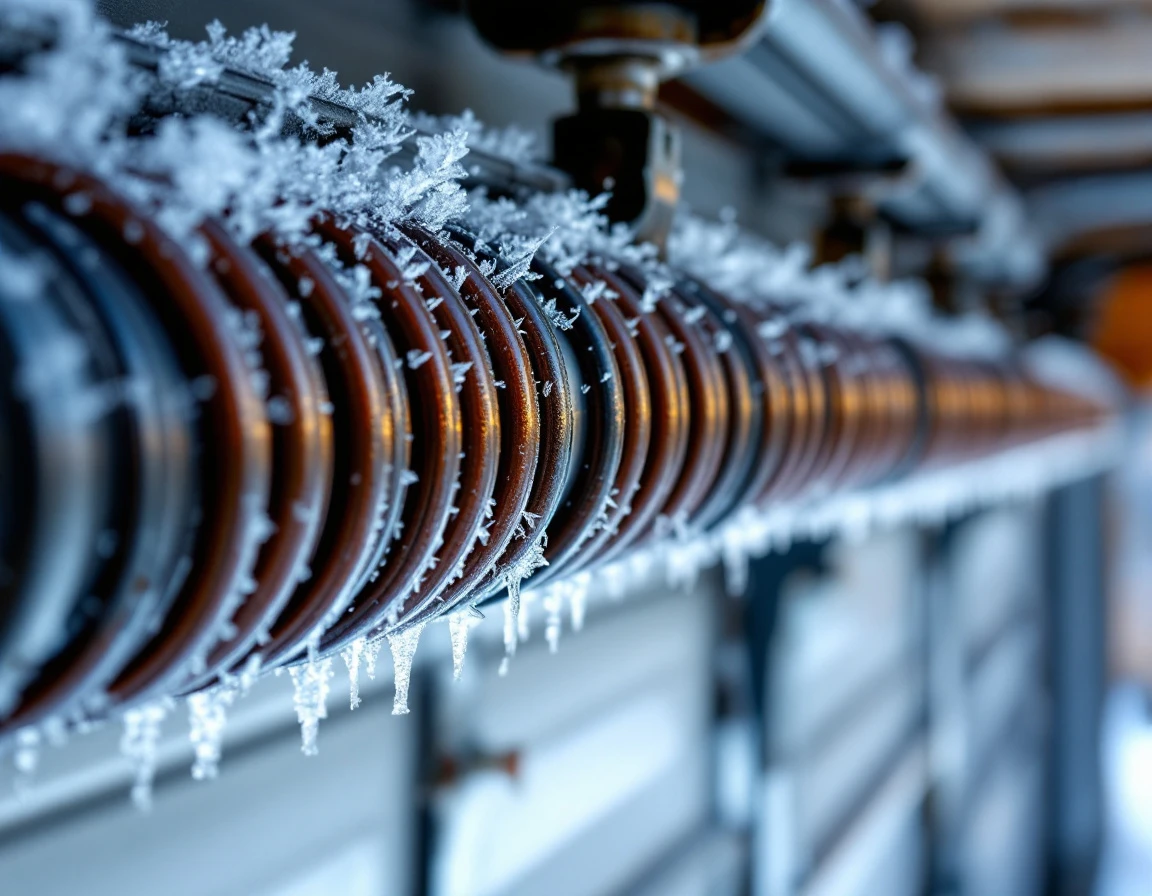
Freeze-Thaw Cycles and Spring Fatigue
Woodland’s winter weather creates unique challenges for garage door springs that make Woodland garage door spring replacement a common need among homeowners. When temperatures drop below freezing overnight and climb above 40°F during the day, metal springs contract and expand repeatedly, stressing the steel coils and accelerating wear that leads to premature failure.
Woodland’s Elevation (1,200–1,400 ft)
Woodland sits at elevations between 1,200 and 1,400 feet near the Amboy foothills, creating a unique climate challenge for garage door components. This elevation range experiences much wider temperature swings than the lower Columbia River valley. When cold air drains down from the foothills overnight and morning sun heats metal doors by afternoon, garage door springs expand and contract repeatedly throughout each day.
Winter conditions amplify this stress . Freezing temperatures combine with heavy rainfall and occasional snow to create the perfect storm for spring fatigue. Each freeze-thaw cycle causes metal springs to expand when temperatures rise above freezing, then contract again as night falls. These repeated expansion-contraction cycles gradually weaken the spring’s molecular structure, accelerating metal fatigue and bringing springs closer to failure with each passing winter week.
Spring fatigue from freeze-thaw intensifies
When water penetrates spring coils during Woodland’s rainy winters and freezes overnight, it creates internal stress points that weaken the metal structure. Each freeze-thaw cycle expands and contracts the metal, creating microscopic cracks that gradually spread through the spring material. This process intensifies corrosion and makes the metal increasingly brittle with each winter season. Garage door springs freeze thaw cycles Woodland homeowners experience are among the most damaging in the region.
Combined with normal operational stress, this weather-driven damage shortens spring lifespan by 2–3 years compared to lower-elevation regions with gentler temperature patterns. Most Woodland homeowners see their first failure signs by year 5–6 instead of the typical 8–10 year lifespan expected in milder climates.
The cumulative effect means springs that should last nearly a decade begin showing warning signs before you’ve owned your home for six years.
Spring Inspection Warning Signs
June offers Woodland homeowners an ideal inspection window—your springs have survived winter’s freeze-thaw stress but haven’t yet failed, giving you a 4–8 week window to plan replacement before peak summer usage. This Woodland spring inspection season garage doors period is critical before temperatures shift again. Let’s walk through a simple safety-first inspection you can perform yourself.
Start with a visual inspection from a safe distance. Stand back and examine your springs without touching them—they’re under extreme tension. Look for the following warning signs:
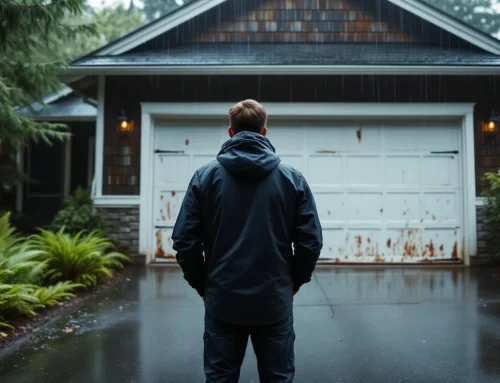
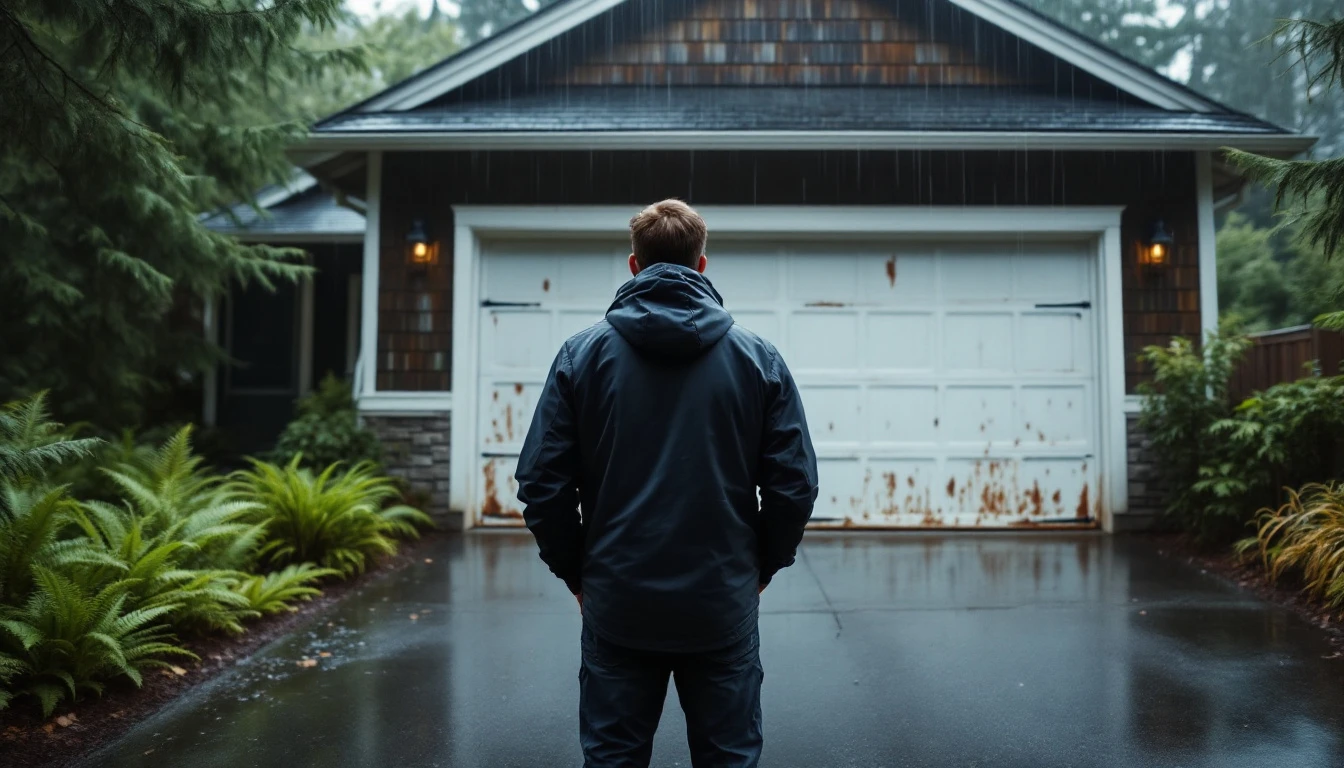
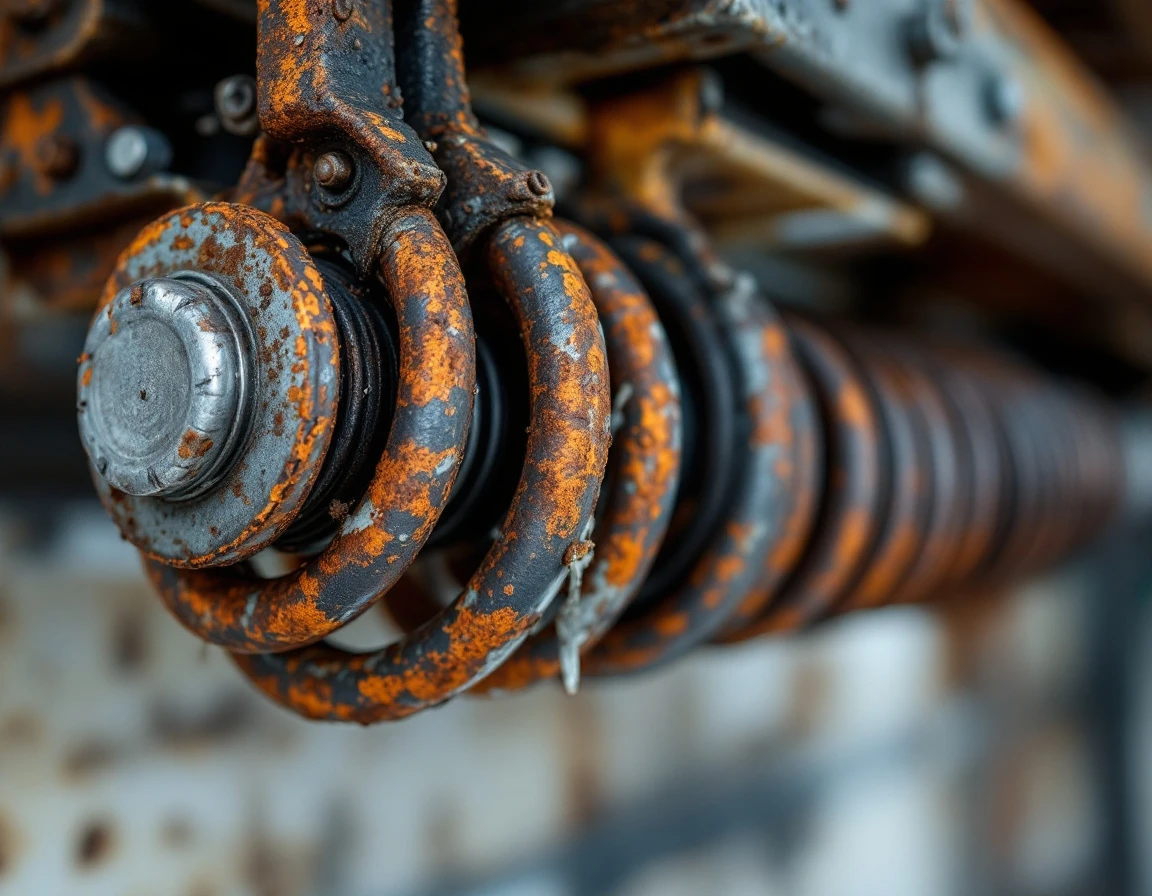
- Visible rust patches and pitting on the spring coils, which indicate freeze-thaw damage progression
- Oil leakage from spring anchor points, suggesting internal corrosion and loss of structural integrity
- Discoloration or scaling on metal surfaces from repeated freeze-thaw cycles
These rust spots aren’t just cosmetic; they mark areas where moisture has penetrated the metal’s protective coating during winter’s temperature swings.
Next, perform a gentle door test while listening carefully. Disconnect the opener and manually lift the door about three feet, then slowly lower it.
Audible creaking, grinding, or popping noises during this movement signal metal fatigue and imminent failure. These sounds come from microscopic cracks expanding in stressed metal—exactly what winter’s expansion-contraction cycles create.
Finally, check door balance using a simple method: lift the door halfway and release it. A properly balanced door should stay in place. If it drops or rises, or if you notice uneven door movement with one side sagging lower than the other, one spring is weakening faster than its partner. This asymmetry is common after winters like Woodland experiences, where repeated freezing damages springs at different rates.
Catching these warning signs now means scheduling replacement on your timeline rather than facing an emergency when your door won’t open on a busy morning.
DIY Spring Replacement Risks
Why does Woodland’s climate make DIY spring replacement genuinely dangerous? Torsion springs store extreme tension—up to 200 pounds or more—and require specialized torque-measurement tools to set correct tension. Most DIY installers lack these tools and rely on estimation, which leads to door imbalance, uneven wear on cables and tracks, and accelerated opener motor failure. Understanding why garage door springs fail cold weather helps explain why professional vs DIY garage door spring repair differs so in safety outcomes.
Here’s the real problem: freeze-thaw-damaged springs are brittle and unpredictable. Springs that have endured Woodland’s winter cycling develop microscopic fractures that aren’t visible to the eye. During removal, these compromised springs can fragment without warning, sending metal pieces flying at dangerous speeds. Professional technicians use cable-safety systems specifically built to contain this risk.
Professional vs. DIY Safety Comparison
- Cable-safety systems: Professionals install safety cables through extension springs or use containment shields during torsion spring removal to prevent injury from sudden breaks
- Torque specifications: Technicians use calibrated winding bars and torque measurements to set tension precisely, preventing the imbalance that causes premature wear
- Climate-adjusted tension settings: Professional installers account for Woodland’s freeze-thaw stress by adjusting spring tension to accommodate temperature cycling, preventing the cascading failures that occur when springs are set to standard specs
This isn’t about whether you’re handy. Woodland’s extreme weather creates conditions where misalignment from incorrect installation worsens under temperature cycling, turning a small error into a major safety hazard within months.
Woodland Garage Door Spring Replacement Cost Breakdown
Professional spring replacement in Woodland typically runs $400–$700 for a complete service. Covering labor, specialized tools, safety equipment, and climate-adjusted tension settings. This includes torsion spring installation calibrated for freeze-thaw resilience, with most standard-duty residential springs costing $350–$600 and heavy-duty commercial-grade springs ranging $600–$850. That price includes warranty coverage that DIY installations simply can’t match.
The warranty component deserves special attention. Professional installations come with 3–5 year coverage that protects homeowners if springs fail prematurely due to freeze-thaw stress or material defects. When a professionally installed spring fails within warranty, the replacement is covered—eliminating emergency repair costs that average $600–$800 for after-hours service.
Compare that to DIY costs. Parts alone represent a meaningful upfront investment, with initial savings appearing attractive on paper. But here’s where the math changes: improper tension calibration combined with freeze-thaw cycles creates secondary failures within months. A real scenario from Woodland illustrates this: a homeowner installed springs in May, but by January the door jammed due to uneven tension exacerbated by winter freeze-thaw. The emergency replacement wiped out those initial savings and introduced additional expense, leaving the homeowner without professional protection or warranty coverage.
Protecting Springs Until Summer
If professional replacement isn’t immediately possible, you can take simple steps to protect your garage door springs while waiting for service. These measures won’t replace professional repair, but they’ll help prevent sudden failure during the weeks between inspection and replacement. Understanding garage door spring fatigue north Clark County patterns can help you time your replacement during less critical periods.
Apply a silicone-based lubricant (never oil-based products) every six to eight weeks to slow rust progression. Keep the lubricant stream at least six inches from the springs themselves—you’re coating the coils from a safe distance, not touching the tensioned metal. This simple maintenance step creates a moisture barrier that reduces corrosion during Woodland’s wet spring months.
Reduce door cycles whenever practical. Each time your garage door opens, weakened springs absorb stress that brings them closer to failure. Use your front door or side entrance when you’re not bringing in vehicles or equipment. For rural Woodland properties with workshops, this approach can extend spring life by several weeks—enough time to schedule replacement without emergency pricing.
Book your service before the July 4th weekend. Heat waves trigger air conditioning failures, and emergency garage door calls spike when families need vehicle access during the holiday. Scheduling in June gives you normal appointment windows rather than waiting days for emergency service. Document the rust and wear with photographs for warranty records—this visual evidence supports any future claims and helps technicians prepare the correct replacement parts before arrival.