High-Elevation Spring Stress in Bend
Bend’s 3,600-foot elevation creates a unique problem for garage door springs that homeowners in Portland or Salem rarely face. Understanding Bend garage door spring freeze-thaw damage is essential for protecting your investment. When overnight temperatures drop below freezing and afternoon sun pushes the thermometer into the 40s, your garage door springs contract and expand with each cycle. This isn’t a gentle process. Metal coils tighten in the cold and loosen in warmth, and at Bend’s altitude, this freeze-thaw pattern repeats 15 to 20 times every winter.
The physics is simple but unforgiving. Each temperature swing stresses the metal at a molecular level, creating microscopic fractures that accumulate season after season. Springs in high-altitude areas like Bend typically fail two to three years earlier than identical springs installed at sea level. The rapid temperature changes at elevation accelerate this metal fatigue far beyond what springs experience in the Willamette Valley.
Neighborhoods like NorthWest Crossing, Shevlin, and River West face additional challenges. These areas feature predominantly two-car and three-car garages built in the last two decades. Heavier doors cycle more frequently as families come and go, and each cycle compounds the freeze-thaw damage already happening at the molecular level.
Why Bend Winter Garage Door Spring Inspection Before Winter Matters
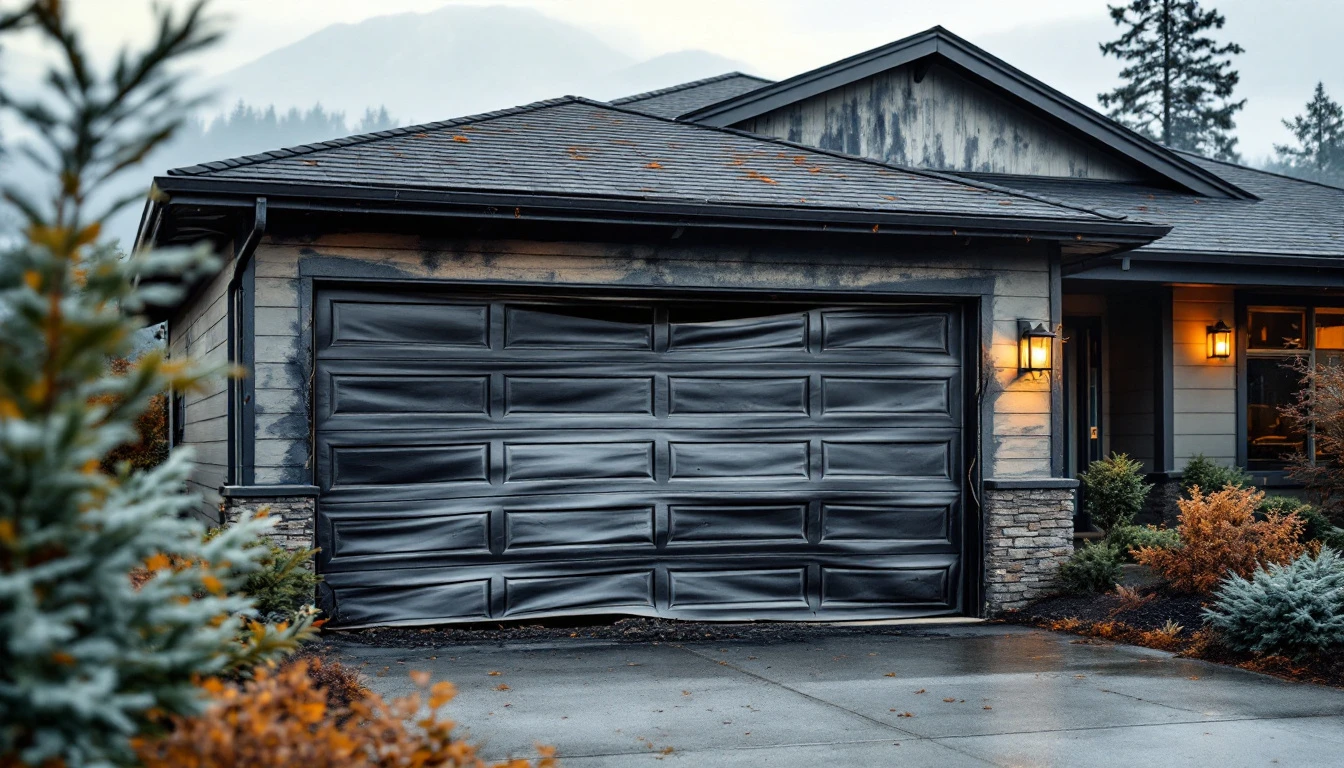
Visible wear, reduced tension, and audible creaking are early warning signs that spring failure is approaching. When these symptoms appear during summer, you have time to schedule proactive replacement at standard rates. If ignored, those same springs may snap during a January cold snap when you need your garage most.
June through August offers the ideal window to inspect and replace springs before Bend’s winter weather arrives. Emergency repair calls from November through February face 30-day wait times as service companies handle urgent breakdowns. A failed spring on a two-car garage can strand both vehicles inside, creating serious problems if you need to get to work or handle a family emergency.
The cost difference is substantial. Off-season replacement during summer typically costs standard rates, while emergency winter repairs command premium pricing—often two to three times higher due to urgent scheduling and cold-weather service challenges.
For homeowners in NorthWest Crossing and River West with multi-car garages, proactive spring replacement protects both your budget and your family’s safety during Central Oregon garage door springs winter stress periods.
DIY Spring Inspection Checklist
Before we get started, here’s the most important thing you need to know: do not attempt to adjust or replace garage door springs yourself. These components are under extreme tension and can cause serious injury if handled improperly. What you can do safely is perform early-warning inspections that help you catch problems before they become emergencies.
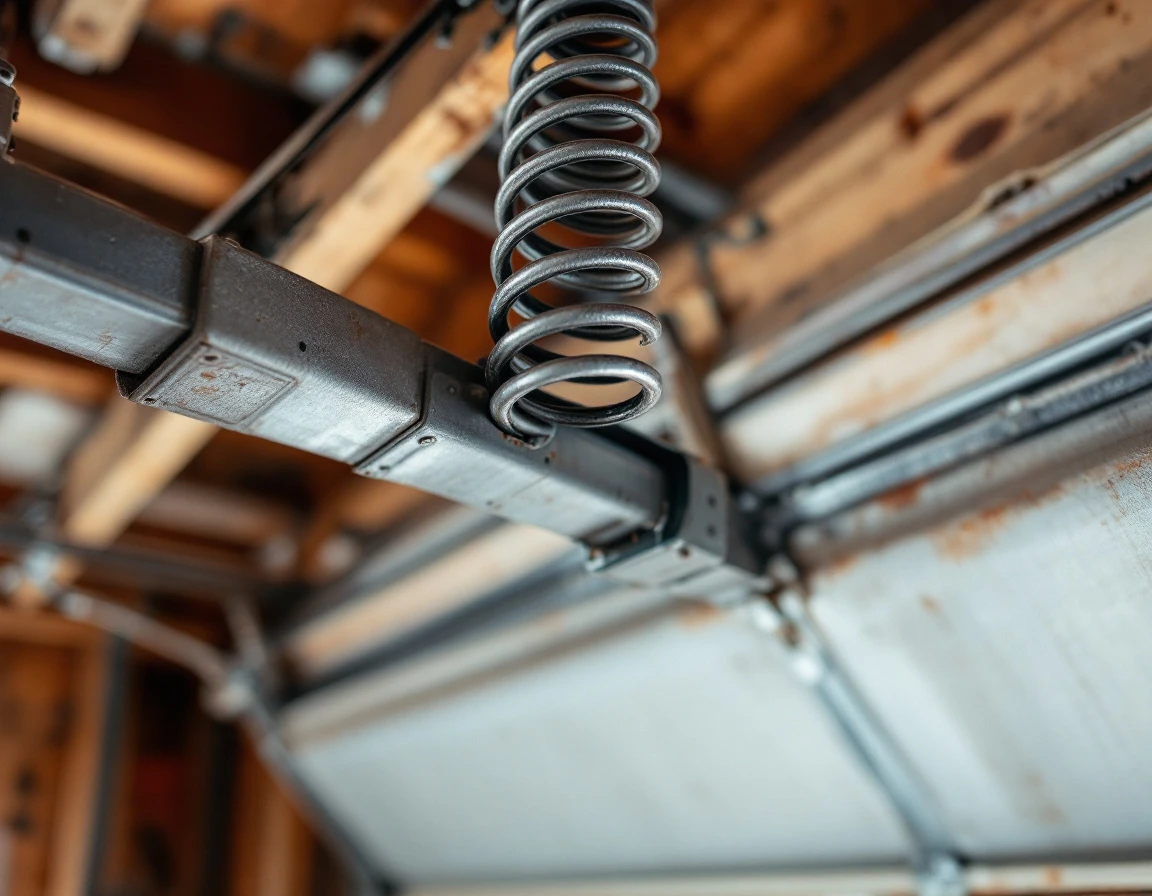
- Look carefully at the coils for rust, discoloration, or visible cracks
- Rust and pitting indicate advanced metal fatigue—the same freeze-thaw damage we discussed earlier
- In Bend’s climate, these warning signs often appear after just 5-7 years rather than the typical 10-year lifespan
Next, perform the balance test. Disconnect your opener and manually lift the door halfway. Does it stay in place, or does it drift downward? A properly balanced door should hold steady at any position. If it drifts down, your springs have lost tension and are approaching failure.
Finally, pay attention to sounds and movement during operation. Listen for grinding, squeaking, or unusual noises when the door opens and closes. Watch for jerky movement or hesitation. These operational signs often appear weeks before complete failure, giving you time to schedule professional replacement during summer when wait times are shorter and costs are lower.
If you notice any of these warning signs, contact a professional for a thorough inspection. Early detection now prevents emergency repairs in January.
Freeze-Thaw Failure Mechanisms
Why does Bend’s winter wreak such havoc on garage door springs? It’s not the cold alone—it’s the relentless cycling between freezing and thawing that destroys metal at the molecular level. Each time temperatures drop below freezing, the crystalline structure of steel becomes brittle, reducing the spring’s tensile strength. When you add moisture penetration into those tightly wound coils, rust forms from the inside out, weakening the metal where you can’t see it.
Here’s where Bend’s 3,600-foot elevation matters: thinner air provides less insulation, and the high desert sun creates wild temperature swings. A December morning in NorthWest Crossing might start at 15°F, then soar to 35°F by afternoon—a 20-degree shift in hours. These rapid swings create stress concentrations at the weakest points in each coil. Portland sees gradual warming; Bend sees thermal shock. After 15-20 freeze-thaw cycles per winter, those microscopic stress fractures compound until the spring snaps without warning.
High Elevation Garage Spring Replacement Timing & Cost
Garage door systems in Bend typically use either extension springs for two-car garages or torsion springs for three-car setups and heavier doors. Professional replacement costs vary by system type, with two-car garage springs generally priced in the lower to mid-range per pair, while three-car systems command higher costs depending on spring configuration and door weight.
Timing matters for your wallet. Schedule replacement between June and August to avoid rush fees that add $200-400 to emergency winter service calls. Professional installation takes just 1-2 hours and includes tension balancing and safety testing — essential steps that protect your family from springs under extreme tension.
Why hire a professional? Garage door springs store enough force to cause serious injury or death if handled improperly. Most professionally installed springs come with 5-10 year warranties, giving you peace of mind. Think of it as an investment: spending $400-600 now prevents a $1,500+ emergency repair plus a two-week garage outage when temperatures drop below zero in January and every technician in Bend is booked solid.
Action Steps for NorthWest Crossing & River West
Bend homeowners can protect their investment with a simple four-step timeline designed for the June-September preparation window.
- Step 1 (June): Perform the DIY inspection outlined earlier—check for rust, gaps, and listen for grinding sounds.
- Step 2 (July): If you spot any warning signs during your inspection, call a Bend garage door specialist for a professional assessment before the problem gets worse.
- Step 3 (August): Obtain quotes from local professionals who understand Central Oregon’s high-desert climate and freeze-thaw cycles garage door failure patterns. Compare pricing, warranty coverage, and availability.
- Step 4 (September): Schedule your spring replacement before the seasonal demand surge begins in October. This proactive approach prevents the winter emergencies we discussed—no frozen garage doors, no 30-day wait times, no premium pricing.
The elevation factor matters even more for NorthWest Crossing residents at approximately 3,700 feet and Shevlin homeowners at 3,600 feet. These neighborhoods experience more intense freeze-thaw cycling than lower-elevation areas, making this summer timeline critical for protecting your multi-car garage. Contact us today to schedule your professional assessment and beat the fall rush.