Pacific Northwest Humidity Impact on Garage Door Wood Panels
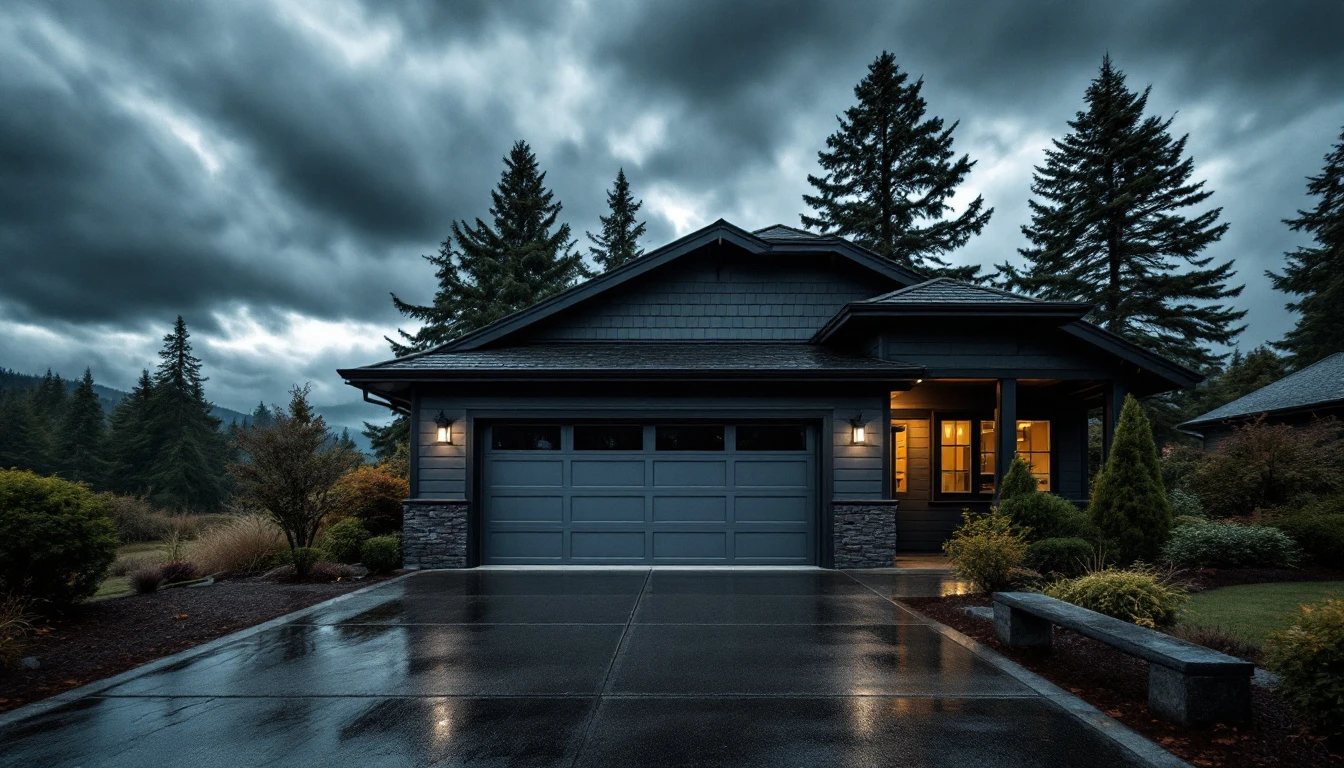
Eugene and Springfield homeowners face a unique challenge when it comes to wooden garage doors. With 140+ rainy days annually, the region’s sustained moisture levels create the perfect conditions for wood degradation. The high humidity garage door wood panels experience here is unlike drier climates where wood remains stable—our persistent dampness puts constant pressure on garage door materials.
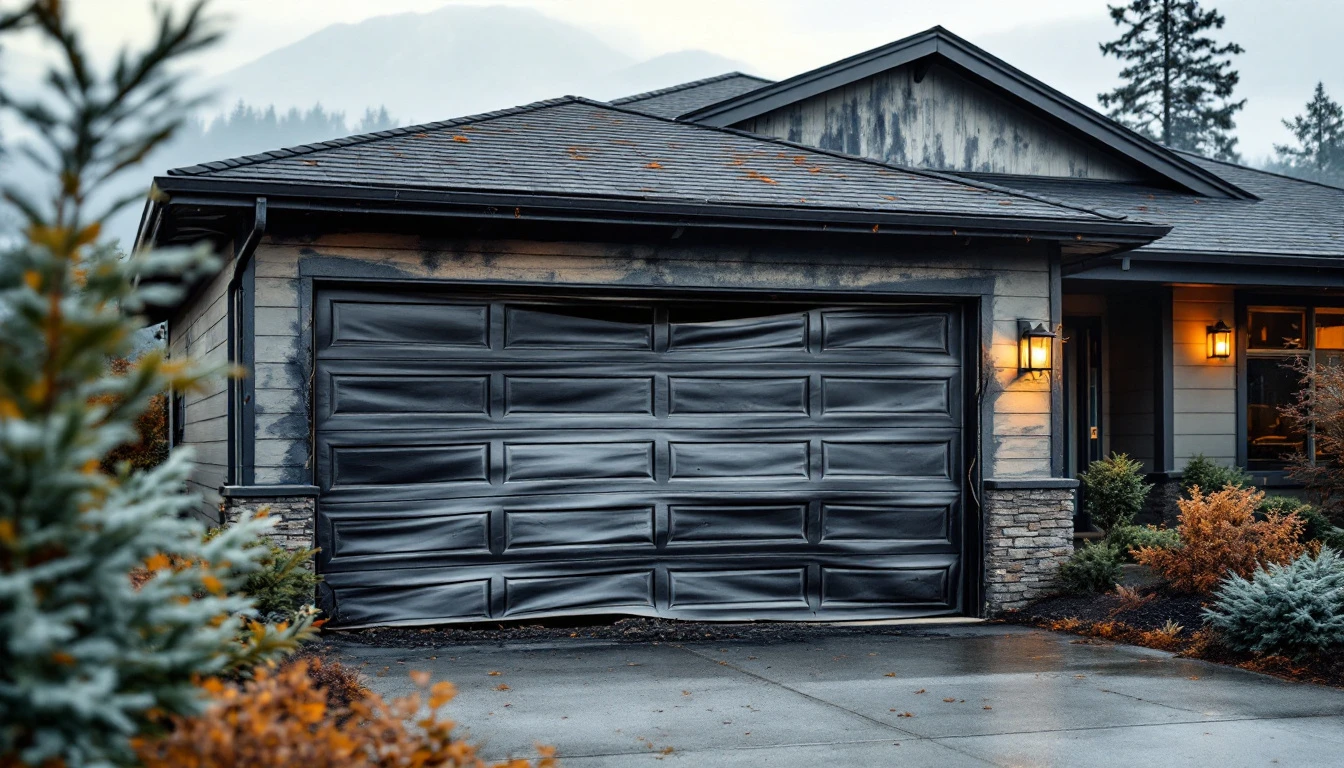
How does this moisture actually damage your door? Wood naturally absorbs water like a sponge, causing the fibers to expand. When the wood dries unevenly—which happens frequently with our unpredictable weather patterns—panels begin to warp, crack, and split. You’ve probably noticed these issues yourself: doors that stick in their tracks, gaps that let in drafts, or paint that bubbles and peels away.
The real damage happens at the fiber level through repeated humidity cycles. Each time wood swells with moisture and then contracts during brief dry periods, the fibers weaken. This constant expansion and contraction breaks down the structural integrity of your door panels and compromises paint seals that protect the wood beneath.
Wooden garage doors face significantly greater risk than composite alternatives in our wet climate. The organic nature of wood makes it vulnerable to moisture damage wooden garage doors experience, while composite materials resist these effects.
Understanding this vulnerability is the first step toward protecting your investment.
Early Warning Signs
Catching moisture damage early can save you hundreds of dollars in repairs. A quick five-minute inspection every few months helps you spot problems before they become emergencies.
Watch for these key warning signs:
- Paint blistering or peeling — often the first visible sign that water has penetrated beneath the surface. While this might seem cosmetic, it means moisture is already working its way into the wood fibers. You’ll typically see this along bottom panels and edges where water exposure is highest.
- Soft spots or spongy wood — press gently on lower door panels with your thumb. Signal active rot that requires immediate professional assessment. This isn’t cosmetic—it’s structural damage that compromises your door’s integrity and safety.
- Door sticking in tracks or requiring extra force to open — frame or panel swelling from moisture absorption causes this resistance. What starts as a minor inconvenience can progress to mechanism failure if ignored.
- Visible cracks, splintering, or dark streaks — running along the wood grain. These discolorations indicate moisture damage is actively spreading through the wood. The distinction matters: paint problems you might tackle yourself, but soft wood and structural changes need expert evaluation.
Three Prevention Strategies
The good news? Protecting your wooden garage door from Eugene-Springfield’s moisture doesn’t require expensive renovations.
Three simple strategies work together to prevent the warping, rot, and paint failure we’ve just identified.
- Strategy 1: Protective coatings — create a moisture barrier. Quality sealant or exterior-grade paint blocks water at the source, preventing it from penetrating wood fibers where damage begins.
- Strategy 2: Ventilation and drainage — confirms moisture escapes rather than accumulating. Even small amounts of trapped moisture cause the swelling and contraction that lead to warping and cracking.
- Strategy 3: Regular inspection and maintenance — catches problems early. The soft spots and paint bubbles you learned to identify in your visual inspection? Addressing them immediately prevents minor issues from becoming structural failures.
Here’s the best part: implementing all three strategies costs under $200 in materials, yet prevents repairs that typically run $500 to $2,000 or more. The following sections detail exactly how to apply each strategy.
Protective Coatings Application
Applying protective coatings is your most cost-effective defense against moisture damage, and most homeowners can handle this project themselves. Start by choosing exterior-grade polyurethane or acrylic sealant specifically rated for wet climates—these products are built to handle the Pacific Northwest’s relentless moisture.
Before applying any coating, thoroughly sand the door surface and clean off any mold or algae growth that’s already taken hold. This preparation step is critical—coating over contaminated wood traps moisture and accelerates damage rather than preventing it.
Apply at least two coats, giving special attention to panel edges and bottom sections. Why? These areas absorb moisture first and fail fastest, acting as entry points for water that then spreads throughout the wood. Many homeowners skip these vulnerable spots and wonder why their doors still warp.
Plan to reapply coatings every 2–3 years. Watch for warning signs like water beading failure, visible flaking, or wood darkening—these indicate your coating has failed and needs immediate attention. DIY application requires a modest material investment that remains economical for budget-conscious homeowners. If your door shows extensive weathering or you want professional-grade longevity, hiring experts confirms proper surface preparation and even coverage, though at a higher cost than self-application.
Drainage and Ventilation Setup
Moisture doesn’t just sit on your garage door — it gets trapped inside the wood panels themselves. When water accumulates without an escape route, it creates the perfect environment for rot and structural failure.
The solution? Install or clear small weep holes at the base of your door panels. These quarter-inch openings let trapped water drain out rather than pooling inside the wood. Check them monthly and clear any debris with a wire or small drill bit.
Proper air circulation is equally important. Your garage needs cross-ventilation — vents on opposite walls or a slightly gapped door opening. This constant airflow prevents humid air from settling against wood surfaces.
Make it a habit to remove leaves, debris, and standing water around your door base, especially during Eugene’s wet fall and winter months. This simple maintenance routine costs virtually nothing — weep hole installation, if needed, represents a minimal expense — but prevents substantial rot-related repairs down the road.
Inspection and Maintenance Schedule
Stay ahead of moisture damage by inspecting your wooden garage door every quarter, with each season bringing specific regional risks.
- Spring (March–April): After Eugene’s wettest months, check panel edges and the base for soft spots where water pooled. Clear debris from door tracks and drainage areas. This 15-minute inspection catches winter damage before it spreads.
- Summer (June–July): Our brief dry spell reveals coating failures. Look for paint blistering or peeling on south-facing panels. Test door operation—binding indicates wood expansion from trapped moisture.
- Fall (September–October): Before fall rains begin, clean gutters and vents near your door. Inspect weatherstripping for gaps. Apply protective coating now if your spring inspection showed wear.
- Winter (November–February): Monitor for ice buildup at the door base. Clear snow within 6 inches of panels. Watch for sticking or resistance when opening.
Minor cosmetic issues like small paint chips can wait for your next scheduled maintenance. But if you find soft wood, active rot, or structural warping, contact Garage Harmony immediately—these problems accelerate quickly in our climate.
When to Call a Professional
While the prevention strategies we’ve covered offer cost-effective solutions, some situations demand professional expertise. Knowing when to call Garage Harmony can save you from a minor repair escalating into a substantial replacement project.
Soft, spongy wood or visible rot requires immediate professional assessment. In Eugene and Springfield’s wet climate, moisture from humid air can seep into door materials, causing wood to swell and rot, and what looks like surface damage often hides structural deterioration beneath. Professionals have the tools and experience to determine whether sections can be repaired or if replacement is necessary.
If your door won’t open, close, or operate smoothly despite fresh lubrication, you’re likely dealing with frame damage or misalignment from wood garage door humidity damage. These issues require precise adjustments and potentially structural repairs that go beyond DIY maintenance.
Large cracks, deep splits, or wood loss compromise both structural integrity and weatherproofing. When damage extends through the panel thickness or affects multiple boards, professional intervention prevents further deterioration from weather damage and maintains your home’s security.
Finally, if water pools inside your garage near the door despite your drainage efforts, you may have foundation or grading problems. This situation needs professional diagnosis before moisture causes irreversible damage to your wooden door and garage structure.