Spring Windstorm Risks in the Gorge
If you live in Hood River, Cascade Locks, or any Columbia Gorge community, you already know what April and May bring: relentless east winds that rattle windows, topple lawn furniture, and put serious stress on your home’s exterior. These aren’t occasional gusts—the Gorge experiences predictable high-wind seasons each spring, with sustained winds and gusts regularly exceeding 40 mph. Windstorm damage to garage doors in the Columbia Gorge happens predictably during these months, as the same geography that makes this region a world-class destination for windsurfing creates a natural wind tunnel effect, funneling air through the narrow river corridor with extraordinary force.
Your garage door faces the brunt of this seasonal assault.
Three critical systems bear the most stress during windstorms: panels can bend or crack under sustained pressure, tracks shift out of alignment when doors flex repeatedly, and openers strain their motors fighting against wind resistance.
In Cascade Locks and Stevenson, where wind exposure reaches extreme levels, these failures happen frequently between April and May 2026.
Recognizing early warning signs before peak wind season arrives prevents costly emergency repairs when local technicians are swamped with calls. A small alignment issue spotted in March becomes a major track replacement if ignored until May’s first big windstorm hits.
Vulnerable Components and Damage Patterns
Garage door panels face the most direct assault from Gorge winds. These flat surfaces act like sails, capturing lateral force that can bend, buckle, or even tear panels from their mounting hardware. Steel doors offer better wind resistance than lightweight aluminum or vinyl options, but age matters just as much as material. Older panels with corroded fasteners or weakened joints become progressively more vulnerable to wind damage each season.
Track systems fail in a different way. When extreme gusts push against your door, the panels transfer that force directly to the vertical and horizontal tracks. Garage door bent tracks from wind damage can bend out of alignment. Creating binding points that prevent smooth operation. What starts as a slight bend during one windstorm compounds over time—each subsequent wind event worsens the misalignment until your opener strains against the resistance or your door jams completely.
Your garage door opener experiences hidden stress during high winds. The motor works harder to overcome wind pressure when opening or closing during gusts, shortening its operational lifespan. Safety sensors mounted near floor level detect constant vibration from wind-buffeted doors as potential obstructions, causing erratic reversals that frustrate homeowners. Garage door opener stress from Gorge winds often appears intermittent because it correlates with wind events rather than consistent mechanical problems.
Knowing these specific failure patterns helps you inspect the right components before April and May arrive. Check panel attachment points for rust or looseness, examine tracks for any existing bends, and test your opener’s performance during calm weather to establish a baseline. Early detection of these vulnerabilities prevents emergency repairs during the spring windstorm season.
Pre-Season Inspection Checklist
The next two weeks offer your best opportunity to catch wind-vulnerable issues before Gorge winds reach peak intensity. A systematic inspection now—completed by March 31, 2026—gives you time to address problems before April gusts arrive.
Start with your panels. Walk along the door’s exterior surface looking for cracks, dents, or separated seams where wind pressure can create failure points. Check each hinge and fastener—loose hardware allows panels to flex and bang during wind events. Tap panels gently; hollow sounds or movement indicate separation from the frame structure.
Next, examine your tracks. Open the door halfway and release it. Does it stay put, or does it drift up or down? A drifting door signals track misalignment that wind loads will worsen. Clear debris from track channels using a damp cloth, then check for gaps between rollers and track walls. Gaps wider than a quarter-inch mean tracks have bent out of position.
Test your opener by listening during operation. Grinding, squealing, or labored sounds indicate motor strain that wind resistance will compound. Verify safety sensors by placing an object in the door’s path—the door should reverse immediately.
Call a professional if you find bent tracks, weak motor performance, or failed sensors. For doors over 15 years old serving Hood River or White Salmon homes, professional assessment is recommended even without visible issues—older systems may lack the wind-load capacity Gorge conditions demand.
Panel Damage Recognition and Repair
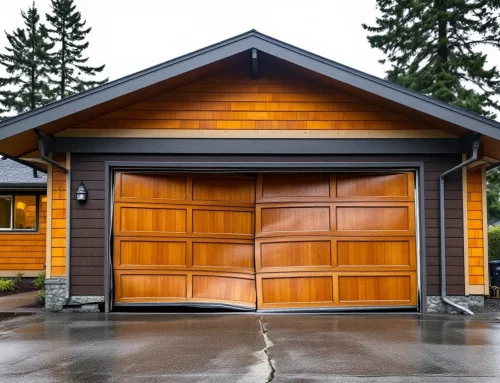
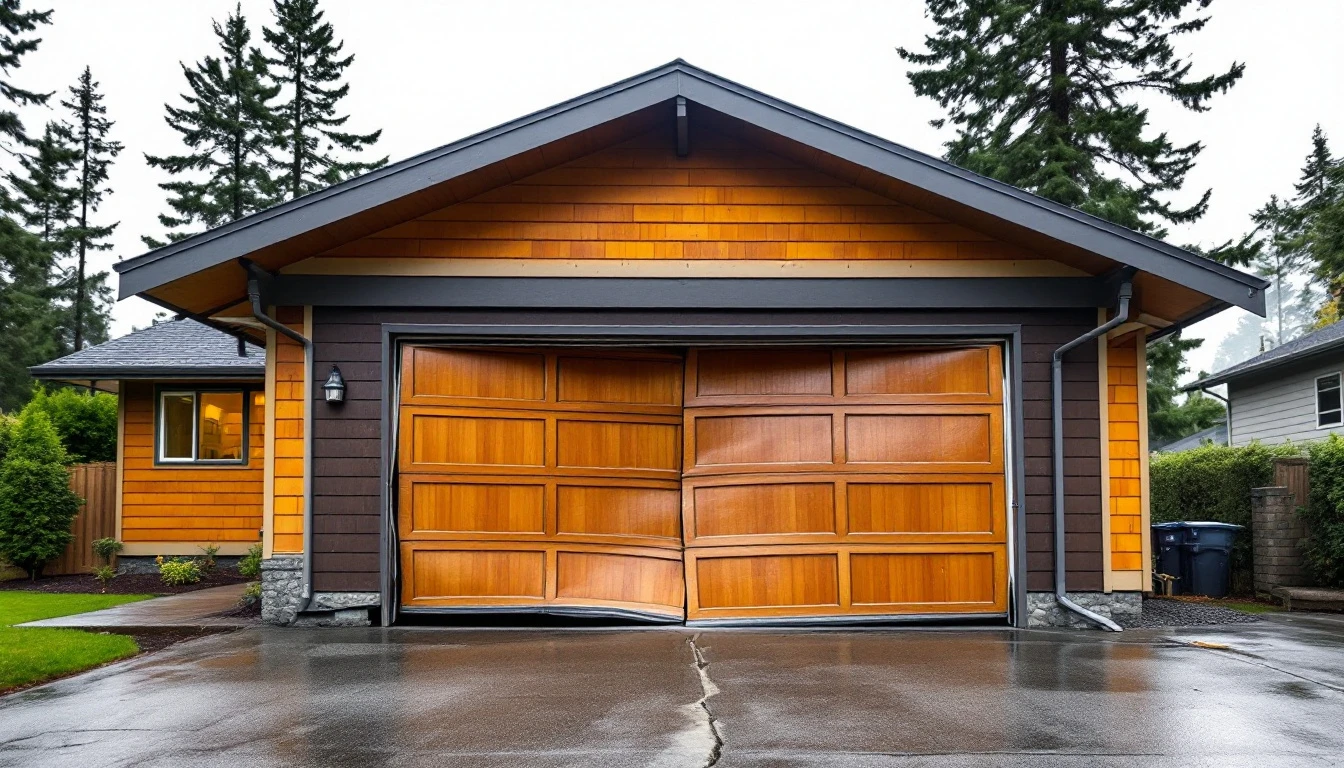
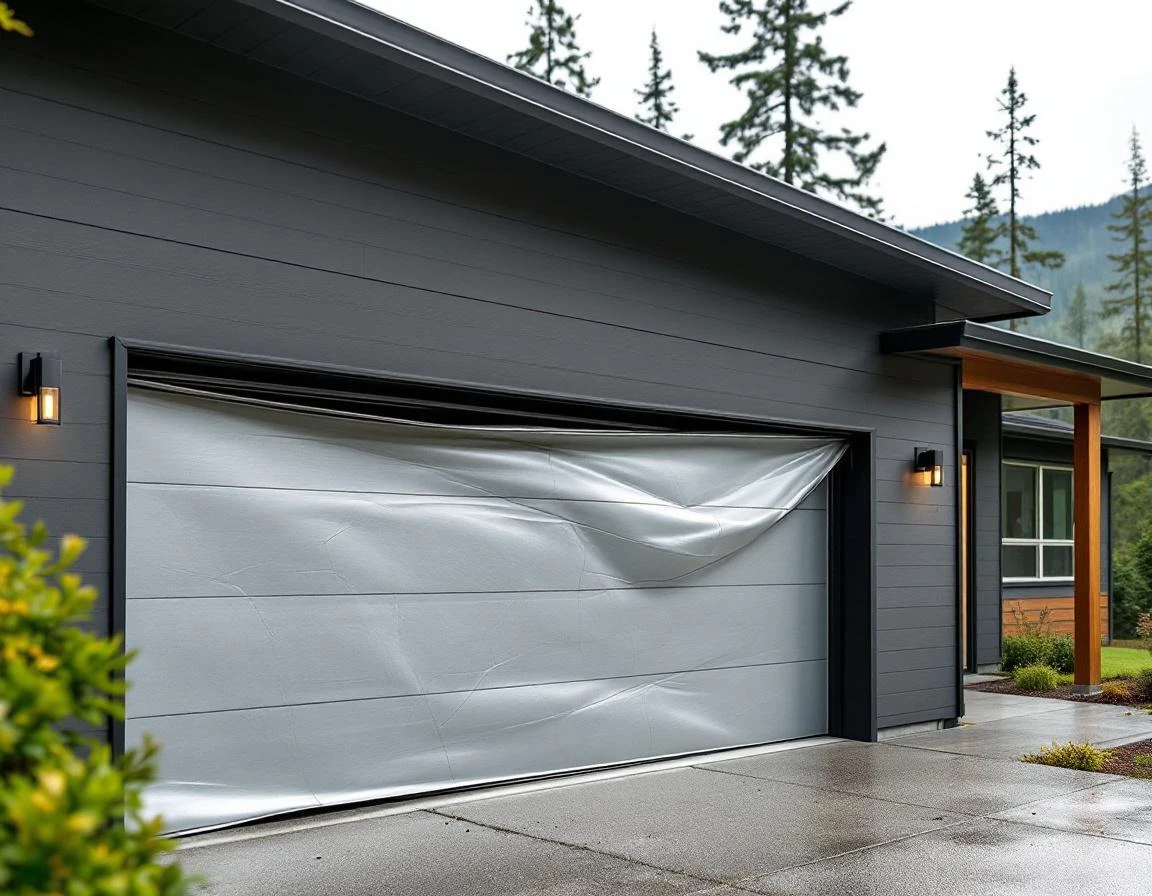
Spring windstorms damage garage door panels through distinct patterns that determine your repair strategy. Bending occurs in flat sections where lateral wind force pushes the panel inward, creating a smooth depression. Buckling indicates metal fatigue—you’ll see sharp creases or ripples where the metal has permanently deformed beyond its flex limit. This distinction matters because bent panels might spring back with professional equipment, while buckled panels require replacement.
Can you repair panel damage yourself? Only if you’re dealing with minor cosmetic dents on non-structural panels—the decorative top sections that don’t house rollers or hinges. Any damage affecting structural panels or multiple sections needs professional assessment, as improper repairs compromise track alignment and create safety hazards.
The cost-benefit calculation favors targeted action. Single-panel replacement costs less than full door replacement. Making early intervention worthwhile. Garage Harmony can evaluate whether your wind-damaged door needs one replacement panel or justifies upgrading to a wind-rated door that prevents future damage.
Track and Opener Damage Response
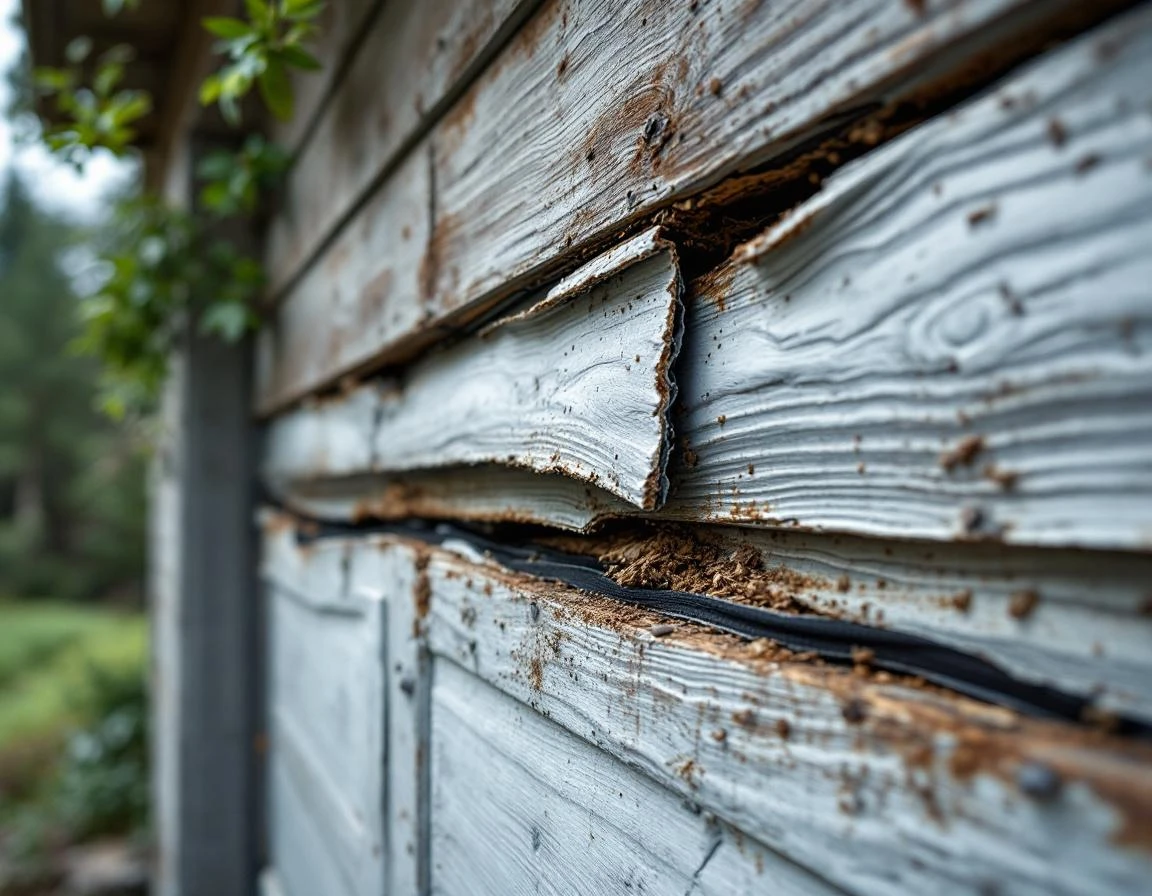
Wind-bent tracks create a binding effect that forces your garage door to struggle through each cycle. When Gorge winds deflect track alignment even slightly, rollers catch and drag instead of gliding smoothly. This binding stress transfers directly to your opener motor, which must work harder to overcome the resistance.
You’ll hear the problem before you see it. Opener motor strain manifests as grinding noise during operation, slower closing speed than normal, or failed safety reversals when the door contacts an obstruction. While you can clean dusty safety sensors yourself to restore function after vibration stress, bent tracks require professional re-racking—the precision alignment tools and experience needed aren’t DIY-friendly.
Emergency repair costs spike during April and May when how windstorms damage garage door systems becomes apparent across Hood River, Cascade Locks, and White Salmon. Identifying track deflection or opener stress symptoms by March 31 lets you schedule repairs during normal service windows, avoiding premium emergency rates and extended wait times when every Gorge homeowner needs help simultaneously.
Cost-Effective Prevention Steps
Protecting your garage door from spring wind damage doesn’t require a major investment. A few affordable garage door wind damage prevention tips can eliminate emergency repair fees that often run 50-100% higher during peak wind season in April and May.
- Weatherstripping replacement—fresh seals around door edges reduce vibration and prevent wind from infiltrating gaps between panels. Quality weatherstripping typically costs under $100 and installs in an afternoon.
- Spend 30 minutes inspecting and tightening all hardware. Loose bolts and fasteners allow panels to shift under wind pressure, so grab a socket wrench and check every connection point along tracks and panel hinges.
- Lubricate all moving parts with silicone spray and test safety sensors monthly—these simple steps reduce stress-failure likelihood when winds gust through the Gorge.
- Consider wind-rated door upgrades as a longer-term investment if your garage faces extreme exposure in Hood River or Cascade Locks. These reinforced systems handle sustained high winds better than standard residential doors.
The best news? Affordable preventive steps now eliminate expensive emergency calls later.
Contact us today for a pre-season inspection!
When to Call a Professional
Some garage door issues require immediate professional attention to avoid danger and further damage. Broken springs, bent tracks, and motor failures aren’t safe for DIY fixes—springs carry over 200 pounds of tension, track alignment demands specialized tools, and motor replacement involves electrical work that needs licensed expertise.
Why schedule service before March 31, 2026? Columbia Gorge homeowners face a predictable reality: spring wind season in April and May creates massive service backlogs. Emergency repair response times stretch from same-day to several weeks when storms hit. Pre-season consultations catch hidden issues and secure your spot before the rush.
Professional technicians verify safety and structural integrity that homeowners can’t assess alone—spotting metal fatigue, testing spring tension calibration, and confirming your door meets wind load requirements for Gorge conditions. Contact Garage Harmony today to avoid waiting lists when emergency winds arrive.