Storm Season Timeline and Risk in Oregon
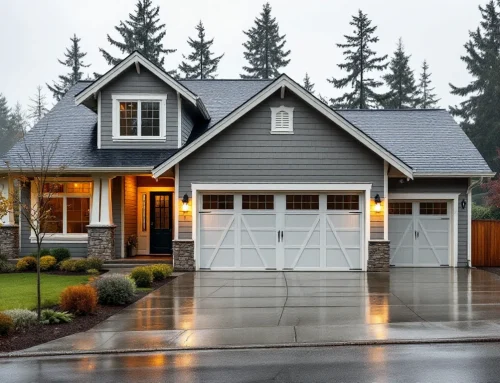
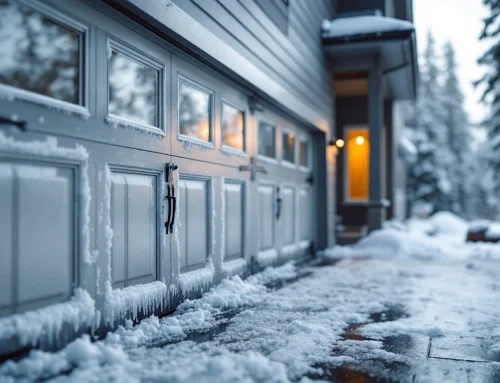
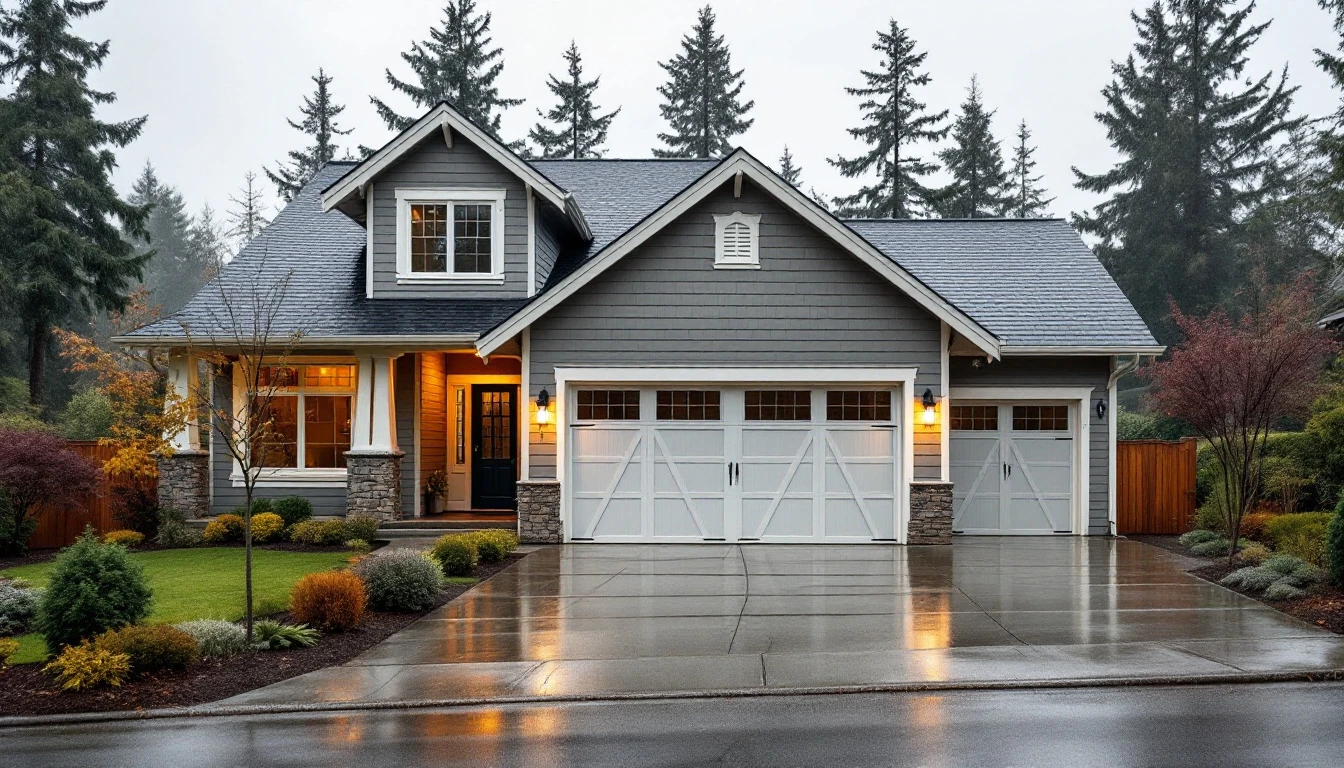
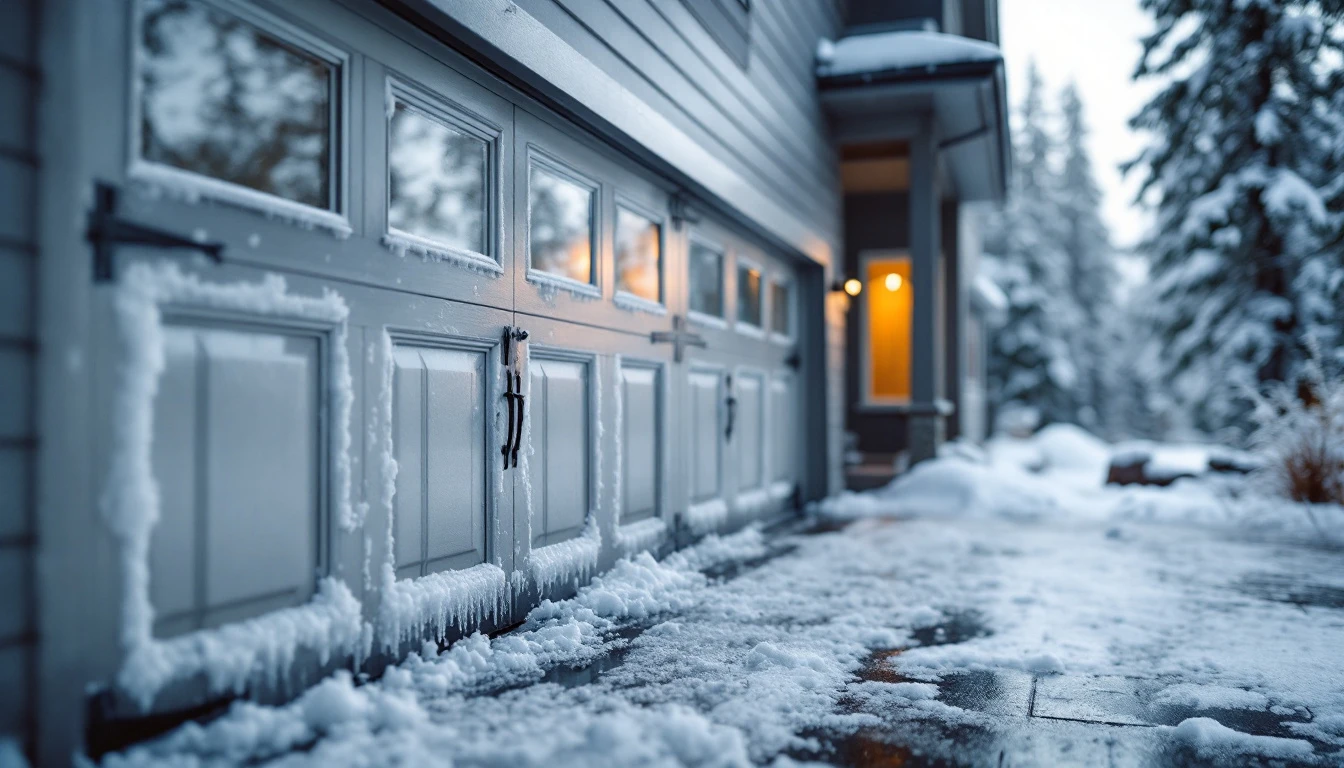
Fall and winter in Oregon bring serious threats to garage doors. From October through March, nor’easters and tropical storms arrive with winds hitting 40 to 60+ mph or higher, along with heavy rain that sneaks into weak spots. If your garage door isn’t ready, these storms can cause real problems.
When the power goes out during a storm, your automatic door stops working. That leaves your garage unsecure and your car stuck inside.
Nor’easters are brutal. They create intense wind pressure that stresses your springs, cables, and track alignment. Tropical storms do the same damage through relentless wind and water intrusion. September represents your final preparation window before risk escalates.
Act now. Emergency repairs during peak storm season cost hundreds or thousands of dollars—and that’s if you can even find an available contractor when everyone else is calling for help.
Pre-Season Inspection Checklist
A thorough pre-season inspection takes less than two hours and reveals exactly which protective measures your garage door needs before storms arrive. Start by examining springs and cables for fraying, corrosion, or visible wear—cables should be tightly wound without loose strands, and springs should show no gaps or rust buildup. A balanced door stays in place when lifted halfway; if it drops or shoots up, your springs need professional attention before wind loads stress them further.
Next, inspect tracks and hardware for bent sections, loose bolts, or rust that could cause the door to jam mid-cycle during a power outage. Run your hand along weather seals checking for cracks, stiffness, or gaps that let water intrude. Finally, scan door panels for dents, rot, or cracked sections that create weak points under sustained wind pressure.
Test your opener’s sensor alignment and auto-reverse function—these safety features become critical when debris impacts the door during storms. Document each finding with photos and notes. This record helps you prioritize which repairs to tackle yourself and which require professional expertise, forming your roadmap for the four protective measures that follow.
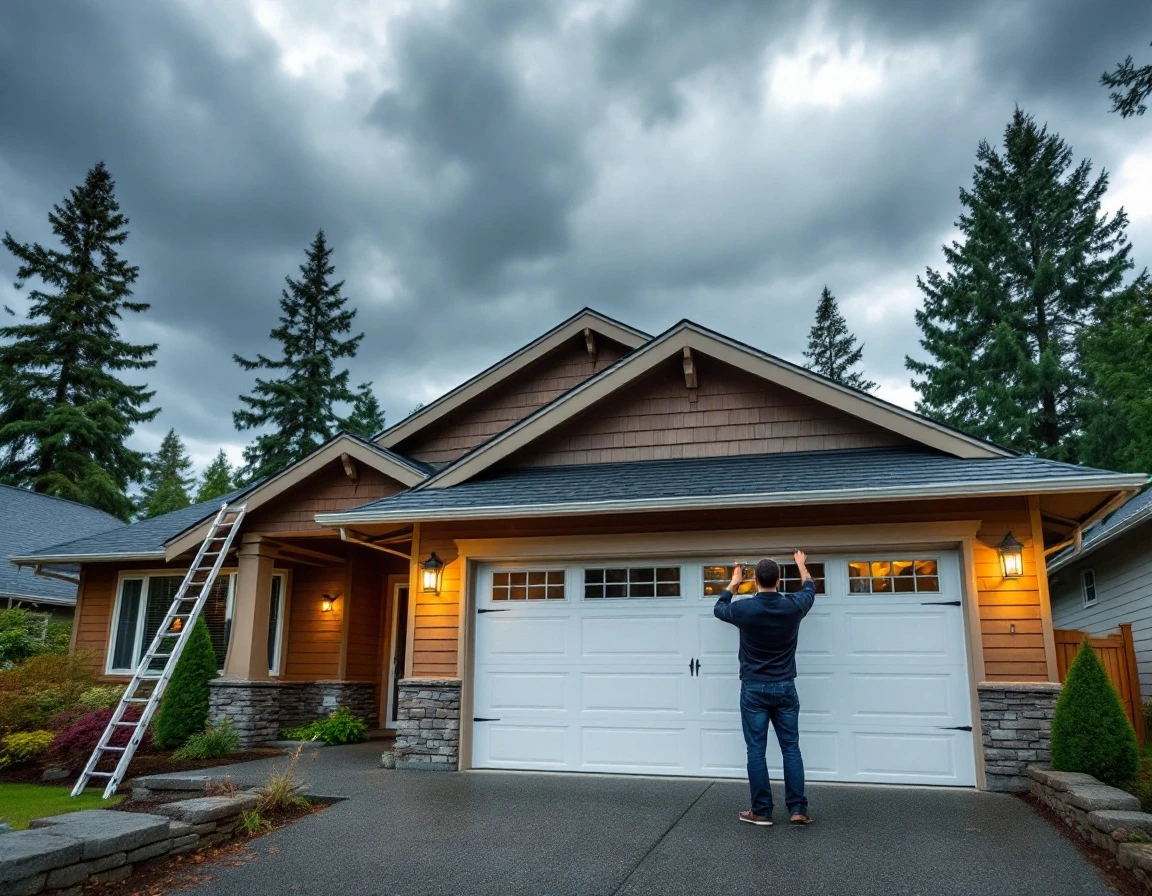
Four Core Protective Measures
After completing your inspection, prioritize these four protective measures based on cost-benefit and urgency. Each addresses specific vulnerabilities you’ve documented, and together they create a hardened defense against wind and water damage.
Measure 1: Upgrade or Replace Weather Seals and Gaskets
If your inspection revealed cracked, brittle, or compressed weather seals, replacement blocks wind-driven rain from penetrating your garage. New bottom seals, threshold seals, and perimeter gaskets typically cost $50 to $150 in materials. This is a DIY-friendly project requiring only basic tools and an afternoon. Deferring this repair invites water infiltration that damages stored items, soaks drywall, and promotes mold growth during October’s heavy rainfall.
Measure 2: Reinforce or Replace Springs and Cables
Did you find frayed cables or springs showing rust and gaps between coils? This measure carries the highest cost—$200 to $800+ for professional installation—but delivers the greatest safety impact. Worn springs can snap under wind load, causing the door to crash down or jam open during a storm. Always hire a professional for spring work; the stored tension can cause severe injury.
Measure 3: Secure Panels and Hardware
Loose bolts, worn hinges, and compromised brackets allow panels to separate when high winds flex the door. Tightening hardware and replacing worn components costs $75 to $200 and takes a few hours. Most homeowners can handle this with socket wrenches and replacement parts from hardware stores. Reinforcing garage door hardware provides extra protection during severe weather conditions.
Measure 4: Test and Upgrade Door Balance and Opener Sensitivity
Poor balance forces your opener to work harder, increasing failure risk during power fluctuations common in fall storms. Professional rebalancing and sensitivity adjustment runs $100 to $250. This measure prevents costly opener burnout when you need your door most.

Weather Seals and Gasket Upgrade
Weather seals degrade over time from UV exposure and Oregon’s persistent moisture. Creating gaps that allow wind-driven rain to infiltrate your garage. The bottom seal and side gaskets form your primary defense against water entering during storm conditions, protecting your interior from mold growth and structural damage.
Replacement materials range from vinyl to EPDM rubber, with complete kits running $50–$150 plus one to two hours of labor. This upgrade is DIY-friendly with basic tools—most homeowners can complete it using a utility knife, measuring tape, and screwdriver.
Of the four protective measures, seal replacement delivers the highest cost-benefit ratio by immediately stopping water intrusion that would otherwise saturate drywall, flooring, and stored belongings during fall storms.
Spring and Cable Reinforcement
Springs and cables bear your garage door’s full weight while absorbing wind pressure during storms—when they fail, the entire system becomes inoperable and creates serious safety risks. Unlike seals or track adjustments, this work demands professional expertise because of the extreme tension involved and specialized tools required.
Replacement typically costs $300–$800 or more depending on door size and spring type (torsion versus extension). Schedule immediate replacement if your inspection revealed rust, fraying cables, or uneven tension—these are urgent safety priorities. Optional upgrades to heavy-duty springs make sense if you’re strengthening your door to handle higher wind loads in exposed locations.
DIY vs. Professional: Decision Framework
Some garage door maintenance falls squarely in DIY territory. The following tasks carry minimal risk and require less than $100 in tools and materials:
- Weather seal replacement
- Door panel cleaning
- Hardware tightening
- Sensor testing
These tasks let you address inspection findings without specialized training or expensive equipment.
Other repairs demand professional expertise. Spring replacement, cable work, balance adjustments, and opener upgrades involve high-tension systems that can cause serious injury if mishandled. Beyond the safety risk, improper repairs void warranties and create liability issues if someone gets hurt.
Call a professional immediately if your inspection revealed rust on springs, fraying cables, uneven door movement, failed sensors, or bent track sections. These conditions mean your door could fail any moment and need expert attention to fix safely.
Need help in Oregon? Regional service providers throughout the state can diagnose problems and complete repairs before storm season arrives. Contact us today for expert guidance on protecting your garage door system.
Ready for Storm Season
One thorough inspection plus four targeted upgrades equals a garage door system hardened against nor’easters and tropical storms. Garage doors are common weak points during high wind events. Which is why completing these protective measures by September’s end gives you full protection before October’s risk window opens, and maintaining vigilance through the winter months keeps your system defended through March.
The difference between preparation and emergency repair comes down to action this week. Schedule a professional inspection with Garage Harmony if your assessment revealed spring rust, cable fraying, or track misalignment. For DIY-capable homeowners, order weather seal replacement kits and reinforcement hardware now while you still have time for methodical installation.
September action prevents October crisis. What’s your next step?