Pacific Northwest Moisture Threat
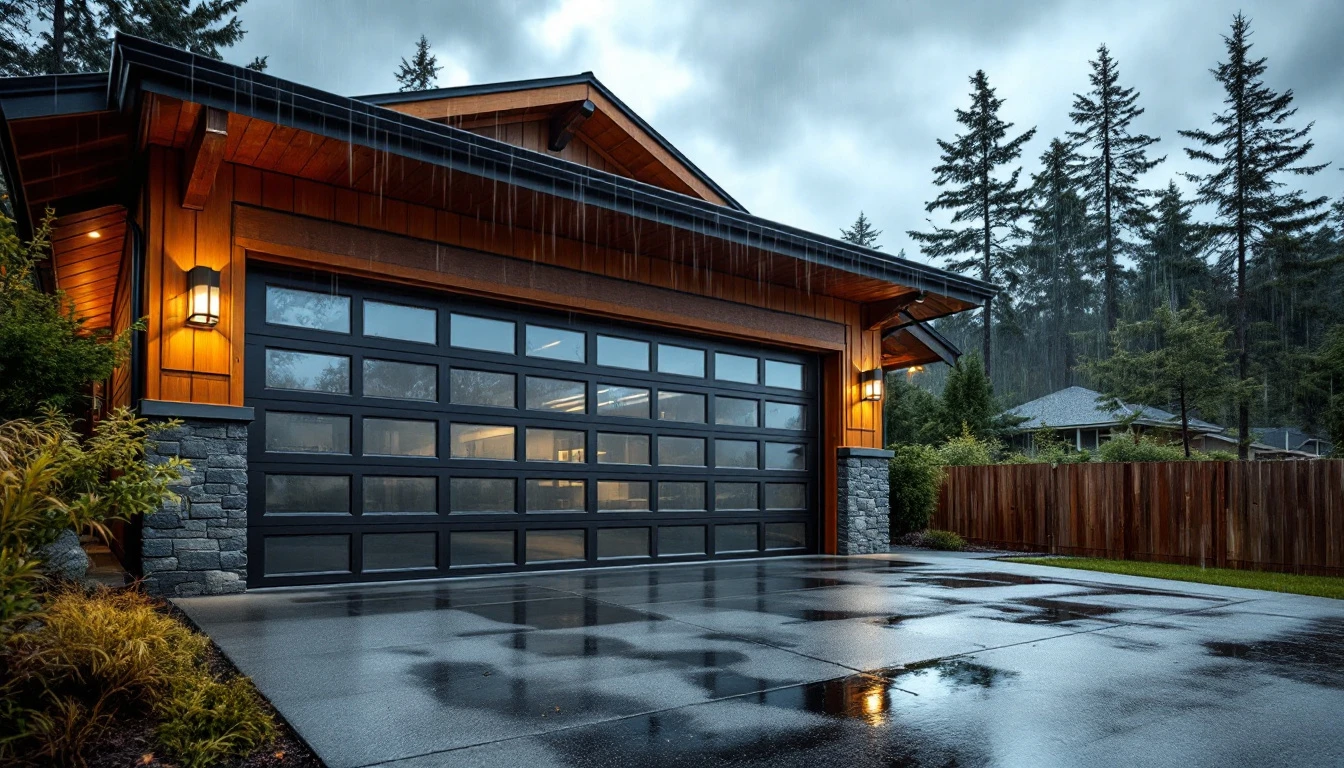
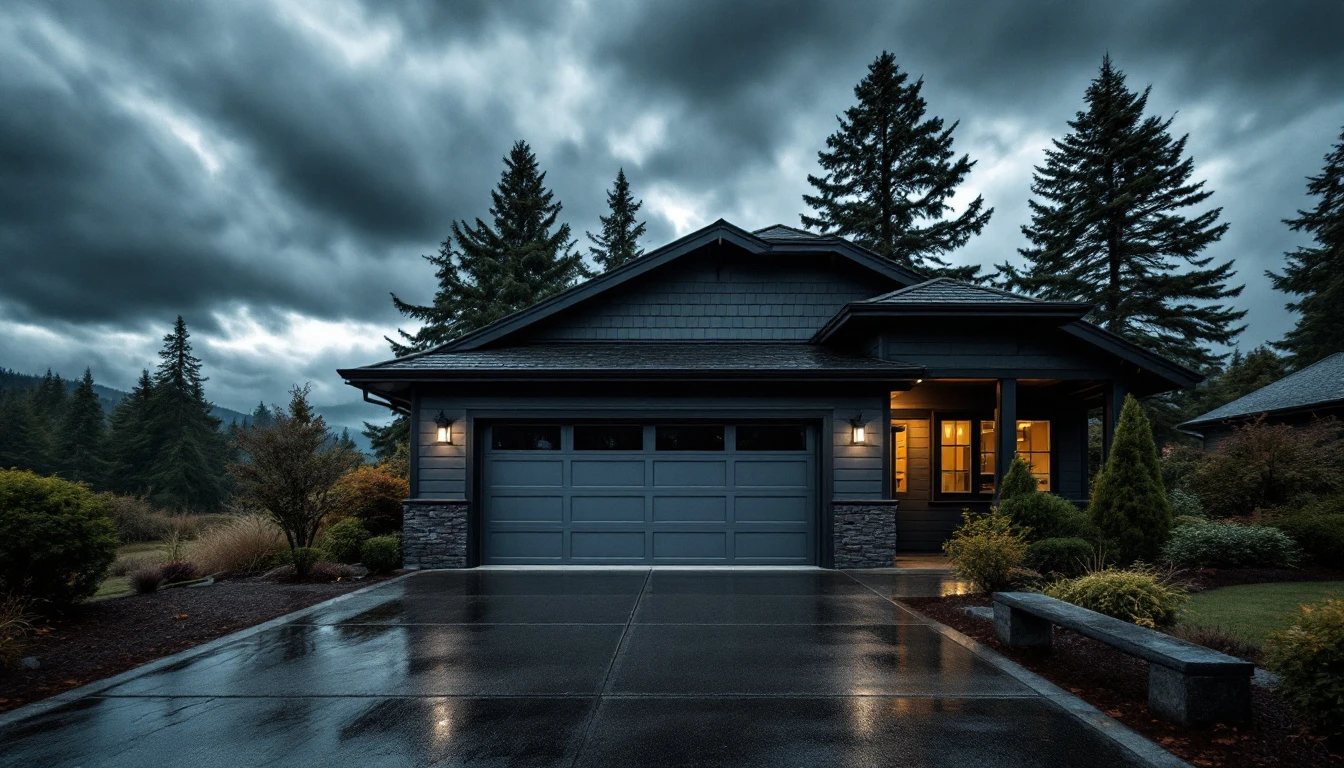
West Linn homeowners invest heavily in premium garage doors—wood and carriage-style installations typically run $8,000 to $15,000 or more. These high-end doors showcase natural wood grain and custom finishes that distinguish properties in neighborhoods like Bolton and Willamette. Proper West Linn custom garage door maintenance is essential to protect these investments from the region’s unique climate challenges. But that same natural material makes them vulnerable to Clackamas County’s relentless moisture.
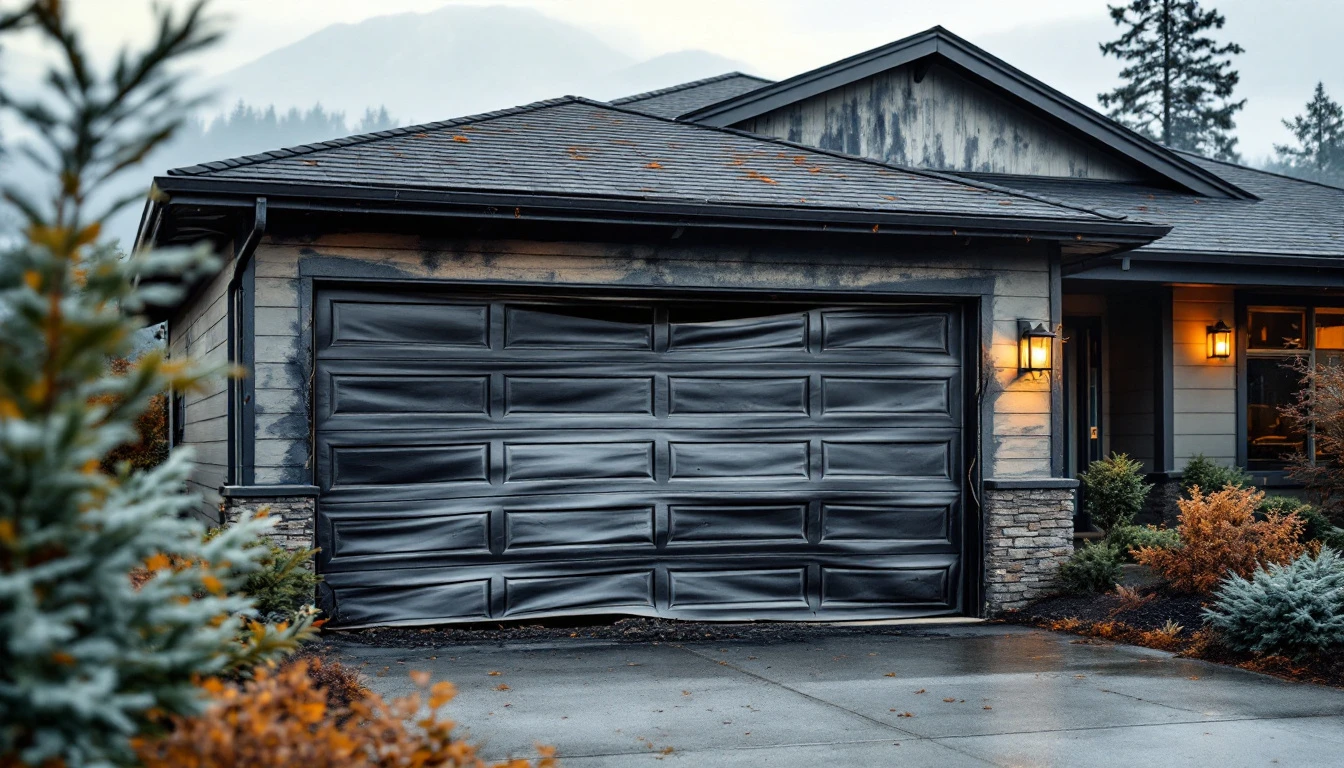
The Pacific Northwest climate creates a year-round moisture assault. Winter brings months of steady rainfall that saturates exposed wood surfaces. Spring humidity spikes push moisture deeper into grain patterns, while temperature swings cause expansion and contraction cycles. Premium wood doors absorb this moisture. Triggering a cascade of problems: warping that prevents smooth operation, finish breakdown that exposes bare wood, and eventually wood rot that compromises structural integrity.
Early detection separates minor touch-ups from major restoration projects. A warped panel caught early might need refinishing—wait too long, and you’re looking at full panel replacement or complete door restoration. When your investment approaches five figures, spring maintenance isn’t optional. It’s financial protection that catches moisture damage before it escalates into costly structural repairs.
Spring Damage Assessment Checklist
After winter’s relentless rainfall and fluctuating temperatures, your premium wood or carriage-style garage door needs a thorough inspection. Set aside 15–20 minutes in April to walk through this systematic assessment. Start by examining the door’s exterior surface in natural daylight, looking for paint bubbling or cracking—early indicators that moisture has penetrated the protective finish and reached the wood substrate beneath.
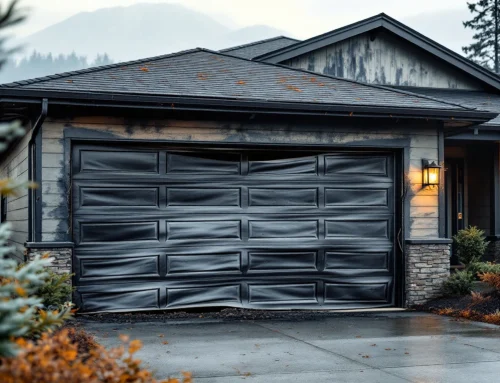
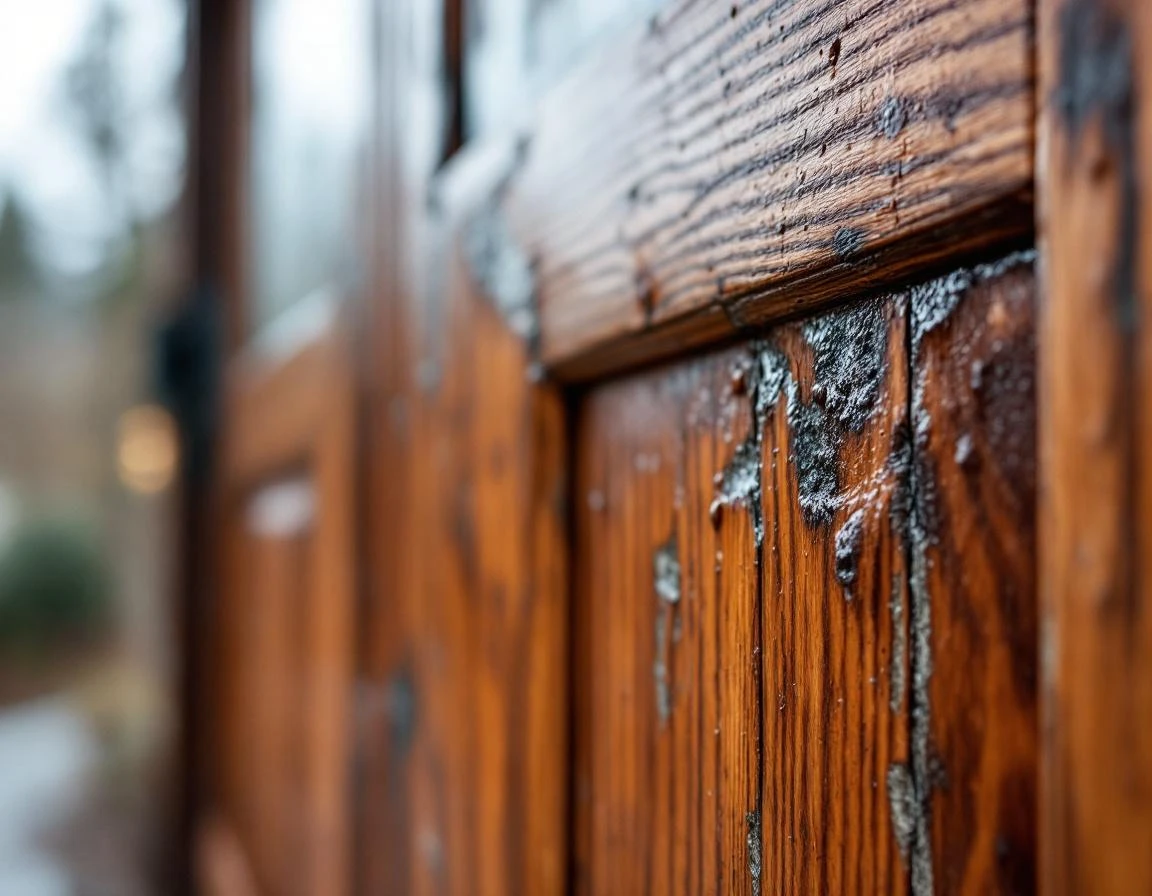
Next, run your hand across horizontal panels and bottom sections where water pools during storms. Soft spots signal active moisture damage that requires immediate attention before structural integrity suffers. Check for color discoloration, particularly darkening streaks or grayish patches that indicate prolonged wetness and possible mold development. These visual clues tell you whether moisture has moved from surface-level exposure to deeper wood layers.
Test door operation by opening and closing manually. Sticky movement or binding at specific points reveals wood swelling from absorbed moisture. Inspect panel gaps with a flashlight—widening or irregular spacing indicates warping that affects weather sealing. For precision assessment, a moisture meter available at most hardware stores measures internal moisture content and removes guesswork from repair decisions.
“This post-winter inspection identifies whether you face preventable maintenance or requiredring professional restoration. Catching soft spots and finish cracks now prevents the costly panel replacement that comes from ignoring early warning signs. Document your findings to track changes over successive seasons.
Four Essential Spring Maintenance Tasks
After completing your post-winter inspection, you’re ready to tackle the maintenance tasks that will protect your premium garage door investment through the humid Pacific Northwest summer. Seasonal garage door maintenance in Clackamas County targets the specific moisture pathways and wear points that threaten wood and carriage-style doors in West Linn’s climate. Each task builds a protective barrier against the conditions that lead to expensive repairs.
Task 1: Weatherstripping Replacement
The rubber seals along your door’s edges and bottom create the first defense against moisture intrusion. Spring is the ideal time to replace weatherstripping that winter rain and temperature cycling have degraded. Look for EPDM rubber weatherstripping rated for temperature extremes—expect to spend $40–$80 for a complete door kit. Remove old stripping, clean the channels thoroughly with rubbing alcohol, and press new material firmly into place. Fresh weatherstripping blocks rain from seeping behind wood panels where it causes hidden rot.
Task 2: Wood Sealing and Finish Restoration
Premium wood doors need protective coating refreshed before summer humidity arrives. Use a high-quality marine-grade sealant or penetrating oil specifically formulated for exterior wood—products typically cost $75–$150 per gallon, covering most residential doors with material left over. Lightly sand any rough spots with 220-grit sandpaper, wipe clean, then apply two thin coats following manufacturer dry times. This process seals moisture out while allowing the wood to breathe, preventing the finish cracking and color fading you spotted during inspection. Proper wood garage door care in the Pacific Northwest climate requires consistent attention to protective finishes that withstand year-round moisture exposure.
Task 3: Hardware Lubrication
Moving parts that operate smoothly experience less wear and better resist moisture damage. Apply white lithium grease to hinges, rollers, and bearing plates—a quality tube provides lasting lubrication through multiple seasons. Use a garage door-specific lubricant spray on springs and chains, avoiding WD-40 which attracts dirt. Clean components with a dry cloth first to remove winter grit. Properly lubricated hardware prevents the binding and friction that stresses wood panels during operation.
Task 4: Track Cleaning and Alignment Check
Debris-filled tracks force rollers to work harder, creating stress that can crack wood panels or pop fasteners. Vacuum tracks thoroughly, then wipe with a damp cloth to remove sticky residue using basic cleaning supplies you likely already have on hand. Check that tracks are level using a standard bubble level and tighten mounting brackets if loose. Clean tracks allow smooth operation that prevents panel-damaging jerks and stops.
Together, these four tasks require only basic materials and typically take one weekend to complete. That investment prevents the costly professional restoration required for advanced moisture damage, while extending your premium door’s lifespan for years to come.
DIY vs Professional Restoration Costs
The cost difference between spring maintenance and emergency restoration tells a compelling story for West Linn homeowners. Investing $200–$600 in materials for DIY spring care—weatherstripping, sealant, lubricant, and cleaning supplies—requires 6–8 hours of your time but prevents damage escalation. Compare this to professional restoration after moisture damage: $3,000–$8,000+ depending on severity.
Consider these typical restoration expenses:
- Wood panel replacement: $1,500–$4,000
- Refinishing: $1,000–$2,500
- Hardware replacement: $300–$800
- Structural repairs: $500–$1,500+
A moisture-damaged cedar panel requiring replacement costs $1,200–$1,800. Sealing and weatherstripping cost $80–$150 combined. The math becomes clear quickly.
Preventive spring maintenance delivers 85–95% cost avoidance when damage never develops. For premium wood garage doors in the Pacific Northwest common in Bolton and Willamette neighborhoods, this protection maintains both function and curb appeal.
Spring tasks address moisture pathways before they create problems requiring professional intervention, preserving your investment through consistent seasonal care rather than reactive emergency repairs.
When to Call a Professional
Some damage indicators signal that DIY maintenance won’t be enough. Soft or spongy wood means moisture has penetrated beyond the surface layer, creating rot that requires panel replacement or structural reinforcement. Deep cracks in the paint or stain that expose bare wood allow water to penetrate directly into the grain, accelerating deterioration faster than surface treatments can prevent.
Visible mold or mildew growth, panel warping that prevents smooth operation, and finish failure covering more than 20% of the door surface all warrant professional assessment. For West Linn homeowners with premium doors valued at $8,000 or more, professional restoration preserves both resale value and aesthetic integrity in ways that DIY repairs cannot match.
Improper repair techniques can actually accelerate moisture penetration by disrupting the door’s original finish system or creating new entry points for water. Installing and maintaining custom wooden garage doors in Portland and the Pacific Northwest requires understanding the region’s unique climate challenges. Think of professional service as insurance for high-value installations—protecting your investment from well-intentioned mistakes. West Linn homeowners can call Garage Harmony for a free evaluation to determine whether a repair falls within DIY territory or requires expert intervention.
Summer Readiness & Ongoing Care
Completing these four spring tasks creates a moisture barrier that protects your premium garage door through summer’s humidity spikes, but your work isn’t finished. May through August brings Pacific Northwest humidity that can find any weakness in your weatherproofing, making monthly visual checks essential to catch new moisture entry before it causes damage.
Set a calendar reminder for a simple 5-minute monthly routine: check weatherstripping for gaps or compression, look for paint bubbling or finish changes, and test door operation smoothness. If you notice moisture reappearing—water beads on the inside surface, new soft spots, or sticky operation—reseal those areas immediately using the same products from your spring maintenance.
This minimal ongoing investment is part of carriage style garage door weatherproofing that keeps your $8,000–$15,000 door in peak condition year-round. Think of it as a seasonal rhythm: spring preparation prevents winter damage, summer inspections sustain that protection, and fall weatherproofing closes the cycle. You’re now equipped to protect your investment through every Pacific Northwest season, avoiding emergency repairs and preserving both function and resale value.