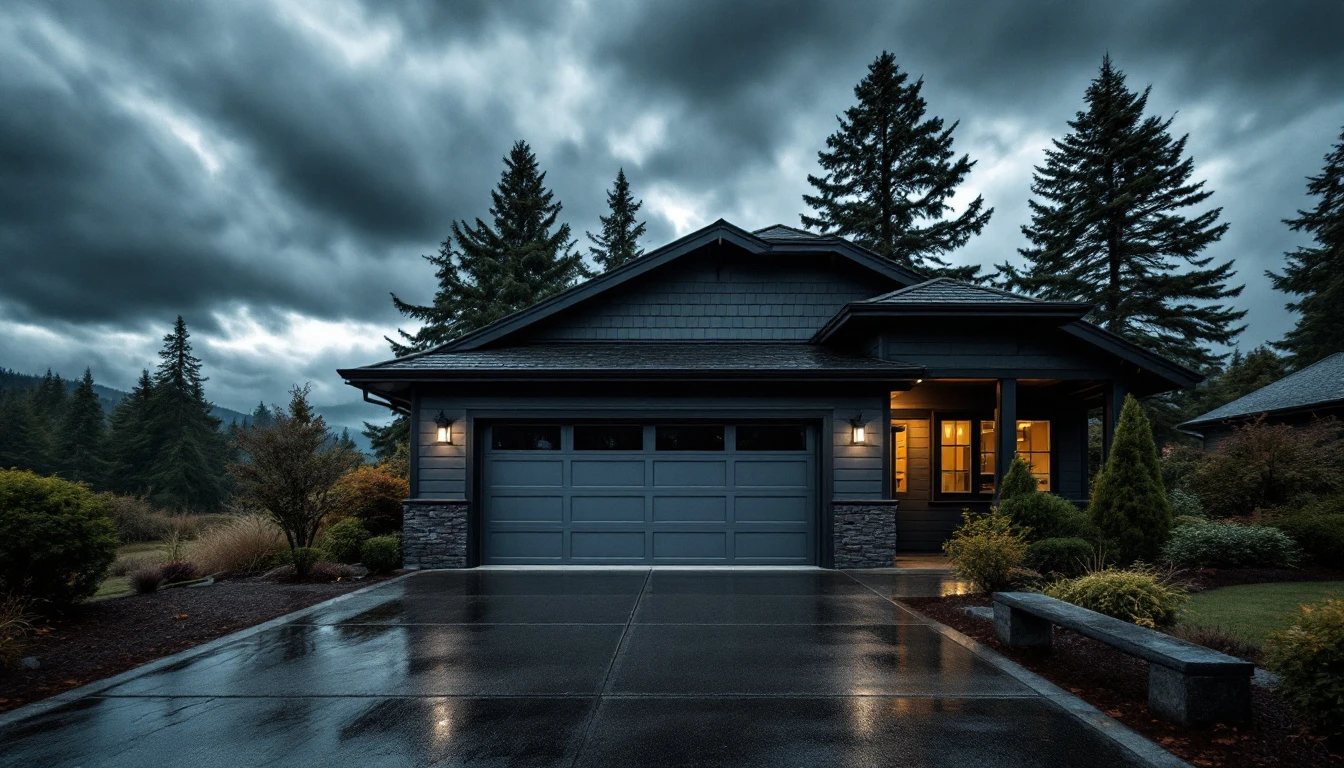
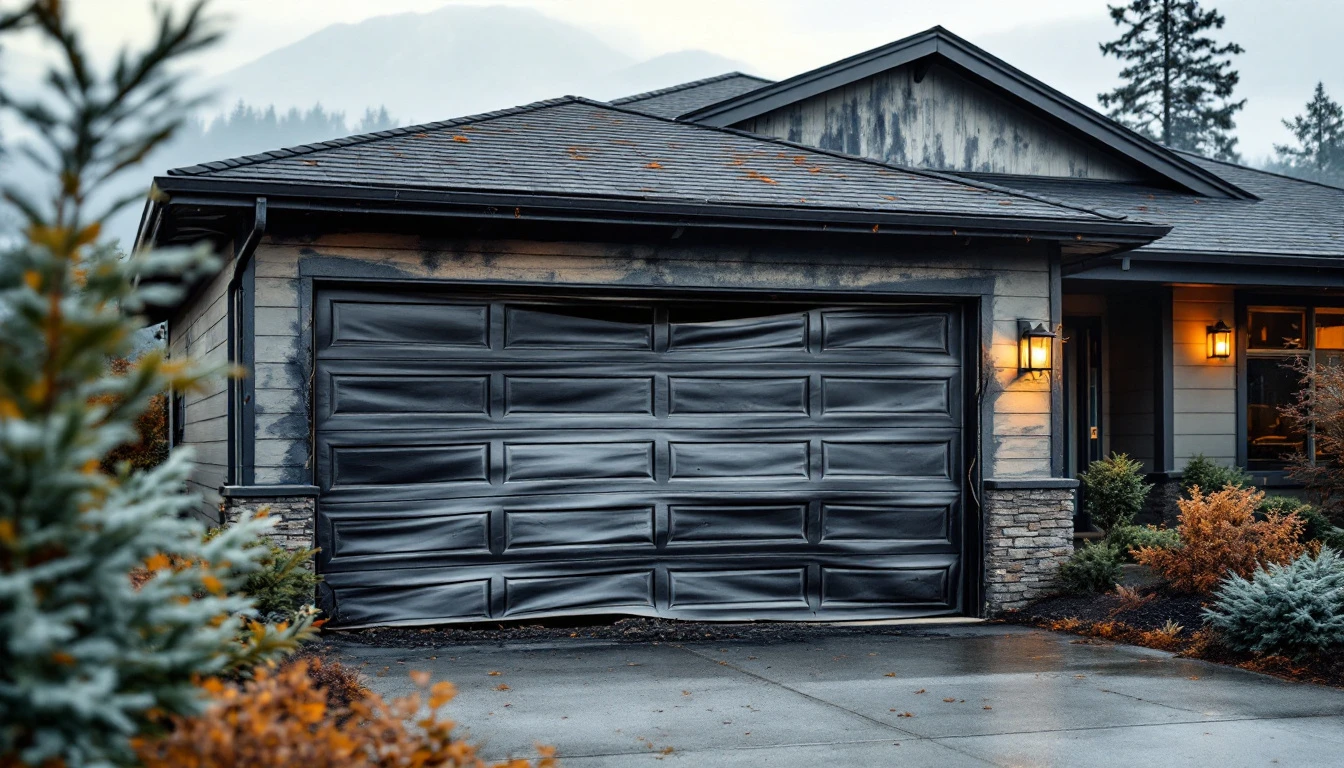
Mid-Century Garage Door Vulnerabilities
Hazel Dell’s suburban market features homes built during the 1950s through 1970s, a period when builders installed single-track or dual-track garage door systems with tension springs calibrated for drier, more stable climates. Proper vintage garage door maintenance in Hazel Dell is essential because these mid-century systems weren’t designed for the Pacific Northwest’s freeze-thaw cycles and persistent moisture. When temperatures drop below freezing overnight and rise above 40°F during the day—a common pattern in Southwest Washington winters—metal components expand and contract repeatedly, creating microscopic cracks that lead to rust, corrosion, and spring fatigue.
The problem intensifies when moisture penetrates through worn weather seals and aging wooden panels. Water seeps into metal brackets, tracks, and springs, where it accelerates degradation during temperature swings. This combination of moisture exposure and freeze-thaw cycling creates conditions completely absent from the original design specifications developed for California and Arizona markets.
Spring failure represents the costliest consequence of this climate mismatch. Emergency repairs typically range from $800 to $2,000. With higher costs during winter months when demand spikes and parts become scarce.
? Preventive maintenance extends system life by 5 to 10 years. By addressing moisture intrusion and metal degradation twice yearly—specifically during April and October when weather conditions allow thorough inspection and lubrication—homeowners can avoid emergency service calls and preserve their vintage garage door systems.
April Maintenance: Pre-Season Checklist for Vintage Garage Door Maintenance Hazel Dell
“April marks the perfect window for Hazel Dell homeowners to address freeze-thaw damage before summer humidity accelerates corrosion. These four tasks require only 1–2 hours and readily available materials, yet they prevent the majority of emergency spring replacements that occur between May and August.”
Task 1: Inspect Springs, Cables, and Rollers
Use a flashlight and magnifying glass to examine torsion springs for micro-cracks, which appear as hairline fractures across the spring’s diameter. Check cables for frayed strands—even three broken wires indicate imminent failure. Inspect rollers for pitting or flat spots where moisture has penetrated the ball bearings.
When to call a professional: If you spot cracks in the spring coils, rust bleeding through the metal surface, or cables with visible strand separation, contact Garage Harmony rather than attempting repairs. These conditions indicate structural compromise that requires immediate replacement.
Task 2: Clean Tracks and Hinges
Mix equal parts white vinegar and water in a spray bottle. Apply liberally to tracks and hinges, then scrub with a wire brush to remove mineral deposits left by winter moisture. This step eliminates the abrasive buildup that grinds down rollers and creates binding points in the door’s travel path.
Pay special attention to the horizontal track sections where water pools during rain. The white or greenish residue you’re removing contains minerals that accelerate metal degradation when combined with summer heat.
Task 3: Test Door Balance
Disconnect the opener by pulling the red emergency release handle. Manually raise the door to the halfway point and release it. A properly balanced door holds this position without drifting more than half an inch in either direction.
When to call a professional: If the door drifts more than 2 inches, springs are severely imbalanced and pose a safety risk. Do not continue operating the door—this condition damages the opener motor and creates a collapse hazard.
Task 4: Apply Rust-Inhibiting Lubricant
Purchase silicone or PTFE-based lubricant from any hardware store. Apply sparingly to torsion springs, hinges, and track rollers—not the tracks themselves. Wipe away excess to prevent dust accumulation. This protective barrier prevents moisture intrusion during summer morning dew cycles that follow hot afternoons.
Moisture and Freeze-Thaw Damage Identification
Learning to spot damage early saves you from emergency repairs. Pacific Northwest garage door seasonal maintenance reveals specific patterns of deterioration that you can identify during a simple visual inspection.
Watch for these specific damage indicators:
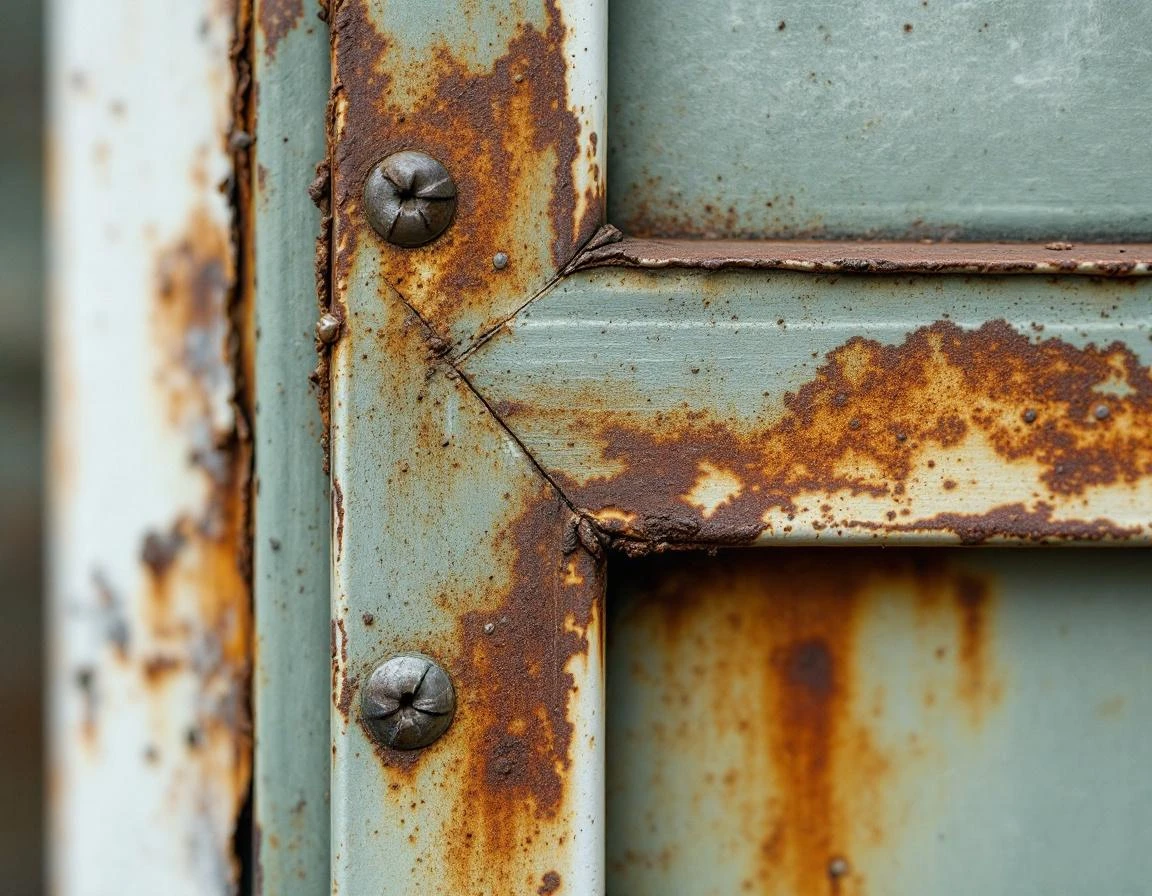
- Rust spots on springs and cables appear as orange-brown discoloration and signal moisture infiltration. When morning fog settles on cold metal components, water condenses and begins the corrosion process. Active rust feels rough to the touch and flakes off when you press it. This damage progresses quickly once started, especially during Hazel Dell’s wet winters.
- Soft spots or peeling paint on wooden panels indicate freeze-thaw expansion damage. Wood absorbs moisture during rainy periods, then expands and contracts when overnight temperatures drop below freezing. Press firmly on painted surfaces—damaged areas feel spongy rather than solid. You’ll often find this damage on bottom panels that sit closest to wet concrete.
- White crystalline deposits (called salt bloom) form on metal tracks and hinges when mineral-laden moisture evaporates. These deposits look like white powder or tiny crystals and appear after wet-dry cycles. The minerals themselves weaken metal over time, creating brittleness that leads to sudden failures.
- Binding or sticking during operation means rust has accumulated inside tracks or rollers show wear. Test your door manually—it should glide smoothly with minimal effort. When you feel resistance or hear grinding sounds, internal components have corroded.
If you notice two or more of these damage indicators, or if rust has penetrated more than surface-deep, contact Garage Harmony for a professional assessment.
Spring Tension and Safety Assessment
Torsion springs lose tension over 10–15 years of normal use. Making the balance test essential for detecting weakness before catastrophic failure occurs. To perform this test, disconnect your garage door opener and manually raise the door halfway. A properly balanced vintage door should hold steady at any position. If the door drifts more than 2 inches upward or downward, your springs have lost tension and need professional attention.
Worn springs create dangerous conditions that go beyond inconvenience. A sudden door drop during operation can cause severe injuries, particularly to anyone standing beneath the door. Weakened springs also force your garage door opener to work harder, accelerating wear on the motor and chain assembly. The injury risk is real—torsion springs operate under 200–300 pounds of tension.
Professional spring replacement is non-negotiable for torsion systems. The cost ranges from $600–$1,200 for both springs, but DIY attempts carry severe injury and death risk. These springs can cause skull fractures, broken bones, and fatal injuries when they release unexpectedly. Garage Harmony’s technicians have the specialized tools and training to handle this dangerous repair safely.
October Maintenance: Fall Preparation for How to Maintain Old Garage Doors
While April maintenance addresses damage from winter freeze-thaw cycles, October tasks create a protective barrier before November through March rains arrive. Think of these four fall maintenance steps as your winter defense system for Hazel Dell’s vintage garage doors. Completing these tasks now gives you time to schedule professional repairs if needed, avoiding the spring replacement rush when contractors face peak demand and longer wait times.
October timing matters because it allows you to waterproof and protect components while temperatures remain mild enough for sealants and lubricants to properly cure. Here’s your fall checklist:
- Inspect Springs and Cables Again. Repeat the visual inspection from April, looking specifically for new rust spots or corrosion that developed during summer humidity. Metal components that looked clean in April may show orange oxidation patches by October, particularly on cable drums and spring coils near the door perimeter where morning condensation collects.
- Seal Wooden Door Panels. Apply exterior-grade wood stain or sealant to all wooden components, focusing on bottom panels that face direct rain exposure. This waterproofing layer prevents moisture infiltration that causes the soft spots and rot you learned to identify in the damage recognition section. Allow 48 hours of dry weather for proper curing.
- Replace Weatherstripping. Examine rubber seals around the entire door perimeter for cracks, gaps, or black mold growth. Worn weatherstripping allows water penetration that accelerates freeze-thaw damage to internal components. Fresh seals cost $30-$50 and install in under an hour.
- Lubricate Moving Parts. Apply silicone-based garage door lubricant to hinges, rollers, springs, and bearing plates. This protective coating shields metal surfaces from corrosion during wet winter months when moisture exposure peaks in Pacific Northwest climate conditions.
When to Call a Professional
Some garage door issues demand professional expertise, and knowing the difference between DIY maintenance and professional intervention protects both your budget and your safety. Spring replacement, cable replacement, and panel structural damage always require a licensed technician with specialized equipment. Attempting these repairs yourself risks severe injury from the high tension stored in garage door springs.
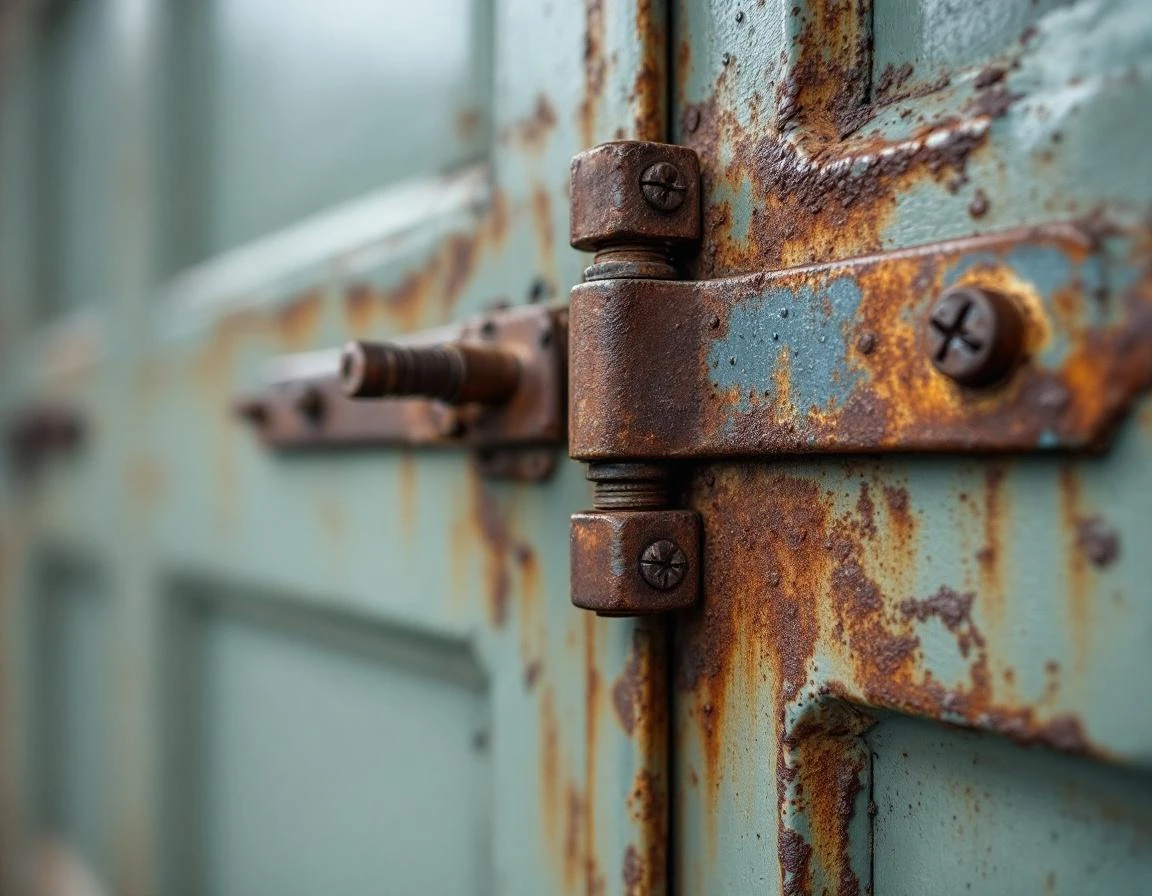
Watch for these warning signs that signal imminent system failure: severe rust that flakes when touched, micro-cracks visible in springs (even hairline fractures), or binding that persists after lubrication. Any of these conditions means your system is on borrowed time. Schedule professional assessment immediately rather than waiting for catastrophic failure.
For Hazel Dell homeowners, timing matters as much as the repair itself.
Obtain professional inspection quotes in March or April to avoid the May and June emergency pricing surge. When contractors charge 20–30% premiums for urgent calls. Budget $150–$250 for professional inspection during the off-season. This upfront cost prevents the $800–$2,000 emergency spring replacement that strikes when your door fails during peak contractor demand, making April maintenance the most cost-effective choice for vintage garage door systems.