Three-Car Garage Maintenance in Sherwood: Multi-Door System Wear
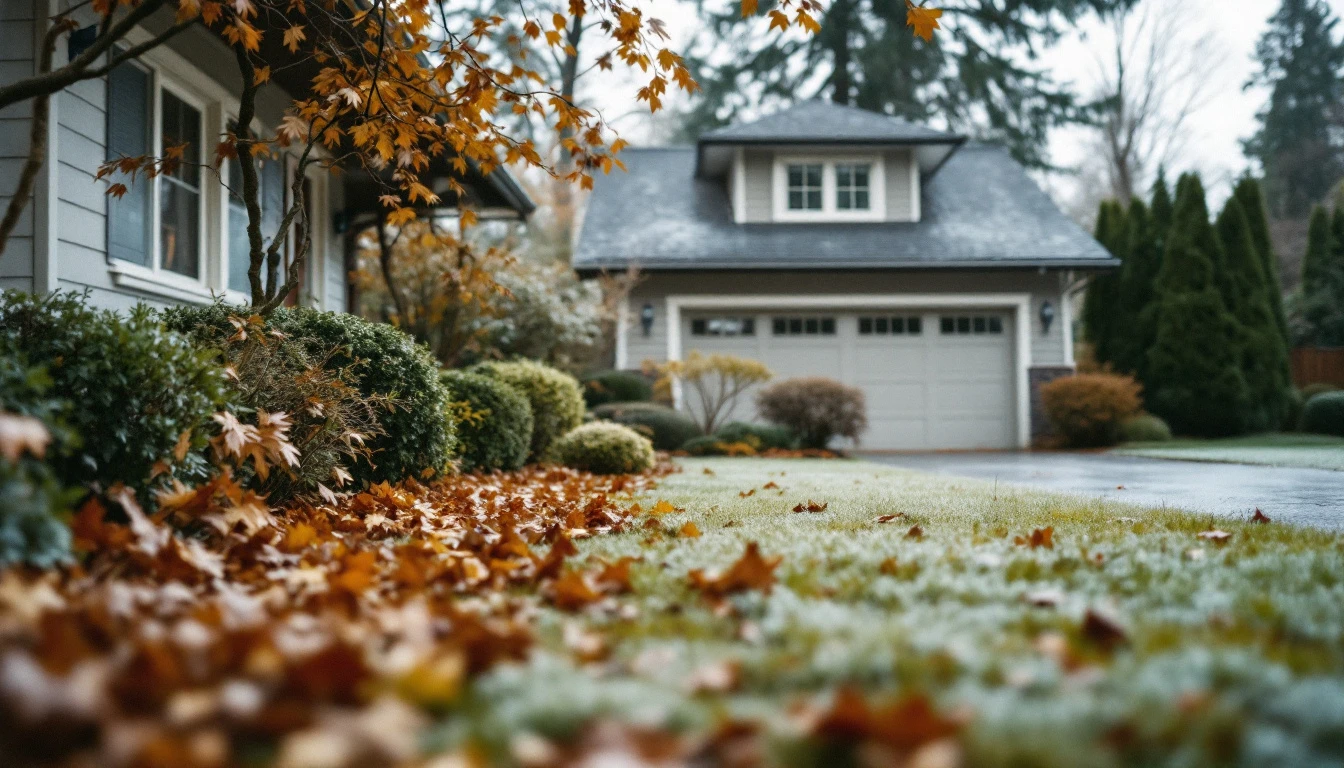
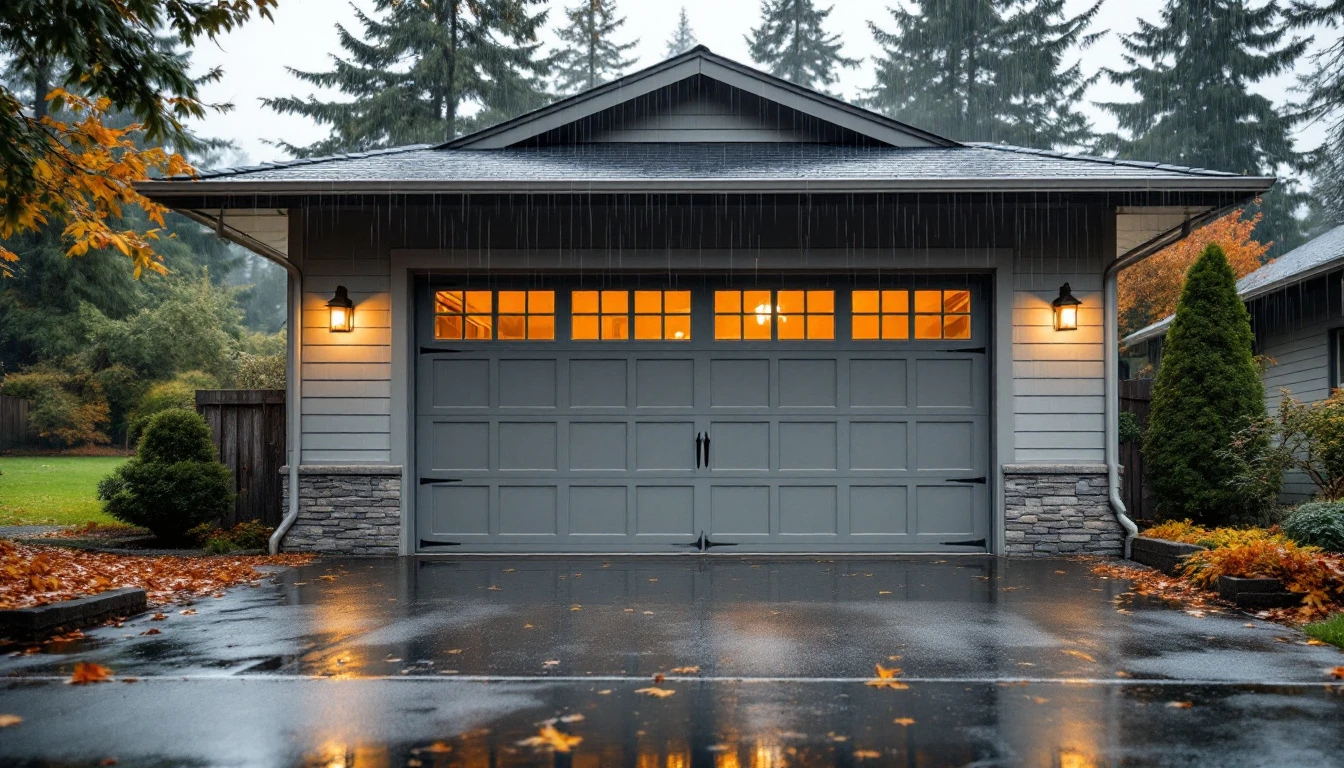
Sherwood’s newer three-car garages face unique maintenance challenges when multiple doors share opener systems and spring assemblies during fall and winter weather cycles. Proper three-car garage maintenance in Sherwood prevents costly failures that plague multi-door systems in the Tualatin Valley.
Three-car attached garage maintenance schedule: Why cycling matters
Three-car attached garage maintenance must account for greater operational demands than single-…”door systems. Each time your family comes and goes, multiple doors open and close throughout the day. In Sherwood’s newer neighborhoods like Woodhaven, where three-car configurations are common, this frequent cycling becomes especially demanding during wet fall and winter months.
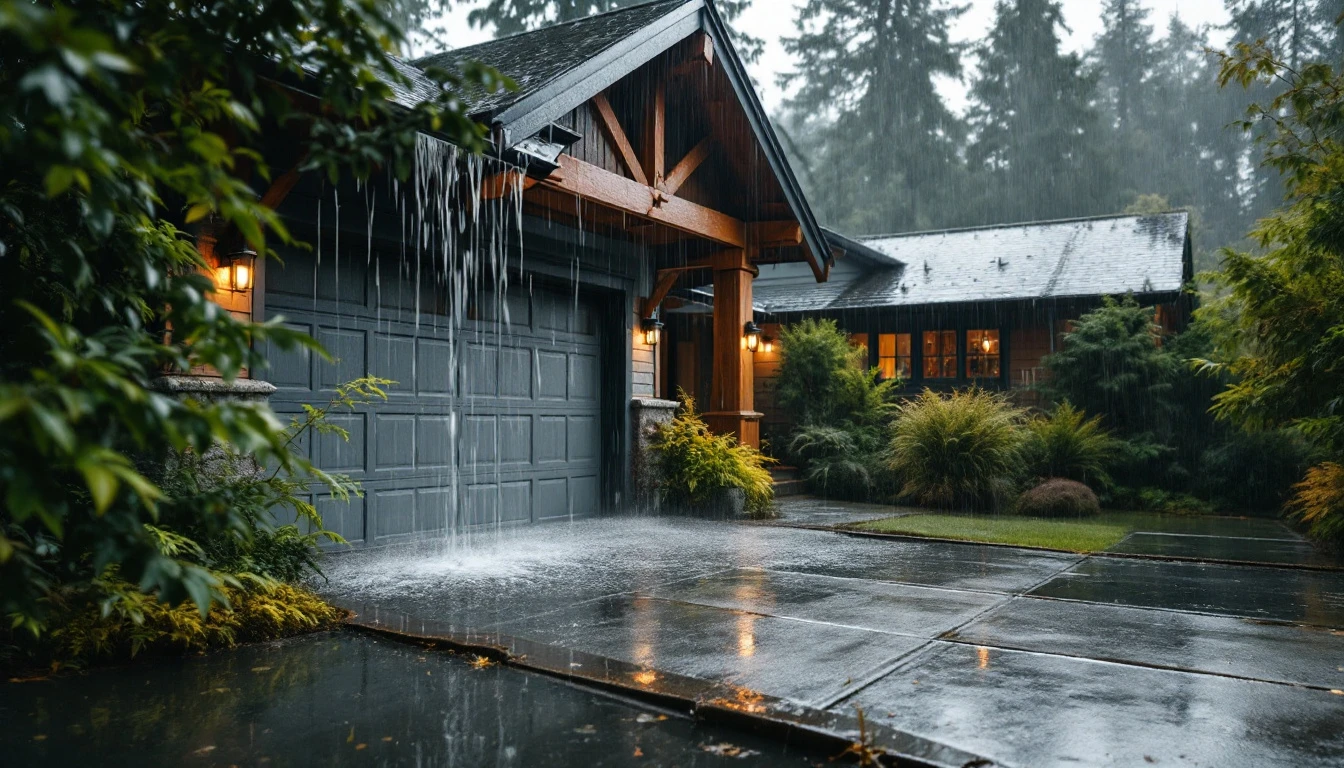
Wet fall and winter seasons accelerate spring corrosion and opener strain. The Tualatin Valley’s cool, damp conditions from October through March create an environment where moisture settles on metal components overnight. Combined with increased door cycles from families staying indoors during rainy weather, your garage system faces maximum stress when conditions are least forgiving.
Newer Sherwood homes built 2015+ share identical spring configurations
Most three-car garage homes built in Sherwood after 2015 follow similar architectural templates from major builders, meaning they share the same torsion spring configurations, opener mounting systems, and structural dimensions. This standardization creates predictable failure patterns across neighborhoods like Woodhaven and Sherwood Town Center.
When spring failure occurs—typically during cold, wet months when metal contracts—emergency repair costs range from $800 to $2,000 depending on spring type and whether the door becomes inoperable during business hours or after-hours. A preventive maintenance routine addresses these vulnerabilities before failures happen.
Spring Failure Prevention Routine for Three-Car Garage Maintenance
You can protect your three-car garage maintenance investment with a simple routine that takes 15–20 minutes per door. This preventive approach keeps your garage system running smoothly throughout Tualatin Valley’s wet fall and winter months, when moisture and temperature fluctuations put extra stress on springs and hardware.
Start with a monthly visual inspection that takes just 5 minutes per door. Look for discoloration on the spring coils—rust typically appears as orange or brown spots that indicate moisture exposure. Check for small cracks or gaps in the spring coils, which signal metal fatigue. Catch these warning signs early, and you avoid the emergency situation where a spring snaps during a rainy morning commute.
Next, apply garage-safe lubricant to springs, rollers, and hinges once per month. Use a silicone-based spray designed specifically for garage doors—standard WD-40 attracts dust and debris. This monthly lubrication prevents friction-induced wear that causes springs to fail prematurely. The process takes 10 minutes per door and directly addresses the operational stress that three-car systems face with higher daily cycle counts.
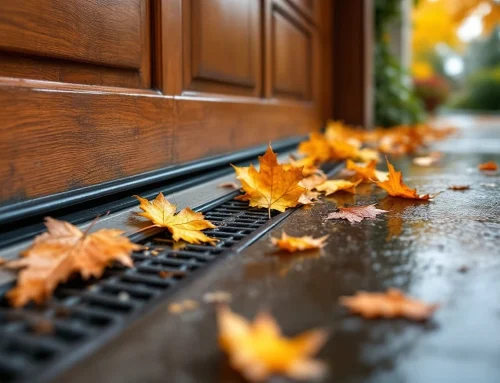
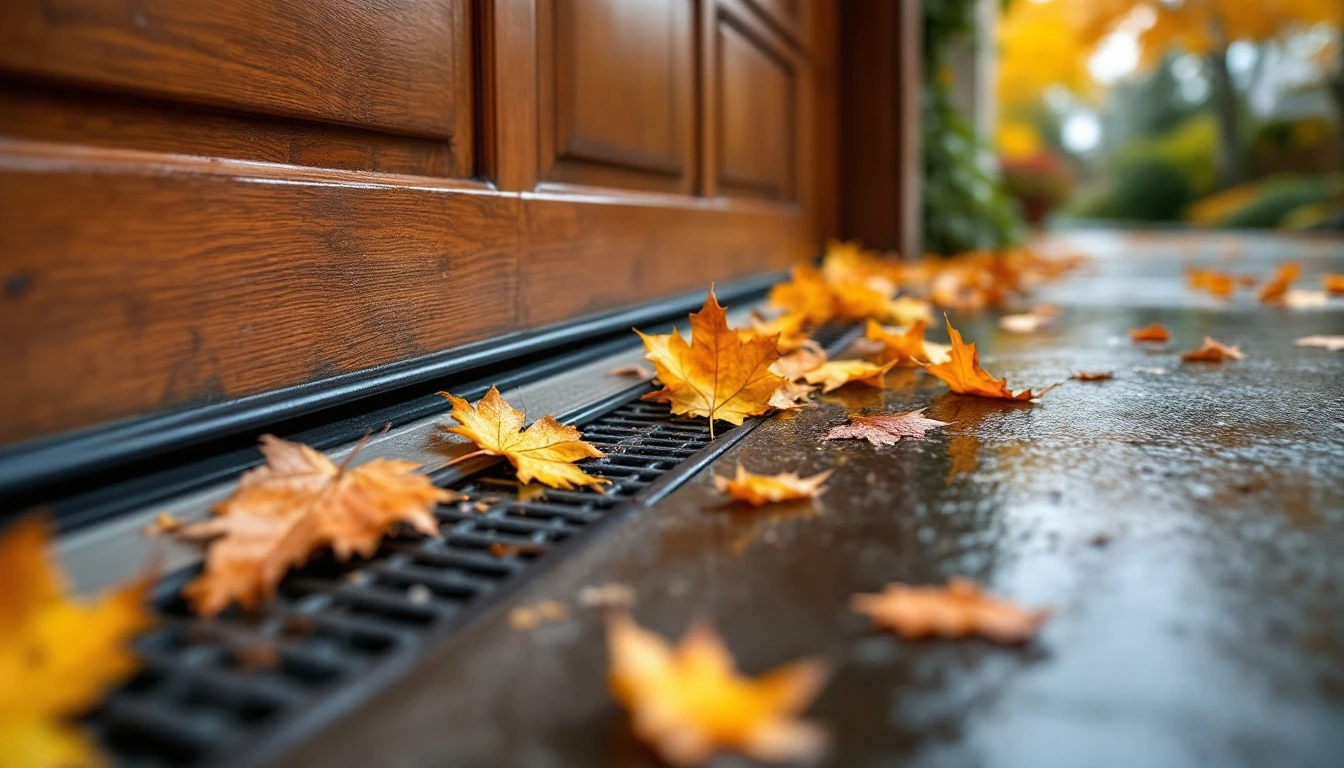
Finally, clear debris from tracks after every major rainstorm. Leaves, dirt, and water can pool in the horizontal track sections, creating conditions where moisture sits against metal components for days. In Sherwood’s October-through-March rainy season, this debris removal becomes particularly important for preventing rust formation.
The total cost for this routine remains modest—you’ll need one bottle of garage-door lubricant and basic cleaning supplies already in your home. Compare that to the expense of emergency spring replacement when prevention fails. That’s the foundation of a maintenance strategy that protects your investment year-round.
Wet Season Timing & Garage Opener Failure Prevention
Tualatin Valley’s wet season demands a calendar-based maintenance schedule that aligns with specific weather patterns. Fall preparation between August and September is your critical window to harden your garage door system against winter stress. Before October rains arrive, inspect all three doors for rust spots, test springs for balance, and apply lubricant to rollers, hinges, and tracks. This pre-winter prep takes about two hours across all doors and prevents the majority of cold-weather failures.
The October through February window represents your peak failure period for garage opener failure prevention. During these wet months, increase lubrication frequency to monthly intervals and watch for sluggish door operation, which signals moisture infiltration in your opener motor. Studies show that opener motors fail at higher rates in high-humidity zones like ours, making monthly photo-eye cleaning and battery backup checks essential. Clean photo-eyes with a dry cloth and verify battery charge indicators each month to catch problems before they strand you outside in a rainstorm.
March’s spring thaw reveals damage you couldn’t see during winter. Freeze-thaw cycles stress springs and hardware. Creating hairline cracks that only become visible once temperatures stabilize. Schedule a thorough inspection in March before summer use begins, checking for spring elongation, cable fraying, and hardware corrosion that developed during wet months.
This seasonal routine requires modest supplies—lubricant, cleaning materials, batteries—and a handful of afternoons spread across the year. Compare that preventive investment to emergency repairs when an opener fails during a February ice storm or a spring breaks during March thaw. Monthly opener maintenance during wet months prevents the motor failures that commonly plague three-car garage systems in our region.

DIY vs Professional Intervention
Knowing which maintenance tasks you can safely perform yourself—and which require professional expertise—protects both your budget and your safety. For three-car garage systems in Sherwood, the line between DIY and professional work is clear and important.
You can handle several maintenance tasks yourself with basic tools and minimal cost:
- Visual inspections of springs, cables, and rollers require nothing more than a flashlight and a few minutes per door
- Applying lubricant to rollers, hinges, and tracks costs under $15 for a bottle that lasts multiple applications
- Clearing debris from tracks after wet weather takes just minutes with a shop rag
- Replacing weatherstripping around door edges costs $25–$50 and involves simple peel-and-stick installation
These DIY tasks form the backbone of preventive care and keep your annual maintenance costs under $50.
However, three critical tasks always require professional intervention. Opener motor lubrication involves disassembly and specialized products that protect internal components without voiding warranties. Spring tension adjustment demands specialized tools and training to measure proper balance. Most importantly, spring replacement on a three-car system is never a DIY project. Springs operate under extreme tension—enough force to cause serious injury or death during improper installation. Licensed professionals carry liability insurance and use specialized winding bars designed for safe spring work.
Schedule professional inspections every 18 months for your three-car system. This routine maintenance service catches problems before they escalate into costly emergency repairs, making it cost-effective insurance for your investment.
Annual Budget & ROI Summary
Let’s look at the numbers. Maintaining your three-car garage system costs $100–$200 per year. That includes DIY materials like lubricant and weatherstripping, plus one professional inspection. Compare that to emergency spring replacement on a single door: $800–$2,000 depending on the spring type and whether you need same-day service during Sherwood’s rainy winter months.
Now multiply that across three doors. When springs fail under shared system stress—common in three-car configurations—you could face $2,400–$6,000 in simultaneous emergency repairs. That’s the reality when multiple doors experience identical wear patterns and fail within weeks of each other.
Preventing just one spring failure pays for four to twenty years of maintenance spending. Every annual inspection and lubrication session protects you from catastrophic repair bills that can derail your family budget.
Sherwood homeowners can lock in predictable $100–$200 annual costs and avoid $800–$2,000+ emergency bills by following the routine outlined above. Garage door spring failures are rising across North America. Often due to improper repair or mismatched spring ratings that shorten system lifespan. The choice is clear: invest a few hours and modest dollars now, or scramble for emergency service during the next winter storm.
Take action this month. Schedule a professional inspection in April before summer use puts additional stress on your system. Contact Garage Harmony today to protect your investment and keep your three-car garage running smoothly all year.