Why Garage Doors Fail in Earthquakes: Garage Door Earthquake Safety Oregon
Oregon and Southwest Washington sit directly on active seismic zones. With winter months historically showing peak earthquake activity in the Cascadia region. Understanding garage door earthquake safety Oregon is critical for homeowners facing the 2026-2027 winter season, as most homes in this region remain vulnerable to seismic damage.
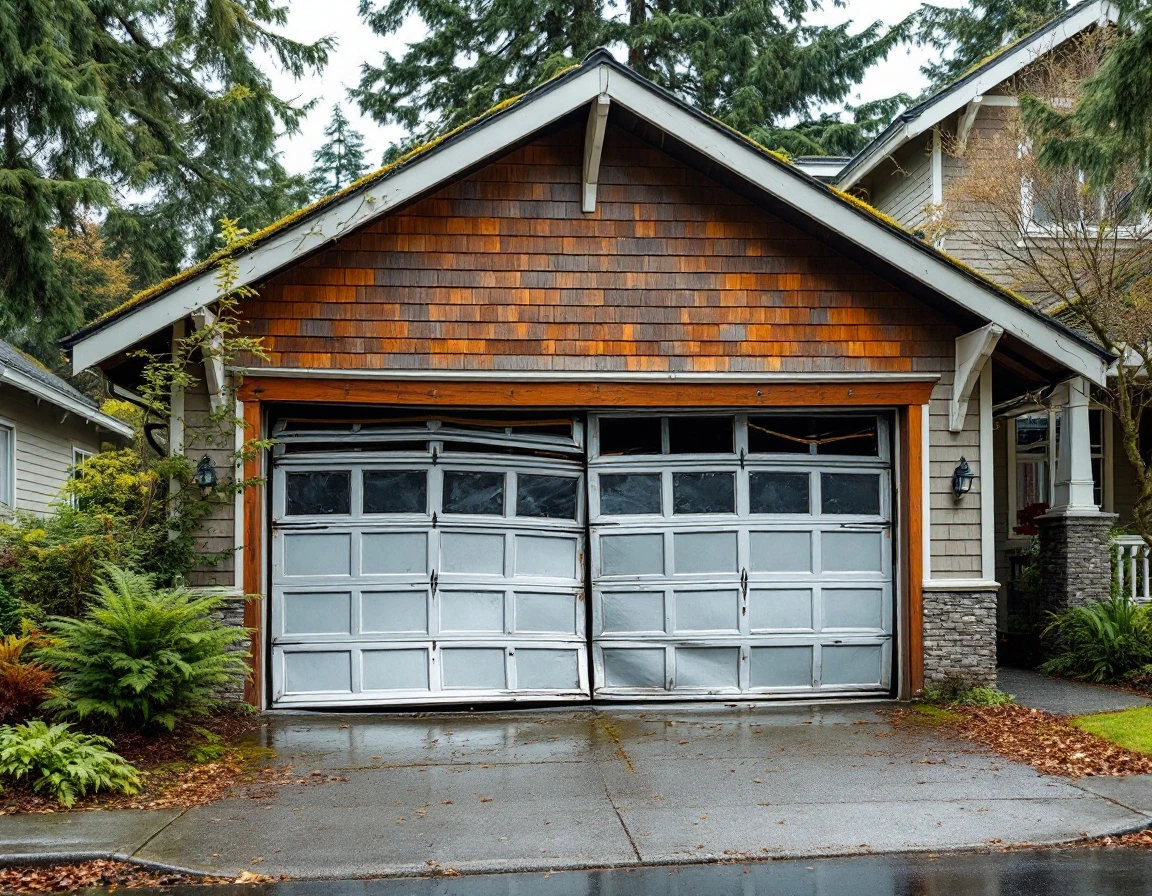
Most garage doors installed before 2000 lack the lateral bracing and seismic restraints needed to withstand sideways forces from earthquakes. These older doors were engineered primarily for vertical loads—the weight of the door itself—not the horizontal shaking that characterizes seismic events. When an earthquake strikes, these unbraced doors can pull away from the frame or collapse entirely.
What makes this particularly dangerous? Garage door failure often triggers structural cascade damage throughout your home’s frame. Since many Pacific Northwest homes use the garage as a load-bearing element of the overall structure, a collapsed garage door can compromise walls, roofing support, and even foundation integrity.
Pre-2000 doors represent the majority of vulnerable garage door stock in this region, putting thousands of homes at risk.
Three Critical Failure Points to Inspect
Before winter earthquake season arrives, walk through this inspection framework to identify whether your garage door can withstand seismic forces. A garage door seismic safety inspection takes about 20 minutes and requires just a flashlight and a stepladder.
- Header connection is where your door frame attaches to the home’s structure. A safe installation uses lag bolts or structural screws driven into solid framing, not just drywall or siding. Look for at least three fasteners per side penetrating wall studs. If you see gaps between the header and wall, or if the frame feels loose when you pull gently, your door lacks proper structural integration.
- Lateral bracing consists of diagonal metal struts running from the vertical door tracks to wall studs. These resist side-to-side movement during ground shaking. Most pre-2000 doors have no bracing at all—you’ll see vertical tracks attached only at top and bottom. Safe installations include angled supports creating triangular reinforcement patterns.
- Track anchoring determines whether your door guides stay attached during shaking. Count the fasteners: each vertical track section should have at least four anchor points into wall framing. Small nails or drywall anchors indicate vulnerability.
- Finally, check spring mounting brackets and cable drums. These components bear extreme stress during earthquakes. Mounting bolts should penetrate header framing, and cables must route through proper guides without fraying.
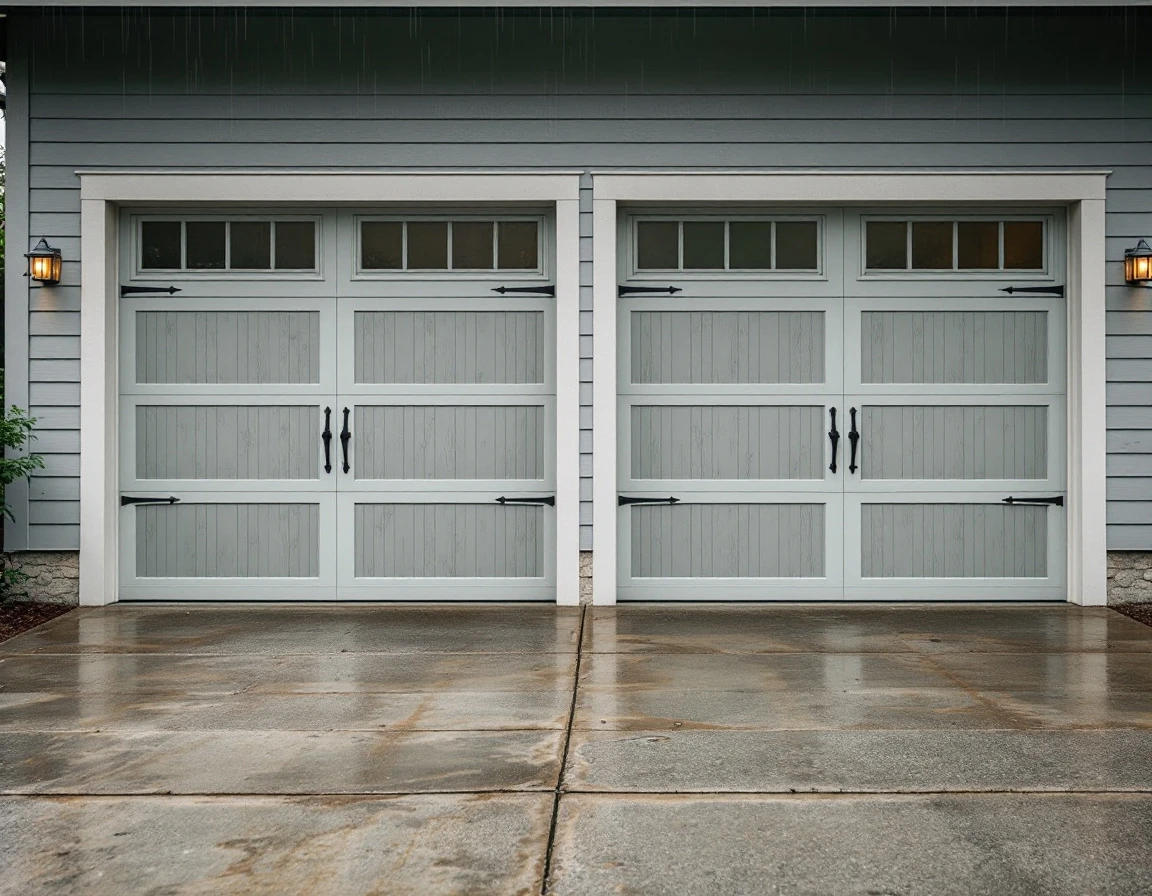
DIY Assessment Checklist
Set aside fifteen minutes to walk through these three inspection points before scheduling professional reinforcement. Start at the header: examine all bolts connecting the horizontal track to the frame, looking for loose hardware or gaps between metal surfaces. Missing or corroded fasteners signal immediate attention.
Next, check for diagonal lateral bracing running from the top corners of the door frame down to wall studs. These angled supports should be firmly anchored at both ends—wiggle them gently to test for movement. If bracing is absent or feels loose, note it for professional assessment.
Finally, inspect the vertical track anchors where they attach to wall framing. Look for rust staining around fasteners, stripped screw holes, or anchors mounted only to drywall rather than solid framing members. Any of these conditions require expert evaluation.
Three Reinforcement Steps for Fall: Earthquake Reinforcement Garage Door Oregon
Now that you’ve identified vulnerabilities, here’s your action plan to complete before October ends. Fall offers the perfect preparation window: mild weather makes installation easier, contractors still have scheduling flexibility before winter demand spikes, and you’ll be ready before the season when earthquake activity historically increases in our region.
- Step 1: Bolt the Header Frame Connection. Use approved seismic fasteners like Simpson Strong-Tie connectors to secure the header to the framing. Materials cost $40-$80 for DIY installation (2-3 hours), or hire a professional for $200-$400 including labor.
- Step 2: Install Lateral Bracing. Add metal angle bracing between the header and wall studs if your door lacks this protection. Expect $30-$60 in materials for a DIY project (3-4 hours), or $250-$500 professionally installed.
- Step 3: Anchor Tracks and Route Cables Properly. Replace corroded track anchors with galvanized fasteners and verify cable routing prevents tangling during seismic movement. DIY materials run $20-$40 (1-2 hours); professional service costs $150-$300.
Complete these steps by month’s end to protect your investment before winter arrives.
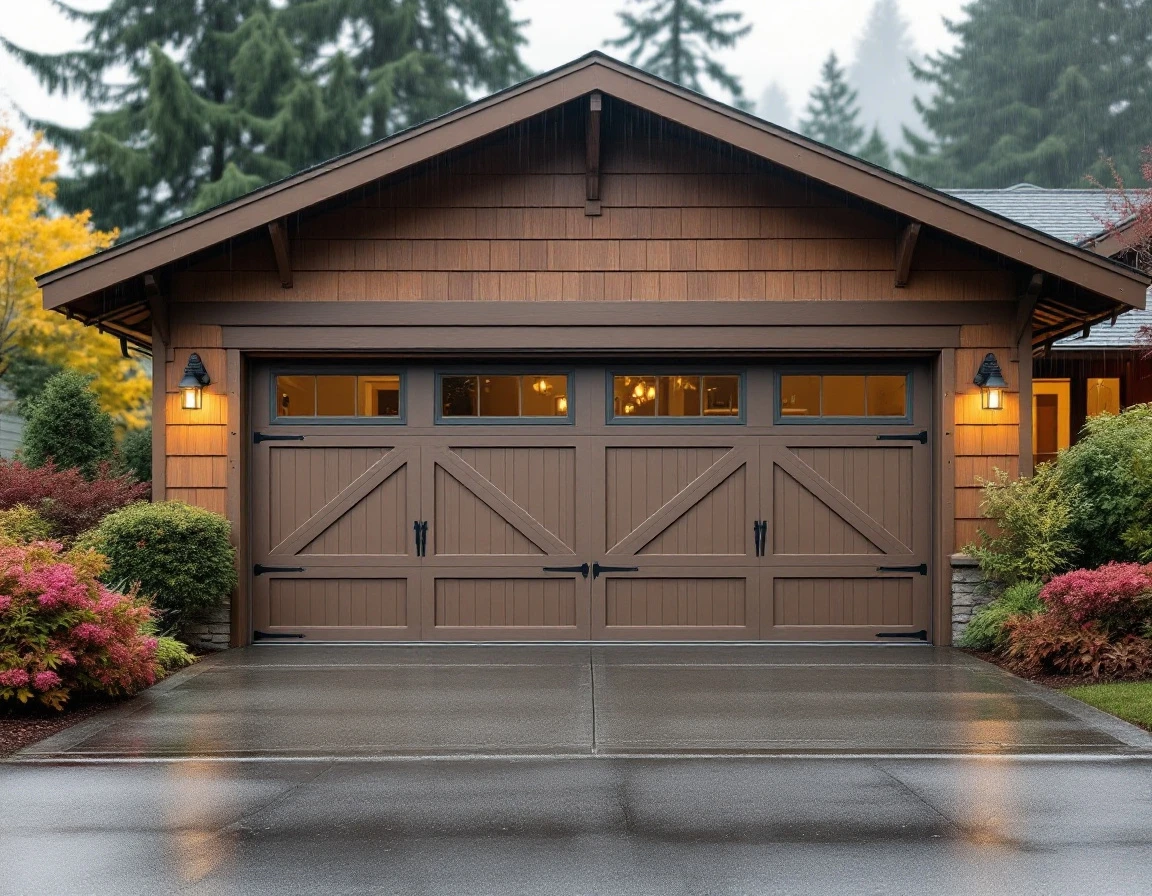
DIY vs Professional Reinforcement
Can you tackle these reinforcement steps yourself? If you’re comfortable drilling into framing and have a socket wrench, bolting the header and tightening existing fasteners are manageable weekend projects. Installing basic lateral bracing kits also falls within reach for confident DIYers.
Structural assessment and seismic code compliance verification, however, require professional expertise. For pre-1990 homes, engineers evaluate framing adequacy before reinforcement begins.
DIY materials remain affordable and accessible, while professional installation demands a larger investment depending on existing conditions.
Why hire a pro? Older garages often hide rot, undersized headers, or improper framing that DIY reinforcement can’t address. Professional assessment about garage door bracing earthquake safety means your October preparation actually protects your home when the next earthquake arrives.
Schedule Your Inspection Before Winter
October 2026 represents the final window to prepare before winter seismic season arrives and weather deterioration makes repairs more difficult. Why wait until an earthquake strikes during the season of highest seismic activity when you can address earthquake preparedness garage doors Washington and Oregon now?
A professional inspection takes just 1-2 hours and costs between $150-300—a modest investment that clarifies whether your garage door needs minor DIY fixes or professional reinforcement. The assessment removes guesswork and gives you a clear action plan customized to your specific door and home age.
Scheduling your inspection now helps you avoid the contractor shortage during the holiday season and potential weather delays that postpone reinforcement work. More importantly, completing reinforcement before winter means you won’t face emergency repairs after an earthquake when contractors are overwhelmed and material costs spike.
Contact Garage Harmony today to schedule your seismic inspection and get your garage door winter-ready before the ground starts shaking.