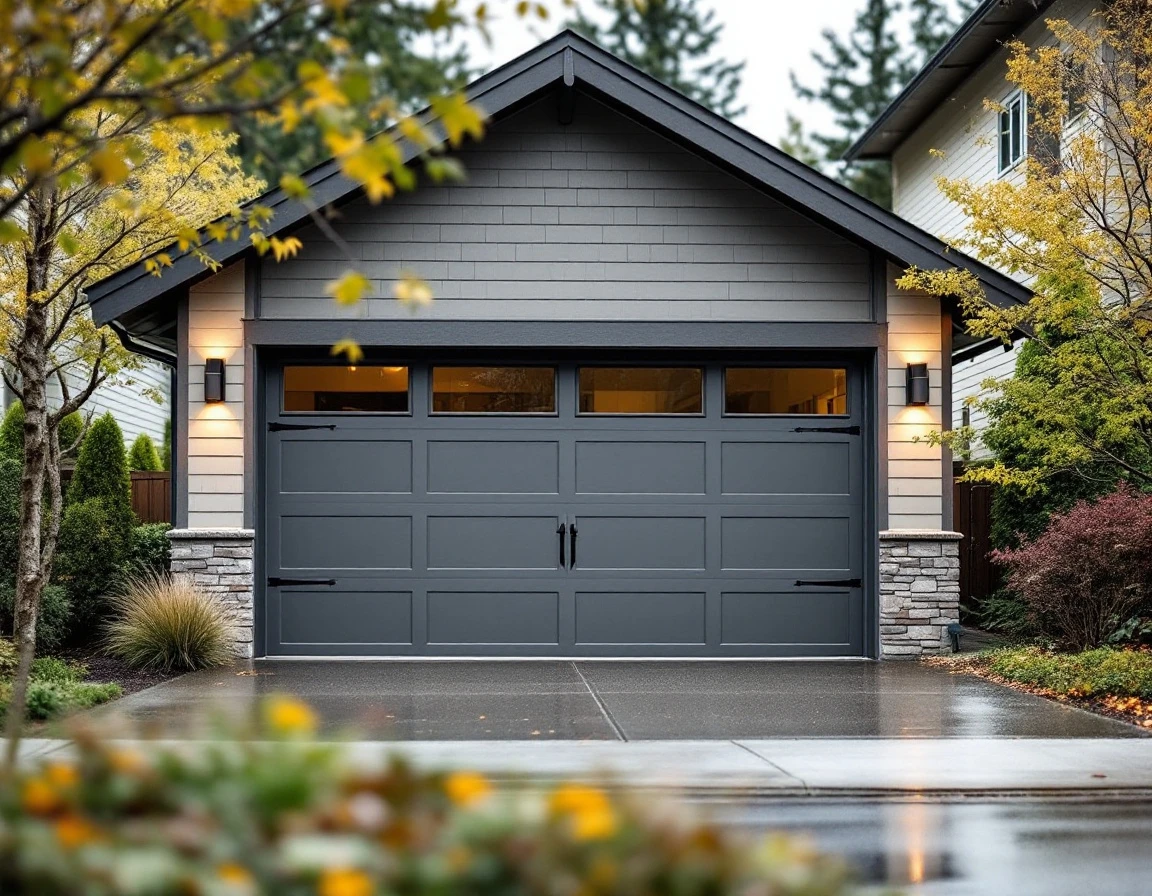
Spring Garage Door Maintenance Vancouver WA: Freeze-Thaw Damage Prevention
Vancouver’s spring weather creates a perfect storm for garage door damage. When temperatures swing between 34°F and 47°F—sometimes multiple times in a single day—metal components expand and contract repeatedly. This constant movement stresses springs, strains hinges, and causes rollers to lose their smooth operation. Spring garage door maintenance in Vancouver WA during these months directly prevents costly damage from freeze-thaw cycles that compromise your door’s integrity.
The newer construction garages along the I-205 corridor face particular challenges with freeze-thaw damage to garage doors. These homes often feature larger three-car doors with more moving parts, and their modern insulated panels can trap moisture against metal components during temperature swings. What starts as microscopic cracks in spring coatings or small gaps in weatherstripping compounds quickly during repeated freeze-thaw cycles.
Why does spring matter more than summer for inspections? Because undetected freeze-thaw damage accelerates when summer heat arrives. A weakened spring that survived winter can snap during hot weather. Compromised seals that seemed fine in April allow dust and pests inside by July.
Repair costs for these compounded failures regularly exceed $500, while catching issues during your spring inspection keeps repairs minor and affordable.
Five Critical Spring Inspection Points
Your spring garage door inspection should target the components most vulnerable to freeze-thaw damage. By checking these five areas now, you can identify problems while they’re still affordable to fix—before summer heat causes further deterioration.
1. Metal Components: Check for Stress Cracks and Warping
Examine all metal tracks, brackets, and hinges for hairline cracks or bends. Freeze-thaw cycles cause metal to contract and expand repeatedly, creating stress fractures that appear as fine lines near bolt holes or corners. Run your finger along track edges to feel for warping—tracks should be perfectly straight. In newer Vancouver construction along I-205, we often find stress damage where lightweight tracks meet heavy insulated doors.
2. Seals and Weatherstripping: Look for Gaps and Deterioration
Press the bottom seal against your garage floor. It should compress evenly without gaps. Check the weatherstripping along door edges for brittleness—frozen rubber becomes inflexible and tears easily. Pull gently on the seal; if pieces flake off or the material feels stiff, it needs replacement. Deteriorated seals let moisture into your garage and force your door opener to work harder. Winter damage to garage door seals often begins as small cracks that expand during spring temperature swings.
3. Door Balance and Alignment: Perform Simple Manual Tests
Disconnect your opener and manually lift the door halfway. A balanced door stays in place; an unbalanced door falls or rises. This test reveals spring tension problems caused by freeze-thaw metal fatigue. Also check that door panels align evenly—gaps between sections indicate hinge wear or panel warping from temperature stress.
4. Hardware: Tighten Bolts and Apply Lubricant
Use a socket wrench to check every bolt and bracket—freeze-thaw movement loosens hardware over time. Apply silicone-based lubricant to rollers, hinges, and springs. This prevents corrosion from spring moisture and means smooth summer operation. Skip the WD-40; it attracts dust and gums up moving parts.
5. Sensors and Opener: Verify Complete Function
Test your safety sensors by blocking the door path during closing—the door should reverse immediately. Check that your opener responds consistently to wall buttons and remotes. Temperature extremes affect sensor alignment and opener circuit boards. These safety systems must work perfectly before summer when kids play near the garage.
Tools and Supplies Checklist
You don’t need expensive equipment for a thorough spring garage door inspection. Most Vancouver homeowners already own the basic tools required for the five-point check.
- Inspection tools: a bright flashlight to examine track rollers and hinges, a socket set for tightening bolts, and your smartphone camera to document any damage you find
- Maintenance supplies: garage door-specific spray lubricant for metal components and silicone sealant for weather seals
- Safety items: work gloves, eye protection, and a sturdy ladder if your opener is ceiling-mounted
Total cost for items you might need to purchase? Plan a modest trip to your local hardware store. This small investment helps you catch problems early, avoiding repair bills that mount quickly when freeze-thaw damage goes unaddressed through summer.
DIY Inspection vs Professional Assessment
Can you spot visible damage, or does your garage door need expert diagnosis? DIY inspections excel at catching surface-level problems — rust on metal components, cracks in weather seals, and dried-out hinges. These visual checks cost nothing beyond your time and help you monitor the freeze-thaw damage common in Vancouver’s spring climate. A garage door inspection spring checklist gives you the structure to identify these issues systematically.
However, spring tension adjustments, structural cracks in panels, and sensor recalibration require professional expertise. Attempting these repairs yourself risks injury from high-tension springs and may void warranties on newer construction garage doors along the I-205 corridor. Professional service typically runs $150–$300, while DIY inspection costs stay between $0–$50 for basic supplies.
If your inspection reveals visible damage — bent tracks, cracked seals, or unusual door movement — call a professional before summer heat compounds the problem. Early detection through spring inspections prevents costly repairs that result from unchecked freeze-thaw stress.
Common Freeze-Thaw Damage Signs
Knowing what to look for helps you catch damage before it compounds. When temperatures drop below freezing, water seeps into micro-cracks in your garage door panels and seals. As it freezes, it expands, widening those cracks. When summer heat arrives, metal components expand and weatherstripping shrinks, opening gaps even further.
Start with your panels. Cracks in metal or composite panels typically appear first around corners where stress concentrates. These hairline fractures might seem minor in spring, but summer heat causes metal to expand unevenly around damaged areas, making cracks grow longer and deeper.
Check your weatherstripping next. Gaps or separation where rubber seals have pulled away from the door bottom or sides signal freeze-thaw damage. The rubber contracts when frozen, loses flexibility, and fails to spring back when temperatures rise. This creates entry points for rain and pests. How to protect your garage door from freeze-thaw damage starts with recognizing these warning signs early in spring.
Test your door operation. Stiff or grinding movement often indicates rust forming on hinges or rollers after freeze-thaw cycles compromise protective coatings. Finally, look inside for water stains on walls or floors near the door—these confirm seal failure that began with winter freeze-thaw cycles and worsened through spring.
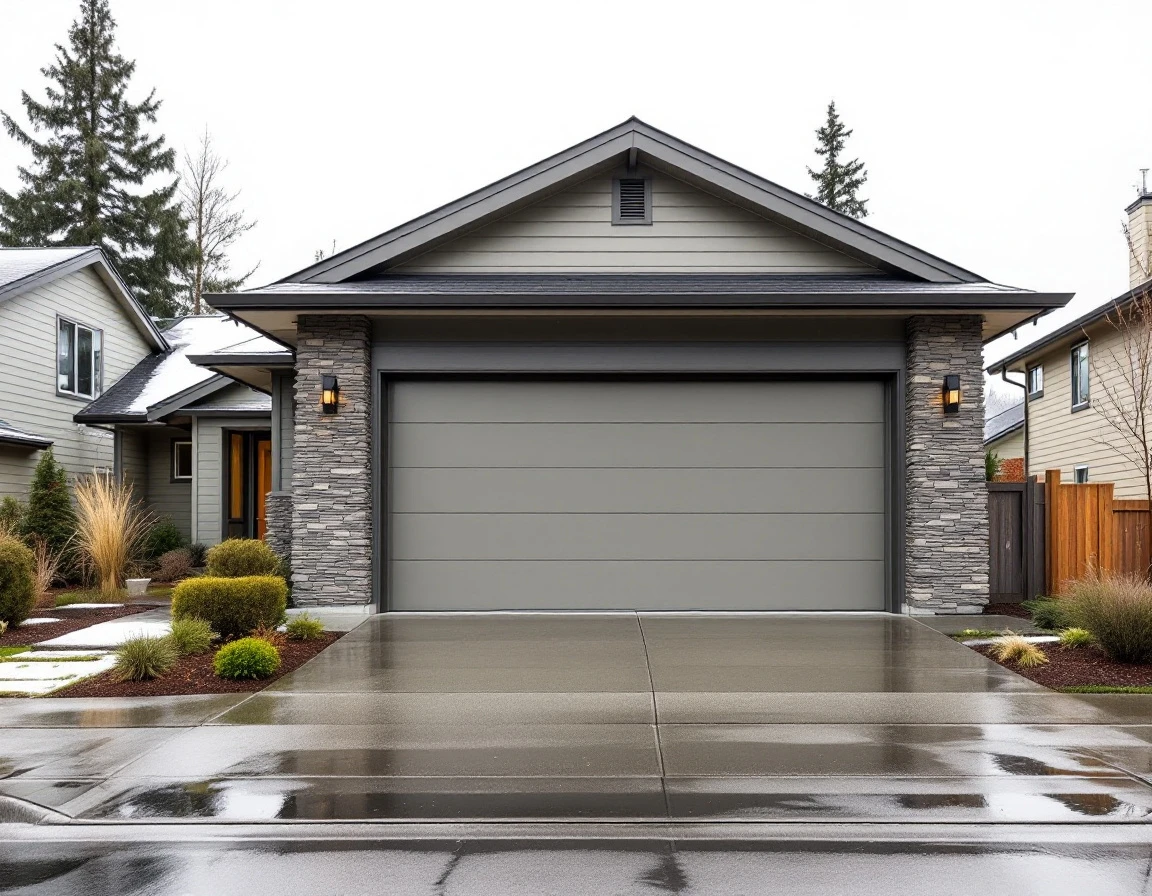
Preventing Recurrence After Summer
Once you’ve addressed spring freeze-thaw damage, protect your investment with simple quarterly maintenance habits. Apply silicone-based sealant to panel joints and weatherstripping gaps immediately after completing repairs—this creates a moisture barrier that prevents water infiltration during Vancouver’s next winter cycle.
Clean and lubricate weatherstripping every three months using garage door lubricant.
This four-times-per-year routine keeps seals flexible and prevents the brittleness that leads to cracking. Mark your calendar for quarterly checks in March, June, September, and December.
Schedule annual spring inspections as standard practice, just like furnace tune-ups. Monthly monitoring takes only five minutes: listen for new grinding sounds, watch for jerky movement, and test door balance. Address changes immediately—early detection prevents minor issues from escalating into $500+ repairs.
Contact Garage Harmony today if you notice persistent resistance, unusual noises, or visible damage during your monthly checks. Professional intervention now saves money later.