Why May Matters for Newer Garages
Battle Ground’s explosive growth from 2000 through the 2020s filled the area with modern homes featuring insulated garage doors and contemporary opener systems from brands like LiftMaster, Genie, and Chamberlain. These newer systems operate differently than the older mechanical doors found in pre-2000 homes, and they respond to Pacific Northwest weather in ways many homeowners don’t anticipate. Proper garage door spring maintenance Battle Ground WA homeowners perform in May prevents the freeze-thaw damage that accumulates during winter months.
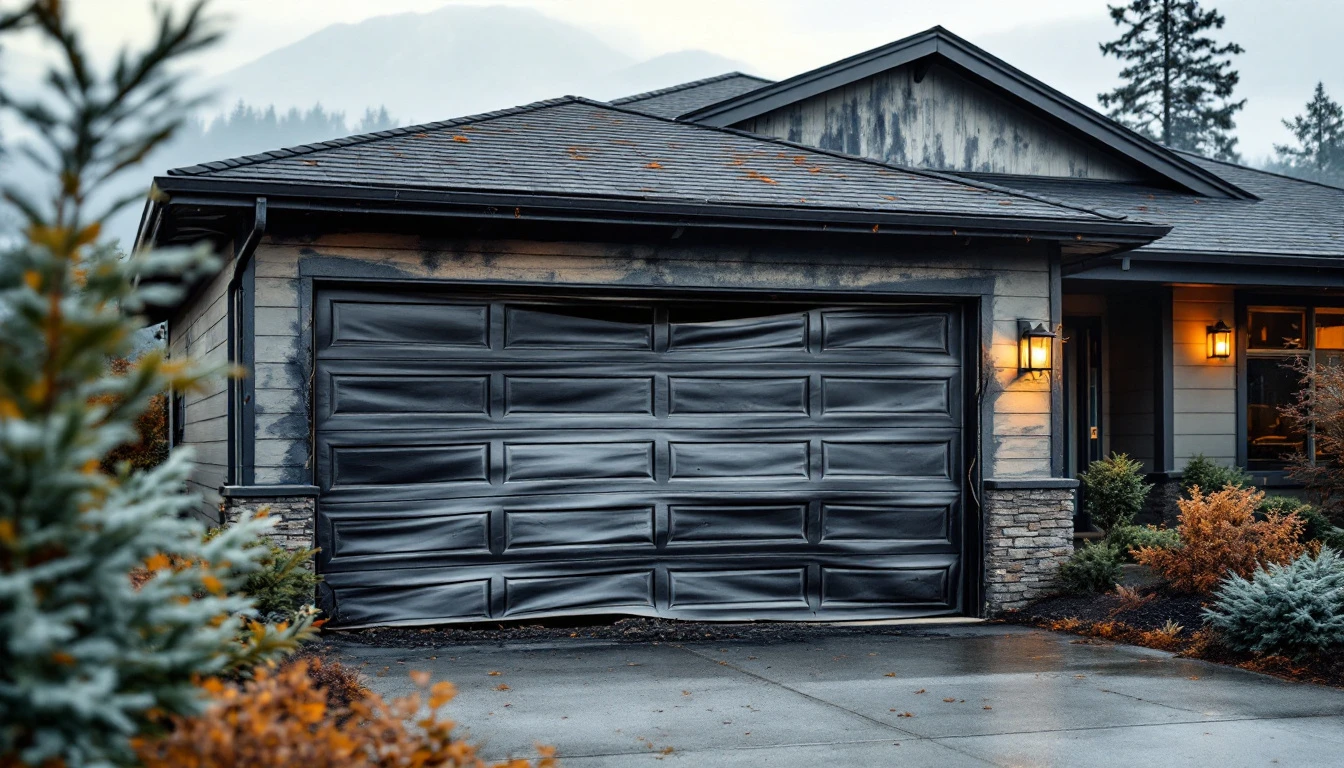
The freeze-thaw cycles that define our region create specific challenges for modern insulated panels and precision-engineered tracks. When temperatures drop below freezing overnight and warm during the day—a pattern Battle Ground experiences repeatedly from November through March—insulated panels expand and contract. Metal tracks shift slightly with each cycle. Unlike older single-layer steel doors that moved rigidly, today’s multi-layer insulated systems have tolerances measured in fractions of an inch. This repeated expansion and contraction can throw sensors out of alignment and create gaps in weather seals.
May presents the perfect maintenance window. Winter damage from freeze-thaw cycles is now visible: you can spot bent tracks, misaligned sensors, and cracked seals. Summer hasn’t yet arrived to strain your opener motor with daily heat exposure. You have time to address problems before temperatures climb and before next winter’s freeze-thaw cycle begins the process again. Plus, many manufacturer warranties for newer systems specifically require documented seasonal maintenance to remain valid.
Four Essential May Maintenance Tasks for Garage Door Spring Maintenance Battle Ground WA
May gives Battle Ground homeowners the perfect window to address winter damage before it escalates into emergency repairs. These four tasks target the most common failure points in modern insulated garage doors, focusing specifically on freeze-thaw damage that accumulates during Pacific Northwest winters. Grab a flashlight, socket set, and can of lithium-based lubricant spray—these checks take about an hour and protect your investment.
Task 1: Inspect Springs and Cables for Freeze-Thaw Damage
Start with your torsion springs mounted above the door. Look for rust patterns that appear as orange streaking or flaking—this indicates moisture penetrated the protective coating during freeze-thaw cycles. Check where cables attach to the bottom brackets for fraying or separation. Frozen moisture expands in cable strands, weakening their structure even after they thaw. If you spot rust deeper than surface discoloration or any broken cable strands, schedule professional replacement before the spring fails completely.
Task 2: Clean Tracks and Rollers Clogged with Spring Debris
Winter storms deposit tree debris, dirt, and moisture into your tracks. When this material freezes and thaws repeatedly, it creates abrasive sludge that grinds against rollers and warps the track alignment. Use your flashlight to inspect the entire track length, especially where vertical and horizontal sections meet. Wipe tracks clean with a damp cloth, then check each roller for smooth rotation. Nylon rollers should spin freely without grinding sounds. Steel rollers need a light coating of lithium spray on their bearings—never use WD-40, which attracts more debris.
Task 3: Test Opener Force and Safety Sensors
Ice buildup in tracks during winter forces your opener motor to work harder, potentially knocking calibration settings out of specification. Place a two-by-four flat on the ground under the door’s center. Press your wall button to close the door. The door should reverse immediately when it contacts the board—if it crushes the wood or hesitates, your force settings need adjustment. Next, break the sensor beam while closing. The door must reverse instantly. Modern openers installed in Battle Ground’s newer developments include these safety features as standard. But freeze-thaw cycles can misalign sensor brackets.
Task 4: Check Insulated Panel Seals and Weatherstripping
Examine where panel sections meet, looking for gaps or separated seals. Frozen moisture expands inside these seams, pushing panels apart and compromising your insulation barrier. Run your hand along the bottom weatherstripping—it should feel pliable, not cracked or brittle. Replace any weatherstripping that shows hardening or gaps. This single task prevents the most common energy loss issue in insulated doors and stops moisture infiltration that damages opener electronics.

Freeze-Thaw Damage in Modern Systems
Insulated garage doors in Battle Ground’s newer developments face unique freeze-thaw challenges. The polyurethane or polystyrene cores that provide thermal efficiency also act as moisture traps. During spring and fall’s temperature swings, condensation forms inside panel seams. When temperatures drop overnight, this trapped moisture freezes and expands, then contracts during daytime thaws.
This expansion-contraction cycle stresses panel joints and mounting hardware. More critically, it accelerates metal fatigue in torsion springs. These springs are engineered to precise tension specifications, and repeated thermal stress degrades the metal’s molecular structure faster than normal use alone. A spring designed for 10,000 cycles might fail at 7,000 when exposed to multiple freeze-thaw events.
Modern opener systems compound the problem. Today’s units include safety sensors and force-limit circuits calibrated for specific track alignment. When frost heave shifts foundation slabs or settling affects wall mounting points, tracks move out of alignment by fractions of an inch. Your opener’s safety system interprets this as an obstruction, triggering false stops or preventing operation entirely. Meanwhile, weatherstripping around door perimeters deteriorates under thermal stress, cracking and allowing water intrusion that feeds the freeze-thaw cycle.
Tools and Safety for DIY vs Professional
Understanding which maintenance tasks you can handle yourself and which require professional expertise protects both your safety and your newer garage door systems Battle Ground. Battle Ground homeowners with newer doors can confidently tackle three of the four May maintenance tasks with basic household tools.
- Safe DIY tasks: cleaning tracks with a degreaser and brush, testing safety sensors by blocking the beam to verify auto-reverse, and visually inspecting weatherstripping for cracks or gaps. These low-risk maintenance steps require no specialized tools and involve no high-tension components. You’ll need only cleaning supplies, a stepladder, and about 30 minutes of your time.
- Professional-only territory: spring tension adjustment, cable replacement, and opener motor calibration. Here’s why this distinction matters: torsion springs on contemporary insulated doors are under extreme tension—enough to cause serious injury if released improperly. Modern springs require specialized winding bars and torque measurements that match your specific door weight and balance requirements.
Your newer opener adds another layer of complexity. Contemporary systems feature electronic safety interlocks and force-adjustment sensors that work together to prevent entrapment. Improper force calibration can disable the auto-reverse function, creating a safety hazard that violates Washington State building code requirements.
The electronic control boards in modern openers are sensitive to voltage fluctuations during adjustment—one incorrect setting can trigger fault codes or damage components. When spring maintenance reveals worn cables, frayed ends, or adjustment needs, contact Garage Harmony. Our team has the calibrated tools and training to service high-tension components safely, protecting both your investment and your family.
Pacific Northwest Freeze-Thaw Protection
The Pacific Northwest’s unique climate pattern—where spring thaws alternate with late freezes and summer rain creates persistent humidity—creates moisture conditions that accelerate corrosion and garage door wear prevention freeze thaw cycles in garage door systems. Battle Ground’s modern insulated doors need targeted prevention strategies to withstand these conditions. By performing specific maintenance tasks in early May, before humidity rises and before next winter’s freeze cycle begins, you protect precision components from the moisture-driven damage that leads to costly repairs.
- Start with lubrication: apply silicone-based lubricants to springs, hinges, rollers, and hardware in early May. Avoid WD-40, which attracts moisture and creates sticky residue that traps water against metal surfaces. Silicone-based products repel water throughout the wet months ahead, preventing the rust blooming and corrosion that weakens springs and causes hardware failure.
- Next, inspect and seal weatherstripping gaps. Water infiltration through compromised seals creates ice dams during winter freezes, which stress door panels and tracks. Check weatherstripping along the bottom seal, between panel sections, and around the door frame. Replace any cracked, hardened, or loose sections before next winter arrives.
- Perform a visual inspection checklist: examine panel faces for soft spots indicating water absorption in the foam core, check seams for water stains that signal seal failure, and look for rust blooming on hardware that reveals ongoing corrosion.
- Finally, clean gutters and drainage around your garage foundation to divert spring melt away from the door area, preventing water pooling that seeps under bottom seals.

Next Steps: Schedule or DIY Timeline
The best time to complete these tasks is right now, before summer heat adds thermal stress to your garage door system. Create a simple May maintenance calendar that schedules all four tasks across the next few weeks—this approach spreads the work into manageable chunks and means nothing gets overlooked.
Battle Ground homeowners comfortable with basic maintenance can handle track cleaning and sensor testing themselves. These tasks require only common tools and pose minimal safety risk. However, spring and cable work should always go to professionals. Even if you tackle everything else on your own. Torsion springs hold extreme tension that can cause serious injury if mishandled, and spring failure happens suddenly without warning.
At minimum, schedule a professional spring inspection through Garage Harmony’s Battle Ground service this month. Our technicians can assess spring wear, adjust tension, and catch problems before they become emergency calls.
If you prefer handling the other tasks yourself, that’s perfectly fine—just document your completion dates. This documentation matters more than most homeowners realize. Recording when you cleaned tracks, tested sensors, and inspected weatherstripping validates warranty claims and helps future technicians understand your door’s maintenance history. May maintenance prevents summer emergencies and protects the investment you’ve made in your modern garage door system.