Sherwood Garage Spring Maintenance: Freeze-Thaw Damage in Modern Garages
The Tualatin Valley’s winter fog settles heaviest in Sherwood’s low-lying neighborhoods, creating conditions most homeowners don’t expect. When temperatures drop to freezing overnight and warm to 40°F by noon, that cycle repeats dozens of times between December and March. Your garage door system experiences this stress directly, making spring garage maintenance Tualatin Valley a critical task before summer arrives. Sherwood garage spring maintenance addresses the freeze-thaw damage that accumulates during winter months.
Modern attached garages built from the 1990s through 2020s face unique vulnerabilities. Two and three-car doors use heavier panels with more connection points where metal components expand and contract. Weatherstripping seals compress during freezing nights and relax during warmer days. Gradually losing their tight fit. The garage door opener motor works harder each cycle as lubricants thicken in cold temperatures and metal track sections shift position.
Why does this matter now? Most freeze-thaw damage stays hidden until June, when you suddenly need your garage door to work reliably. The opener motor that struggled through winter finally fails on a hot afternoon. Weatherstripping that loosened over months lets dust and heat pour into your garage.
A May inspection catches these problems while they’re still minor repairs rather than emergency service calls during summer heat.
Does your garage door hesitate when opening? That’s often the first sign of winter damage waiting to become a bigger problem.
Three Critical Spring Maintenance Tasks
Tualatin Valley winters leave behind specific damage signatures in modern garage door systems. Here’s what to inspect in May, before minor wear becomes summer failure.
Weatherstripping Inspection and Replacement
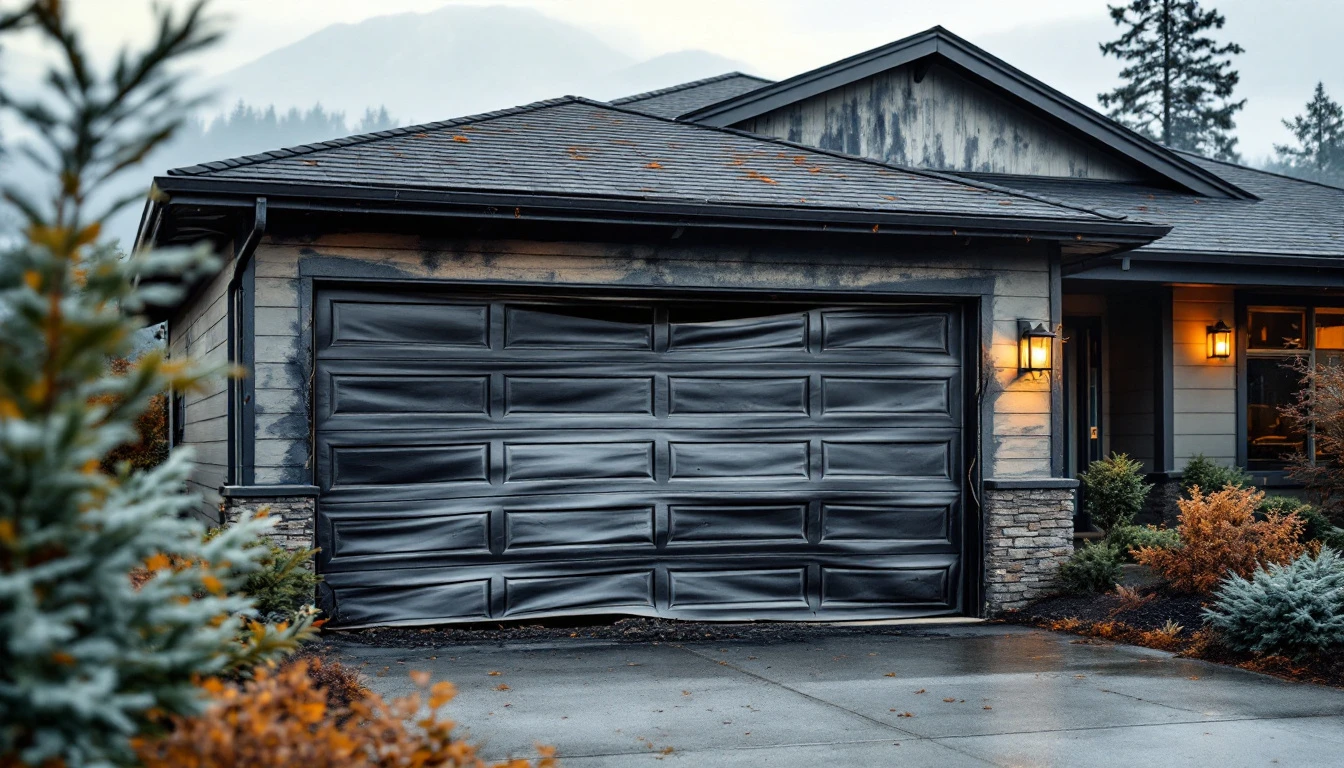
Check the rubber seal along your garage door’s bottom edge and the seals between door panels. Valley fog deposits moisture that freezes overnight, then thaws during the day. This cycle cracks weatherstripping and creates gaps.
Look for black rubber that’s turned gray and brittle, especially on north-facing garages common in Sherwood’s Woodhaven neighborhood. Press the seal with your thumb. If it doesn’t spring back, or if you see cracks and tears, replacement is necessary.
Bottom weatherstripping costs $20-40 for materials and takes about 30 minutes to replace yourself. Panel seals require removing the door from the track—that’s when you should call professionals. Fresh seals prevent water intrusion that corrodes tracks and damages stored items during spring rain. Garage door weatherstripping maintenance is one of the most effective ways to prevent ice damage and moisture problems.
Garage Door Opener Motor and Sensor Testing
Opener motors work harder during cold weather, straining internal gears and circuits. May is the ideal time to test system health before summer heat adds electrical stress. Modern garage opener maintenance spring checks help identify problems before they worsen.
Run your door through five complete open-close cycles. Listen for grinding sounds, watch for hesitation or jerky movement, and note any unusual vibration. These symptoms indicate gear wear from winter operation.
Test safety sensors by placing a cardboard box under the closing door. The door should reverse immediately. Valley fog leaves mineral deposits on sensor lenses that cause false readings. Wipe both sensors with a clean cloth and verify the indicator lights stay solid.
If your opener is more than 10 years old and shows hesitation, schedule professional inspection. Motor replacement before failure costs less than emergency service calls.
Track Cleaning and Lubrication for Larger Systems
Two and three-car garage doors weigh 300-400 pounds. Their tracks accumulate road salt, gravel dust, and moisture residue during winter months. This contamination increases friction and accelerates roller wear.
Vacuum both vertical and horizontal track sections, paying attention to the curved areas where debris collects. Wipe tracks with a damp cloth to remove sticky residue from freeze-thaw cycles.
Apply white lithium grease or garage door lubricant to rollers, hinges, and track contact points. Avoid WD-40, which attracts more dirt. Proper lubrication reduces opener motor strain and extends hardware life on these heavier door systems. Two car garage maintenance tips like this one prevent ice damage and extend component lifespan.
Weatherstripping Inspection
Start your weatherstripping inspection at the bottom seal where freeze-thaw damage appears first. Look for visible gaps between the seal and the concrete floor—valley fog moisture seeps into rubber, then expands during freezing cycles, creating permanent compression loss. Run your hand along the bottom seal while the door is closed; you should feel resistance, not air movement.
Check side and top gaskets for cracking or hardening. Tualatin Valley fog accelerates rubber degradation through repeated moisture absorption and cold-temperature stiffening. Press the gasket with your thumb—healthy weatherstripping rebounds quickly, while damaged material stays compressed or shows surface cracks.
Simple bottom seal replacement is a manageable DIY project requiring only a replacement seal kit, utility knife, and measuring tape. However, multi-car garage doors with complex seal geometry around irregular frames need professional attention. Our team handles installations where precise measurements prevent air leaks in larger systems common in Sherwood’s newer neighborhoods.
Opener and Sensor Testing
May’s warming temperatures put stress on garage door openers that already handled winter’s freeze-thaw cycles, especially in Sherwood’s modern two and three-car systems where motors manage heavier door panels. Test your auto-reverse safety feature monthly by placing a 2×4 board in the door’s path during closing. The door should reverse immediately upon contact. If it doesn’t, call a professional for opener adjustment.
Check sensor alignment by observing the LED indicator lights on both sensors mounted near the floor. Both lights should be solid, not blinking. Tualatin Valley’s winter fog deposits moisture that corrodes electrical connections inside opener housings, creating contact problems that won’t show up until warmer weather. Listen for grinding or laboring sounds when the door operates, which indicates motor strain from cold-stressed components.
Test your battery backup function if your opener has one. Disconnect power and operate the door to verify the backup engages. Visual inspection and sensor alignment are safe DIY tasks. Leave motor replacement and electrical diagnostics to trained technicians who can safely handle the high-voltage components.
DIY vs Professional Service
Some May maintenance tasks are perfectly safe for Sherwood homeowners to handle themselves. Inspecting weatherstripping, cleaning track debris, and visual checks of door balance require minimal tools—just a flashlight, household cleaner, and a soft brush. These tasks pose no safety risk and help you spot early signs of freeze-thaw damage common in Tualatin Valley garages.
However, opener motor diagnostics and sensor alignment require professional expertise. Valley fog deposits mineral residue on electronic components, creating failures that look simple but involve electrical troubleshooting. Attempting to adjust sensors without proper calibration tools often creates safety hazards rather than solving problems.
Garage door springs store extreme tension—enough to cause serious injury if released incorrectly. Freeze-thaw cycles stress these components in ways that make DIY replacement dangerous.
Track realignment on larger systems requires specialized tools and precise measurements that prevent binding and premature wear.
Attempting professional-level repairs yourself risks voiding manufacturer warranties on your opener and door components. When freeze-thaw damage creates complex mechanical issues in your garage system, the cost of professional diagnosis prevents expensive trial-and-error approaches that often make problems worse.
May Maintenance Checklist for Sherwood Garage Spring Maintenance
Before June arrives, complete this 30-45 minute inspection targeting freeze-thaw damage from Tualatin Valley’s winter fog and ice cycles. Work through each task systematically to catch problems before they become emergency failures.
- Weatherstripping inspection (10 minutes): Check all four sides of your door for gaps, cracks, or compression loss. Press the bottom seal against your garage floor—it should create a complete seal without crumbling.
- Opener and sensor testing (10 minutes): Test the auto-reverse function by placing a block under the closing door. Wipe sensor lenses clean and verify the indicator lights stay solid. Listen for unusual motor sounds that suggest strain.
- Track and hinge cleaning (15 minutes): Remove debris and dirt buildup from tracks and hinges. Look for rust spots or mineral deposits left by valley fog moisture. Apply garage door lubricant to all moving parts.
- Balance check (5 minutes): Disconnect the opener and manually lift your door halfway. It should stay in place without falling or rising. Listen for grinding, squeaking, or popping sounds that indicate worn components.
If your inspection reveals cracked weatherstripping, sensor misalignment, significant rust, or balance problems, schedule professional service now. May appointments are faster and more affordable than emergency calls during summer heat. Contact us today for a thorough assessment.