Freeze-Thaw Cycles in Tualatin Valley
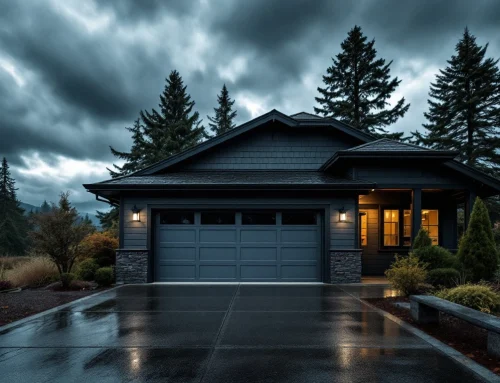
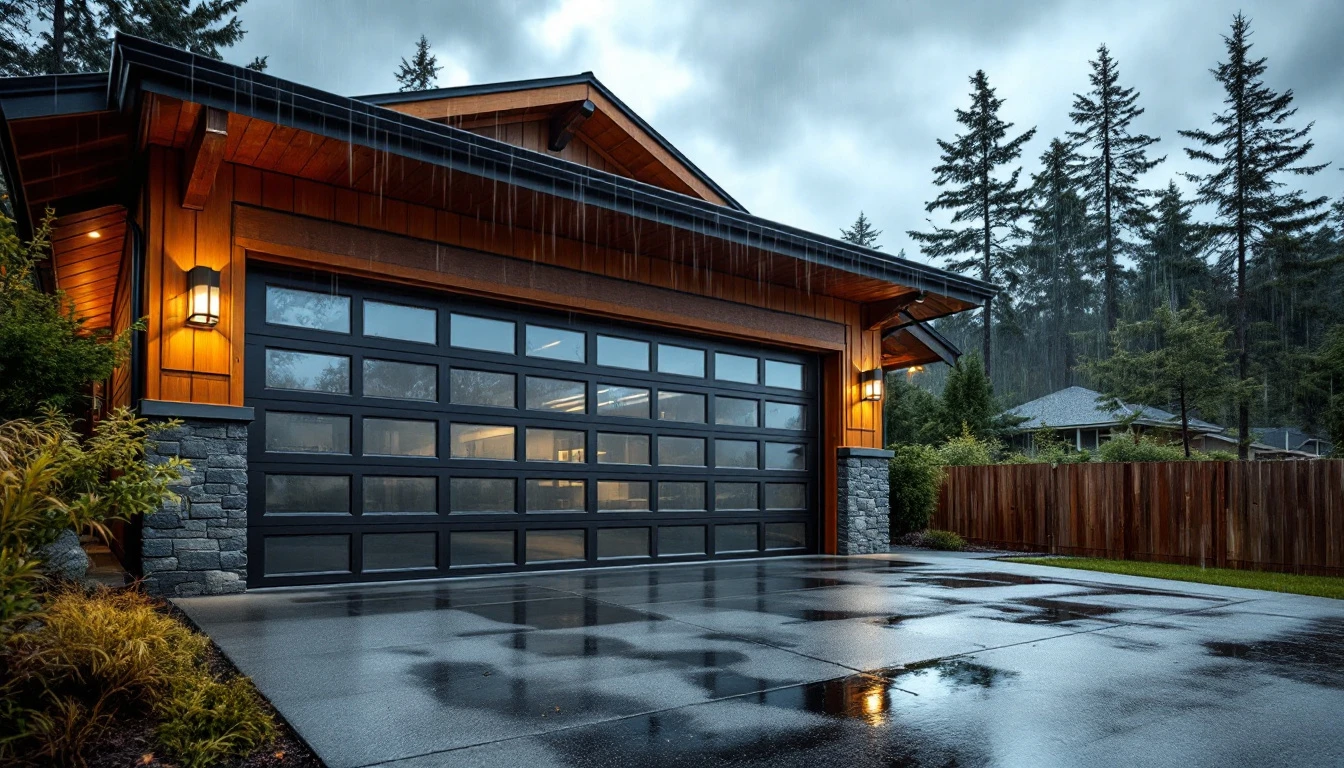
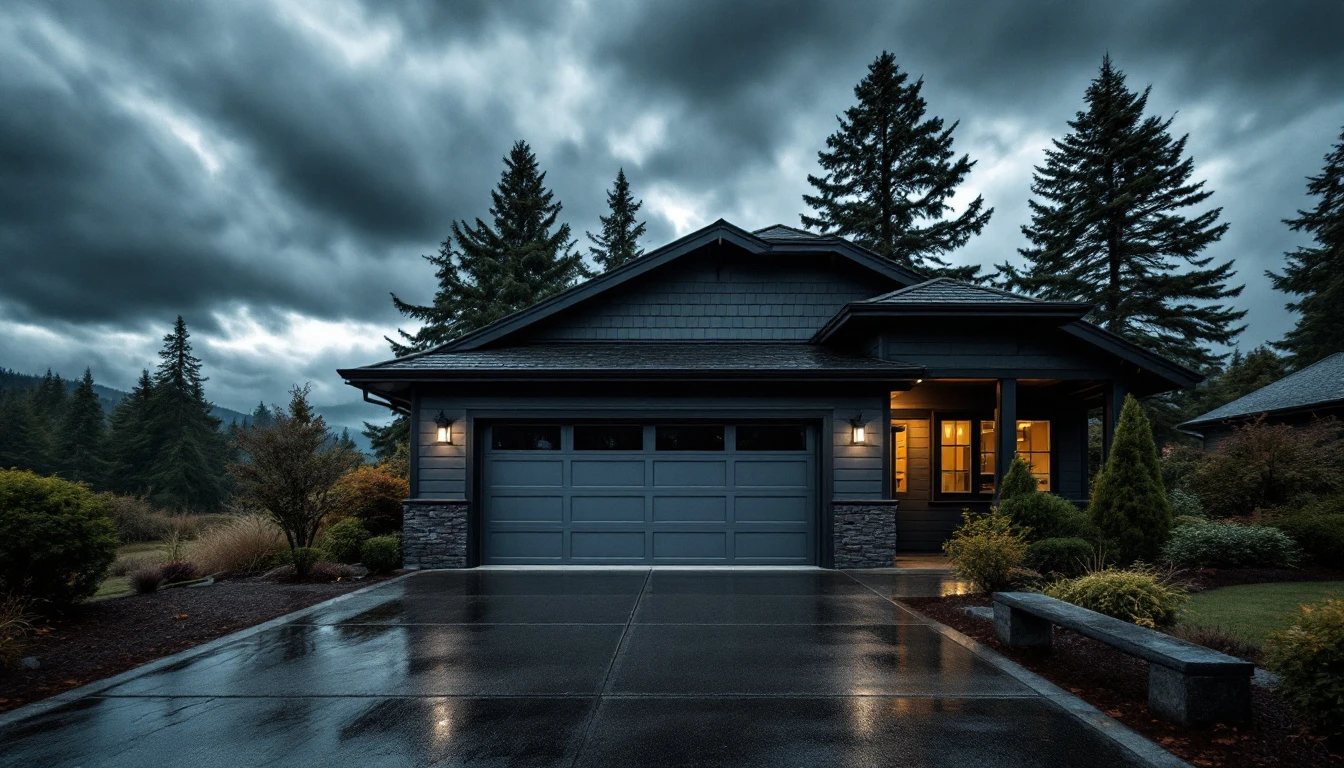
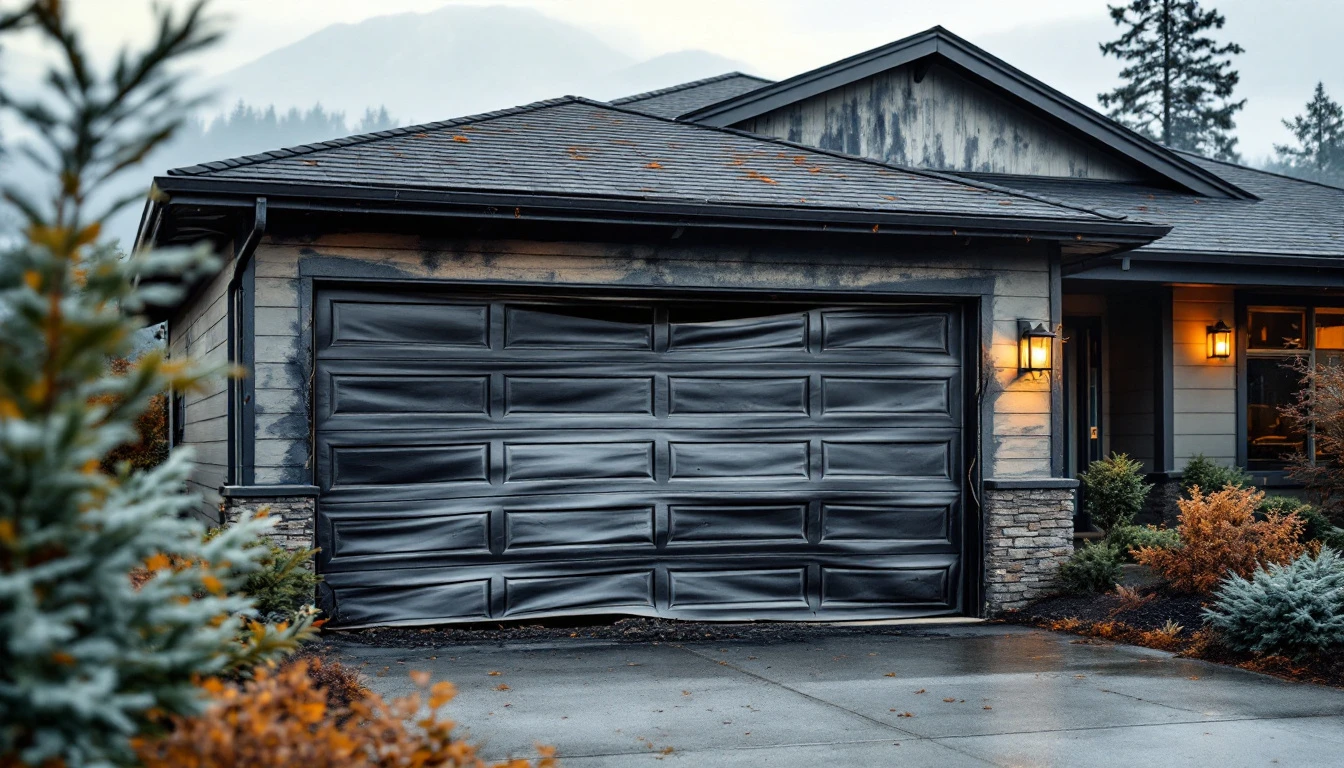
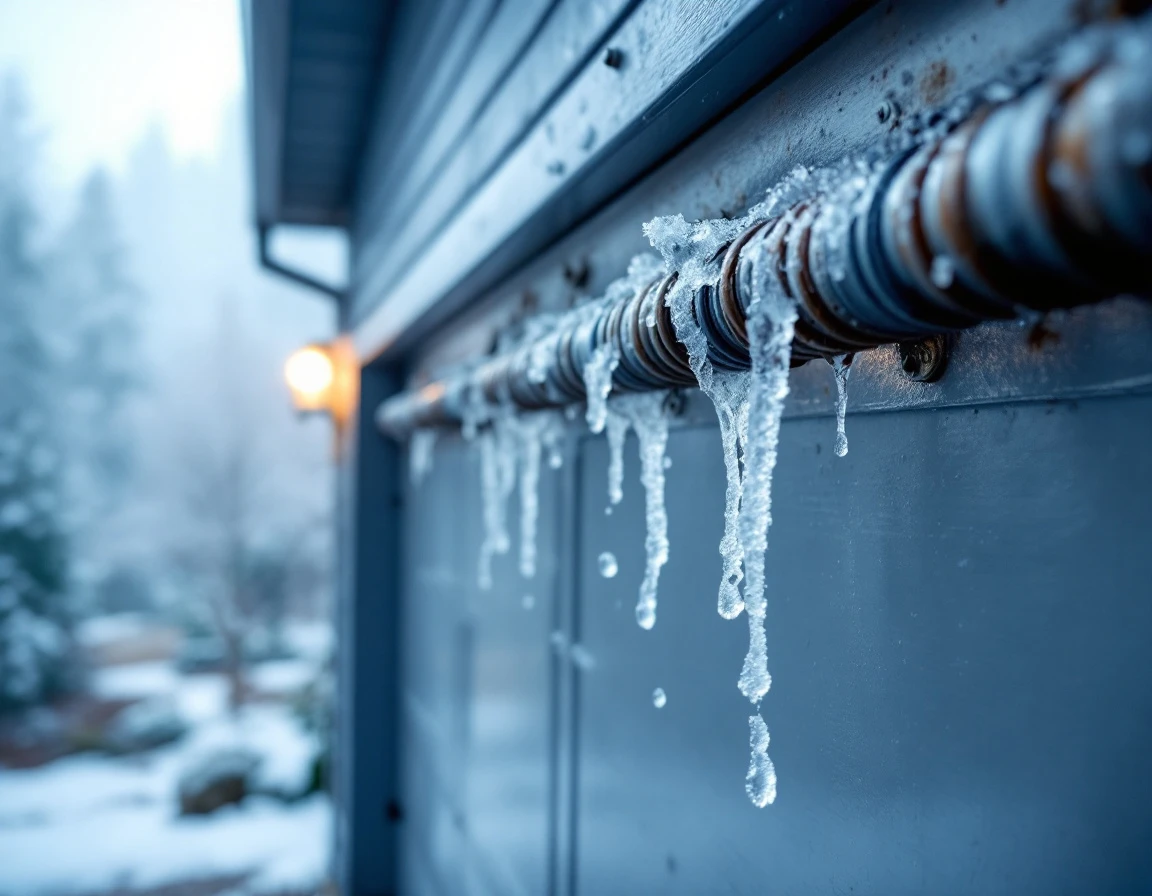
The Tualatin Valley floor sits at an elevation that makes freeze-thaw events a recurring winter reality. Unlike higher elevations that stay frozen or lower areas that rarely freeze, this region experiences repeated temperature swings between 32°F and 50°F throughout the wet season. Each cycle forces garage door springs to expand and contract, gradually weakening the metal’s elasticity and bringing these critical components closer to failure. For homeowners planning Sherwood garage door winter maintenance, understanding these freeze thaw cycles in Tualatin Valley is the first step toward prevention.
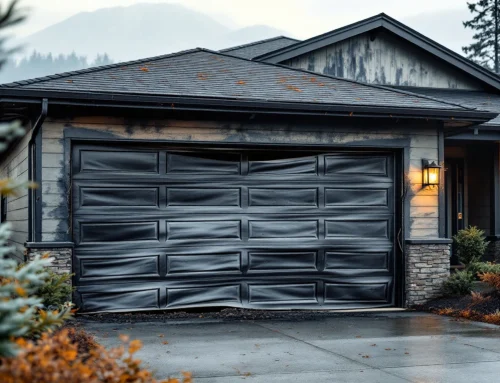
Valley fog and persistent winter moisture create another layer of stress. Water vapor settles on exposed metal components overnight, and when temperatures drop, this moisture penetrates microscopic surface imperfections. As temperatures rise during the day, the freeze-thaw action accelerates rust formation and makes springs increasingly brittle. This environmental assault happens silently, week after week, until a spring snaps without warning.
For Sherwood homeowners protecting valuable properties, this isn’t just inconvenience—it’s a preventable expense. Emergency spring replacement becomes costly when you factor in service calls during cold weather. Understanding these regional weather patterns helps you time maintenance checks before winter arrives, protecting your investment through simple prevention rather than expensive crisis response.
Three Winter Vulnerabilities
Sherwood’s winter weather attacks your garage door system through three distinct failure modes, each with its own timeline and warning signs. Understanding these vulnerabilities helps you recognize problems before they escalate into emergency repairs.
Moisture intrusion happens first. Water seeps through worn weatherstripping and door seals, working its way into spring mechanisms and track assemblies. You’ll notice this when you see rust spots on springs or hear grinding sounds as rollers move through damp tracks. The damage accelerates during freeze-thaw cycles—water freezes, expands, and forces components apart. Springs don’t fail instantly; they lose tension gradually over weeks until they finally snap under normal operation.
Spring brittleness becomes critical when temperatures drop below freezing. Metal loses elasticity in cold weather, making springs more prone to sudden failure rather than gradual wear. A spring that functioned perfectly at 50°F can crack at 28°F when asked to lift the same door. Watch for doors that hesitate before opening or drop faster than normal when closing—both signal springs losing their elastic properties.
Opener strain develops as temperatures fall and lubricants thicken inside the motor assembly. Cold grease forces the motor to work three times harder to move the door, generating excess heat and wearing gears faster. Listen for motors that grind, struggle, or run longer than usual. These sounds precede complete failure by days or weeks, giving you time to schedule maintenance before you’re locked out on a January morning.
Pre-Winter Inspection Checklist for Sherwood Garage Door Winter Maintenance
Set aside 20-30 minutes in late October or early November to inspect your garage door before Sherwood’s first freeze arrives. This simple checklist helps you catch problems when they’re still manageable and prevents emergency repair calls during ice storms.
Visual Inspection: Springs, Cables, and Rollers
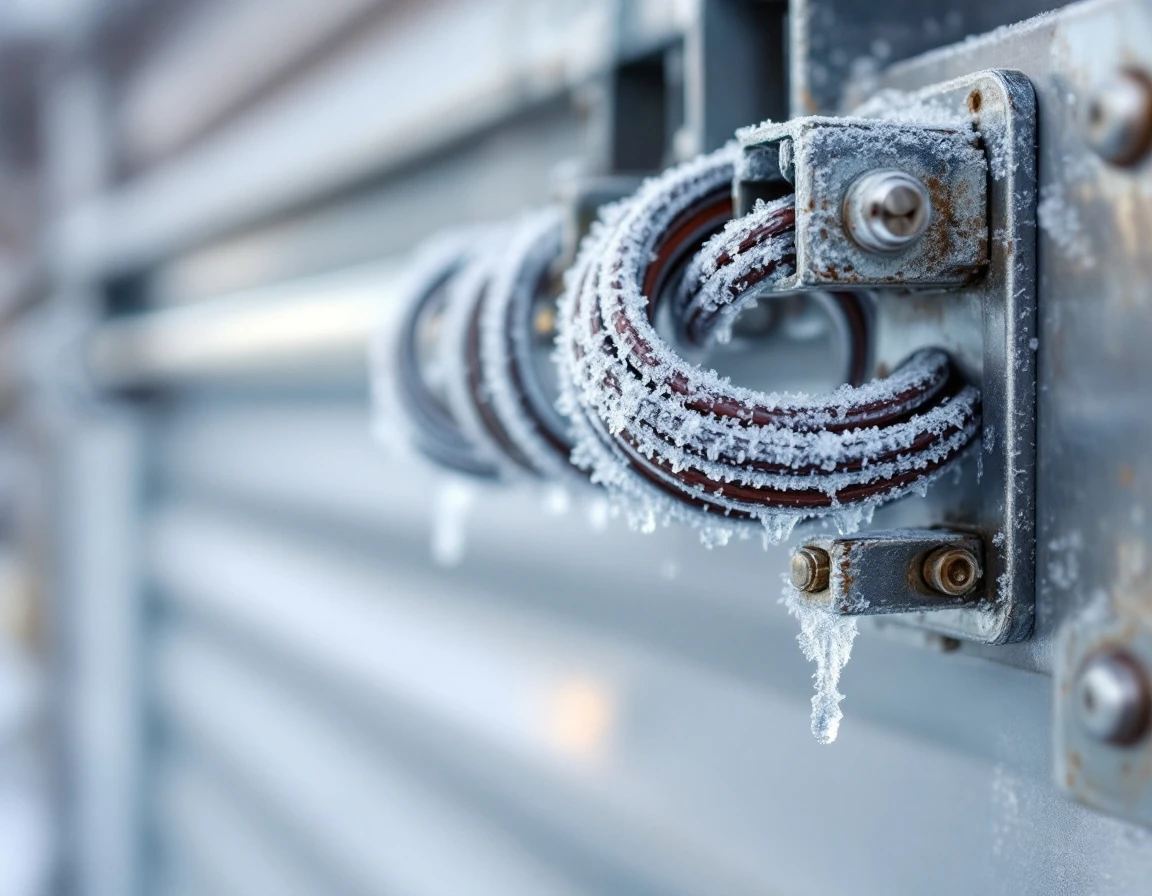
Start at the top of your door with the springs. Look for rust spots, surface corrosion, or separation gaps in the coils. Shine a flashlight along each cable from the bottom bracket to the drum—frayed wires or rust streaks mean the cable is absorbing moisture. Check each roller where it meets the track: if you see pitting, rust, or the wheel no longer spins freely, moisture has already compromised the bearing.
Decision point: Surface rust you can wipe away is manageable with lubrication. Deep rust that flakes off or visible cable damage requires a professional replacement before winter.
Weatherstripping and Seal Integrity
Close your door completely and walk around the perimeter with a flashlight in the dark—light gaps show where moisture enters. Press the bottom seal with your thumb; if the rubber feels stiff or cracked rather than flexible, it won’t block water. Check the seal between door sections for similar brittleness.
Opener Operation and Lubrication
Run three full open-close cycles. Grinding sounds, jerky movement, or the door stopping mid-travel indicate opener strain or dry components. Touch hinges and track—if they feel dry or gritty, November is your last chance to lubricate before cold weather thickens old grease and forces your opener to work harder.
DIY Maintenance Tasks
Four simple tasks protect your garage door from Tualatin Valley’s wet winters without requiring specialized skills:
- Weatherstripping replacement. Peel away cracked foam or rubber seals along door edges, measure the channels, and press new material into place. This 20-minute job stops moisture from reaching springs and rollers.
- Clean your tracks thoroughly. Use a stiff brush to remove dried mud (common on Sherwood’s gravel driveways), leaves, and ice buildup that can bind the door mid-cycle. Wipe tracks with a dry cloth afterward. Allow 15 minutes per side.
- Lubrication. Apply silicone spray to hinges, rollers, and springs—never petroleum-based oil, which thickens when temperatures drop below 40°F. This reduces opener motor strain during cold snaps and is essential for winter garage door care in Sherwood Oregon. Takes 10 minutes.
- Balance test. Open your door halfway and release it. A properly tensioned door holds steady rather than creeping downward, which signals spring wear.
Total investment? About $30 in supplies and 90 minutes of your time—far less than emergency repairs during winter storms.
When to Call a Professional
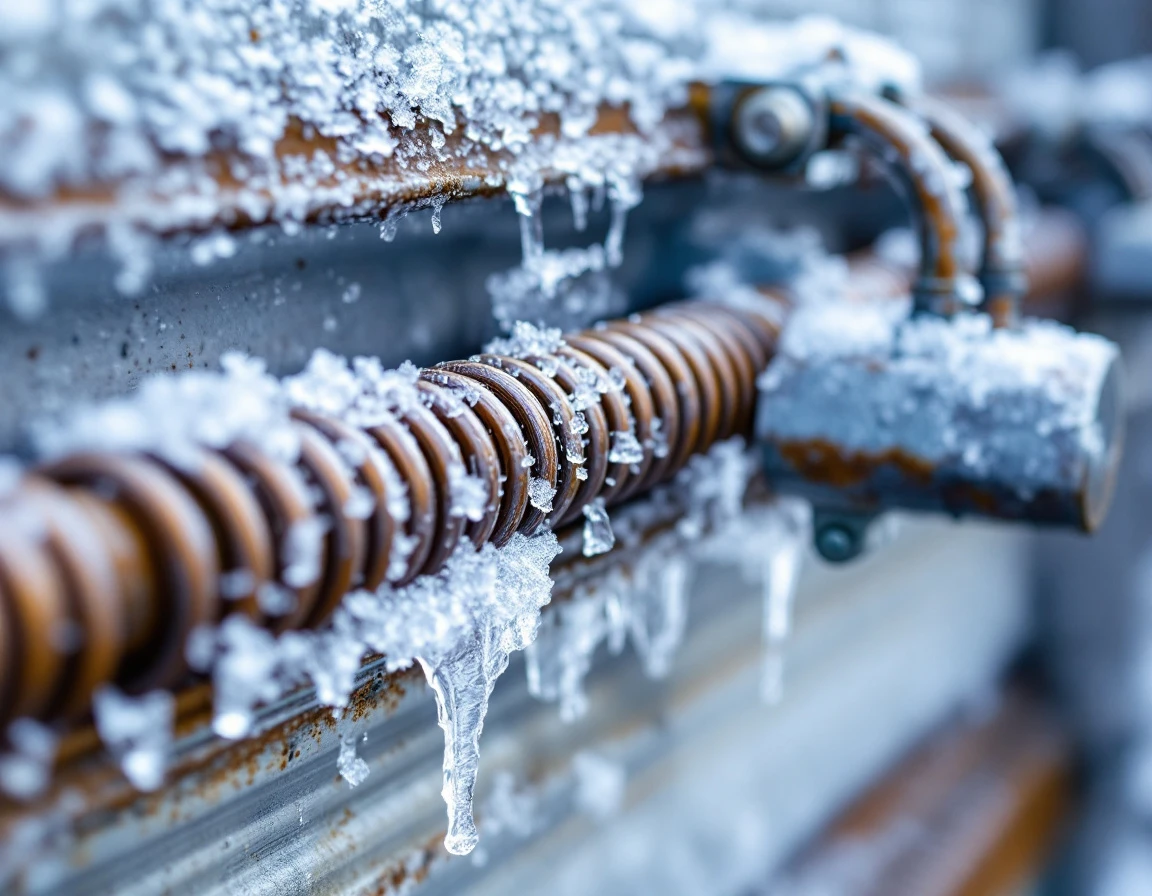
Some garage door problems are non-negotiable safety issues that require immediate professional help. Damaged springs and cables are under extreme tension—they can snap with enough force to cause serious injury or property damage. If you see visible rust, cracks, or uneven gaps in your springs, call a technician before the door fails completely.
Loss of balance is another red flag. If your door won’t hold halfway open or drifts downward when you release it, the spring tension has failed. Similarly, grinding noise or loud operation from your opener suggests internal motor wear or damaged gears that will worsen quickly.
Here’s the cost trade-off: a spring inspection and repair in the fall prevents an emergency replacement in winter when your door won’t open and Tualatin Valley weather makes every trip dangerous. When you call, use clear language: “My door won’t balance” or “I hear grinding from the opener” helps technicians prepare the right parts.
Action Plan: November Deadline
Schedule your garage door inspection during late October or early November, before Sherwood experiences its first frost. This timing matters because once temperatures consistently drop below freezing, outdoor maintenance becomes difficult and emergency repairs cost more when technicians work in harsh conditions.
Set aside a single 90-minute session to complete the four DIY tasks we’ve covered: replace worn weatherstripping, clean both tracks thoroughly, apply silicone lubricant to moving parts, and test door balance. Take photos of anything that concerns you—frayed cables, rust spots on springs, or gaps in seals. This documentation helps if you need to contact a technician later.
If you spotted any red flags during your inspection, contact a local Sherwood garage door technician immediately. Don’t wait until December when service schedules fill up and cold weather makes repairs more urgent. A preventive service call now protects your $400K+ property investment and prevents thousands in emergency winter repairs.
Mark your calendar for a quick mid-January check after major freeze-thaw events hit the Tualatin Valley. Garage Harmony serves Sherwood homeowners with the expertise you need to keep your garage door running smoothly through winter. Get in touch with us today!