Environmental Damage to Rural Garage Doors in Cornelius
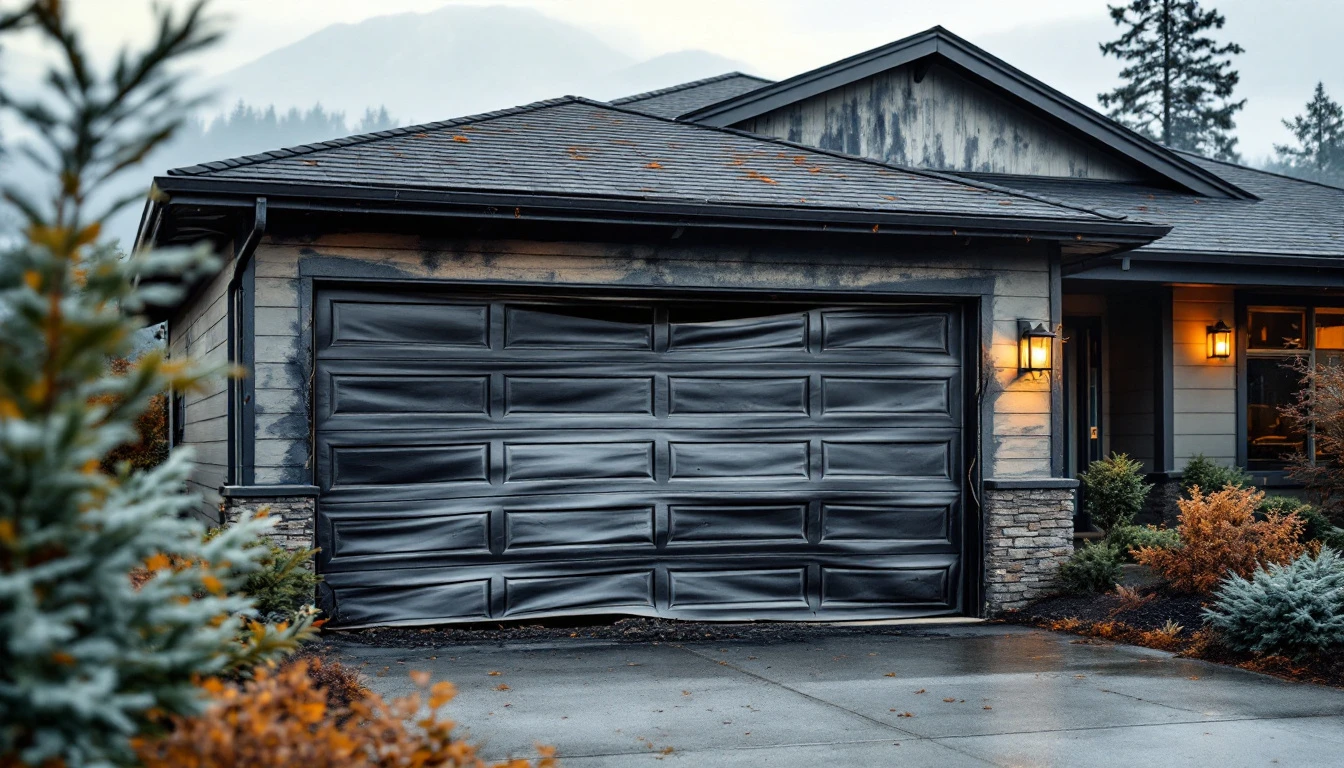
Your rural Cornelius garage door faces environmental conditions that suburban Portland systems never encounter. Three environmental stressors can cut its lifespan by 2–3 years. Understanding these stressors helps you plan maintenance before problems hit. This isn’t about minor inconvenience—it’s about how freeze-thaw cycles, gravel driveways, and agricultural equipment weight combine to overwhelm standard residential components.
Freeze-thaw cycles create the most damaging force. Temperature swings freeze and thaw your springs. A rural Cornelius property gets 15–20 more freeze-thaw cycles annually than suburban Portland. That’s the dense morning fog and cold nights working against you. Each cycle introduces microfractures in spring coils. Over two to three winter seasons, these fractures accumulate into metal fatigue that causes springs to snap without warning.
Gravel and mud driveways compound this damage. Unlike paved suburban driveways, rural access roads kick up debris that embeds in track channels and roller bearings. Mud carries corrosive salts and moisture that accelerate rust formation on hardware. Misaligned tracks from gravel impact force the opener motor to work harder, wearing out gears and drive mechanisms.
Agricultural equipment weight creates the final stress point. A tractor weighs 5,000–8,000 pounds. Hay bales, grain storage, and seasonal equipment push garage systems designed for 12-foot sedans far beyond their rated capacity. Heavy equipment pushes your springs harder. That tension speeds up metal fatigue that winter temperatures already started. The combination hits faster than either problem alone.
Spring Failure Patterns from Garage Door Springs Freeze-Thaw Cycles
Did you know your springs might reach only half their expected lifespan? Torsion springs rated for 10,000–15,000 cycles drop to 5,000–7,000 cycles in Cornelius freeze-thaw conditions. That’s how quickly winter temperatures wear them out. The problem starts with overnight temperatures dropping below freezing, then climbing back above freezing during the day. This constant expansion and contraction creates microscopic cracks in the spring metal, weakening the structure from the inside out.
Extension springs face an even more immediate threat. When temperatures drop below freezing, these springs lose tensile strength, causing doors to sag mid-season. A door that balanced perfectly in September suddenly won’t stay open in January. The cascade effect begins here: corrosion from wet conditions combines with temperature stress to weaken the metal. Weakened springs can’t properly counterbalance the door, leading to uneven wear on tracks and rollers. Mud and gravel from rural driveways compound the problem, forcing compromised springs to work harder against increased friction.
Here’s where the real problem hits: when equipment can’t get in or out during harvest, your whole operation stops. Emergency repairs cost $1,500–$3,000 in the middle of winter—double or triple the price of planned upgrades. That’s why planning ahead with Garage Harmony matters.
Prevention costs less than reaction.
Three Upgrade Tiers for Agricultural Equipment
Which upgrade tier makes sense for your operation? It depends on whether you need seasonal access, year-round reliability, or mission-critical equipment protection. Let’s walk through the options so you make the right choice for your Cornelius farm.
Tier 1: Standard Maintenance Path
Tight budget? Seasonal equipment storage? Residential springs with bi-monthly inspection can work. You’ll get one to two extra years before replacement. But here’s the reality: you’ll need discipline. This tier requires you to check spring tension, lubricate rollers and hinges every two months, and watch for early corrosion signs. Upfront costs run $400–$800 for residential spring replacement in Washington County. Expect a six- to eight-year lifespan with diligent maintenance, and know this tier supports lighter equipment like lawn tractors and utility vehicles.
Tier 2: Seasonal-Rated Springs
Year-round equipment operators should consider commercial torsion springs rated for freeze-thaw cycles, with annual spring replacement schedules. These springs use powder-coated steel that resists the moisture penetration ca…uses premature failure. Regional costs range from $900–$1,400 including installation. This tier handles mid-weight agricultural equipment like compact tractors and hay equipment, preventing mid-season breakdowns when you need reliable access most.
Tier 3: Heavy-Duty Equipment Storage
Properties storing grain bins, large tractors, or heavy implements need agricultural building garage doors with reinforced frames, commercial openers rated for continuous cycles, and sealed bearing hardware. These systems feature thicker gauge steel, wind-rated construction, and components protected from gravel dust intrusion. Expect $2,500–$4,500 installed, but these systems last twelve to fifteen years even under harsh rural conditions.
Your decision framework:
- Choose Tier 1 if you access equipment seasonally and can commit to regular maintenance
- Select Tier 2 for year-round operation where downtime costs exceed the upgrade investment
- Invest in Tier 3 when equipment value or operational demands make failure unacceptable
Tier 1: Maintenance-Intensive Standard Systems
This baseline option preserves your existing door and springs while investing in preventive care to extend their working life. Standard residential springs rated for 10,000–15,000 cycles typically last 5–7 years in Cornelius conditions—meaning most systems will fail by fall 2026 without intervention. A disciplined maintenance schedule can delay that timeline: lubricate chains and rollers every 6–8 weeks, clear mud and gravel from tracks monthly during winter, and inspect springs for corrosion quarterly.
Upfront costs run $800–$1,500 for spring replacement and hardware upgrades, with ongoing maintenance expenses of $200–$400 per year. This tier makes sense only if you store lightweight equipment and accept planned spring replacement every 6–7 years. For most Cornelius farms, Tier 1 delays emergency repairs but doesn’t prevent them—freeze-thaw cycles and gravel wear will eventually overwhelm standard components despite your best maintenance efforts.
Tier 2: Seasonal Garage Door Maintenance and Spring Systems
Tier 2 strikes the balance between cost and performance. By upgrading to commercial torsion springs rated for 20,000+ cycles, you get agricultural-grade hardware that withstands freeze-thaw stress and seasonal equipment weight. These springs feature thicker wire gauges, heat-treated metal that resists fatigue, and corrosion-resistant coatings that hold up in Cornelius weather. The result? A failure rate that trails standard residential springs, extending your planning cycle to 8–10 years instead of scrambling for repairs every few seasons.
This tier works well for farms with seasonal hay or grain storage and occasional tractor use. You’ll need annual spring inspections and should budget for replacing one spring every 2–3 years, since paired springs wear at different rates. Upfront costs run $2,200–$3,500 for heavy-duty springs plus professional installation, with annual maintenance running $300–$500.
That $3,000 investment saves roughly $2,000 in emergency repairs over three years by preventing the sudden failures that leave equipment stranded outside.
Tier 3: Commercial-Grade Equipment Doors
Tier 3 represents a complete system replacement with agricultural-grade doors built for intensive equipment storage. These doors feature heavier gauge steel (18-gauge or thicker), welded frames instead of bolted assemblies. Sealed roller bearings that resist moisture and debris infiltration, and commercial-duty openers with backup battery systems. Unlike residential systems adapted for farm use, these doors are engineered from the ground up for year-round equipment operation.
The upfront investment runs $6,000–$9,000 for full installation, but the return on investment becomes clear when you factor in longevity and eliminated downtime. In Cornelius freeze-thaw conditions, these systems deliver 12–15 years of reliable service and handle 40,000+ cycles without major component failure. Over that lifespan, you avoid approximately $4,000 in emergency repairs and equipment access delays that plague Tier 1 and Tier 2 systems.
Choose Tier 3 if you store three or more pieces of equipment, run year-round operations requiring daily access, or protect climate-sensitive materials like hay and grain from moisture intrusion. The decision tree is simple: daily use and critical storage needs justify commercial-grade protection.
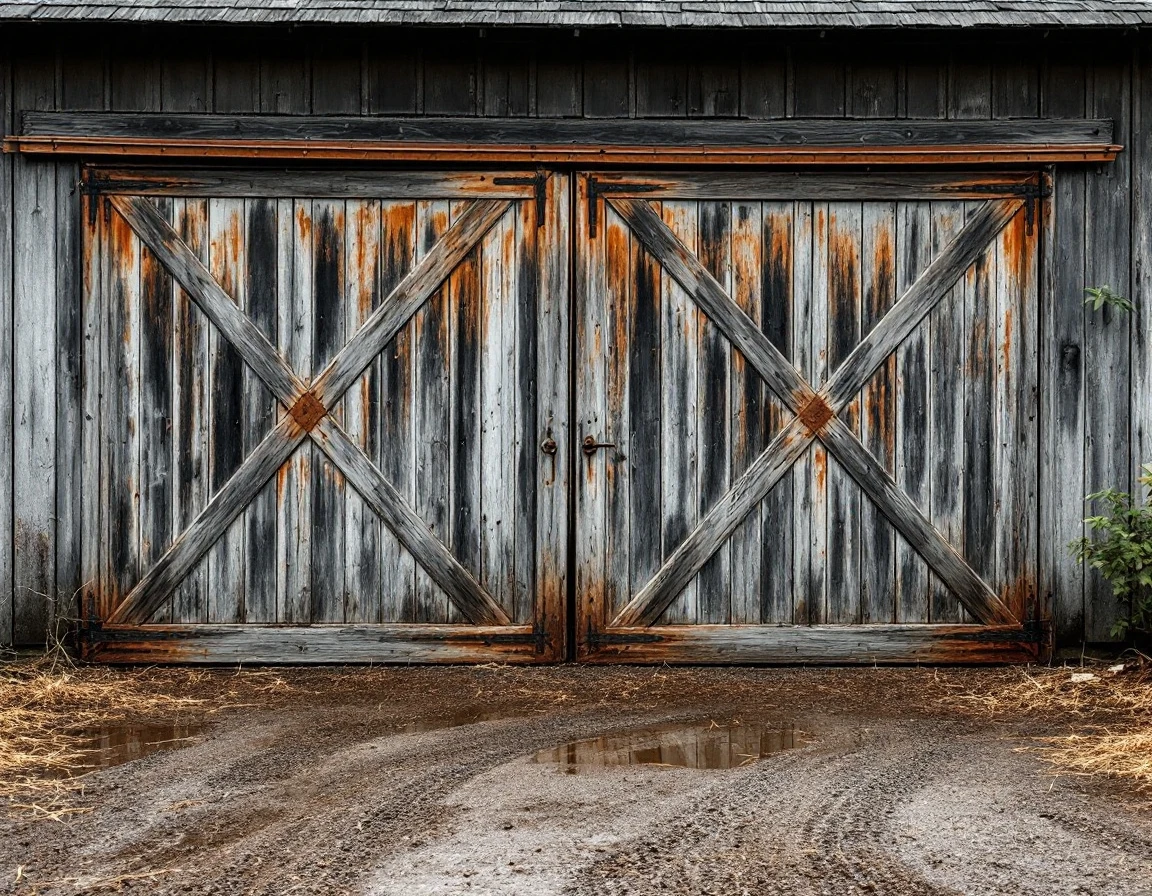
Decision Framework: When to Upgrade Before Fall
Don’t wait until winter brings emergency repairs. Contact Garage Harmony today to schedule your upgrade before the freeze-thaw cycles hit hard this fall. If your door is sagging, springs show visible corrosion, or your opener operates sluggishly, these are clear signals to upgrade to Tier 2 or Tier 3 now. Sagging doors indicate weakened springs, slow opening points to track corrosion, and audible grinding reveals frame stress from gravel impact.
If you’ve had a spring failure in the past three years, Garage Harmony’s Tier 2 seasonal-rated springs extend your replacement cycle by 3–5 years. Our team prevents repeat failures that disrupt harvest or storage periods. For farms where equipment storage is mission-critical—equipment valued above $25,000—Tier 3 prevents downtime and equipment damage that could cost thousands more than the door itself.
The ROI is clear: upgrading from Tier 1 to Tier 2 costs $1,500–$2,000 but saves more than $2,000 in emergency repairs that typically occur during December–February cold snaps. Tier 3’s upfront cost is recovered in 4–6 years through avoided downtime and equipment protection. Budget $1,500–$9,000 for planned upgrades versus $2,500–$3,500 for emergency repairs when your door fails at 3 a.m. in January.
Get in touch with our Garage Harmony experts today to schedule your inspection. We’ll help you plan the right upgrade before fall and avoid emergency repairs.