Oregon Spring Storm Risk & Financial Impact
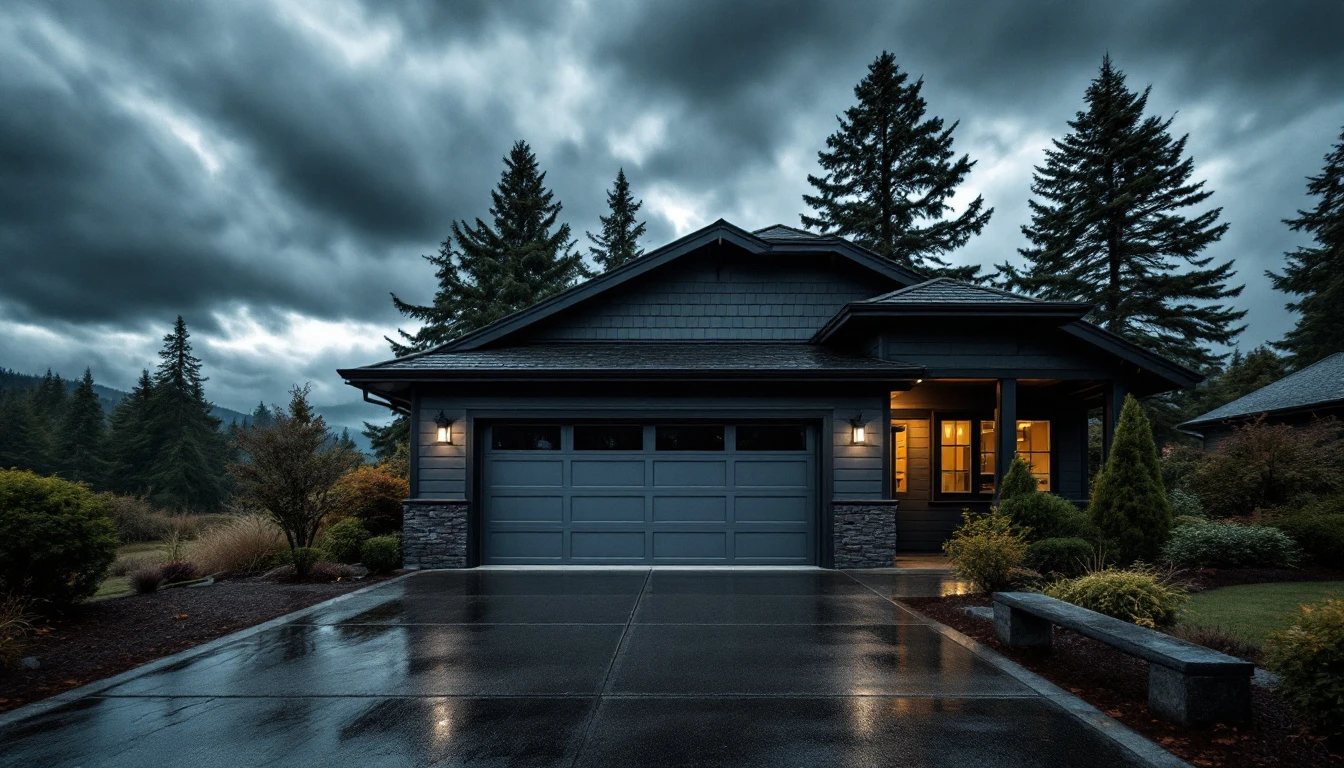
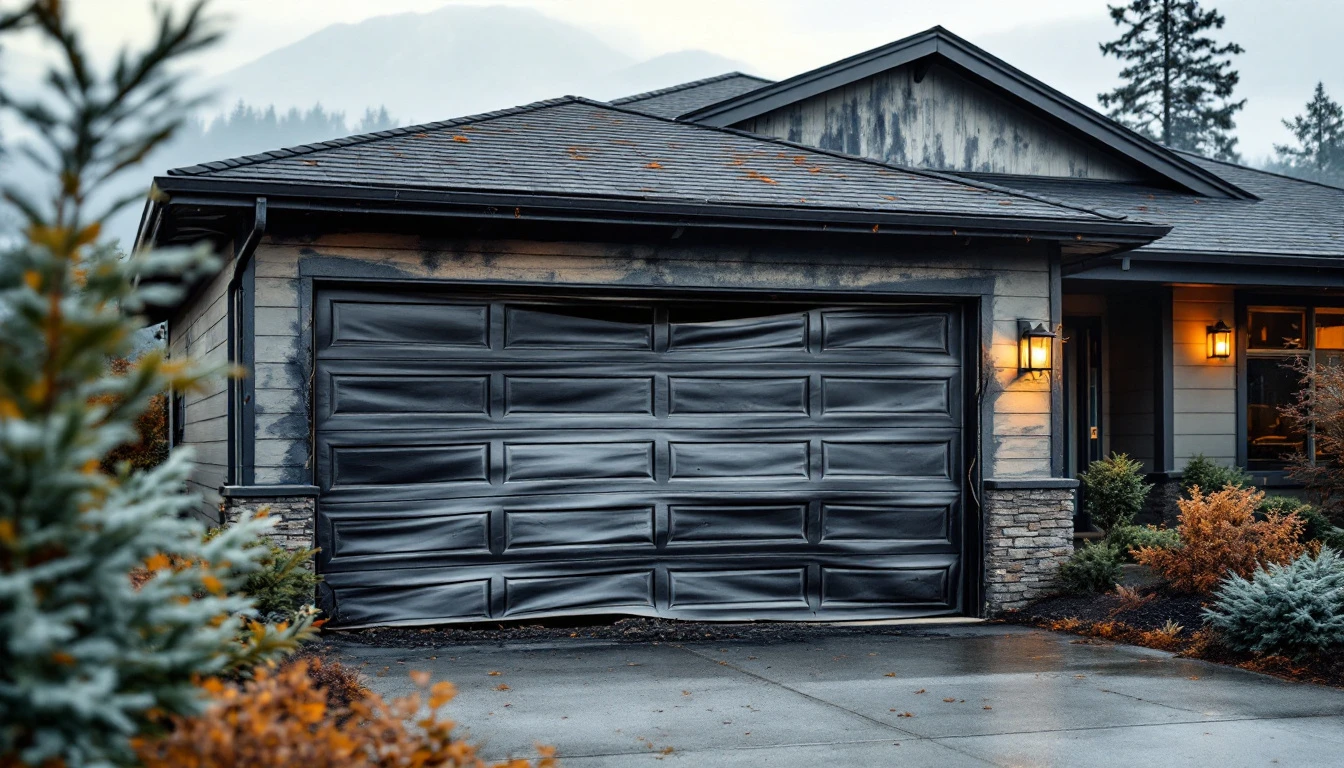
April through June marks the Pacific Northwest’s peak severe weather season, bringing high winds, hail, and heavy rain that can wreak havoc on unprepared garage doors. A single storm event can result in $2,000 to $8,000 or more in emergency repairs when garage doors fail under extreme conditions. Learning how to protect garage door severe weather damage is the difference between a manageable expense and a financial catastrophe.
The financial case for preventive hardening is clear: implementing protective measures now can reduce emergency repair costs by up to 80%. Beyond the door itself, proper hardening protects your home’s structural integrity by preventing wind-driven water intrusion and foundation exposure that occur when garage doors fail during storms.
Insurance typically won’t cover weather damage to unmaintained doors. Taking action before storm season arrives transforms what could be a devastating expense into a manageable, preventable cost.
Five Essential Hardening Measures to Protect Garage Door Severe Weather
Protecting your garage door from Pacific Northwest storm damage requires a strategic approach across five key areas. Each measure addresses a specific vulnerability and offers different levels of complexity and investment. Here’s what you need to know before exploring the detailed steps.
- Measure 1: Strengthen horizontal bracing with steel reinforcement kits ($150–$400, 1–2 hours DIY). These kits add structural support to resist wind pressure across wide door panels.
- Measure 2: Upgrade weatherstripping and seal gaps ($50–$150, 30 minutes DIY). This quick fix prevents water intrusion and reduces stress on door components during storms.
- Measure 3: Install wind-rated springs and cables ($300–$600, professional installation required). Heavy-duty spring systems maintain door balance even under extreme wind loads.
- Measure 4: Add impact-resistant panels or film ($400–$1,200, DIY or professional). Protection against flying debris that can puncture standard garage doors during severe weather events.
- Measure 5: Secure garage door opener and backup power ($200–$500, mostly DIY with professional assessment). Keeps your door operational during power outages and prevents opener damage from electrical surges.
The sections ahead break down each measure with step-by-step instructions, material lists, and guidance on when to call Garage Harmony for professional support.
Bracing & Reinforcement Installation
When 100+ mph wind gusts hit Oregon, standard garage door panels buckle inward from pressure differentials—horizontal bracing prevents this catastrophic failure by anchoring your door to the frame at mid-panel level. Steel reinforcement kits distribute wind force across the entire structure rather than concentrating stress on individual panels.
Installing bracing is pure DIY territory. You’ll need a drill, matching bolts, and an afternoon for a standard single-car door. Locate factory-designated anchor points on your door frame, drill pilot holes to prevent cracking, then tighten bolts in a crosshatch sequence to maintain even pressure. Material costs remain modest—making this the most cost-effective hardening measure available.
No permits or professional inspections required. Just mark your calendar and knock it out before storm season arrives. For maintaining your newly reinforced door, check out our spring maintenance guide.
Weatherstripping & Gap Sealing
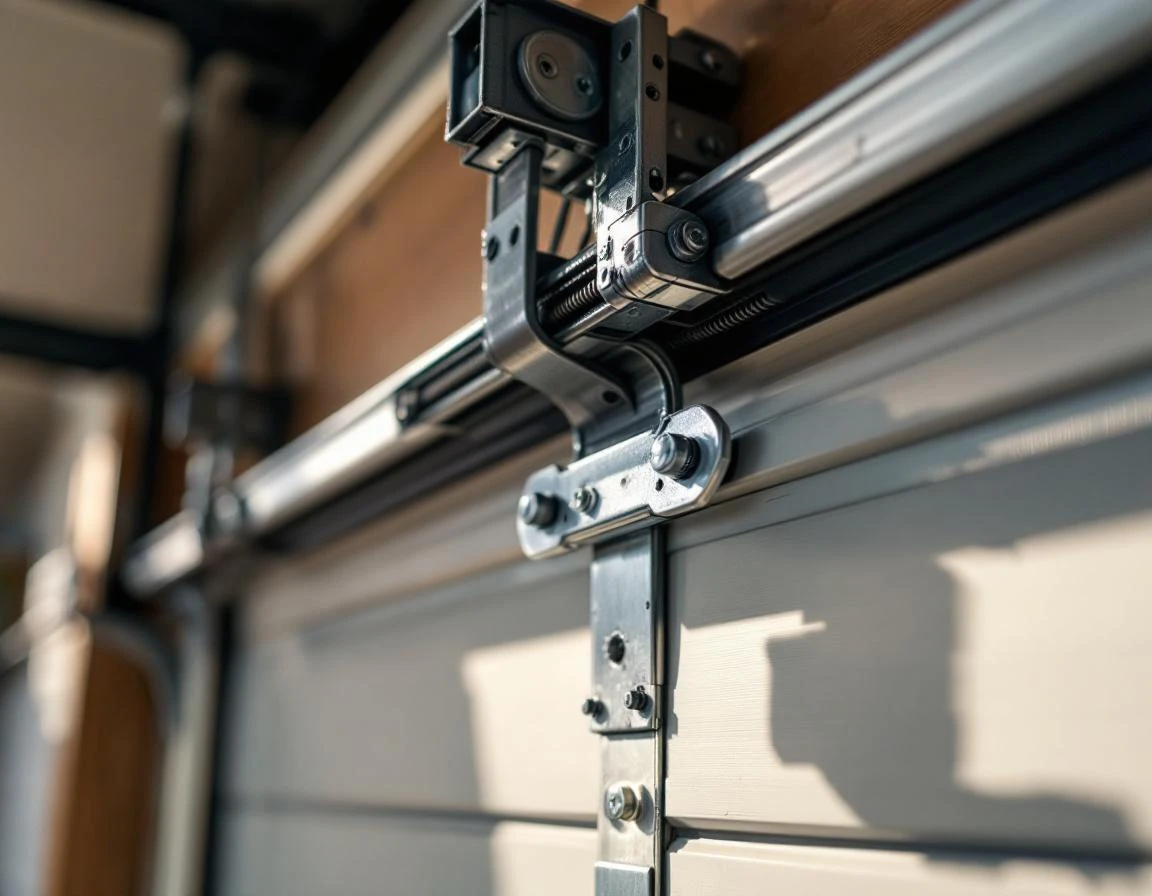
Even a perfectly reinforced garage door fails when wind-driven rain flows through gaps around the perimeter. Degraded weatherstripping defeats every other hardening measure by allowing water, wind, and debris to bypass the door entirely.
Inspect your weatherstripping now for visible gaps between door and frame, cracked rubber seals, or water stains along the garage floor near the door—these signal immediate replacement needs. Side seals and bottom seals take the worst beating during storms and deserve priority attention.
Replacement takes about 30 minutes and costs $50–$150 for a full perimeter. Remove the old seal, clean the track thoroughly, and install adhesive-backed EPDM rubber (longer-lasting, better compression recovery) or foam seal (easier installation, shorter lifespan). This foundation work must happen before you invest in any panel upgrades—otherwise you’re fortifying a door that still leaks.
Springs, Cables & Backup Power
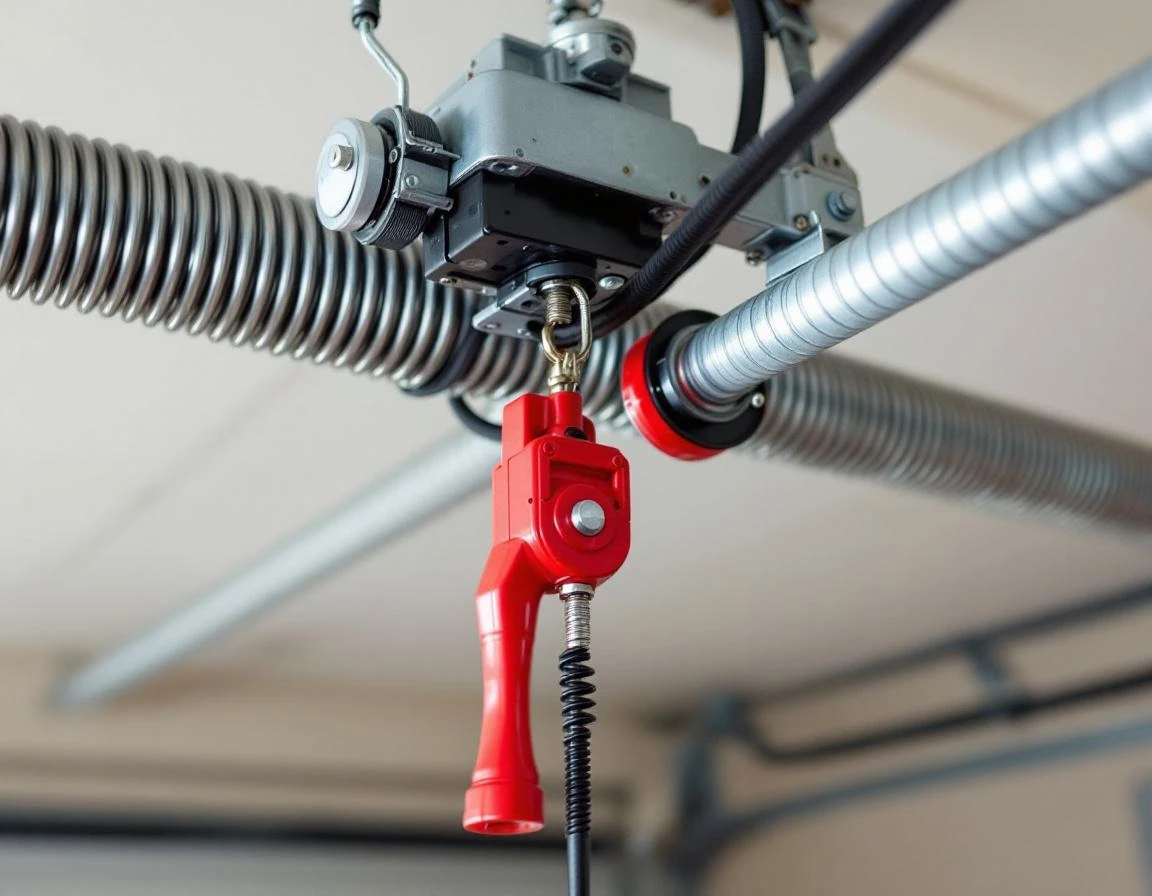
Your garage door’s springs and cables aren’t convenience features—they’re structural safety systems that prevent catastrophic failure during windstorms. Standard torsion springs are rated for normal daily cycling, not the extreme lateral stress from 50+ mph gusts. When a spring fails mid-storm. Your door becomes completely non-functional and leaves your garage exposed to wind-driven rain.
Professional inspection includes three critical tests: spring tension verification, cable visual inspection for fraying or rust spots, and door balance assessment. Wind-rated torsion springs feature higher PSI ratings to handle storm loads, but DIY replacement is extremely dangerous—the stored energy in these springs has caused serious injuries and deaths. Expect professional spring and cable replacement to cost $300–$600 depending on door size.
Battery backup openers provide reliable protection against being locked out during power outages. When storms knock out electricity, you maintain garage access without manually lifting a heavy door. Contact us today for a detailed quote based on your specific door configuration!
DIY vs. Professional Work Decision Tree
Not all garage door hardening requires professional help. Bracing installation, weatherstripping replacement, visual inspections, and battery backup opener setup are excellent DIY projects for homeowners with basic handyman skills. These tasks involve standard tools and carry minimal safety risks when following manufacturer instructions.
Spring and cable work demands professional expertise. Garage door springs store 400+ pounds of tension energy—a broken spring can cause serious injuries if improperly handled.
Schedule professional spring inspection and cable assessment now, before April ends, to lock in pricing and availability.
Here’s why timing matters: May and June bring Pacific Northwest storm season, driving emergency repair demand through the roof. Get 2–3 professional quotes this month while contractors still have open schedules. How to secure garage door high winds starts with professional assessment of your current system’s readiness.
Watch for these red flags requiring immediate professional assessment: springs making popping or grinding noises. Frayed cables, doors moving slowly or unevenly, or openers that stop responding. These symptoms indicate failures that could strand your vehicle or compromise home security during the next severe weather event.
April Action Plan & Next Steps
- Week 1 (April 1-7): Walk around your garage door with a notepad. Check weatherstripping for cracks or gaps. Look at springs for rust or separation. Examine cables for fraying. Note any panels with dents or warping.
- Week 2 (April 8-14): Install horizontal bracing and replace weatherstripping if you’re comfortable with basic tools. Contact three professional services for spring inspection quotes. Request appointments for late April or early May.
- Week 3 (April 15-21): Book your professional service before the May demand spike fills calendars. Once storms arrive, you’ll face emergency pricing and week-long waits.
- Ongoing maintenance: Test your door balance monthly by disconnecting the opener and lifting manually. Replace weatherstripping every April. Schedule professional spring inspections every two years. Test your opener before each storm season begins.
Contact us today for a pre-season inspection that protects your investment before severe weather arrives.