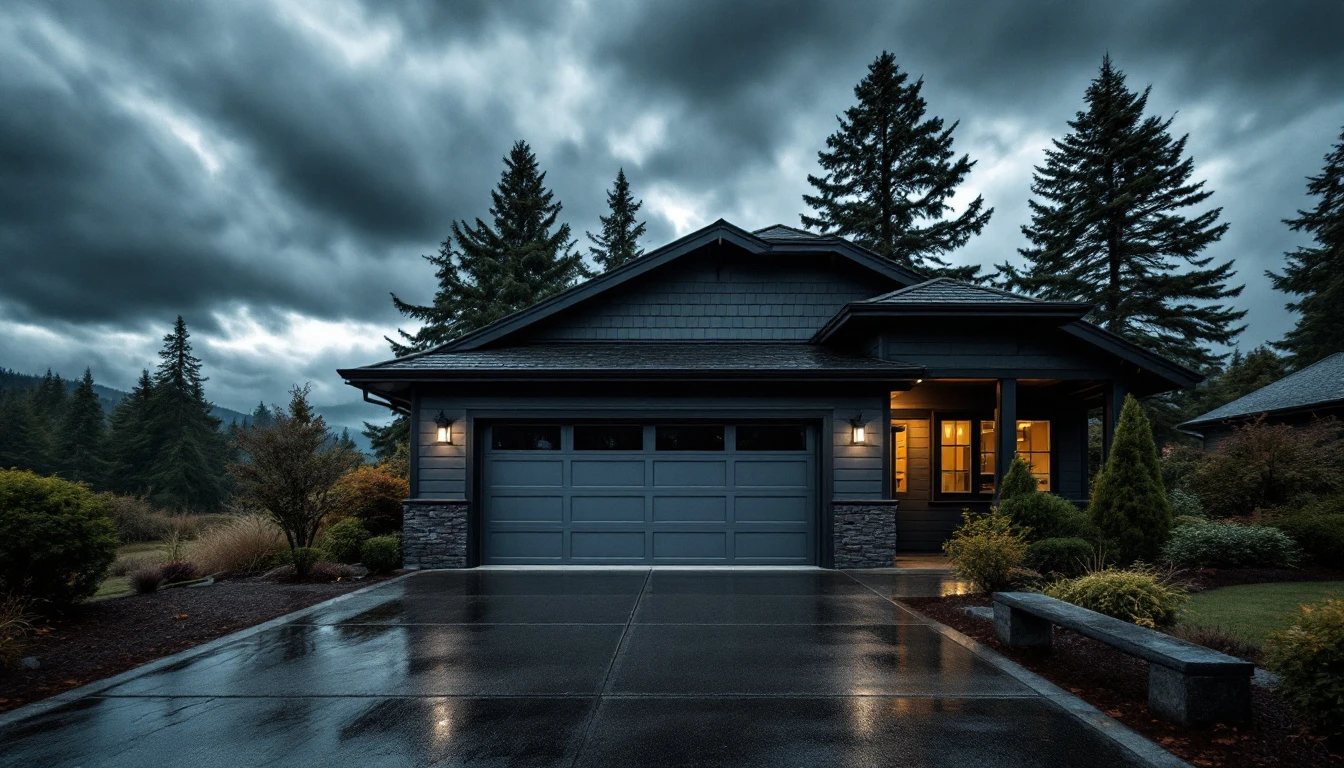
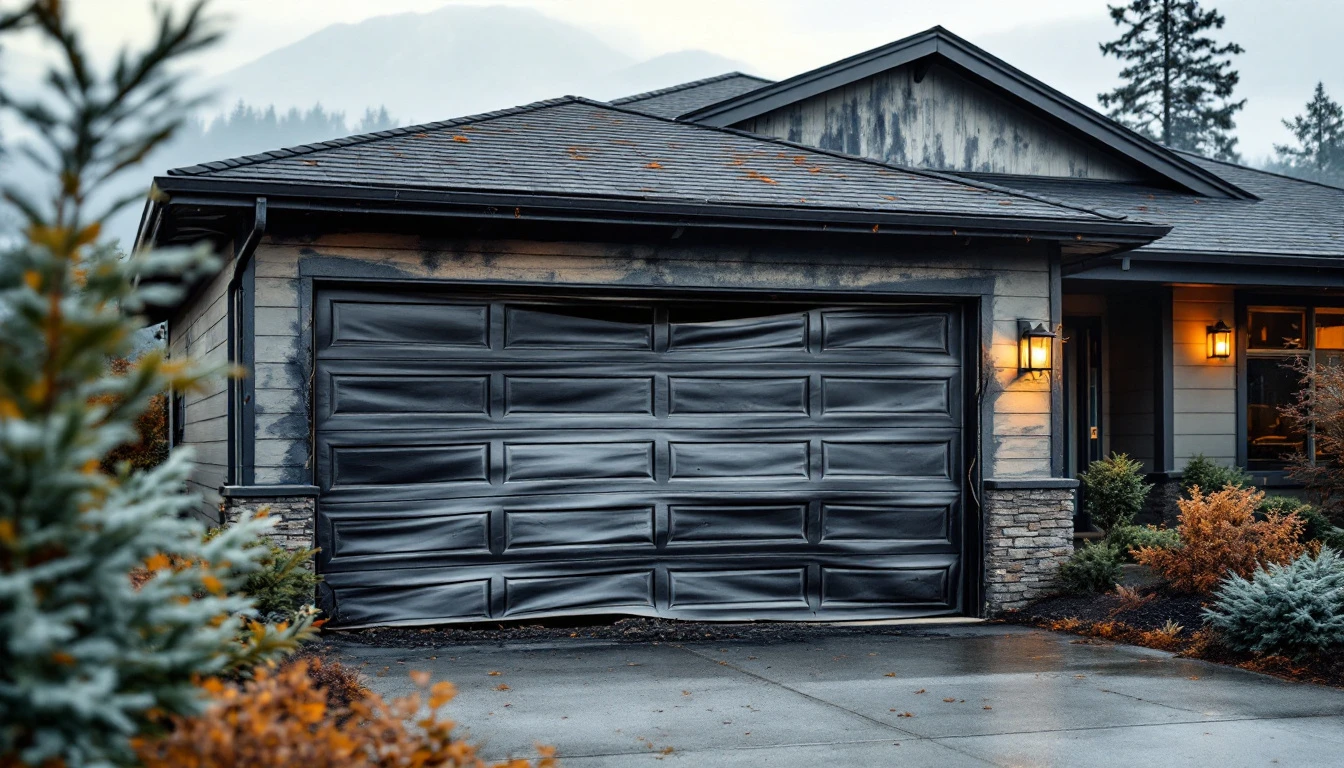
Moisture & Salt Air Threats to Manufactured Home Garage Doors
If you own a manufactured home in Castle Rock, your garage door faces environmental challenges most homeowners never encounter. The combination of coastal salt spray traveling inland from the Pacific and the region’s persistent high humidity creates a perfect storm for accelerated corrosion. Proper manufactured home garage door care in Castle Rock requires understanding these conditions attack metal components, weatherstripping, and protective coatings far faster than in drier climates.
Carport structures—common with manufactured homes—concentrate moisture exposure compared to fully enclosed garages. Without four walls to shield your door from rain and condensation, water settles directly on tracks, springs, and panels. Salt particles in the air bond with this moisture, creating a corrosive solution that eats through galvanized coatings and paint.
Early warning signs like surface rust spots and cracking weatherstripping tell you damage has already begun. April represents your last window to intervene before fall rains return in September. Taking action now with proper protective treatments can prevent premature failure and extend your door’s functional life by five years or more. Wait until October, and you’ll spend the wet season fighting existing damage rather than preventing it.
Rust Prevention Strategies for Manufactured Home Garage Doors
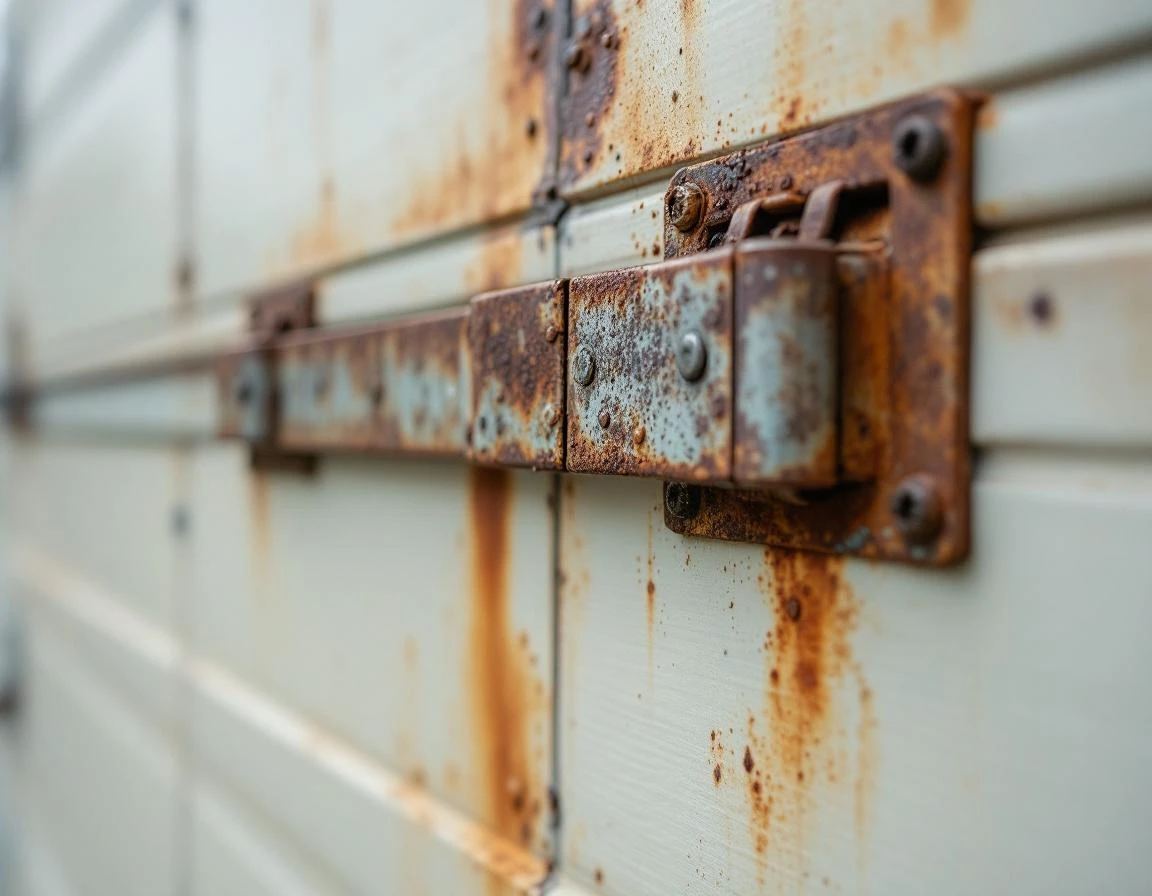
How can you tell whether that orange spot on your garage door hinge needs a simple cleaning or signals structural danger? Start by examining the rust closely. Surface rust appears as light orange or brown discoloration that you can often wipe away with a cloth. This cosmetic rust typically affects the outer coating but hasn’t eaten into the metal itself. Structural corrosion, by contrast, creates pitting, flaking metal, or areas where components feel rough and weakened. If fasteners snap when you apply normal pressure or if rust has created holes through metal brackets, professional assessment is necessary.
Tier One: DIY Cleaning and Protection
For surface rust on garage door components, manufactured home owners can handle treatment themselves. Use a wire brush or fine sandpaper to remove loose rust, then clean the area with white vinegar or a commercial rust remover. Once the metal is clean and dry, apply a rust-inhibiting primer followed by marine-grade enamel paint. These products, designed for salt-air resistance in industrial environments like Longview. Provide better protection than standard hardware store paints in coastal environments like Castle Rock.
Tier Two: Material Upgrades for Carport Environments
Replace standard hardware with corrosion-resistant alternatives during your April inspection. Galvanized hinges and brackets offer good protection for moderate exposure. For carports facing direct salt air, upgrade to stainless steel fasteners and marine-grade hardware rated for coastal use. These components cost more upfront but prevent the cycle of repeated rust removal and eventual failure that affects standard zinc-plated hardware. When addressing garage door rust prevention for manufactured homes, stainless steel upgrades deliver long-term value in salt-exposed environments.
Tier Three: Professional Assessment Triggers
Call Garage Harmony when you discover rust that has penetrated through metal thickness, when springs or cables show corrosion damage, or when structural carport framing exhibits active rust. Professional inspection also makes sense if you’re unsure about the extent of damage. Our team can evaluate whether component replacement or protective treatment will extend your door’s life, preventing the expensive full replacement that untreated corrosion eventually requires.
Weatherstripping Assessment
Manufactured home carports demand heavier-duty weatherstripping than standard residential garage doors. Why? The materials and construction methods used in manufactured housing create different stress points, and Castle Rock’s proximity to the Columbia River means salt air constantly attacks rubber and foam seals. Standard residential weatherstripping degrades in half the time when exposed to this environment. Selecting appropriate weatherstripping for manufactured home carport environments in Longview, Kelso, and Castle Rock requires understanding these regional salt-air conditions.
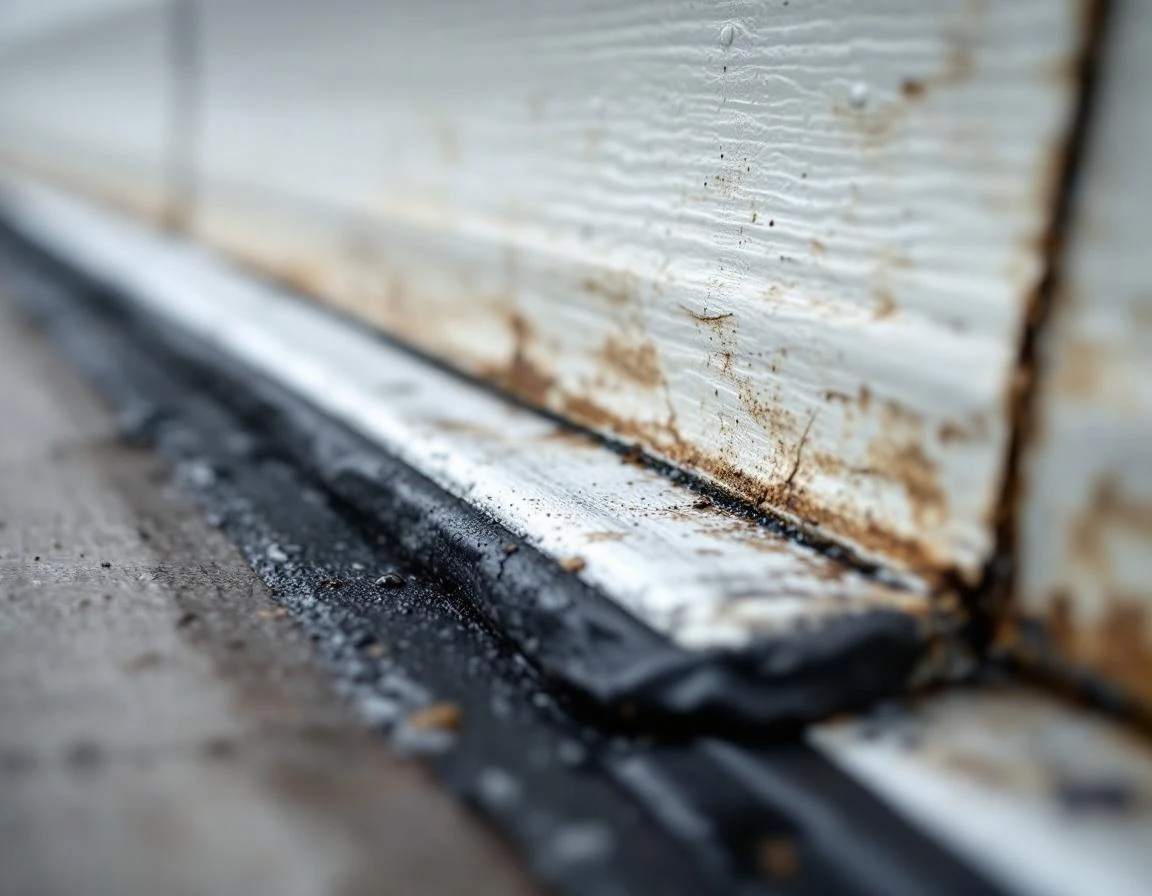
For April maintenance, focus on EPDM rubber over silicone for side and bottom seals. EPDM resists salt corrosion better and maintains compression in wet conditions. Look for weatherstripping rated at 50 durometer hardness or higher—anything softer compresses permanently after one wet season. During your inspection, check for visible white salt deposits on existing seals, gaps you can see daylight through, and sections that no longer spring back when pressed.
Replacing side and bottom weatherstripping is a manageable DIY project. Remove old material, clean the channel thoroughly with a wire brush to remove salt buildup, and press new EPDM strips into place. Apply silicone lubricant to help installation but avoid petroleum-based products that degrade rubber.
When should you call Garage Harmony instead? Top seal replacement on manufactured home carports often involves frame alignment issues that require professional assessment. If you notice the door doesn’t close evenly across the bottom, or structural frame elements show movement, professional inspection prevents making weatherstripping changes that won’t solve the underlying problem.
Carport Structural Integrity
Your garage door hangs from a frame that must remain square, rigid, and rot-free to function safely. In manufactured home carports across Castle Rock and the Longview-Kelso area, water infiltration silently compromises the posts and beams that support your door, creating misalignment that strains openers and creates binding issues long before you notice visible damage. Carport structural maintenance for manufactured homes prevents these cascading failures that compromise both safety and door function.
This April, conduct a structural inspection focusing on three critical areas. First, check support posts for soft spots by pressing a screwdriver blade into the wood—if it sinks more than a quarter-inch, moisture rot has taken hold. Second, examine header beams for deflection by sighting along the length while the door is closed; any visible sag indicates the beam can’t properly support the door’s weight. Third, test frame rigidity by pushing firmly on corner posts—excessive movement signals compromised connections.
What can you handle yourself? Surface rust removal and minor wood treatment fall within DIY territory. When should you call Garage Harmony? If you find sagging headers, posts with soft wood penetrating more than half an inch deep, or visible corrosion eating through metal support brackets, you need professional structural assessment. These conditions create immediate safety risks and prevent your door from operating correctly through the coming wet season.
April Maintenance Checklist for Manufactured Home Garage Door Care
April offers manufactured home owners in Castle Rock a decisive four-week window to execute preventive maintenance before summer heat accelerates corrosion and fall rains intensify moisture damage. This checklist organizes tasks by skill level, helping you identify what you can tackle yourself and when to schedule professional help.
Tier 1: Safe DIY Tasks (April Weeks 1-2)
Start with visual inspection and basic cleaning. Walk around your carport structure and examine all visible hardware for rust, focusing on hinges, rollers, and track brackets. Clean door surfaces with a mild detergent solution, then apply 3-IN-ONE Multi-Purpose Oil with Teflon to all moving parts—this marine-grade lubricant resists salt air better than standard products. Tighten all accessible bolts and screws using a socket wrench, checking for stripped threads that indicate deeper problems. Inspect weatherstripping for compression damage or gaps, noting locations where replacement is needed.
Tier 2: DIY With Caution (April Week 3)
Replace bottom and side weatherstripping if you identified gaps during inspection. For manufactured home carports, specify M-D Building Products EPDM rubber seals when ordering—these resist ozone degradation better than vinyl in coastal climates. Before installing, clean mounting surfaces with rubbing alcohol and allow them to dry completely. Replace stainless steel fasteners only—18-8 stainless screws from GRK Fasteners prevent the galvanic corrosion that occurs when mixing metal types. If you encounter rotted wood trim or damaged mounting surfaces during weatherstrip work, stop and schedule professional assessment.
Tier 3: Professional Only (April Week 4)
Schedule professional inspection if you noticed any of these warning signs: sagging header beams, doors binding in multiple locations, unusual noises during operation, or visible frame movement when the door cycles. Professional technicians from Garage Harmony can perform spring tension testing and opener stress analysis—tasks that risk serious injury without proper tools. A pre-summer structural assessment costs less than emergency repairs when systems fail during peak usage months.
When Professional Inspection Is Critical
Some garage door assessments simply aren’t safe or reliable without proper tools and training. In Castle Rock’s harsh moisture environment, evaluating spring condition under load, testing safety sensor function, measuring opener motor stress, and identifying hidden bearing corrosion require professional expertise. A spring that looks fine may be months from catastrophic failure, and corroded safety sensors may not reverse when a child walks under a closing door. Understanding salt air garage door damage to manufactured housing helps you recognize when DIY assessment reaches its limits.
Call a licensed technician immediately if you notice visible spring damage or rust, your door binds after weatherstripping work, your opener makes grinding or clicking noises, your carport frame shows deflection or movement, or you discover water stains inside door panels. These symptoms indicate safety-critical failures that DIY inspection cannot properly diagnose.
What’s the financial advantage of scheduling professional inspection in April rather than waiting? Pre-season inspection costs a fraction of emergency repair calls in June when your door fails during a rainstorm. More importantly, catching a failing component now prevents the cascade effect where one broken part damages others, turning a $200 spring replacement into a $1,500 full system replacement by August.
Professional assessment doesn’t undermine your DIY maintenance work. It complements the cleaning, lubrication, and weatherstripping tasks you’ve already completed. A qualified technician validates your efforts and catches the hidden structural or electrical issues that threaten your 5+ year lifespan goal. Contact a professional garage door service in Castle Rock today to schedule your pre-season inspection before Castle Rock’s wet weather returns.