Oversized Doors in Brush Prairie
Rural properties in Brush Prairie typically sit on one-acre lots or larger, creating space for detached shops and agricultural buildings that dwarf standard residential garages. These structures demand doors measuring 16 feet wide or taller—sometimes reaching 14 feet in height to accommodate tractors, RVs, and commercial equipment. Property owners facing large garage door repair in Brush Prairie deal with unique challenges that standard residential maintenance cannot address. The physics change entirely at this scale.
When a door spans 16 feet instead of the standard 9 feet, the spring system bears nearly double the load with each cycle. Heavy equipment traffic intensifies this stress. A farmer opening their shop door three times daily to move a tractor creates different wear patterns than a suburban homeowner accessing a sedan twice daily. Spring tension degrades faster under agricultural conditions. And the Pacific Northwest’s wet-dry seasonal swings accelerate metal fatigue.
Seasonal storage adds another layer of complexity. Property owners storing boats in spring and recreational vehicles in fall cycle their oversized doors more frequently during transition months, compressing years of normal wear into concentrated periods. Standard residential maintenance schedules—designed for lighter, smaller doors—simply don’t account for these demands.
Spring Inspection & Replacement for Large Garage Door Repair
Oversized garage doors serving agricultural and commercial needs in Brush Prairie rely on spring systems operating under extreme tension—often 300+ pounds per side—to safely balance doors weighing 600 pounds or more. These springs work harder than residential counterparts, cycling through the weight of tractors, UTVs, and loaded trailers multiple times daily during peak seasons. Unlike standard residential doors, visual inspection alone cannot reliably predict spring failure on these heavy-duty systems.
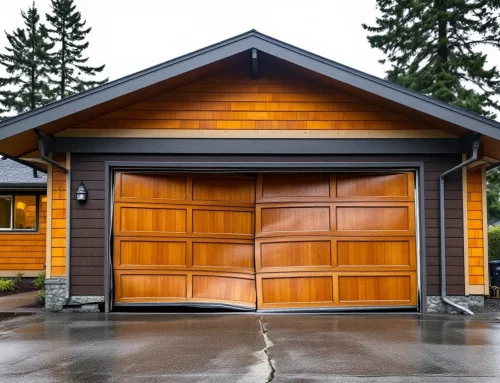
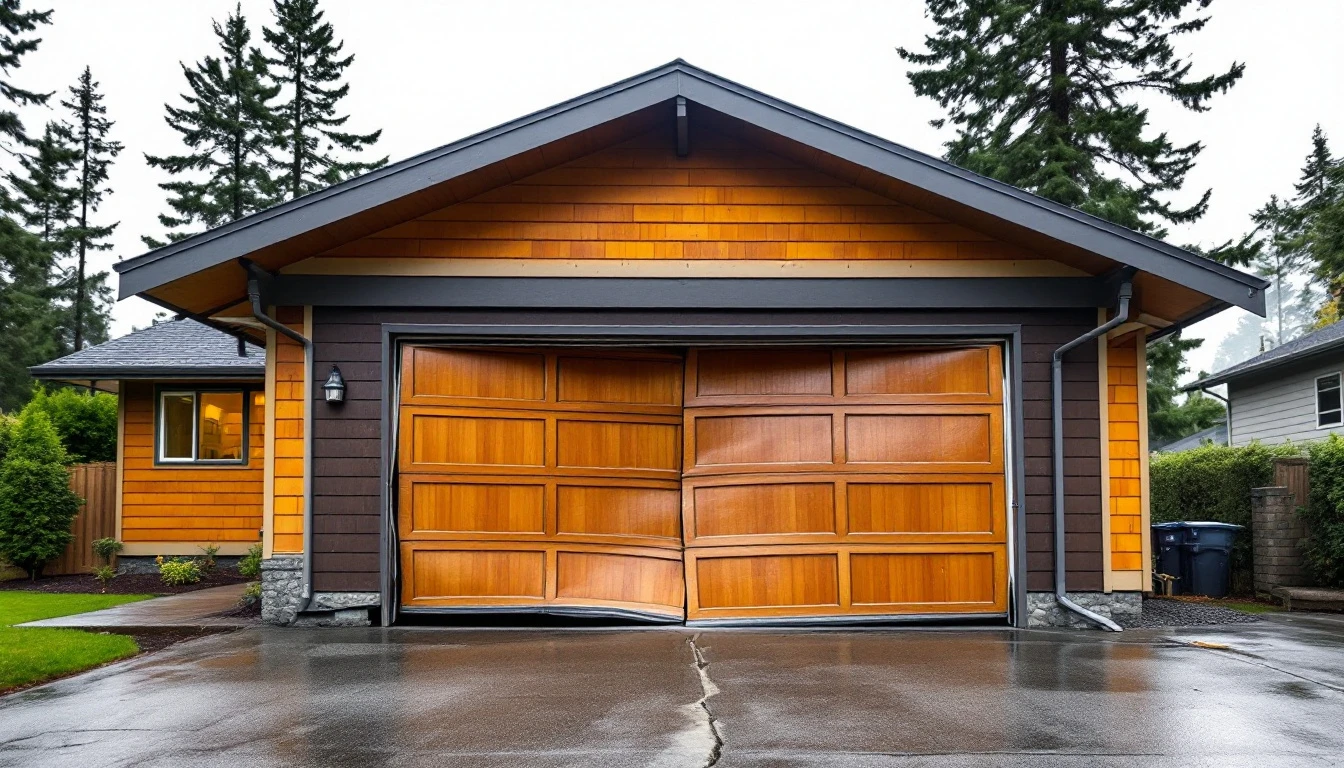
Spring failure happens without warning, and when a torsion spring snaps on a 16-foot door, the result is catastrophic. The door can drop suddenly, jamming in place and blocking access to equipment when you need it most. Pre-failure signs require hands-on inspection: uneven door movement during manual operation, increased difficulty lifting the door, visible rust forming on coil surfaces, or gaps appearing between coils. A door that hangs crooked when partially open signals uneven spring tension that demands immediate attention.
May Spring Inspection Checklist (15-20 Minutes)
- With the door closed and opener disconnected, manually lift the door halfway and release. A properly balanced door stays put.
- Check both springs for rust, particularly where coils contact each other.
- Listen for grinding or squeaking during operation.
- Measure the gap between coils on both sides—uneven spacing indicates wear.
- Test the emergency release cable to verify manual operation remains possible if a spring fails.
Replacing springs before failure prevents mid-season breakdowns that leave equipment trapped inside. Professional replacement is non-negotiable on oversized doors—the spring tension required to balance commercial-weight doors creates deadly force during installation. A qualified technician has the winding bars, experience, and insurance to handle this work safely. Attempting DIY spring replacement on these systems risks severe injury and property damage that far exceeds professional service costs.
Spring Inspection Signs
Uneven door height during opening reveals spring imbalance or single-side failure. When one side rises faster than the other, one spring has lost tension while its partner compensates, creating dangerous lateral stress on tracks and rollers. This imbalance accelerates wear on hinges and can cause the door to bind or jump the track.
Visible rust or pitting on spring coils signals moisture penetration that weakens the steel’s structural integrity. Brush Prairie’s wet springs saturate metal surfaces, and oversized springs with larger surface area absorb more atmospheric moisture. Corrosion reduces the coil’s diameter. Decreasing load capacity and bringing the spring closer to catastrophic failure.
Audible creaking or grinding during operation indicates both lubrication breakdown and internal corrosion where coils contact each other. These sounds mean friction is generating heat and metal particles, which accelerate spring degradation. Waiting until complete failure strands tractors, ATVs, and equipment inside during critical planting or harvest windows when you need immediate access.
Professional Replacement Thresholds
When spring failure occurs on a 16-foot overhead door under 600+ pounds of tension, the consequences are immediate and dangerous. The door can collapse mid-cycle, trapping equipment inside or creating a safety hazard for anyone nearby. For Brush Prairie property owners working alone in rural locations without immediate backup, a catastrophic spring failure means inaccessible equipment when you need it most—during harvest, seasonal prep, or emergency repairs.
DIY spring replacement on heavy-duty doors requires specialized winding bars, proper torque calculations, and safety equipment that most property owners don’t have. A professional replacement typically costs $400-700 including labor and takes 1-2 hours with proper tools. That investment is minimal compared to emergency callout fees, property damage from a collapsed door, or liability if a family member is injured attempting unsafe repairs. Licensed professionals carry the equipment and insurance to handle oversized spring replacement safely—protecting both your property and your family.
Weatherstripping & Seasonal Sealing for Large Detached Garage Doors
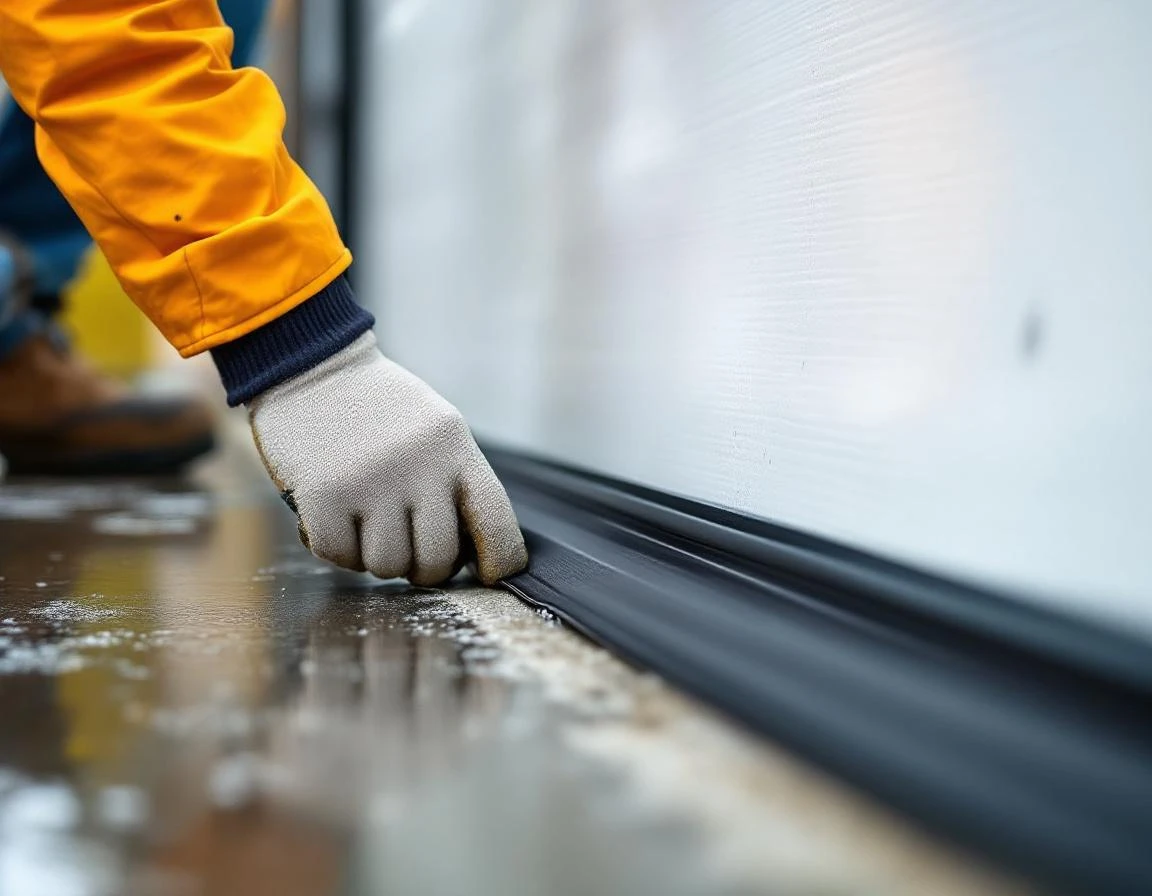
Large detached garage door weatherstripping requires substantial material investment. A 16-foot-wide door with 14-foot height requires nearly 60 linear feet of weatherstripping—three times the sealing material of a standard residential door. When rubber gaskets crack or separate from the frame, these small gaps multiply into major climate control failures and water infiltration points.
For Brush Prairie properties storing heavy equipment or seasonal inventory, moisture entering through compromised seals corrodes metal tools, damages stored goods, and creates ideal conditions for mold growth. Spring’s wet weather makes intact weatherstripping protection for valuable assets.
May provides the ideal maintenance window before Brush Prairie’s heavy rain season intensifies. Inspect rubber gaskets along all four sides of your door for visible cracks, check top corners where separation commonly occurs first, and test the seal by closing the door and looking for visible light gaps. Run your hand along the perimeter to feel for air movement.
Most 16-foot+ doors use 2-inch or 3-inch bottom seals and T-shaped or bulb-type side seals. Measure your existing weatherstripping width and profile before ordering replacements. Installation requires sliding new material into the retainer channel and trimming to length—a manageable DIY project that prevents expensive water damage. Contact us today if you need guidance on selecting the correct weatherstripping profile for your oversized door configuration.
Heavy-Duty Safety Cable Inspection
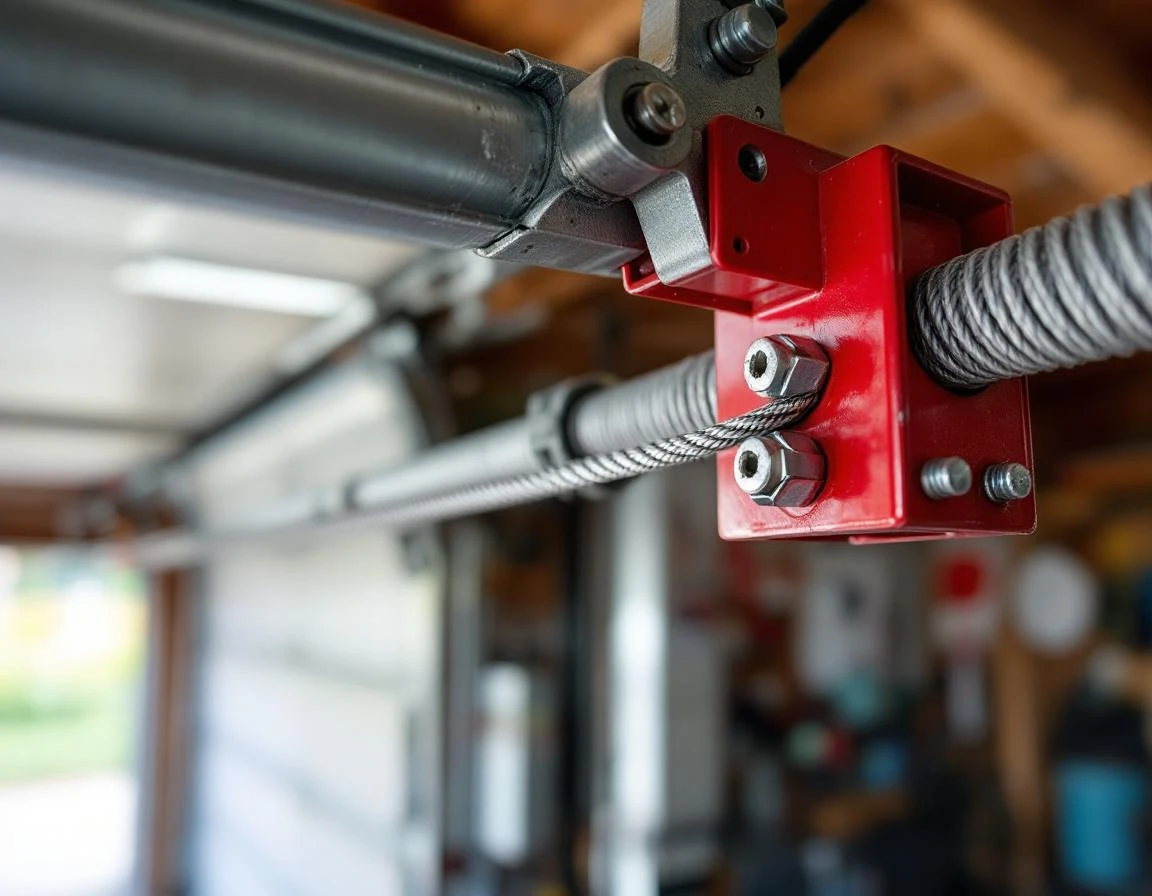
Safety cables serve as the critical failsafe system for oversized garage doors. These 1/8-inch aircraft cables run through extension springs or alongside torsion springs, ready to catch a broken spring and prevent the door panel from crashing down. For Brush Prairie properties storing tractors, ATVs, and workshop equipment, a door collapse doesn’t just damage the door—it can crush expensive machinery, trap vehicles inside, or seriously injure someone standing underneath.
Your May inspection should check four critical points: look for fraying at attachment points where the cable connects to the track bracket, examine the cable’s full length for visible kinks or damage, verify the cable hasn’t separated from the spring housing, and check for rust spots. Brush Prairie’s damp spring months accelerate cable corrosion, making this inspection particularly important before summer equipment-intensive months.
Safety cables typically need replacement every 7-10 years as preventive maintenance. This is a professional job—the door must be secured in a safe position during cable replacement—but the cost is modest compared to the expenses of equipment damage or emergency medical bills if a spring snaps without a functional safety cable. A five-minute visual inspection in May can identify frayed cables before they fail.
Summer Equipment Season Readiness for Oversized Garage Door Maintenance
June through August puts maximum stress on oversized garage doors as Brush Prairie property owners cycle equipment in and out for planting, repairs, and seasonal projects. A single May maintenance session prevents mid-season failures when you need access most. Schedule your pre-summer inspection now to avoid emergency calls during peak season.
- Test spring tension by manually lifting the door halfway (it should stay put without drifting)
- Inspect weatherstripping for cracks or gaps
- Examine cables for fraying or rust spots
- Verify safety reversal sensors respond to obstructions
- Check track alignment with a level
- Lubricate all moving parts with silicone spray
If any component fails this check, schedule professional service before equipment season begins.
A 30-45 minute professional inspection identifies worn components before they fail during critical access periods. Compare that brief appointment to 2-3 hours of emergency downtime when a spring breaks mid-season and repair crews are booked solid. When should you call professionals versus handle maintenance yourself? DIY monthly lubrication and visual inspections; call experts for spring replacement, cable work, or track realignment. Contact us today for pre-season door assessments for heavy equipment applications.”