Rural Shop Doors: Stress Factors
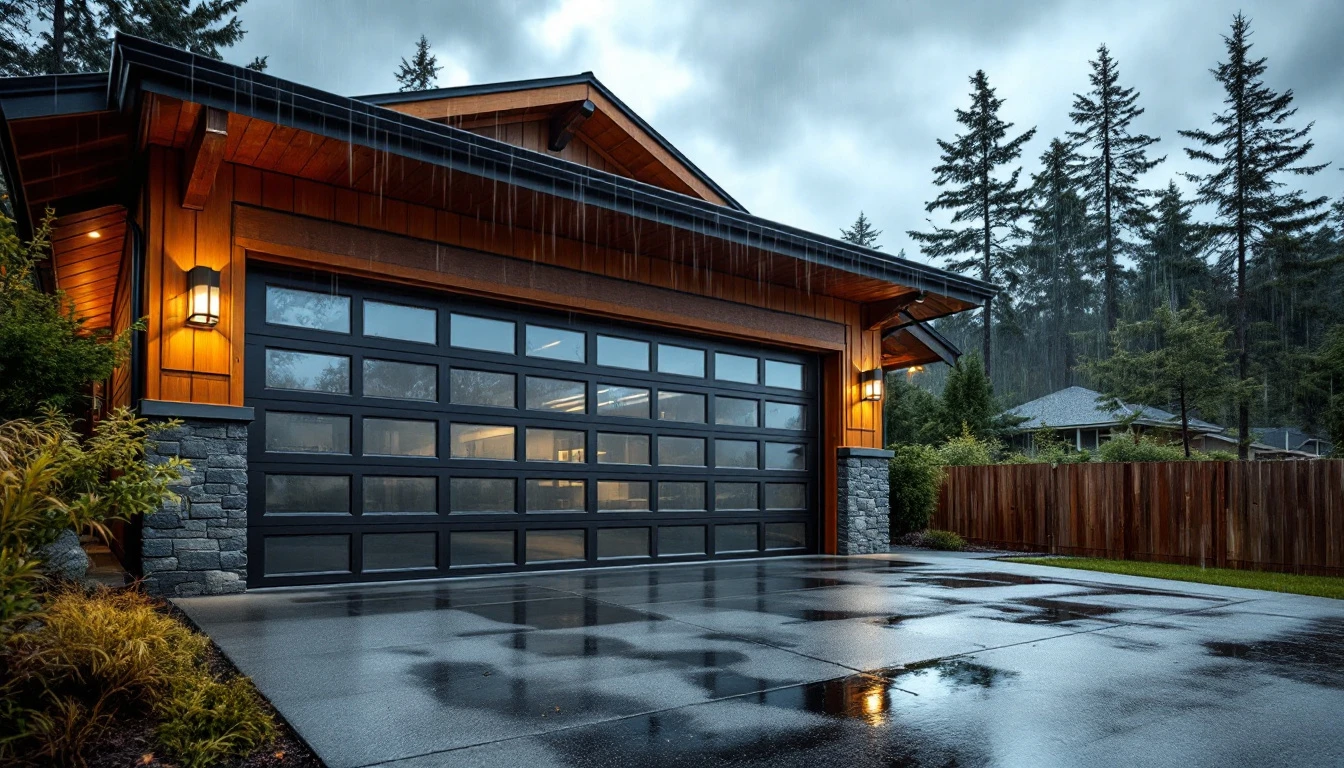
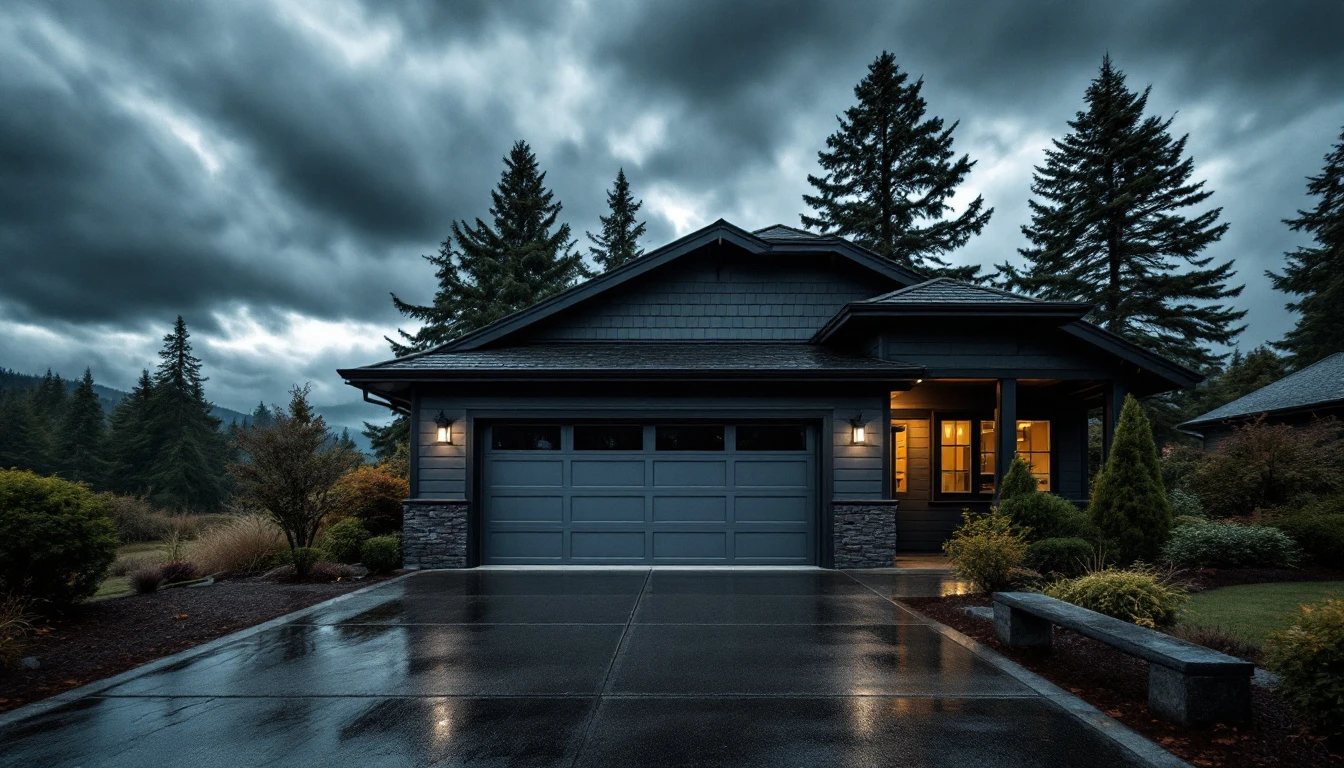
Why do large detached shop doors in Brush Prairie fail more often than standard residential garage doors? Understanding large garage door maintenance Brush Prairie requires examining the answer: three converging stress factors that create unique maintenance challenges for rural property owners.
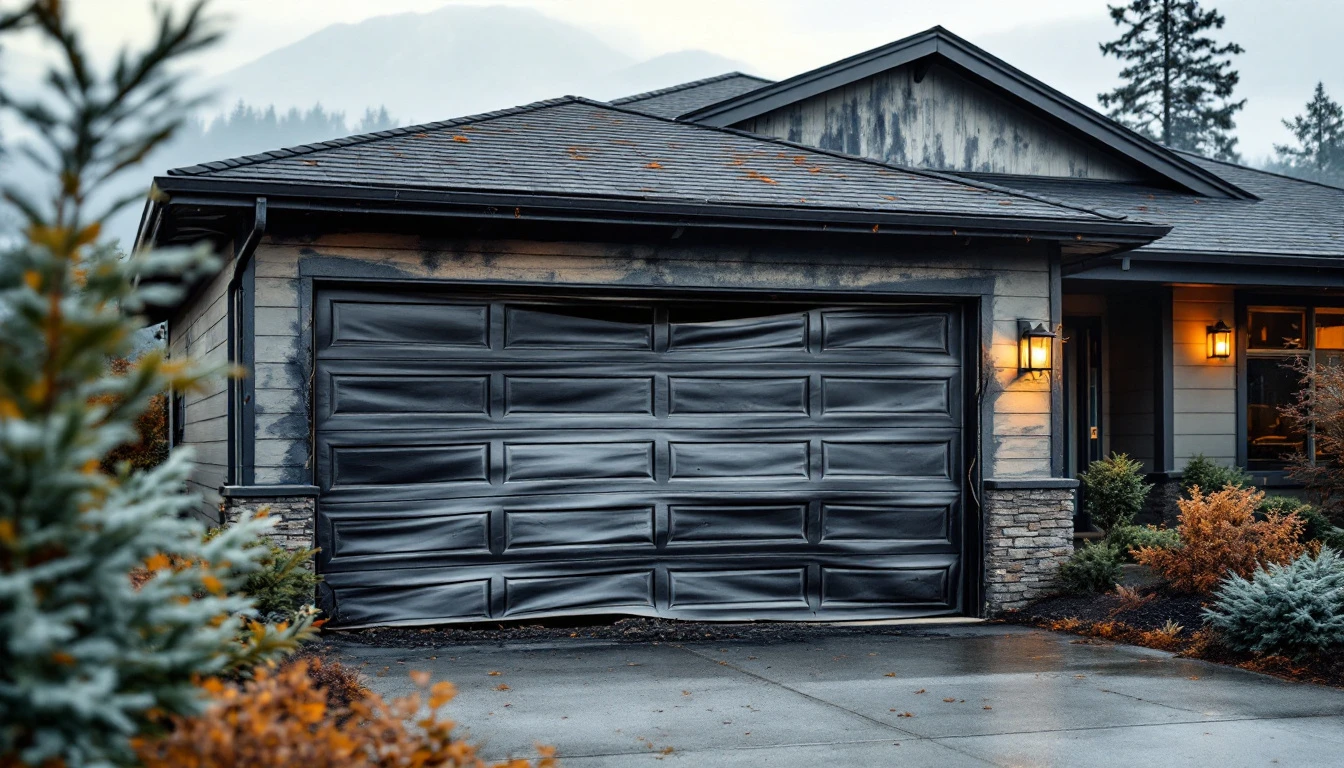
Heavy equipment loading cycles place concentrated stress on oversized shop doors that residential systems never experience. When you drive a tractor, utility vehicle, or loaded pickup through a 12-foot or 16-foot opening multiple times per week, the door panels flex under lateral pressure. This repeated flexing fatigues the metal and stresses connection points. Standard residential doors typically open for passenger vehicles weighing 3,000 to 4,000 pounds, but shop doors accommodate equipment that can exceed 10,000 pounds with implements attached.
Pacific Northwest windstorms expose these large panels to tremendous lateral force. A 16-foot-wide door presents more than double the surface area of a standard 8-foot door, catching wind like a sail. Brush Prairie’s rural setting compounds this exposure—properties lack the windbreak protection that trees and neighboring buildings provide in urban areas. When east winds funnel through the Columbia River Gorge. Rural shops face the full brunt without buffering.
Spring tension and track alignment degrade faster under this combination of heavy use and weather stress. The same components that might last 10,000 cycles on a residential door may need attention after 5,000 cycles on an oversized shop door handling heavy equipment.
Spring Tension Inspection Protocol for Large Garage Door Maintenance
Before Brush Prairie’s busy May equipment season begins, dedicate fifteen minutes to checking your shop door springs. Heavy-duty garage door spring tension inspection prevents component failure in doors enduring constant cycling from tractor and implement movement, making them vulnerable to winter damage that worsens during active months.
Start with a visual inspection checklist. Examine both springs for the following conditions:
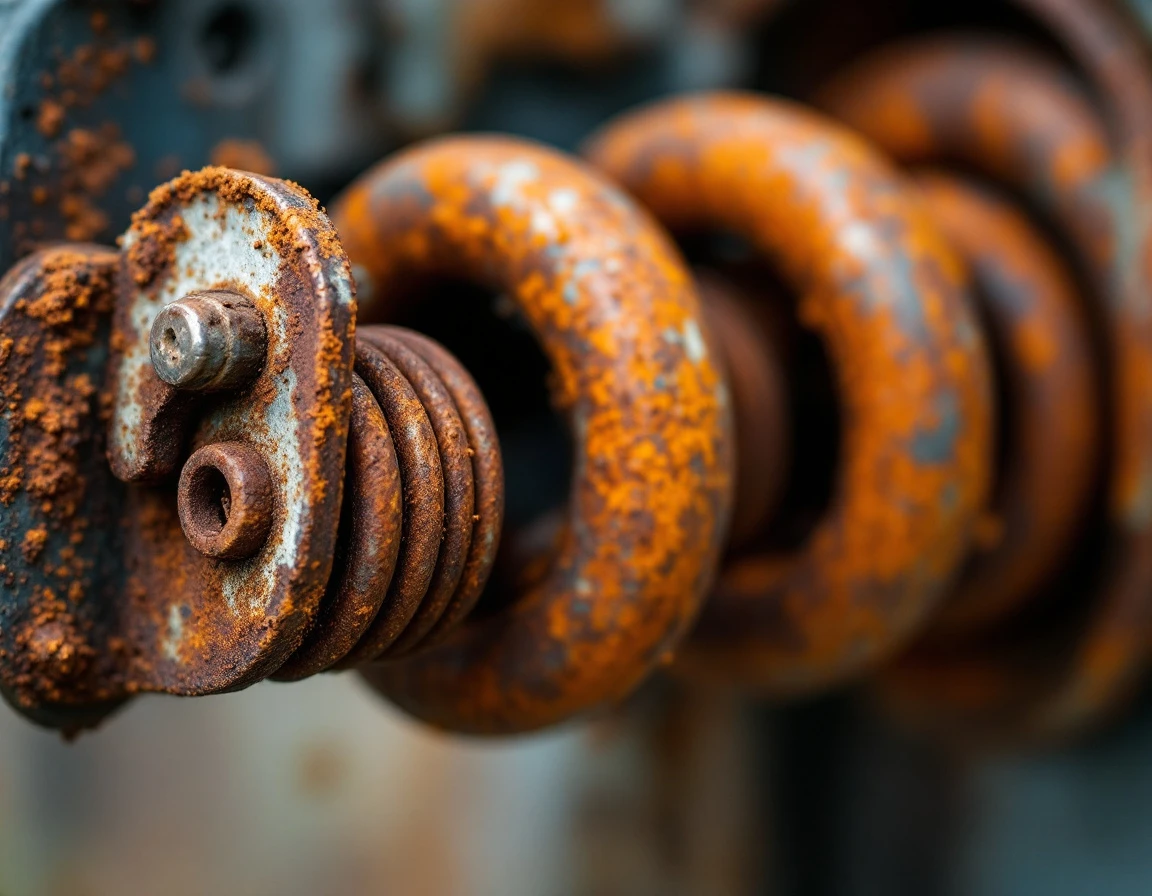
- Rust spots or scaling. Which indicate moisture penetration weakening the metal
- Metal fatigue cracks near the coil ends where stress concentrates during thousands of lift cycles
- Oil seepage at bearing points—this suggests worn components allowing lubricant to escape
- Coil spacing along each spring’s length; uneven gaps signal stretched or damaged sections
The closed-door balance test reveals tension problems without specialized gauges. First, disengage the automatic opener by pulling the emergency release handle. With the door fully closed, manually lift it three feet. A properly tensioned spring system holds the door steady at this height without drifting up or down.
If one side rises faster than the other, or the door won’t stay put, your springs have lost tension balance.
This imbalance forces the opener motor to compensate, accelerating wear on cables, rollers, and the opener itself. Uneven spring tension also causes panel misalignment that damages weather seals—a serious concern given Brush Prairie’s exposure to east Gorge winds and rural property garage door windstorm damage risks.
If your balance test shows uneven lift or your visual inspection reveals corrosion and spacing irregularities, contact a garage door specialist immediately. Spring replacement requires calibrated tools and safety equipment to handle forces exceeding 200 pounds. May inspections catch winter damage before summer’s heavy use transforms minor issues into complete system failures.
Track Alignment Under Heavy Loads
When you drive a tractor or utility vehicle through your shop door several times a week, the concentrated weight creates uneven stress on the track system. Oversized panels in commercial shop door track alignment situations distribute loads differently than standard residential doors—and when tracks drift even slightly out of alignment, that stress amplifies exponentially. The rollers bind, the motor strains, and component wear accelerates.
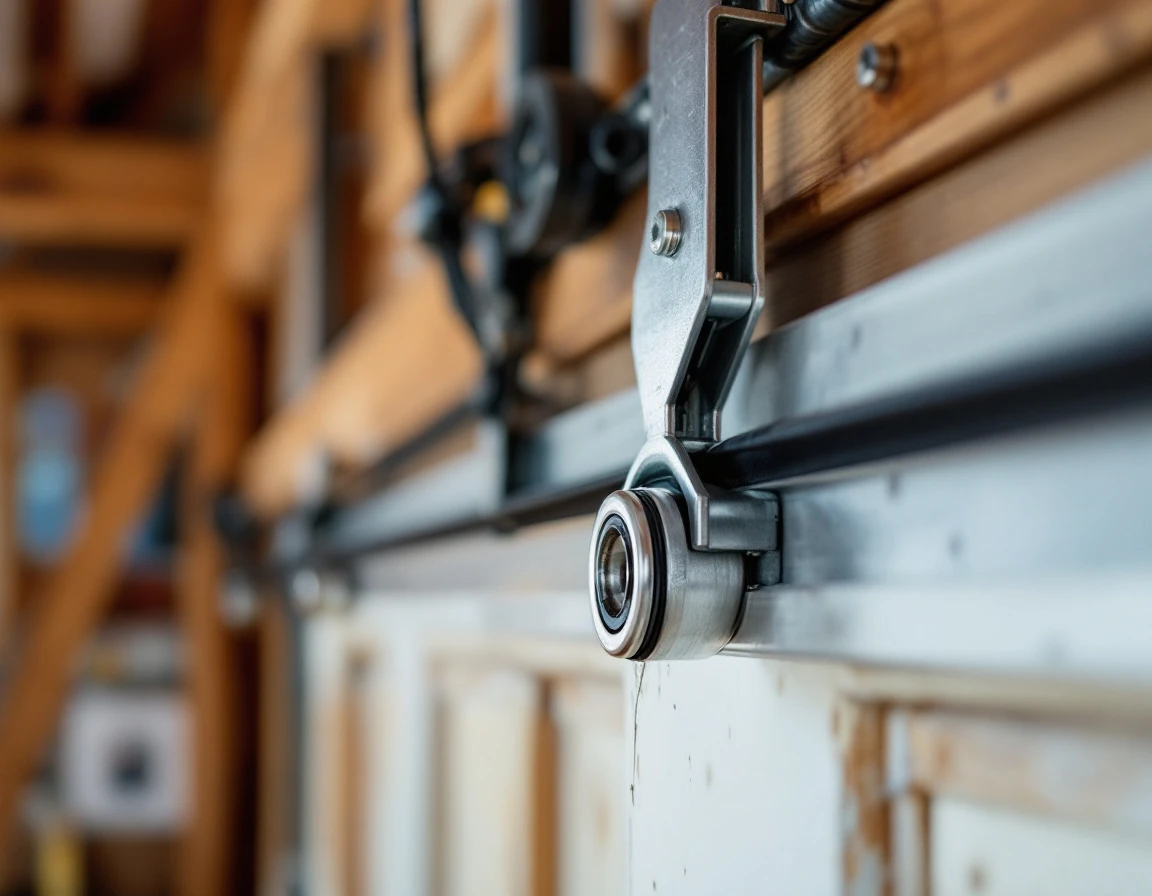
Open your door fully and look at the gap between each roller and the track. Does the spacing appear consistent from top to bottom? Run your hand along the door’s edge as you manually lift it about three feet. Do you feel binding or resistance at any point? These simple checks reveal alignment drift before it causes operational failure.
What can you adjust yourself? Tighten loose track mounting bolts and clear debris from the track channel. What requires professional equipment? Any attempt to bend, reshape, or reposition tracks. The precision tools needed to restore proper alignment without creating new stress points sit firmly in specialist territory.
Weatherstripping for Windstorm Protection
Brush Prairie’s exposure to Pacific Northwest windstorms demands heavy-duty weatherstripping rated for commercial use, not the residential-grade materials found at hardware stores. Large detached garage door weatherstripping specifications require materials capable of handling oversized panels presenting massive surface area for wind force, creating pressure that tears through standard vinyl gaskets or foam strips.
Inspect your weatherstripping by closing the door completely and walking the perimeter in a darkened shop. Light penetration around edges signals seal failure. Press the bottom seal and side jamb gaskets with your fingers—compression loss indicates material breakdown. Worn weatherstripping fails under wind pressure, allowing water infiltration that accelerates track rust and creates structural stress on mounting hardware.
Vinyl and foam gaskets degrade in 3-5 years under wet climate conditions. Upgrade to EPDM rubber seals or commercial-grade vinyl gaskets rated for heavy-duty applications. EPDM resists moisture damage and maintains flexibility through temperature swings common in rural settings without building protection.
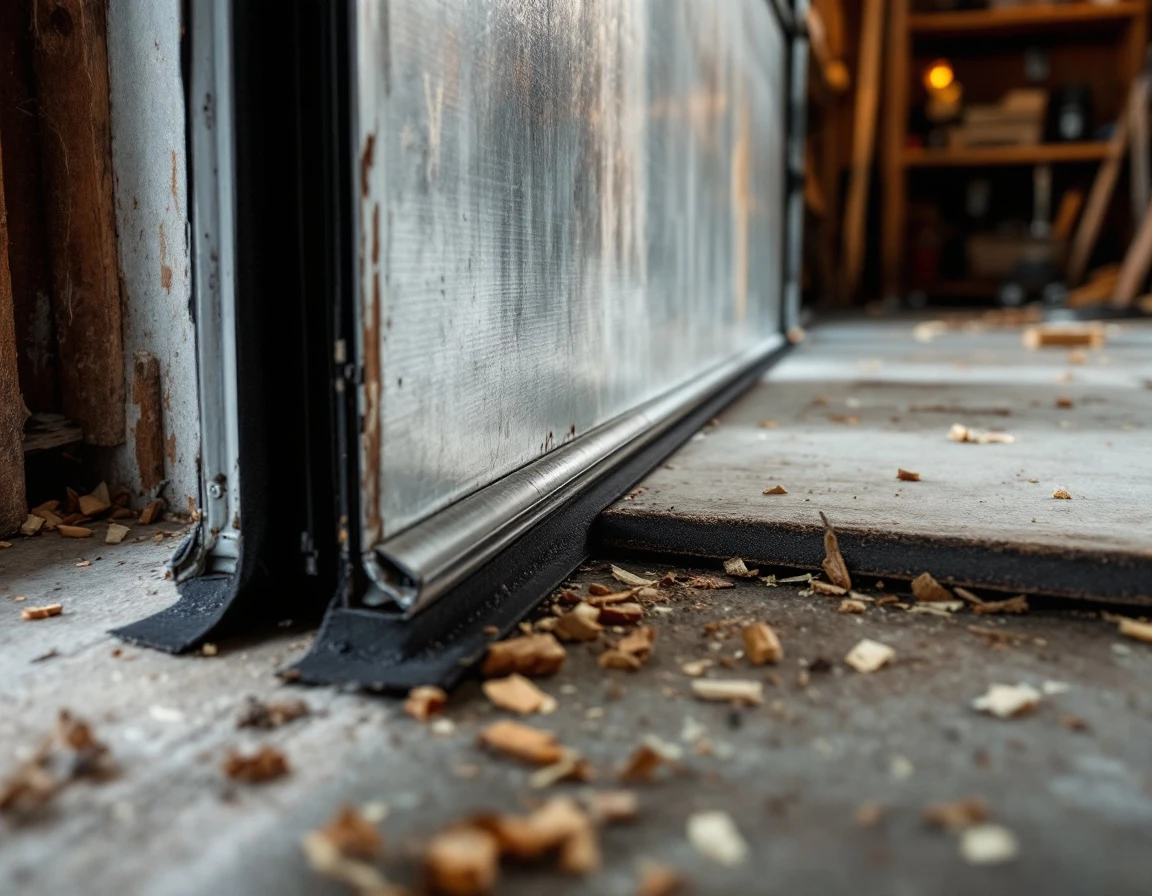
Install bottom seals by sliding the T-shaped profile into the door’s bottom retainer, trimming ends flush with corners. Side jamb weatherstripping attaches with screws every 12 inches, compressed just enough to seal without binding door travel. Replacement in May prevents summer storm damage and winter rain infiltration before wet season returns.
Weatherstripping Material Selection
EPDM rubber outperforms vinyl foam in Brush Prairie’s humid climate because it maintains flexibility through temperature swings from winter frost to summer heat. Vinyl foam absorbs moisture during extended wet periods, leading to compression set that creates gaps along the bottom seal.
Commercial-grade gaskets deliver 5-7 years of service compared to 3-4 years for standard products, justifying their premium cost. This extended lifespan matters when your shop door faces windstorm pressure amplified by large panel surface area.
Focus bottom seal replacement on water barrier performance during heavy spring rains. A failing bottom seal allows pooling that accelerates rust formation on steel door panels and promotes mold growth in shop interiors.
May Maintenance Checklist & When to Call
A complete May inspection consolidates all three maintenance strategies into one routine before equipment loading season begins. Perform the following checks:
- Spring balance test. Disconnect the opener, manually lift the door halfway, and release. The door should stay in place without drifting. If it drops or rises, spring tension requires adjustment—contact a specialist.
- Track alignment. Close the door completely and inspect roller placement in both vertical and horizontal tracks. Rollers should sit centered without touching track edges. Tighten loose mounting bolts with a socket wrench. If tracks show visible separation from the wall or bend more than a quarter-inch, professional realignment prevents premature roller failure.
- Weatherstripping. Examine the bottom seal and side jambs. Press firmly against all seals—you should feel resistance without gaps. Replace any hardened, cracked, or compressed sections before June storms arrive. EPDM rubber seals handle Brush Prairie wind exposure better than standard vinyl.
Red flags requiring immediate specialist attention include corroded spring coils showing rust penetration, bent or wobbling rollers, track mounting brackets pulling away from framing, and weatherstripping gaps wider than a pencil thickness.
May represents the critical maintenance window before late-summer equipment hauling begins and before fall windstorms test every component. Schedule repairs now to prevent mid-season failures during your busiest months.