High Elevation Physics of Spring and La Pine Spring Replacement Freeze-Thaw Damage
At 4,200 feet elevation, La Pine experiences extreme temperature swings that create unique stress on garage door springs through repeated freeze-thaw cycles. Understanding how La Pine spring replacement addresses freeze-thaw damage helps homeowners protect their doors before winter arrives.
La Pine sits at 4,200 feet elevation
La Pine sits at 4,200 feet elevation where freeze-thaw cycles create extreme metal stress that homeowners at lower elevations rarely encounter. Winter temperatures swinging from 15°F overnight to 40°F by afternoon force spring coils to expand and contract repeatedly, creating microscopic fractures in the metal.
These daily expansion cycles accumulate stress with each temperature change. The steel coils contract when cold, pulling the molecular structure tighter, then expand when warming, stretching the metal back out. Over hundreds of freeze-thaw cycles each winter, this constant flexing weakens the spring’s structural integrity from the inside out.
Lower Elevation Areas Experience Slower, More Gradual Temperature Changes
At elevations below 2,000 feet, temperature swings happen over longer periods, giving metal springs time to adjust without internal stress. This gradual warming and cooling reduces the fatigue accumulation that shortens spring lifespan.
In contrast, La Pine’s 4,200-foot elevation creates rapid daily cycling that forces springs through multiple expansion-contraction cycles each day. Metal fatigue accumulates faster in high elevation freeze-thaw cycles springs because the material never gets a break from thermal stress, especially during winter months when daily temperature ranges are widest.
Spring Failure Warning Signs
Before a garage door spring fails completely, it broadcasts several clear warnings. In La Pine’s harsh high-elevation climate, these signs typically appear 2-4 weeks before total failure, giving you a critical window to schedule professional replacement.
- Squeaking or grinding sounds when your door opens or closes signal coil stress from freeze-thaw micro-fractures. Each time the metal expands and contracts during our extreme daily temperature swings from 15°F to 40°F, tiny cracks form in the spring coils. These fractures create friction between the coils, producing audible noise as the weakened metal rubs against itself.
- Uneven door opening reveals that one spring is weakening faster than its pair. You’ll notice one side of the door rises slower than the other, or the door hangs at an angle during operation. This happens because freeze-thaw damage springs don’t affect both springs equally—the spring facing prevailing winds or receiving less sunlight deteriorates faster.
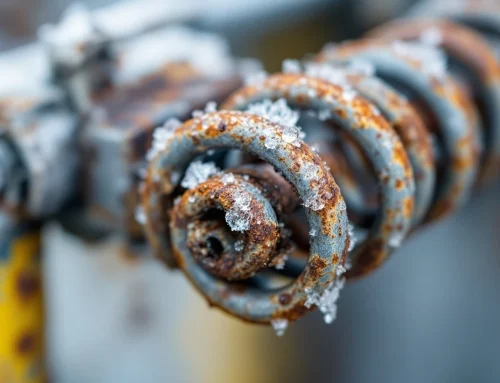
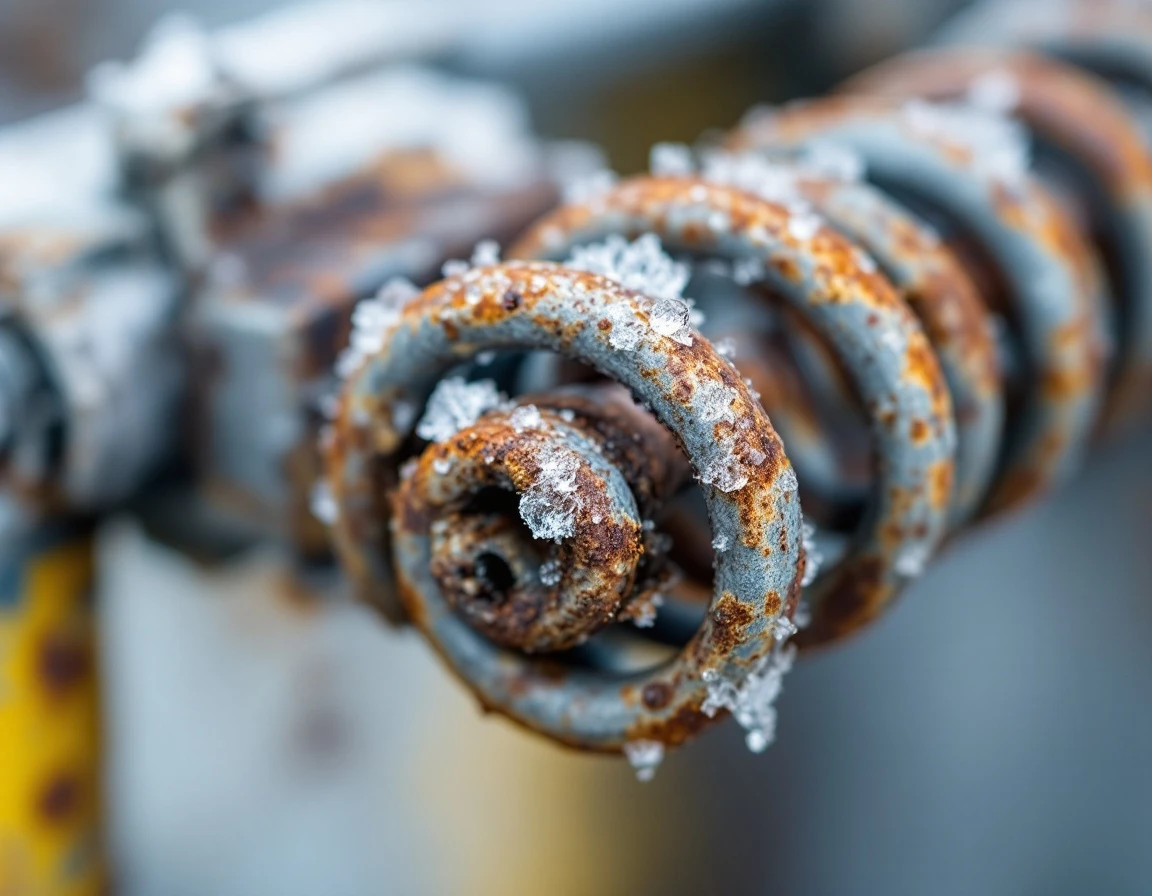
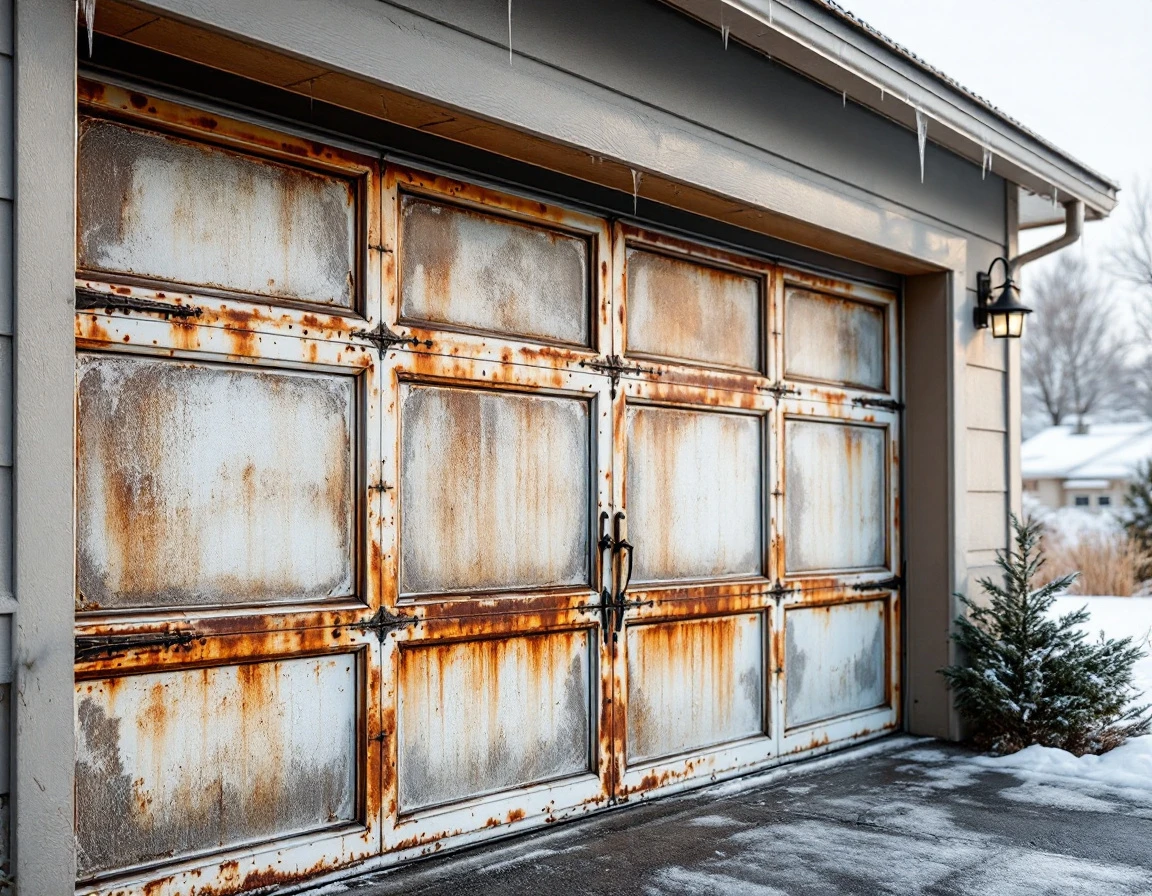
- Visible rust spots on springs indicate corrosion accelerated by moisture trapped during freeze-thaw cycles. When ice crystals form on the metal and repeatedly melt, they leave behind moisture that oxidizes the steel. This rust eats away at the spring’s surface, reducing its load-bearing capacity.
- A sagging door or slower operation means your springs have lost tension and can no longer counterbalance the door’s weight properly. This final warning sign precedes complete failure by just days or weeks. Catching these signs now, in May, allows time for safe professional spring replacement before next winter’s stress begins.
Why Professional Replacement Matters
Have you ever wondered why garage door spring replacement isn’t a DIY project? The answer is simple: springs under extreme tension can cause serious injury or death if mishandled. Each spring holds more than 300 pounds of tension, enough force to break bones or worse. At La Pine’s 4,200-foot elevation, where freeze-thaw cycles place extra stress on spring components, attempting amateur installation puts you at even greater risk.
Professional technicians use specialized tools designed specifically to safely handle pre-stressed coils. These include winding bars calibrated to the exact shaft diameter, clamps that secure the spring during installation, and load-testing equipment that verifies your door’s weight matches the spring calibration.
In La Pine’s harsh winter conditions, professionals can also assess whether both springs need replacement—a determination that requires evaluating freeze-thaw damage patterns invisible to untrained eyes.
The cost-benefit analysis makes professional service an obvious choice. Investing in expert installation now prevents spring failure mid-winter, when emergency repairs become far more expensive and inconvenient. Professional work includes load-testing to verify safe operation through winter stress cycles, giving you confidence that your garage door will function reliably when temperatures plunge below zero. Contact us today to schedule your pre-winter spring replacement and avoid costly emergency fees.
Pre-Winter Replacement Timeline
La Pine homeowners should schedule La Pine garage door spring failure winter prevention between late May and August to avoid the freeze-thaw gauntlet that begins in late September. This four-month window gives you plenty of time to book professional service before winter stress amplifies spring wear. Right now, in May 2026, you still have four months before the first cold snaps arrive.
Spring replacement typically takes just 1-2 hours, but scheduling delays push jobs into September when freeze-thaw cycles already stress weakened springs. By late September, overnight temperatures in La Pine drop below freezing while daytime highs reach 60°F—exactly the thermal cycling that accelerates metal fatigue.
October and November bring intensifying freeze-thaw cycles as snow begins to accumulate. Springs that showed warning signs in summer now face peak failure risk. If you wait until winter, you’re looking at premium emergency pricing and longer wait times during December through February when service calls spike across Central Oregon.
Contact Garage Harmony today for a professional spring assessment. Scheduling before June prevents both the physical danger of sudden failure and the financial penalty of winter emergency rates.
Cost-Benefit Analysis Now vs. Winter
What does waiting actually cost La Pine homeowners? The financial gap between proactive spring replacement and winter emergency repair tells the story: professional spring replacement during the warm months costs much less than calling for emergency repairs once winter weather arrives.
Why such a difference? When temperatures drop below 20°F in La Pine, three cost factors converge. First, technicians charge premium rates for emergency calls during harsh weather—often double their standard service fees. Second, parts become harder to source when regional demand spikes during cold snaps. Third, scheduling extends to 2-3 weeks as service companies work through backlogged emergency calls.
The hidden costs of delaying hit even harder. If your spring fails in December, you’re facing towing fees to extract your vehicle, complete loss of garage access during storms, and immediate security risks with an open or stuck door. One failed spring can trap your car inside during a medical emergency or leave your garage vulnerable to wildlife intrusion.
Think of professional replacement now as risk management—spending $400-500 today buys certainty and prevents a $1,000+ winter crisis. Load-tested professional springs installed before why springs fail in cold weather La Pine stress begins last 10-15 years even through La Pine’s extreme freeze-thaw conditions. Lower elevation homeowners in Bend or Redmond don’t face this same pressure because their milder winters don’t create the same failure risk timeline.
Next Steps for La Pine Homeowners
If you’ve noticed any warning signs or simply want to avoid emergency repairs during the harsh winter months, schedule a professional inspection immediately. At Garage Harmony, we offer free assessments that identify spring condition and predict remaining lifespan based on your door’s wear patterns.
Getting a written quote before June lets you lock in standard rates rather than paying premium emergency pricing. Document any unusual noises, rust spots, or uneven door movement to share with your technician—these details help us diagnose problems faster and provide accurate estimates.
Plan your replacement during the calm weather window from June through July. La Pine’s current springs are degrading daily after the recent freeze-thaw cycles that ended in May. Acting within the next 2-3 weeks prevents the September scheduling rush and keeps you ahead of October’s first freeze.
Professional spring replacement is a routine service that prevents the dangerous, costly failure scenario we’ve discussed. Contact us today to schedule your free assessment and protect your home before winter returns.