La Pine Garage Door Springs Freeze Thaw Damage
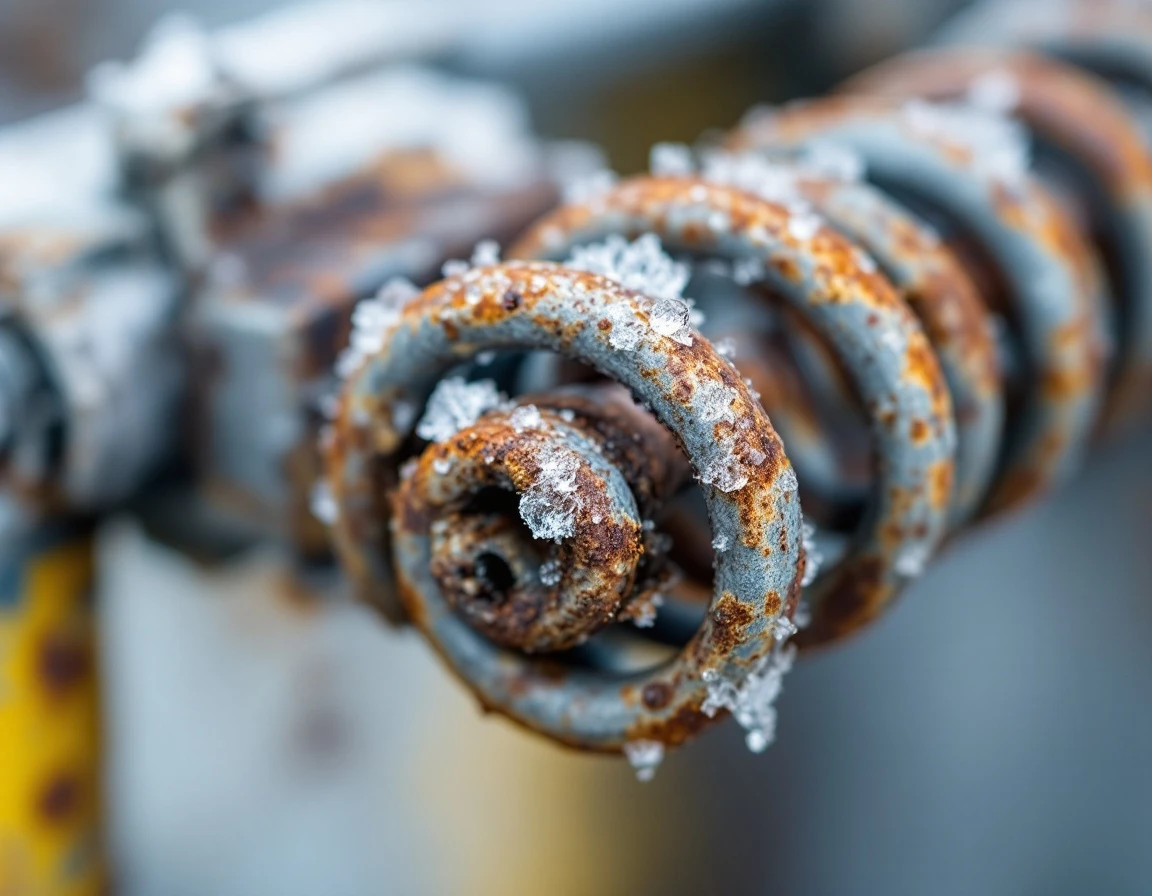
La Pine sits at 4,200 feet elevation, where winter temperatures swing from 15°F to 40°F. These extreme fluctuations create a relentless cycle of expansion and contraction in your garage door springs. When temperatures drop, metal contracts. When they rise, metal expands. This constant movement stresses the metal at the molecular level, creating microscopic cracks that grow with each cycle. La Pine garage door springs freeze thaw damage happens repeatedly through the winter season, weakening the springs’ ability to support your garage door safely.
How often does this happen? In high-elevation areas like La Pine, freeze-thaw cycles occur 40 to 60 times per winter season. That’s 40 to 60 opportunities for metal fatigue to advance. Compare this to Portland or Salem, where milder coastal temperatures produce far fewer extreme swings. The result is measurable: springs fail 30 to 50 percent faster in La Pine than in lower-elevation Oregon communities.
This isn’t just wear and tear—it’s accelerated aging driven by climate science. Each freeze-thaw cycle weakens the spring’s tensile strength. Over time, the accumulated stress reaches a breaking point, often without warning. Understanding this regional risk helps you move from reactive repairs to preventive maintenance. Protecting both your safety and your budget before winter arrives.
Spring Failure Signs
Knowing what to look for during a spring inspection can save you from a dangerous failure when temperatures drop. La Pine’s harsh freeze-thaw cycles accelerate spring degradation, so warning signs appear earlier here than in lower-elevation Oregon communities. Here are the four critical indicators that demand immediate attention.
Visual Surface Damage
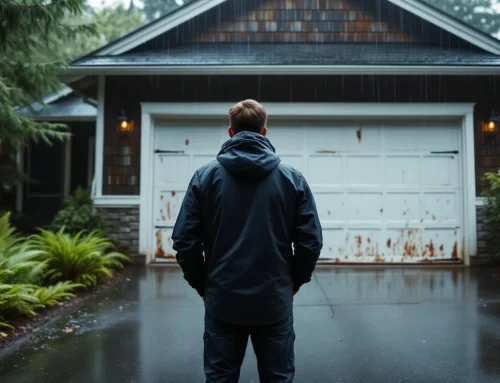
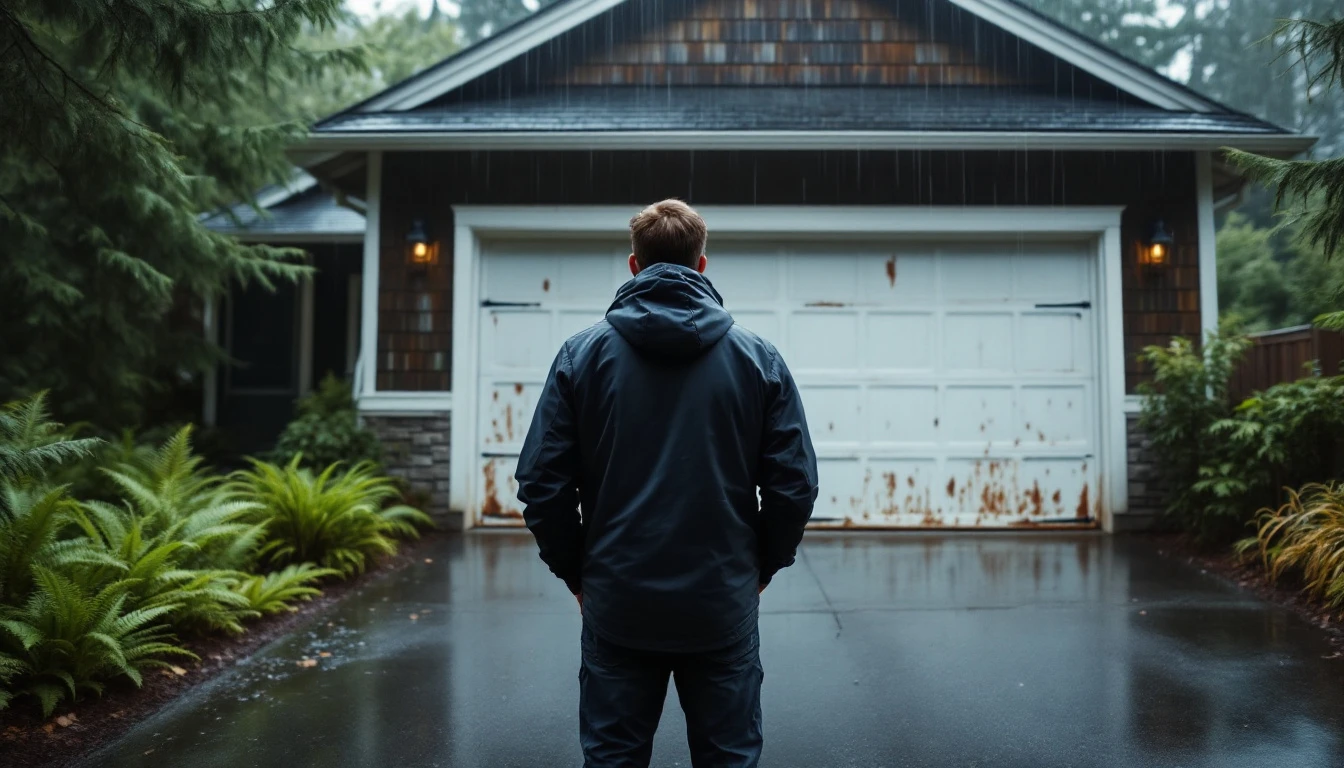
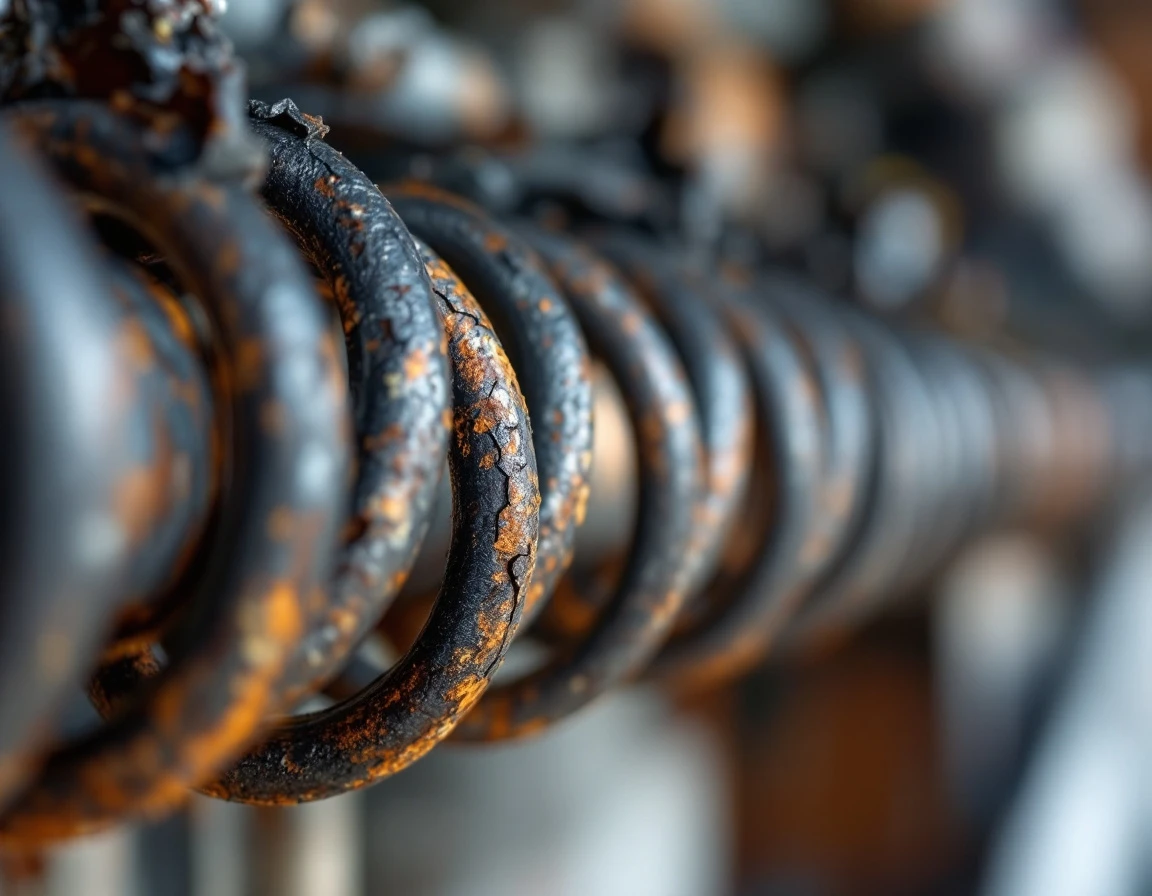
Examine your springs closely for rust, pitting, or discoloration on the metal surface. These aren’t just cosmetic issues—they indicate the protective coating has failed and moisture is attacking the steel itself. In La Pine’s 4,200-foot elevation, condensation forms on cold springs during temperature swings, then freezes and expands in surface cracks. This process deepens pitting with each cycle, weakening the metal from the outside in. Springs showing rust spots are already compromised and will fail sooner than expected.
Performance Changes
Does your garage door move slowly, jerk, or feel heavier than it did six months ago? Springs lose tension gradually as metal fatigue sets in, meaning your opener works harder to lift the door. If the door sags unevenly or won’t stay balanced when you stop it halfway up, one spring is weaker than the other—a clear sign one is approaching failure.
Audible Warnings
Creaking, groaning, or popping sounds during operation mean spring coils are rubbing against each other abnormally or binding on the shaft. These noises indicate the spring has lost proper tension or developed stress fractures inside the coils. In freeze-thaw climates, these internal cracks spread faster because brittle cold metal can’t flex normally. If you hear these sounds, schedule an inspection before winter arrives.
Inspection Checklist
Before La Pine’s first hard freeze arrives, perform this three-step safety inspection. First, visually examine each spring for rust spots, surface pitting, or hairline cracks—any of these indicate metal fatigue from freeze-thaw cycling and mean the spring is approaching failure. Second, conduct the balance test: disconnect the opener and manually lift your door halfway. A properly tensioned spring holds the door level at this position. If it sags or rises, spring tension has degraded unevenly.
Third, listen during operation. Grinding sounds indicate worn bearings or rollers. Popping or creaking noises often signal springs stretching beyond their designed limits. What do these findings mean? Each warning sign represents a specific mechanical failure mode that worsens rapidly in cold conditions. If you identify any of these issues, contact a professional immediately—spring replacement requires specialized tools and poses serious injury risks for DIY attempts.
Winter Replacement Timeline
At La Pine’s 4,200-foot elevation, the first hard freeze can arrive by mid-September, making June through August your critical replacement window. Waiting until you hear that telltale snap means arranging emergency service when roads are icy and technicians are juggling storm calls. Emergency replacements during Central Oregon winters strain both your budget and scheduling options compared to planned summer installations, and attempting temporary fixes yourself on a frozen door creates real safety risks.
Professional spring replacement takes just 1-2 hours when conditions are favorable. Our team at Garage Harmony carries the correct springs and tools to complete the job safely, even on La Pine’s coldest days. A garage door spring replacement in La Pine before winter is dangerous when metal is brittle and increases the risk of sudden failure during adjustment. When you schedule replacement before winter, you’re investing in safety and avoiding the premium pricing that comes with emergency calls.
Professional Replacement Benefits
Garage door springs store enough tension to lift 300-400 pounds, and attempting DIY replacement in La Pine’s cold climate puts homeowners at serious risk. When springs are under compression stress from freezing temperatures, the release of tension during removal can cause severe injuries. Professional technicians use specialized tools and training to safely manage this high-tension process, protecting you from dangerous spring recoil.
What sets professional service apart? Technicians install springs specifically rated for high-elevation freeze-thaw stress, which means your replacement lasts through La Pine’s harsh winters at 4,200 feet. Standard big-box springs aren’t designed for the 40-60 temperature cycles your garage endures each season. Professional installation includes a complete balance check. High-temperature lubrication that won’t freeze, and rigorous safety testing of cables, tracks, and rollers.
The real benefit comes down to peace of mind. When you schedule professional garage door repair in La Pine before winter, you avoid the nightmare scenario of a spring breaking mid-season when temperatures drop below zero. Emergency winter replacements cost 20-40% more and put you at risk during frozen conditions. Even better, professional installations typically include warranty coverage that protects against premature failure in Central Oregon’s demanding climate, giving you protection that DIY repairs simply can’t match.
Next Steps for La Pine
If your springs were installed more than three years ago, schedule an inspection before early July to assess their current condition. Document when your springs were installed and any maintenance history you have—this information helps technicians determine whether replacement is needed now or can wait another season.
For springs showing rust, pitting, or any of the warning signs covered earlier, plan professional replacement before August. Summer appointments are easier to schedule, and you’ll beat the rush when La Pine homeowners face emergency failures during the first hard freeze in October or November.
After replacement, ask your technician about preventive lubrication schedules. Regular lubrication protects new springs from moisture and extends their service life—a small investment that pays off in La Pine’s harsh freeze-thaw climate.
Contact Garage Harmony today to schedule your pre-winter spring inspection and protect your garage door from winter failures.