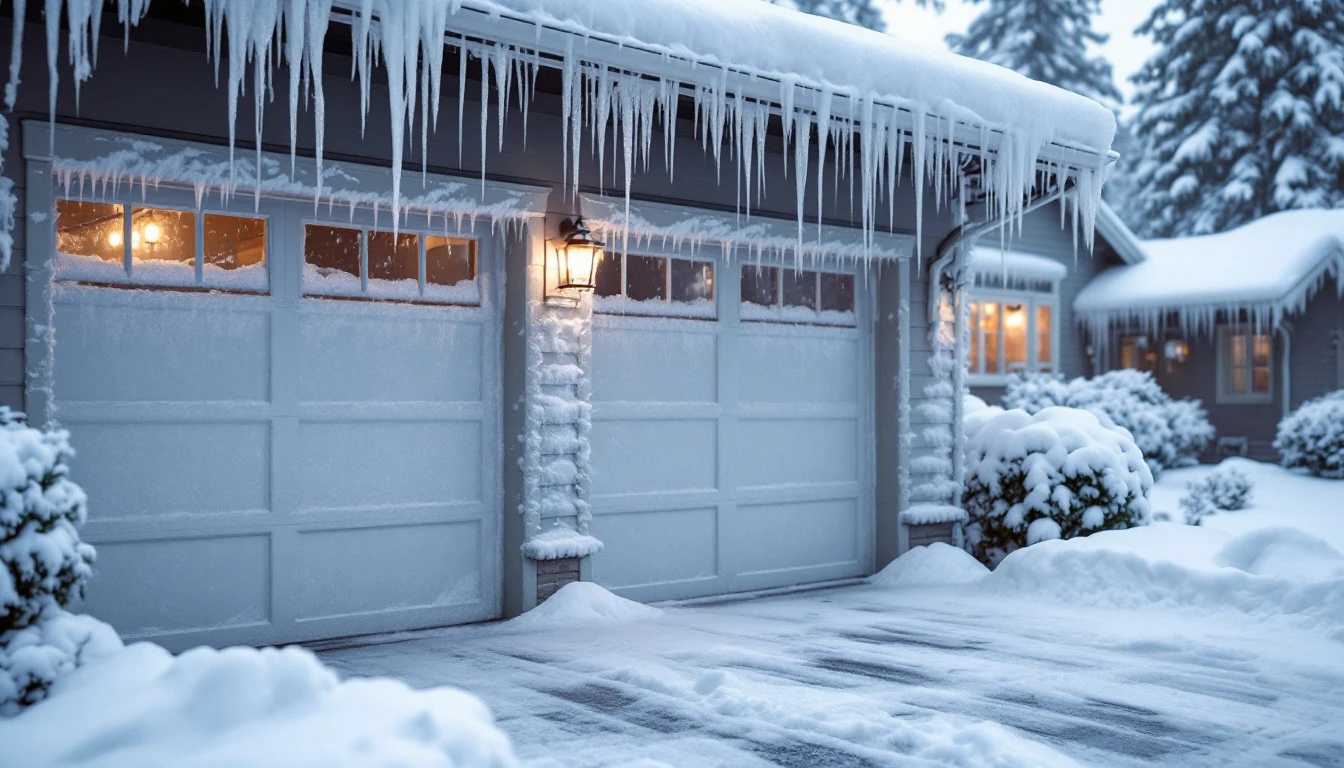
Oregon Winter Snow Risks for Garage Doors
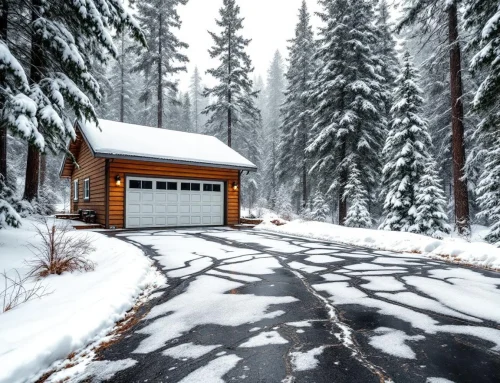
Snow load damage is the leading cause of garage door failure in Oregon winters. When heavy snow accumulates on garage door panels, the weight can exceed 400 pounds per square foot, causing serious structural strain on springs, rollers, and panel integrity. Does your garage door system have the capacity to handle garage door winter snow Oregon conditions and this kind of pressure?
The shift from dry fall weather to active snow season in November creates a narrow window for preventive action. Delaying repairs during heavy snow season means facing emergency service surcharges and waiting weeks for available technicians. November through February sees peak garage door damage claims across the Pacific Northwest, leaving homeowners scrambling for solutions.
Acting now in October gives you the time to address vulnerabilities before the first major snowfall hits. Don’t wait until your garage door fails under the weight of winter weather.
Five Critical Inspections
Before the first snow blankets your Oregon property, walk through these five inspections to identify vulnerabilities that could lead to winter failures. Each task targets a specific component that bears the brunt of snow load stress.
- Visual Door Inspection for Existing Damage
- Track Alignment and Debris Clearance
- Spring Tension and Cable Condition
- Weather Sealing and Insulation Evaluation
- Opener Force Settings and Safety Reversal Test
1. Visual Door Inspection for Existing Damage
Examine your garage door panels for dents, cracks, warping, or misalignment. These existing weaknesses become failure points under heavy snow accumulation. This is a DIY-friendly inspection—stand back and look for gaps between panels or doors that don’t sit flush with the frame. If you spot structural damage. Call a professional before snow arrives.
2. Track Alignment and Debris Clearance
Check that tracks are parallel and free from leaves, dirt, or corrosion. Misaligned tracks force the door to work harder, which drains opener motors and creates friction that worsens in freezing temperatures. Run a cloth along the tracks and watch the door’s movement pattern. Minor debris removal is DIY territory, but bent or twisted tracks need professional realignment.
3. Spring Tension and Cable Condition
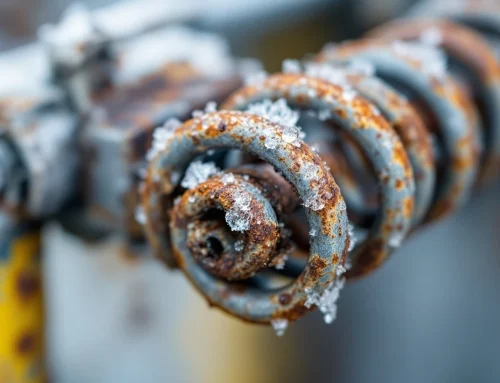
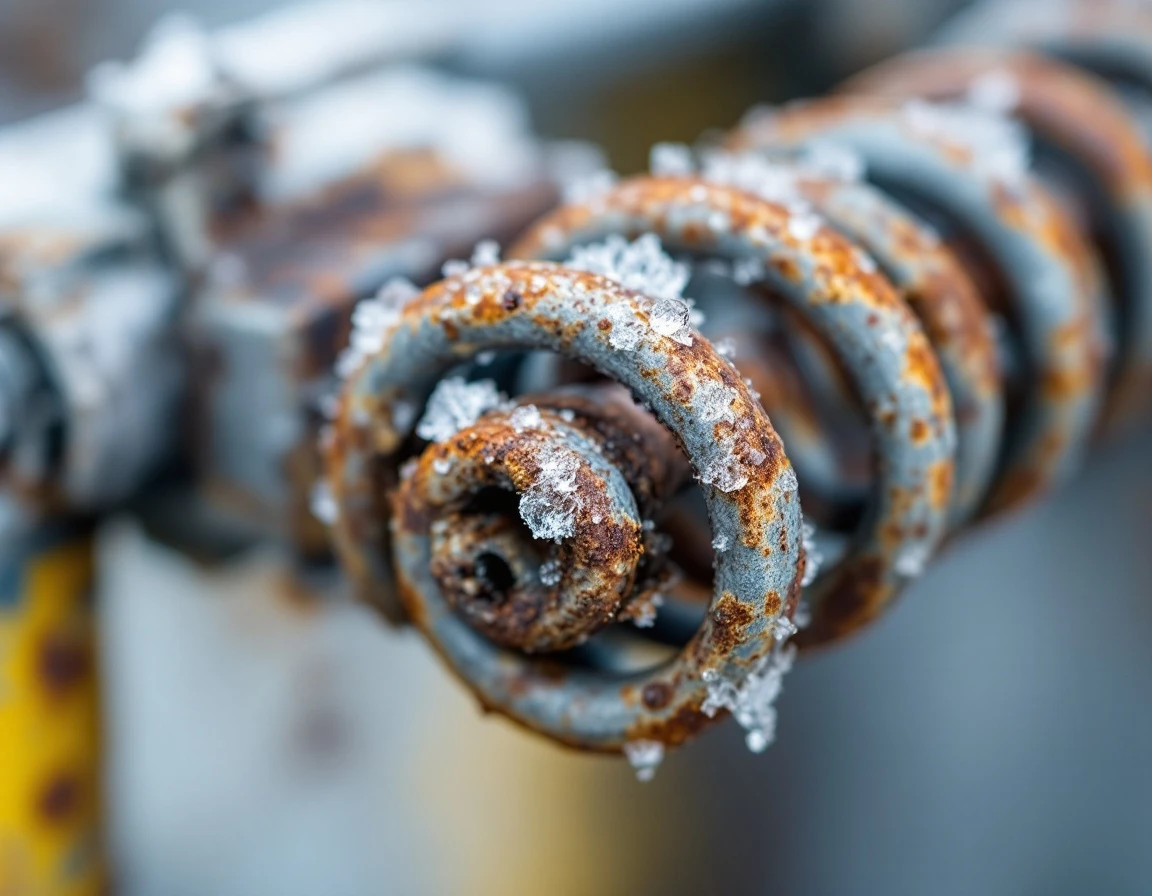
Inspect springs for rust, gaps in coils, or visible wear, and check cables for fraying. These components counterbalance your door’s weight—when compromised, they can snap under the added stress of snow load. Never adjust spring tension yourself. This is dangerous work that requires professional tools and expertise.
4. Weather Sealing and Insulation Evaluation
Test door seals by closing your door and looking for light gaps or drafts. Damaged seals allow moisture infiltration that freezes doors shut. Replacing bottom seals is a simple DIY task, but full weatherstripping installation may warrant professional help for proper fit.
5. Opener Force Settings and Safety Reversal Test
Place a roll of paper towels under your closing door. It should reverse immediately on contact. Adjust force settings according to your opener manual, or schedule a professional tune-up if the system feels sluggish. For a complete seasonal maintenance guide. Visit our resource library.
Track Cleaning and Alignment
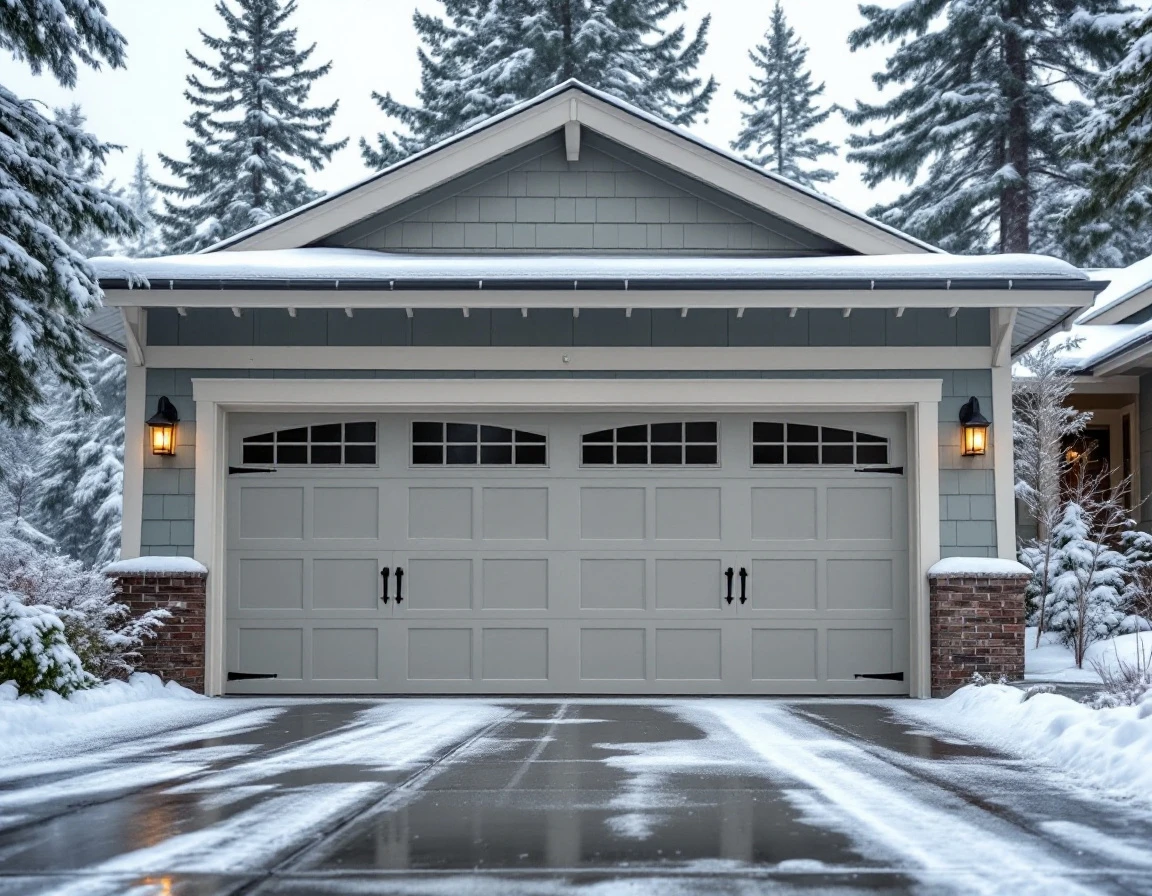
October’s fallen leaves, dust, and debris settle into your garage door tracks, creating friction points that become major problems once November snow arrives. When snow weight pushes down on your door, clogged tracks prevent smooth movement and force your opener to work harder. This extra strain can burn out motors or damage door panels.
Start by cleaning both tracks with a wire brush to remove packed-in dirt and grime. Follow up with a shop vacuum to pull out loose debris. This simple DIY maintenance takes about 15 minutes and prevents most track-related failures.
Watch how your door closes after cleaning. Does it hesitate, stick, or wobble? These warning signs indicate misaligned tracks that need professional attention. Misalignment causes binding and uneven panel stress, which worsens when snow weight increases. If your door doesn’t glide smoothly and close evenly, contact Garage Harmony for professional alignment before winter weather hits.
Spring and Cable Integrity
Garage door springs represent the most dangerous component in your system, and weakened springs can fail catastrophically under increased snow weight loads. Before you even consider touching these high-tension components, look for visible warning signs: rust on the spring coils, fraying cables, gaps in the spring windings, or cables that appear loose or hang unevenly.
Replacing springs in October costs far less than emergency replacement during a blizzard when access to your garage becomes critical and service calls command premium rates.
These symptoms signal imminent failure risk and require immediate professional attention. Professional inspection is non-negotiable for spring condition assessment—contact Garage Harmony today to schedule your pre-winter spring evaluation.
When to Call a Professional for Garage Door Heavy Snow Damage Prevention
Some garage door issues demand expert attention before snow arrives. If you spot visible spring damage, rusted cables, or fraying wires during your inspection, contact a professional immediately—these components operate under extreme tension and can cause serious injury if handled incorrectly.
Does your door refuse to close smoothly or stop mid-cycle? These symptoms point to alignment or spring problems that require specialized tools and training to fix safely. Similarly, if your opener doesn’t reverse when you place an object in its path, you’re dealing with a safety sensor or force setting issue that puts your family at risk.
Scheduling professional inspections in October delivers real financial advantages over waiting. Emergency repairs during November snowstorms cost more due to urgent service fees and limited technician availability. Contact Garage Harmony today for a thorough pre-winter inspection that identifies problems while you still have time to address them on your schedule, not winter’s.
October Action Timeline
Breaking your winter prep into a weekly schedule keeps you on track. Start with a full visual inspection by October 7th while Oregon’s weather remains dry and comfortable. Document what you find—photos and notes help track trends from year to year.
Schedule your professional assessment by October 15th. Before forecasts show heavy snow approaching. This timing gives you a one-to-two-week window for parts delivery or repair completion before November’s storms arrive. Waiting until the first snowfall means competing with emergency calls when technicians are swamped.
Completing these tasks now removes the stress of last-minute fixes and prevents winter snow garage door care issues when snow loads test your door’s weakest points. Contact Garage Harmony today to schedule your pre-winter inspection!