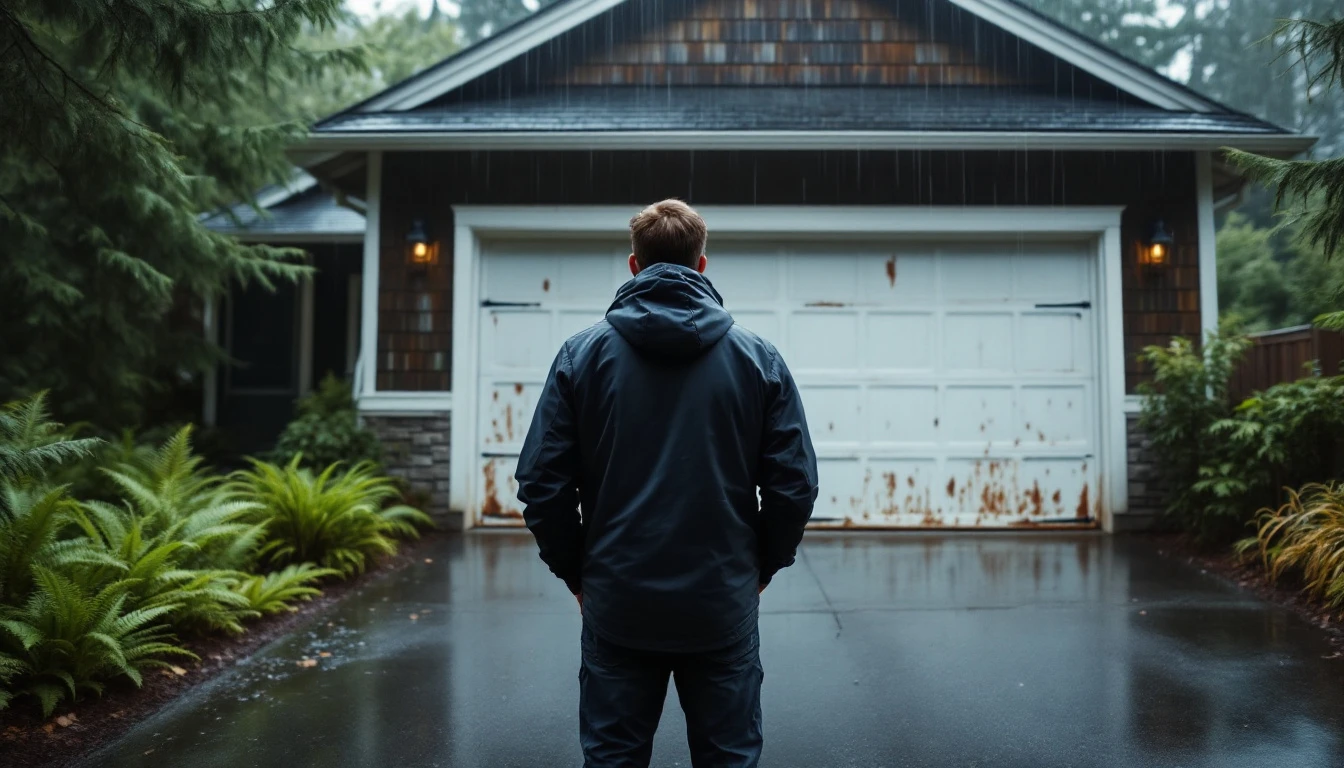
Why La Pine Garage Door Spring Failure Happens at High Elevation
At 4,200 feet elevation, La Pine’s harsh winters create conditions that accelerate La Pine garage door spring failure. Extreme freeze-thaw cycles force metal to expand and contract repeatedly, weakening the molecular structure of torsion springs faster than communities at lower elevations experience.
4,200 ft elevation intensifies freeze-thaw cycles
La Pine’s 4,200-foot elevation creates punishing conditions for garage door springs. Temperature swings of 25°F within 24 hours force metal components through rapid expansion and contraction cycles. Each freeze-thaw event stresses spring coils as metal shrinks in sub-freezing nights and expands during warmer afternoons.
This constant cycling fatigues spring coils 2-3 years faster than components in lower-elevation Oregon communities like Portland or Eugene. Springs designed for 10,000 cycles may reach their breaking point around year 5-7 in La Pine versus the typical 8-10 year lifespan at sea level. The molecular stress accumulates invisibly until catastrophic failure occurs. Freeze-thaw damage garage doors central Oregon at high elevations progresses faster than most homeowners realize.
Thermal stress concentrates at weakest points
Every freeze-thaw cycle attacks your garage door spring where it’s most vulnerable: the anchor bolts that mount the spring to the header, and the connection points where wire coils wind tightest. These areas bear the full force of metal expansion and contraction.
La Pine’s 4,200-foot elevation subjects your springs to more than 90 freeze-thaw cycles annually—nearly double the 40-50 cycles experienced at sea level. Each cycle forces microscopic stress fractures deeper into the metal at these critical junction points. The spring doesn’t fail uniformly; it breaks exactly where thermal stress concentrates most intensely, typically within inches of an anchor bolt or at a coil connection. This pattern of high altitude garage door problems Oregon residents face creates predictable failure points.
Three Warning Signs to Spot Now
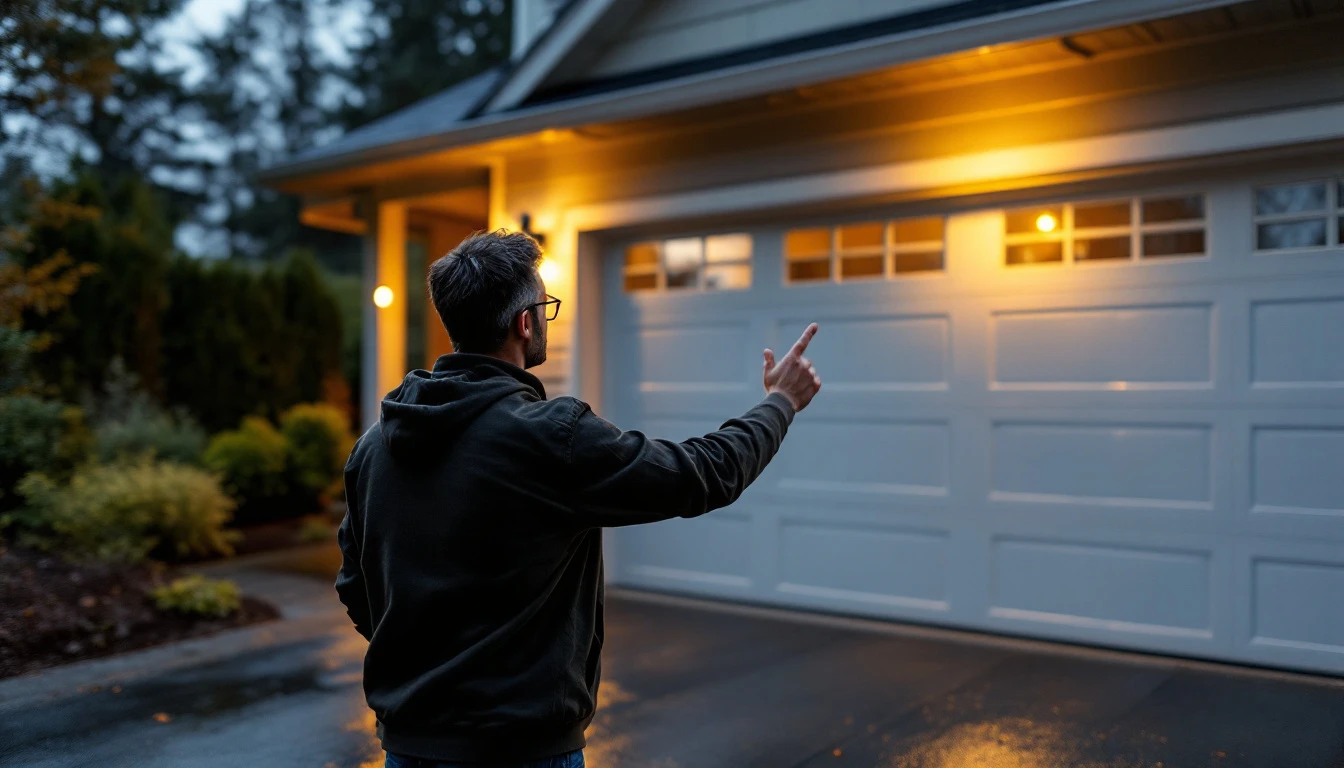
You don’t need professional tools to catch spring failure before it strands you outside in December. Walk into your garage right now and look for these three telltale signs that La Pine’s freeze-thaw cycles are taking their toll.
- Popping or cracking sounds during operation mean individual spring coils are breaking under thermal stress. When you hear these sharp noises as your door opens or closes, metal fibers inside the coil are snapping. This progresses rapidly—what starts as occasional pops becomes complete spring failure within weeks. Urgency level: high. Schedule replacement within two weeks.
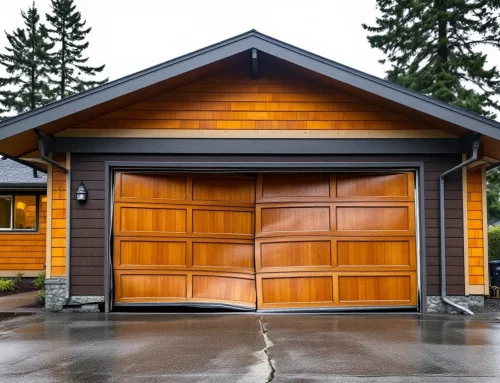
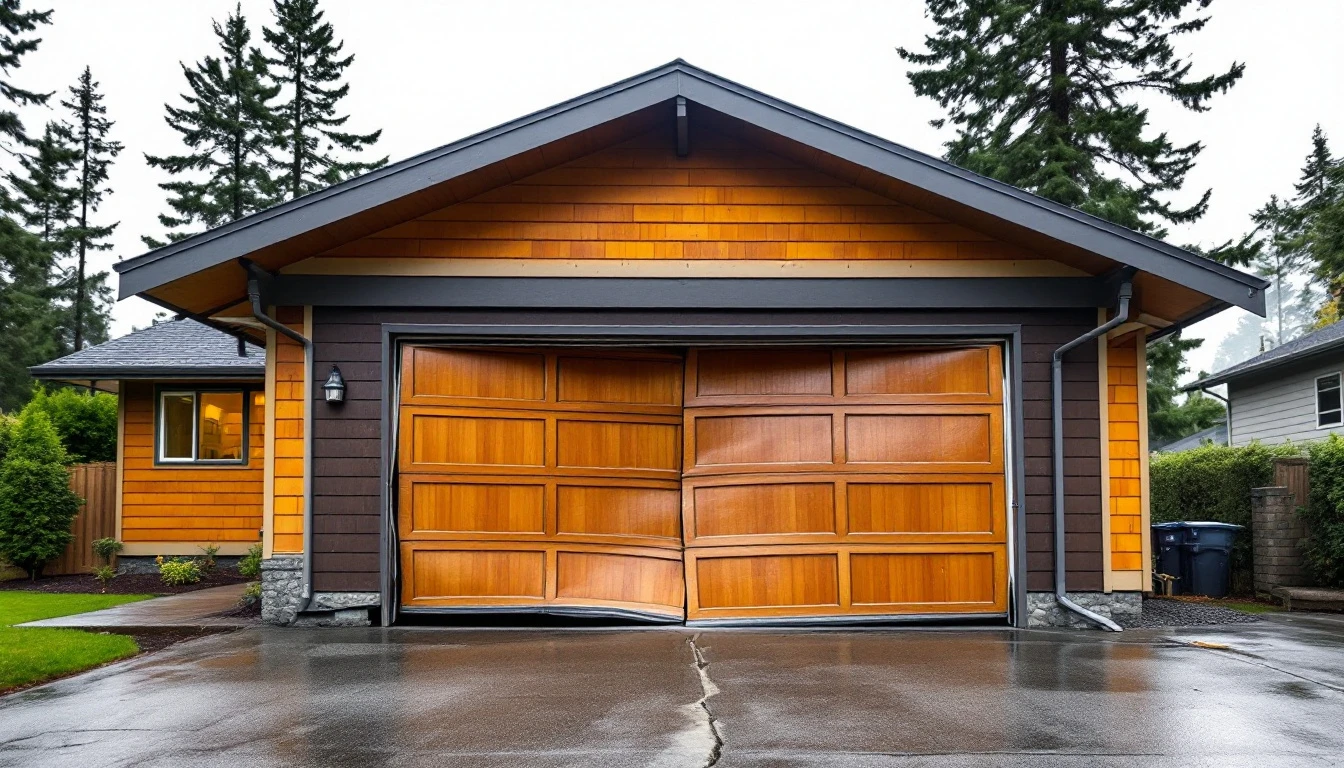
- Uneven panel movement or sagging on one side reveals that one spring has already lost tension while its partner struggles to compensate. Your door will hang crooked when opening, with one side rising faster than the other. This imbalance puts dangerous stress on the remaining spring and your opener motor. Urgency level: immediate. Stop using the door and call for service.
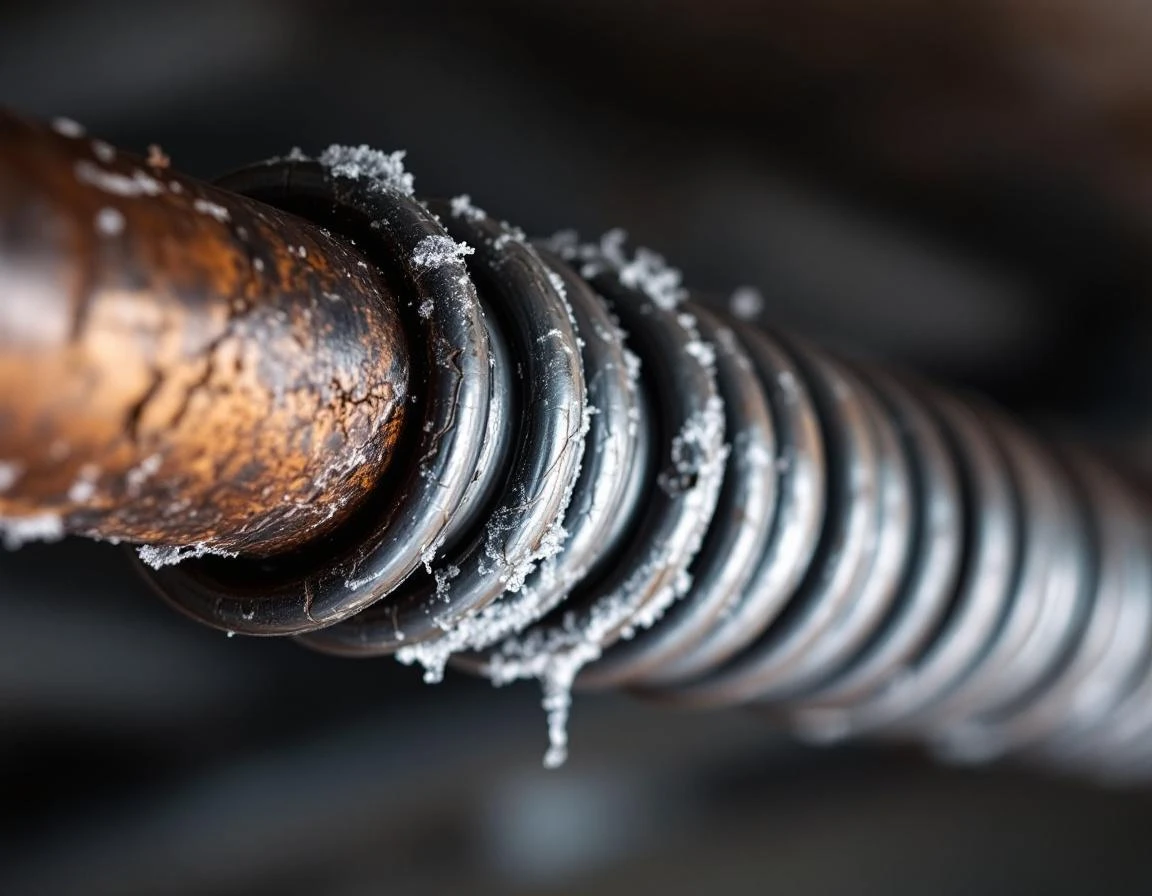
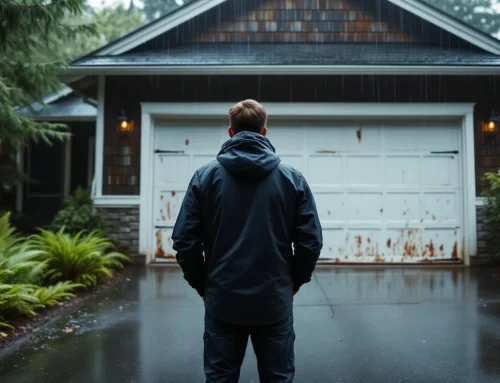
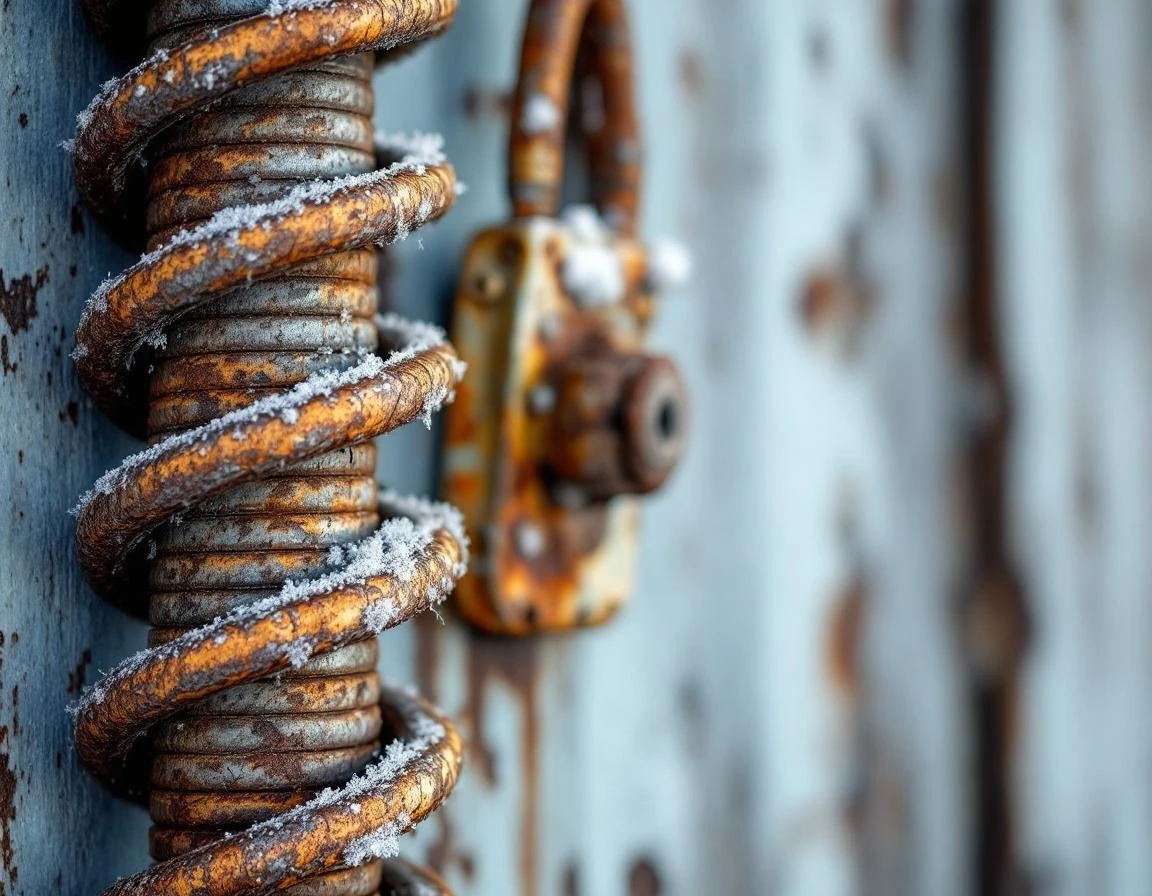
- Visible rust spots, corrosion, or gaps between coils show advanced metal fatigue from moisture exposure during freeze-thaw cycles. Run your eyes along each spring looking for orange rust patches or places where coil spacing looks irregular. These visual cues mean replacement is needed within the month. Catching any of these signs in April prevents those $400-800 emergency calls when springs snap during La Pine’s first hard freeze in November.
La Pine Spring Failure Timeline
Understanding where your garage door springs fall on the failure timeline helps you plan ahead rather than react in crisis. In La Pine’s harsh 4,200-foot climate, springs follow a predictable degradation pattern tied to garage door springs La Pine Oregon weather exposure.
- Years 1-3: Springs function normally with smooth, quiet operation. Minor surface rust may appear during winter months, particularly after heavy snow or ice accumulation. This early oxidation is cosmetic but marks the beginning of metal fatigue.
- Years 3-5: Audible popping sounds become noticeable during door operation as individual coils begin microfracturing. Visible corrosion accelerates rapidly, especially at anchor bolts and coil connections where thermal stress concentrates. If your springs are in this stage now in April 2025, expect escalating problems by winter 2026-2027.
- Years 5-7: Uneven panel movement becomes obvious as one spring loses tension faster than the other. Emergency failure risk escalates sharply during this phase. Cold snaps can trigger sudden breakage without warning.
- Year 7+: Complete spring failure becomes likely. Waiting this long guarantees costly emergency garage door replacement La Pine calls, often during the worst winter weather when service costs peak and wait times stretch longest.
When to Call a Professional
If you’ve spotted any of the warning signs described earlier, schedule a professional inspection within two weeks. That single pop or crackle in your spring sound? It’s not background noise you can ignore until next month. Uneven panel movement or doors that suddenly stick during operation require immediate professional assessment—these symptoms indicate tension imbalance that worsens rapidly in La Pine’s freeze-thaw environment.
Here’s your decision framework: observation is your job, but spring replacement is not a DIY task. Garage door springs operate under 200-400 pounds of tension. Improper installation risks serious injury, property damage, and door failure during the next cold snap. The specialized tools and calibration knowledge required make this purely professional territory.
If you see visible rust or gaps appearing between spring coils, do not attempt replacement yourself. Instead, weigh the economics: a $200-300 professional inspection catches problems early, while emergency replacement after catastrophic failure runs $400-800 or more. That inspection cost is your insurance against being locked out of your garage on a January morning when temperatures hit 15°F and your vehicle is trapped inside.
Spring Maintenance Before Winter
Taking proactive steps now in April positions La Pine homeowners to catch problems before they become emergency failures next winter. The most effective preventive measure is monthly spring lubrication during freeze-thaw seasons, particularly October through April when temperature swings stress metal components most heavily. Apply garage door-specific lubricant to each spring coil, bearing plates, and anchor points—this reduces corrosion that accelerates metal fatigue.
Visual inspections complement lubrication. Check springs monthly for new rust patches, gaps between coils, or audible changes when the door operates. These signs indicate progressing deterioration that warrants professional evaluation. Balance-testing your door by disconnecting the opener and manually lifting it halfway also matters—if the door doesn’t stay in place, imbalance is forcing one spring to carry excess load, accelerating wear.
The best inspection window is September. Before freeze-thaw cycles begin in earnest. Schedule a professional inspection then to identify springs entering the critical failure stage.
This timing lets you plan replacement strategically during mild weather rather than reacting to emergency garage door replacement La Pine during a January cold snap. Monthly maintenance defers failure by one to two years in La Pine’s harsh conditions, transforming reactive emergencies into planned replacements.