Why La Center Garage Doors Face Greater Winter Risk
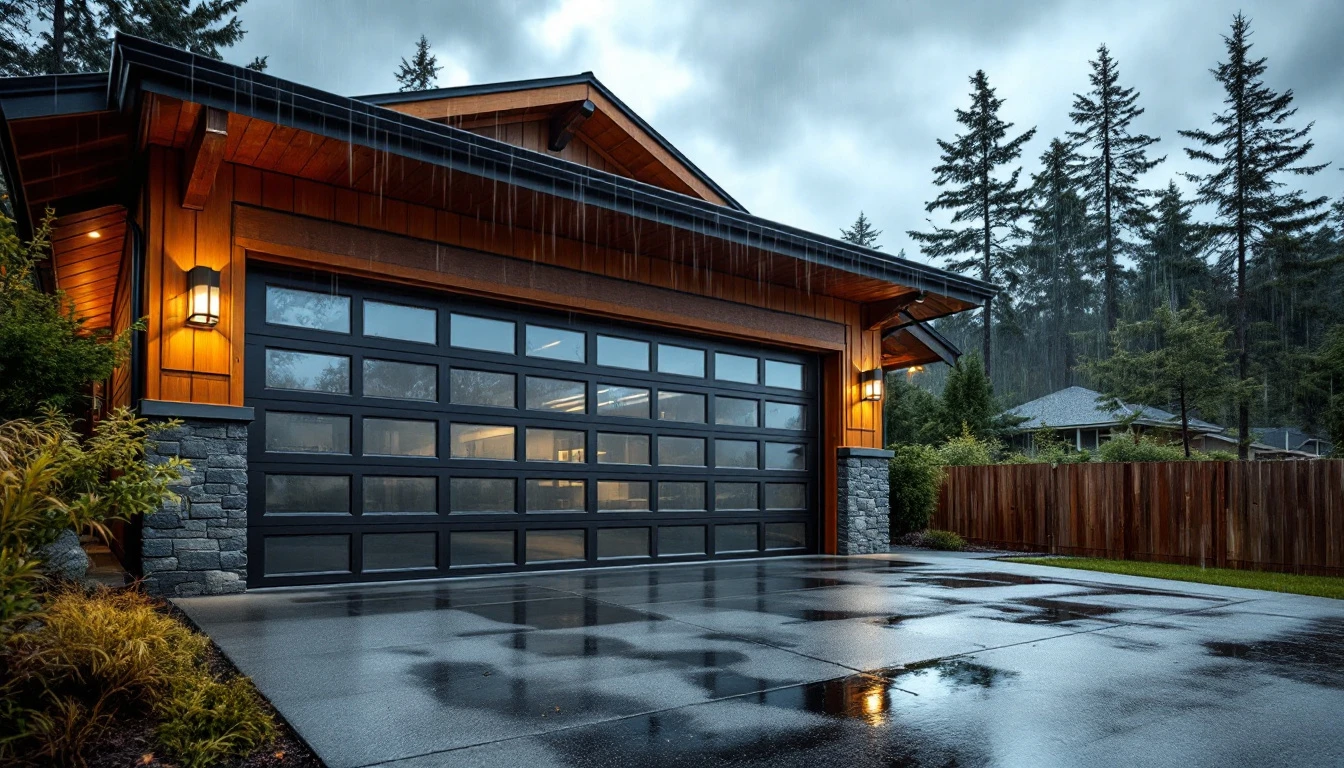
La Center homeowners face a winter challenge that catches many off guard: your garage doors endure conditions far harsher than those just 15 miles south in Vancouver. La Center garage doors winter damage occurs at rates that standard residential systems simply aren’t built to handle—the result of geography that transforms what works in lowland areas into undersized equipment here.
The Amboy foothills elevation creates heavier snow loads that Vancouver rarely sees. While coastal weather systems dump rain on lower Clark County, that same moisture arrives as snow in La Center. Your garage door panels carry weight that standard residential systems couldn’t handle, leading to bent sections and hardware fatigue that lower-elevation neighbors never experience.
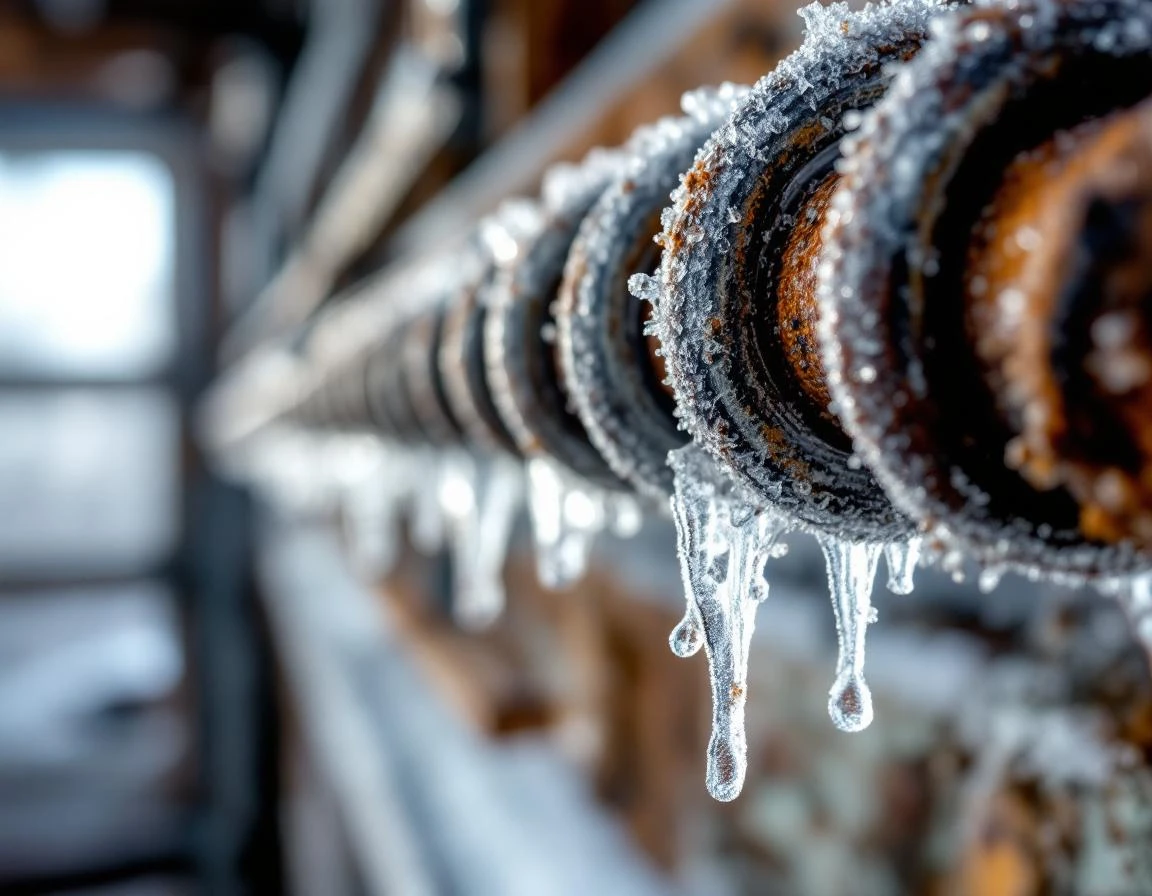
More damaging than the snow itself are the freeze-thaw cycles that intensify at this altitude. Proximity to mountain weather systems means temperatures swing above and below freezing repeatedly throughout winter. Ice forms in door seals and track assemblies, then melts, then refreezes—expanding and contracting metal components until springs snap and rollers seize.
Spring repair calls spike in La Center during thaw season for exactly this reason. What survived winter in Vancouver fails here because the stress accumulates differently. Heavy-duty systems aren’t a luxury in these conditions—they’re the baseline requirement for reliability.
Garage Door Freeze-Thaw Damage: Mechanisms and Signs
Understanding how freeze-thaw cycles attack your garage door helps you spot problems before they become expensive emergencies. When temperatures drop below freezing in La Center, water that has infiltrated panels, weather seals, and tracks expands as it freezes. This expansion forces materials apart, creating microscopic cracks that grow larger with each freeze-thaw cycle throughout winter.
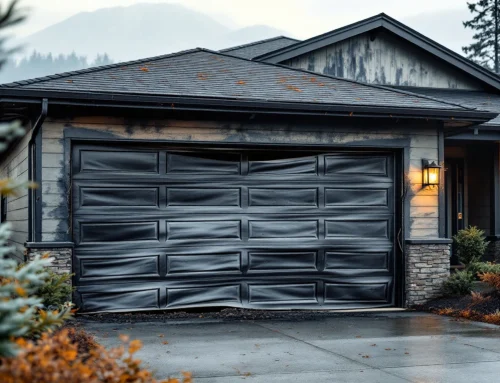
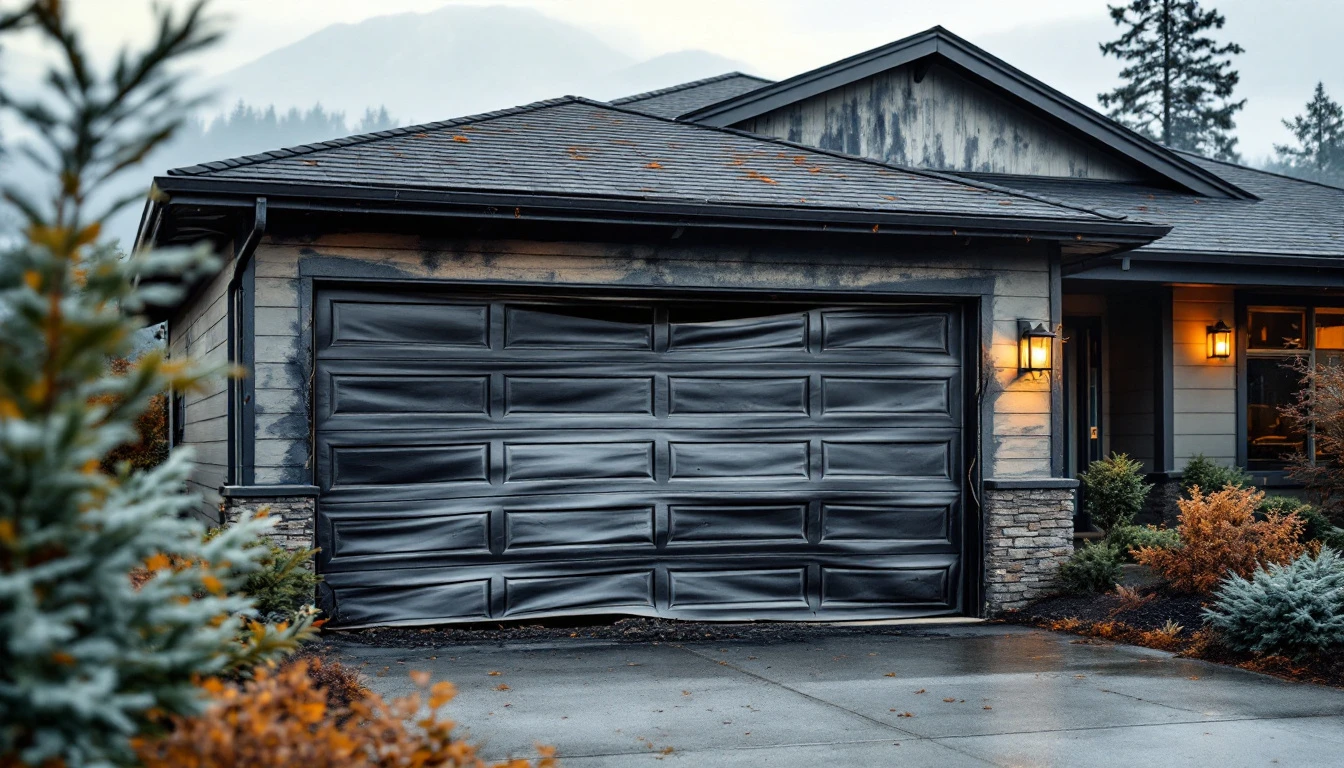
The physics is relentless: water expands when it freezes, generating enough pressure to warp steel panels and crack composite materials. In the Amboy foothills, where overnight temperatures frequently drop into the 20s and then climb above freezing by afternoon, your garage door experiences dozens of these expansion-contraction cycles each winter. Panel separation becomes visible as horizontal crack patterns, especially along the bottom sections where snow melt and ground moisture concentrate.
Spring tension degradation happens quietly but poses the most dangerous failure risk. Repeated thermal stress causes metal fatigue in torsion springs, weakening their ability to balance door weight. This damage accumulates invisibly until mid-spring when increased usage triggers catastrophic spring failure. Track misalignment develops as ice buildup forces tracks outward, then thermal contraction leaves them permanently skewed. The result: binding, loud scraping noises, and potential derailment.
Watch for these warning signs: frost lines along panel edges indicating water infiltration, doors that stick during morning thaw cycles then operate normally by afternoon, and visible hairline cracks spreading horizontally across panels. These symptoms tell you freeze-thaw damage is already progressing.
Three Essential Pre-Spring Maintenance Tasks
Timing is everything when protecting your garage door from La Center’s freeze-thaw cycles. Schedule these three tasks in April, before the final warming trend triggers the failures explained earlier.
Task 1: Visual Inspection and Panel Assessment
Walk through a complete visual inspection yourself. Look for the warning signs covered in the previous section: bowed panels, cracked weatherstripping, and water stains near bottom sections. Check for gaps between panels that indicate warping from snow load pressure. This homeowner-level task costs nothing but catches problems before they cascade into expensive repairs.
Task 2: Spring Tension and Balance Testing
This task requires professional expertise. Garage door springs operate under extreme tension—attempting DIY adjustments creates serious injury risk. Our technicians test spring performance by disconnecting the opener and manually lifting the door halfway. A properly balanced door stays in place; one that drops or rises has lost tension from winter cycling. We also verify both springs show equal wear, since unbalanced tension damages tracks and operators. Schedule this professional inspection in early April, before heat causes weakened springs to snap.
Task 3: Track Cleaning and Alignment Verification
You can handle basic track cleaning—remove debris, ice residue, and accumulated grit with a stiff brush and household cleaner. However, alignment verification requires professional measurement tools. Misaligned tracks from panel pressure or shifting hardware cause binding and premature opener failure. Our team checks roller condition, tightens mounting brackets loosened by vibration, and replaces weatherstripping damaged by ice expansion. This mixed approach saves you money on simple cleaning while maintaining critical alignment within factory specifications.
Contact us today to schedule your pre-spring professional inspection before April thaw arrives.
Heavy-Duty Garage Door Systems for North Clark County
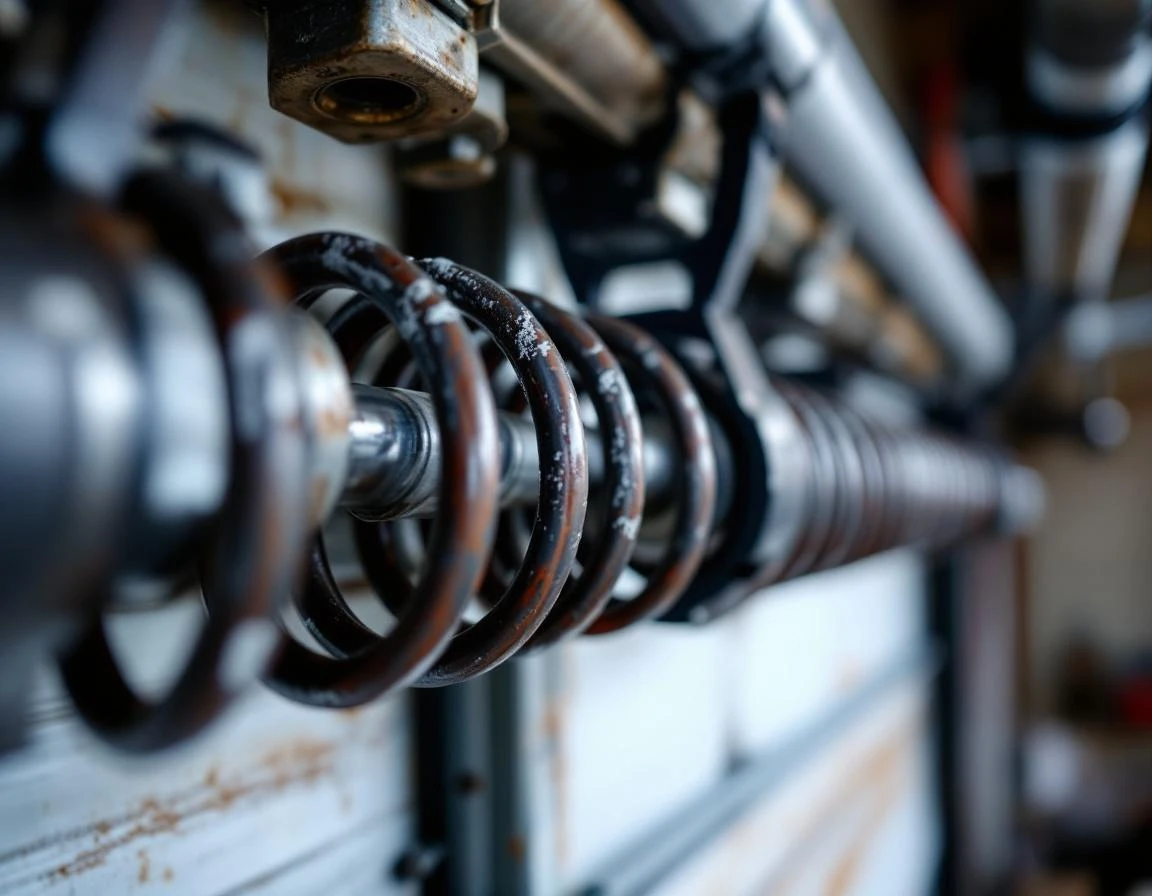
What does “heavy-duty” actually mean for a heavy-duty garage doors La Center installation in the Amboy foothills? Standard residential systems use 10,000-cycle springs rated for mild climates—fine for Vancouver lowlands, but inadequate for La Center’s repeated freeze-thaw stress. Commercial-grade springs rated for 25,000+ cycles and temperature ranges from -20°F to 140°F resist the metal fatigue that causes catastrophic failures during April thaw.
Panel construction matters equally. Reinforced panels with thicker 24-gauge steel or composite sandwich construction resist the warping and stress cracking that standard 25-gauge panels experience under snow loads and ice expansion. Sealed bearing systems and stainless steel hinges prevent the corrosion that freezes rollers in their tracks.
If your door predates these specifications, the three maintenance tasks alone won’t prevent failure—they’ll simply reveal that professional installation of upgraded components is necessary. Contact Garage Harmony to evaluate whether your system can handle another foothills winter.
When to Call a Professional
Visual inspection, cleaning weatherstripping, and testing door balance are safe homeowner tasks. But spring replacement must always be handled by certified technicians—the tension in a typical residential spring equals several hundred pounds, making DIY attempts a serious safety risk. Similarly, track realignment, roller replacement, and opener calibration require specialized tools and expertise you won’t find at the hardware store.
Professional pre-spring inspections identify hidden damage that’s invisible to homeowners. Technicians spot micro-cracks in panels, measure spring stress levels, and detect early bearing wear before April’s thaw turns minor issues into emergency calls. In La Center’s severe foothills conditions, a $150 inspection prevents $1,500+ emergency repairs when doors fail under snow loads or garage door spring failure winter weather events.
Contact us today for professional spring service and inspection before winter damage becomes a costly surprise.
Spring Maintenance Checklist for April
Follow this weekly schedule throughout April 2026 to catch freeze-thaw damage before the final thaw creates emergency failures. Each task addresses specific damage mechanisms common in La Center’s foothills climate.
Week 1: Visual Assessment
Walk the entire door perimeter and photograph every panel joint, seal edge, and weatherstripping section. Look for panel warping, cracked paint revealing water infiltration, and deteriorated rubber seals. Document everything—photos let you track damage progression year-over-year and provide evidence for warranty claims if needed.
Week 2: Track and Seal Maintenance
Remove accumulated dirt and ice debris from tracks using a shop vacuum and damp cloth. Inspect weatherstripping along door bottom and side seals, replacing any sections that feel brittle or show gaps. Clean track allows proper wheel movement and prevents misalignment that causes binding.
Week 3: Professional Spring Testing
Schedule your Garage Harmony inspection by mid-April. Our technicians test spring tension with calibrated equipment, verify balance with door disconnected from opener, and check all safety sensors. This catches hidden spring fatigue before catastrophic failure occurs.
Repeat this checklist every April before the final thaw arrives. Contact us today to schedule your pre-thaw inspection!