Why September Matters for Garage Door Storm Preparation Oregon
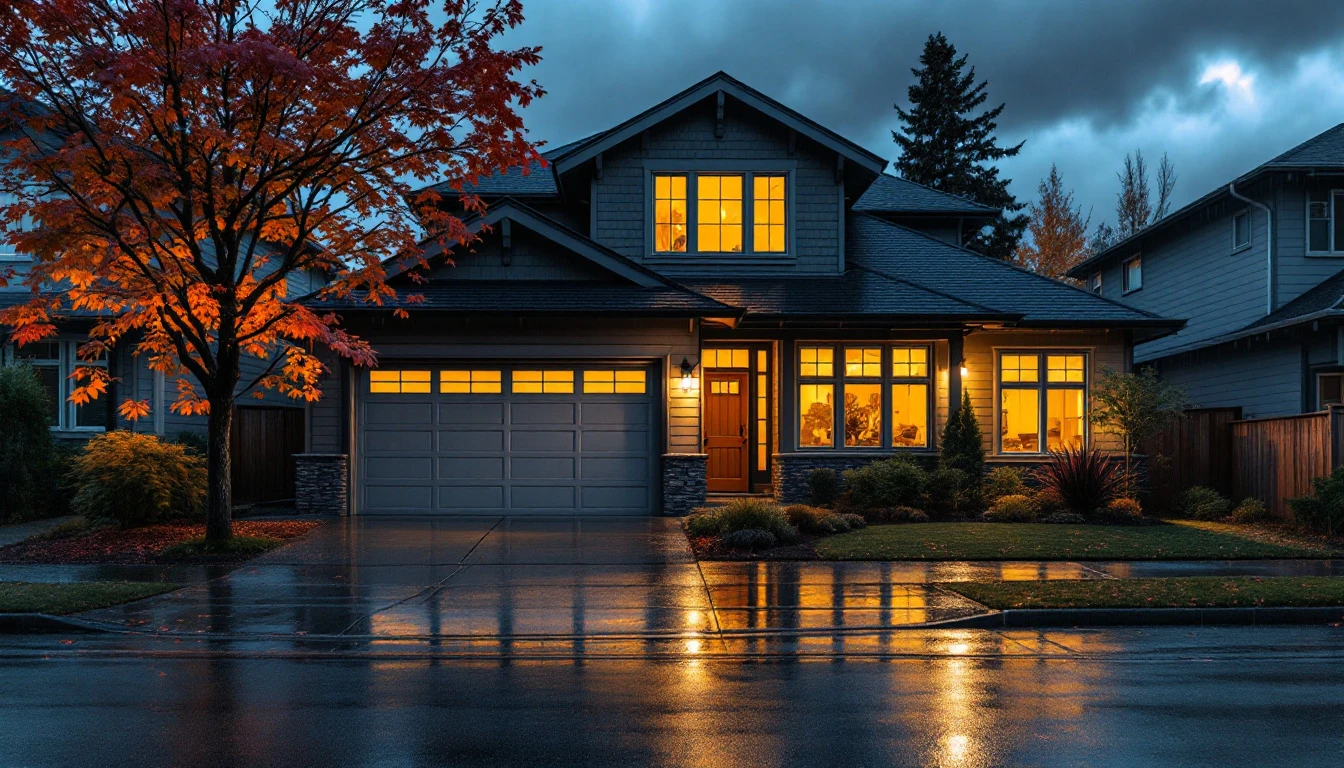
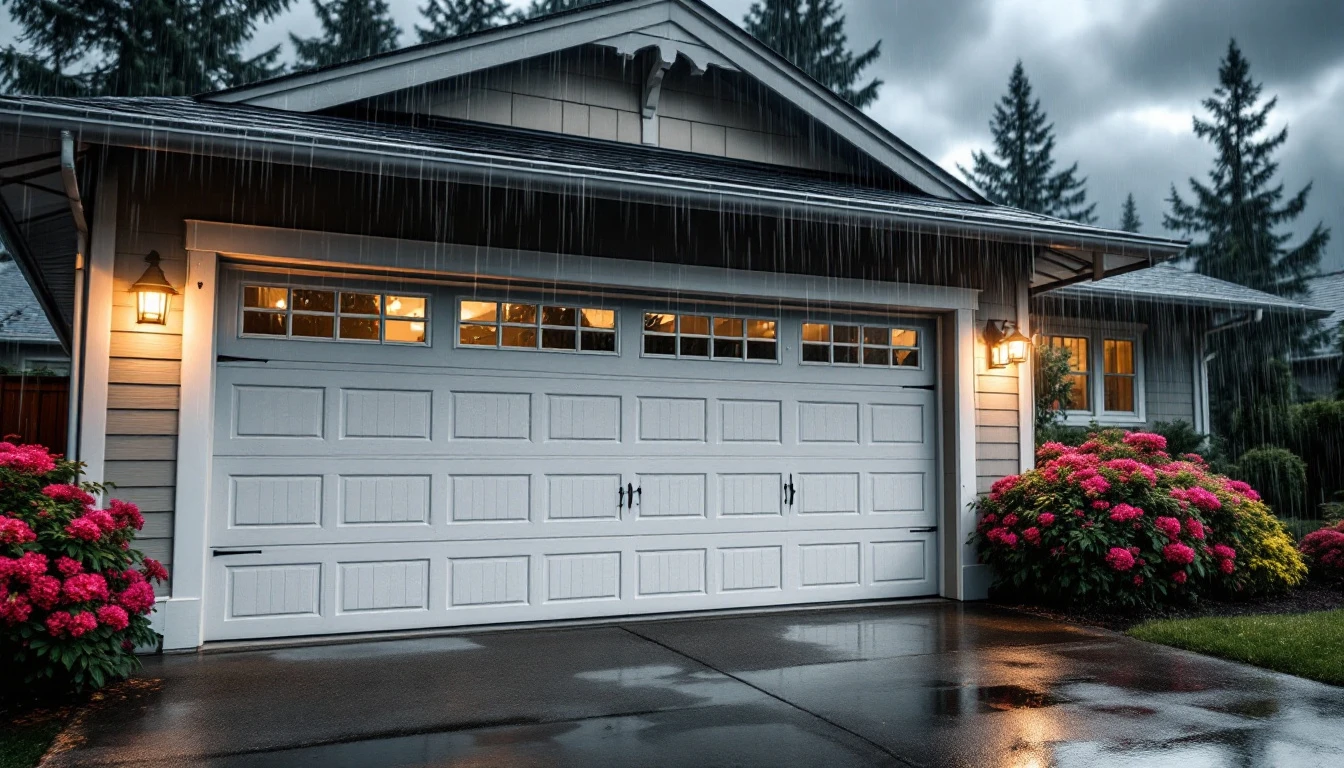
September offers Oregon homeowners a critical preparation window before the fall and winter storm season begins in earnest. Getting your garage door storm preparation Oregon ready now prevents emergency repairs and water intrusion when the heaviest rains arrive.
Oregon’s fall storm season typically begins late
Oregon’s fall storm season typically begins in late September and runs through November, bringing heavy rain and strong winds to the Pacific Northwest. This narrow window makes early preparation essential for homeowners who want to avoid emergency repairs and water intrusion damage to their garages when the first storms arrive.
Addressing weatherstripping and drainage now
Taking action before the rain starts prevents expensive winter emergency calls and keeps your garage operational. Worn weatherstripping allows water to seep into attached garages, damaging interiors and creating conditions for mold growth and structural rot. Clean drainage channels and install fresh door seals now to protect your home.
Weatherstrip Garage Door for Rain Protection
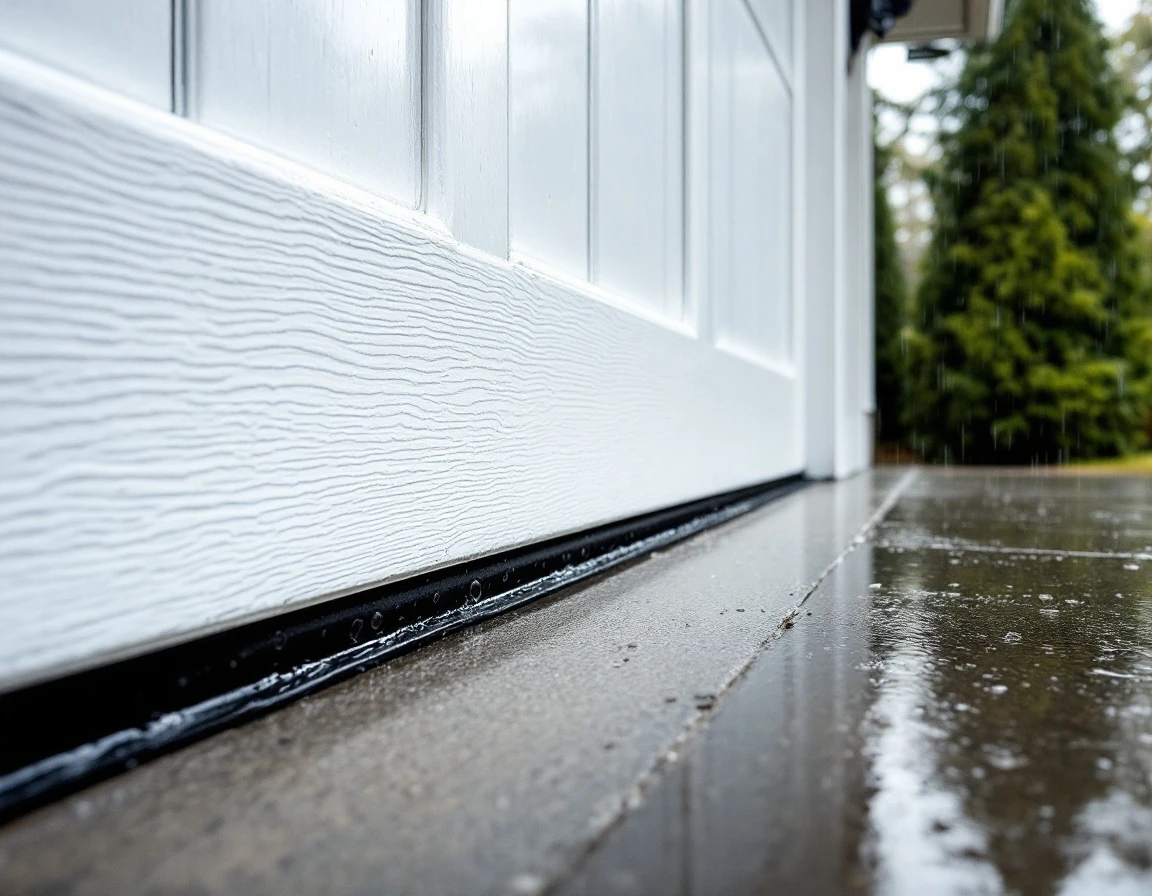
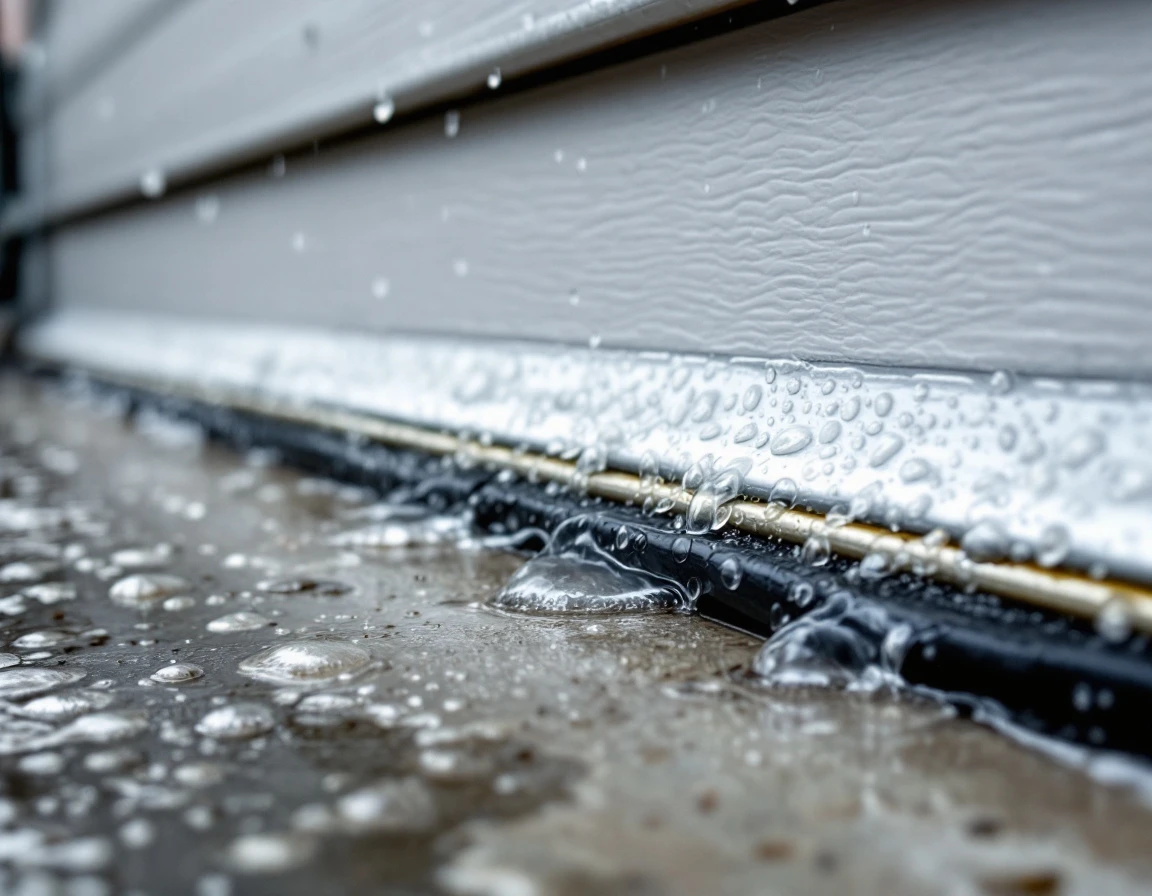
Start your garage preparation by examining weatherstripping along all four sides of your door. Look for visible cracks, gaps, or brittleness in the rubber gaskets—these are the telltale signs that your seals can’t withstand September’s heavy rain. Weatherstripping failure is the primary cause of water intrusion during heavy rain. Making this inspection your first line of defense.
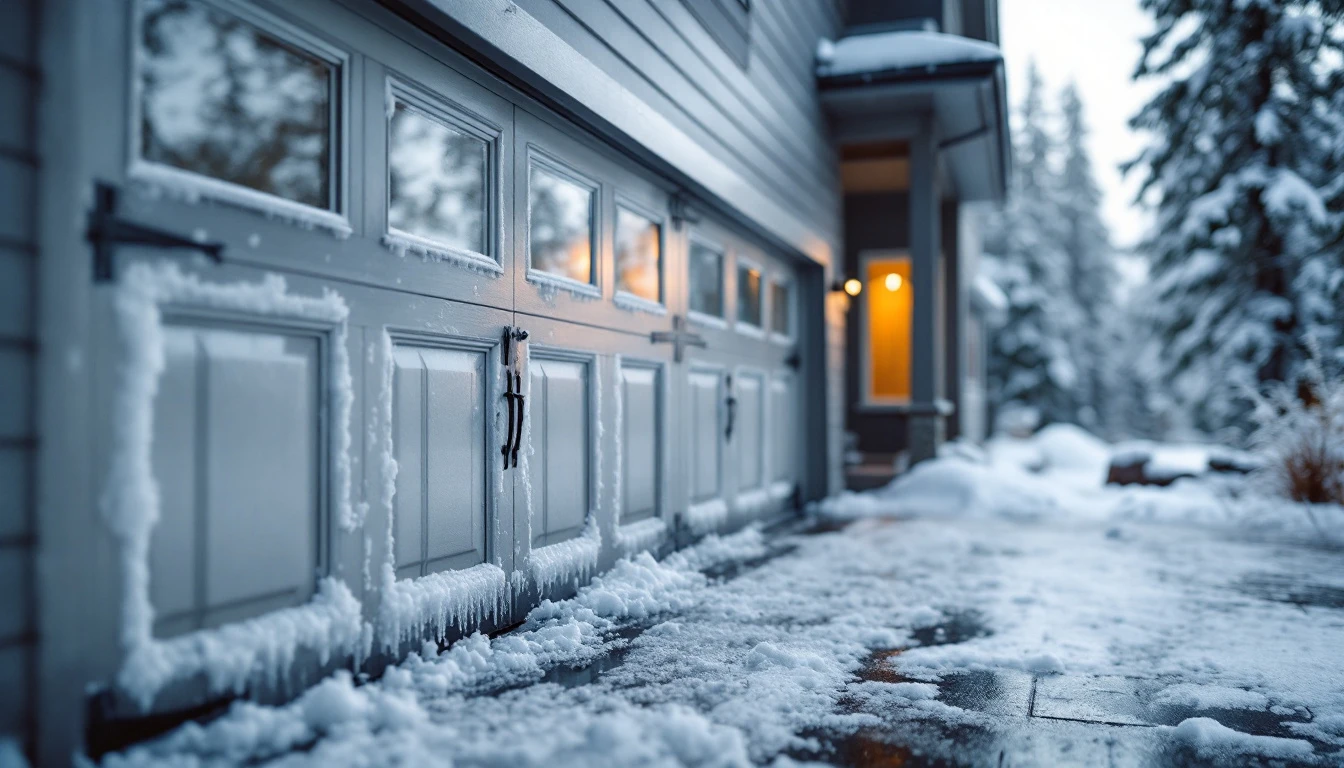
Bottom seals deteriorate faster than side seals due to UV exposure and freeze-thaw cycles common to Pacific Northwest winters. Run your hand along the seal to feel for hardened or crumbling rubber. If you spot damage, replacing bottom seals is a manageable DIY project for homeowners comfortable with basic tools. Remove the old seal from its track, clean the channel thoroughly, and slide the new seal into place.
DIY replacement is a budget-friendly option, while professional installation offers peace of mind with expert workmanship. When should you call Garage Harmony? If you notice rotted door frames, inaccessible side seals requiring door disassembly, or complex multi-panel systems, professional replacement means proper installation before the storms arrive.
Drainage and Water Flow Management
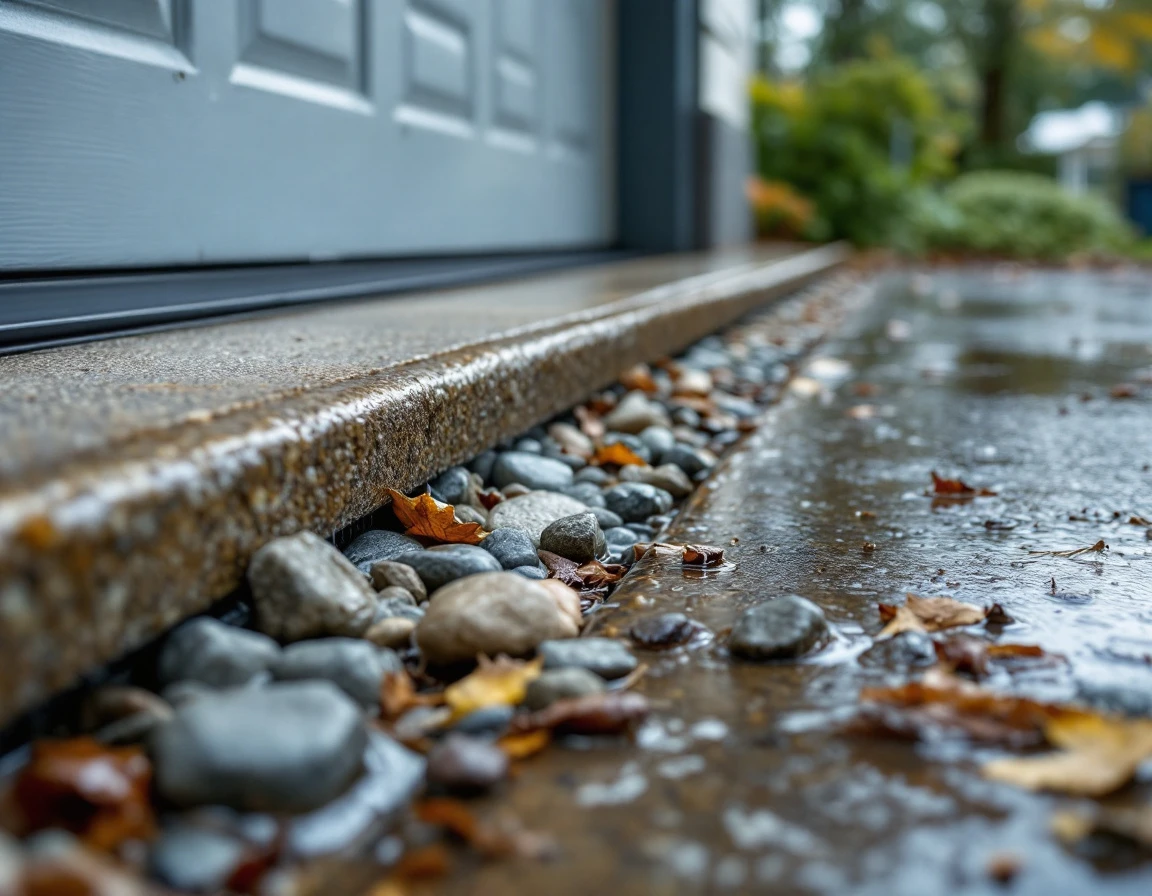
Weatherstripping keeps water out at the door, but what happens to the water outside? If drainage patterns funnel rain toward your garage threshold, even premium seals will fail. Oregon’s fall storms deliver sustained rainfall that exposes every weakness in your property’s grading and drainage system.
Start by inspecting the area immediately outside your garage door. Does water pool against the threshold after rain? Check whether the concrete apron slopes away from the door—it should drop at least a quarter-inch per foot. Walk your property’s perimeter and verify that gutters drain freely, with downspouts directing water at least four feet from the garage foundation.
Inside your garage, look for telltale moisture damage: discoloration along the floor edge, musty odors, or efflorescence on concrete. These signs indicate that poor drainage has already breached your defenses. Weather stripping keeps rain and snowmelt from seeping into your garage. Helping prevent water damage and keeping your space dry and mold-free. Fixing grading issues and extending downspouts are weekend projects that prevent thousands in water damage repairs.
Seasonal Maintenance and Track Integrity
Beyond weatherstripping and drainage, your garage door’s mechanical components need attention before storms arrive. Pacific Northwest moisture accelerates rust formation on metal tracks, and even minor corrosion can compromise how your door seals during high winds. Before September rains begin, inspect tracks for debris buildup, rust spots, and misalignment that could prevent smooth operation when your door faces wind pressure during garage door thunderstorm readiness situations.
Apply garage door-approved lubricant to hinges, rollers, and tracks—silicone-based products resist moisture better than petroleum-based options in our climate. Test your door’s balance by disconnecting the opener and manually lifting the door halfway. Does it stay in place, or does it slide down? A properly balanced door reduces strain during storms and extends component lifespan.
Address rust or debris now rather than later. A corroded track or misaligned roller may seem minor today, but storm conditions amplify these weaknesses, risking complete failure when you need protection most. Post-storm investigations reveal a steady pattern where garage door failure allows for pressurization inside the garage. Potentially compromising your entire home’s structural integrity.
If your door feels heavy, binds during movement, or shows visible track damage, contact our team for professional realignment—preventive service costs far less than emergency repairs during winter weather.
Professional Inspection and Emergency Readiness
While DIY inspection catches most visible issues, some garage door problems require professional diagnosis. Spring tension systems, electrical opener malfunctions, and structural damage fall outside the scope of homeowner maintenance. Schedule a professional inspection by mid-September—before the rush begins in late October when contractors are fully booked and storms are already arriving.
A pre-storm professional inspection covers structural integrity, opener function, safety sensor calibration, and weather system performance. Technicians identify hidden corrosion, track alignment issues, and spring wear that could fail under storm stress. What triggers should prompt you to call? If your door vibrates excessively, makes grinding sounds, or requires manual force to close, escalate to professional assessment immediately.
Prepare for emergencies before they happen. Know how to manually disengage your opener and lift the door by hand. Keep emergency contact information accessible, and understand what constitutes an emergency: a stuck door blocking vehicle access, seal failure during active rain, or sudden opener failure.
Inspecting and testing your garage door components before winter means you’re ready when storms hit.