Garage Door Grinding Noise: Diagnose & Fix in Minutes
What Causes Garage Door Grinding Noises in Bend Homes
That garage door grinding noise coming from your garage door isn’t just annoying—it’s a warning sign that wear is accelerating and complete failure is around the corner. Unlike squeaking, which typically signals a simple lubrication need, grinding indicates actual metal-on-metal friction or mechanical wear that requires immediate attention.
Three primary culprits cause garage door grinding noise:
- Worn rollers
- Insufficient lubrication
- Track misalignment
Here’s where Bend’s climate creates unique challenges for your garage door. Central Oregon’s dry air causes lubricants to evaporate faster than in humid regions, leaving components exposed to friction. The dramatic temperature swings—from below freezing in winter to over 90°F in summer—cause metal tracks and rollers to expand and contract repeatedly, accelerating wear patterns and stressing roller bearings.
Ignoring grinding noises typically leads to complete door failure and repair bills ranging from $300 to $800.
The good news: homeowners can pinpoint the exact cause using a standard diagnostic process, and two of the three problems are completely DIY-fixable before you need to call in professional help. By understanding if you’re dealing with worn rollers, dried-out lubrication, or misaligned tracks, you’ll know exactly which solution your door needs.
The Three-Part Diagnostic: Identify Your Grinding Noise Type
Ready to pinpoint exactly what’s causing that garage door grinding sound? This simple three-part diagnostic takes less than five minutes and tells you if you’re facing a quick fix or something more serious.
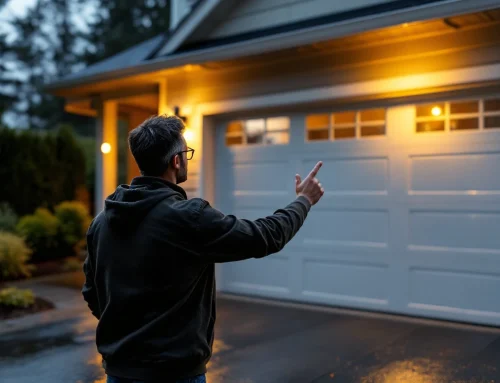
Part One: Visual Inspection. Open your garage door halfway and disconnect the opener. Examine the rollers on both sides—are they worn flat, cracked, or chipped? Check the tracks for visible rubbing marks, dents, or debris. Worn rollers leave telltale scuff patterns on track surfaces.
Part Two: Listen to the Audio Cues. Reconnect the opener and run a full open-close cycle. If you hear steady grinding throughout the entire opening cycle, especially with visible flat spots on the rollers, worn rollers are your issue. Does the noise come with squeaking and briefly improve after lubricating? That’s a lubrication problem. Notice the grinding sounds uneven or worse on one side? You’re dealing with misalignment.
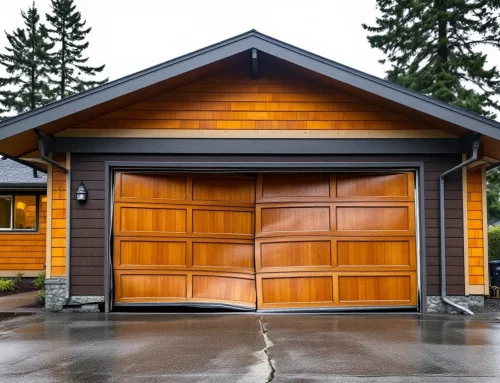
Part Three: Check for Symmetry. Watch the door’s movement carefully. Does it rise evenly on both sides, or does one side lag behind? Asymmetrical movement combined with grinding almost always indicates track misalignment or an imbalanced door—issues that need immediate attention to prevent complete failure.
This diagnostic directly determines your next step. Worn rollers and lubrication issues are common DIY fixes, while misalignment or asymmetrical movement requires you to decide whether adjustment is within your comfort zone or requires professional expertise.
DIY Fix #1: Lubricate Your Garage Door (5 Minutes)
Before you start, unplug your garage door opener to prevent accidental activation during maintenance. This simple safety step takes seconds and could prevent serious injury.
Use silicone spray or lithium grease—never WD-40, which attracts dust and gums up moving parts. Apply a light spray directly to each roller where it meets the shaft, but avoid spraying the track surface itself. Lubricant on the track causes the door to slip and creates dangerous operating conditions. Next, spray hinges and pivot brackets with a quick burst—you’re coating metal surfaces, not drenching them.
Here’s the critical Bend-specific guidance: our dry climate causes lubricant to evaporate faster than in coastal areas. Schedule lubrication every 3-4 months, not the annual maintenance intervals you’ll find in generic guides. Test your door after lubricating by manually lifting it halfway—it should glide smoothly.
This fix works when garage door grinding when opening stems from friction on dry metal surfaces. Metal-on-metal contact between dried-out rollers and tracks is usually the culprit, though if grinding persists after lubrication, you’re dealing with mechanical wear or misalignment, not a lubrication issue. Visibly flat or worn rollers need replacement, not more grease.
DIY Fix #2: Check and Adjust Track Alignment (10–15 Minutes)
Misaligned tracks cause your garage door rollers to bind and grind against the metal walls instead of rolling smoothly. Grab a flashlight and inspect both vertical and horizontal track sections closely—look for visible gaps between the roller and track wall, or dark rubbing marks where metal has scraped metal.
If you spot alignment issues, you can often fix them with tools you already own:
- A rubber mallet
- A wood block
Place the wood block against the track near the problem area and tap gently with the mallet to nudge it back into position. For stubborn sections, loosen the mounting brackets slightly, adjust the track, then retighten.
Here in Central Oregon, this becomes especially important during seasonal transitions. When winter temperatures drop near freezing and summer highs exceed 85°F, your metal tracks expand and contract. These temperature swings can gradually shift alignment, so checking your tracks after significant temperature changes prevents grinding before it starts.
Safety first: After any adjustment, test your door movement slowly by raising and lowering it manually. If the door still binds or won’t move smoothly, stop immediately and call a professional. Never force a stuck door—you risk damaging components or injuring yourself.
When to Stop DIY and Call a Professional: Red Flags
You’ve lubricated your rollers, checked the tracks, and cleaned away debris—but the garage door noise persists. This is your clear signal to call Garage Harmony.
Worn rollers showing flat spots, visible cracks, or missing bearings require immediate replacement by trained technicians. Roller replacement involves removing the door from the track system—a task that puts immense tension on springs and cables. A grinding sound is usually a sign of worn bearings or a struggling opener, and without proper tools and safety training, you risk serious injury or complete door failure.
If grinding continues after you’ve completed lubrication and alignment checks, internal wear has progressed beyond DIY fixes. Similarly, a door that binds halfway up, moves unevenly, or becomes progressively harder to operate indicates mechanical damage that’s unsafe to ignore.
Any signs of frayed cables, broken or stretched springs, or opener malfunctions fall outside DIY scope entirely. These components operate under extreme tension—attempting repairs yourself can cause catastrophic injury.
Calling a professional at the first sign of these red flags actually saves you money. A modest roller replacement today prevents a substantially more expensive emergency door replacement later when that damaged roller finally gives out.
Contact us today to schedule an inspection and restore your door’s quiet operation safely.