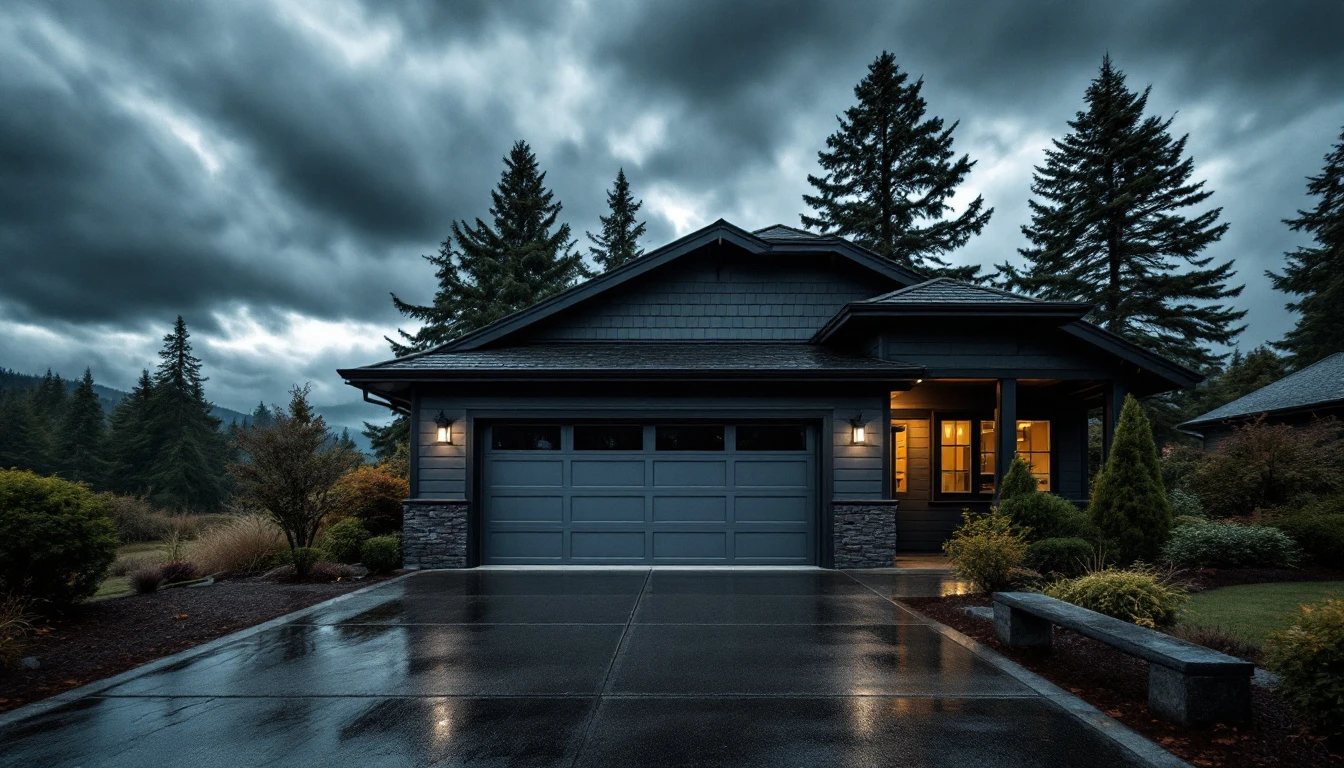
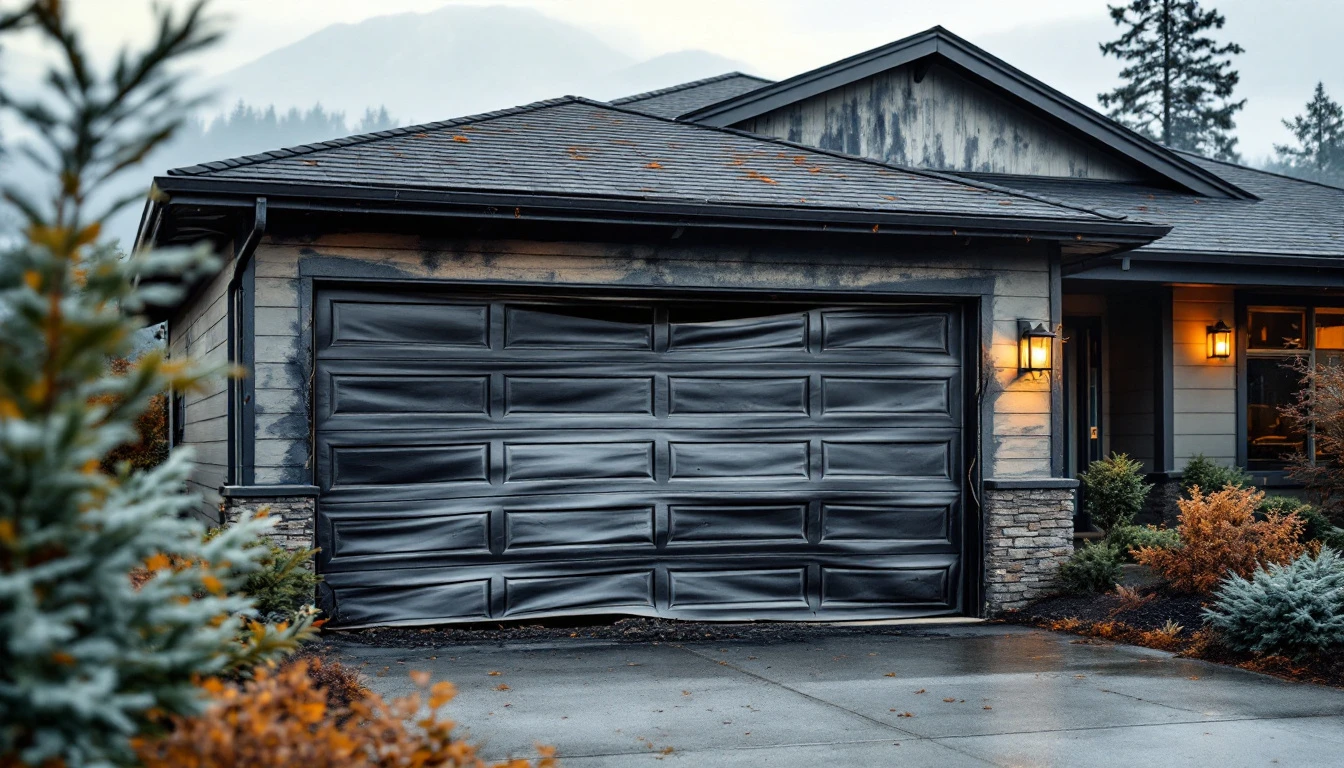
As winter fades and spring arrives in Central Oregon, your garage door needs attention after months of freezing temperatures, snow accumulation, and harsh high-desert conditions. A thorough garage door spring maintenance checklist helps you identify wear, prevent costly breakdowns, and ensure your door operates safely throughout the year. With Central Oregon’s dramatic temperature swings—from below-zero nights to 60-degree afternoons—proactive spring maintenance protects your investment and keeps your family safe.
Why Spring Maintenance Matters for Your Garage Door
Central Oregon’s winter weather takes a serious toll on garage door components. Bend sits at 3,600 feet elevation, where freeze-thaw cycles cause metal parts to contract and expand repeatedly. This constant movement weakens springs, cracks weather stripping, and accelerates rust formation on tracks and hinges.
Sisters and La Pine experience even harsher conditions, with winter temperatures frequently dropping below zero. Regular spring maintenance extends the lifespan of your garage door by addressing winter damage before it becomes a safety hazard.
Rust and corrosion that develop during wet, cold months can compromise structural integrity if left untreated. A spring inspection catches these issues early, saving you from emergency repairs during the busy summer season.
The temperature fluctuations unique to the high desert require proactive care. A door that operated smoothly in October may struggle in March due to spring tension changes, track misalignment, or sensor problems. Taking time for winter weather protection and spring follow-up ensures smooth operation year-round.
Spring Garage Door Inspection Checklist
Start your spring garage door maintenance with a comprehensive visual inspection. This checklist helps you identify problems systematically:
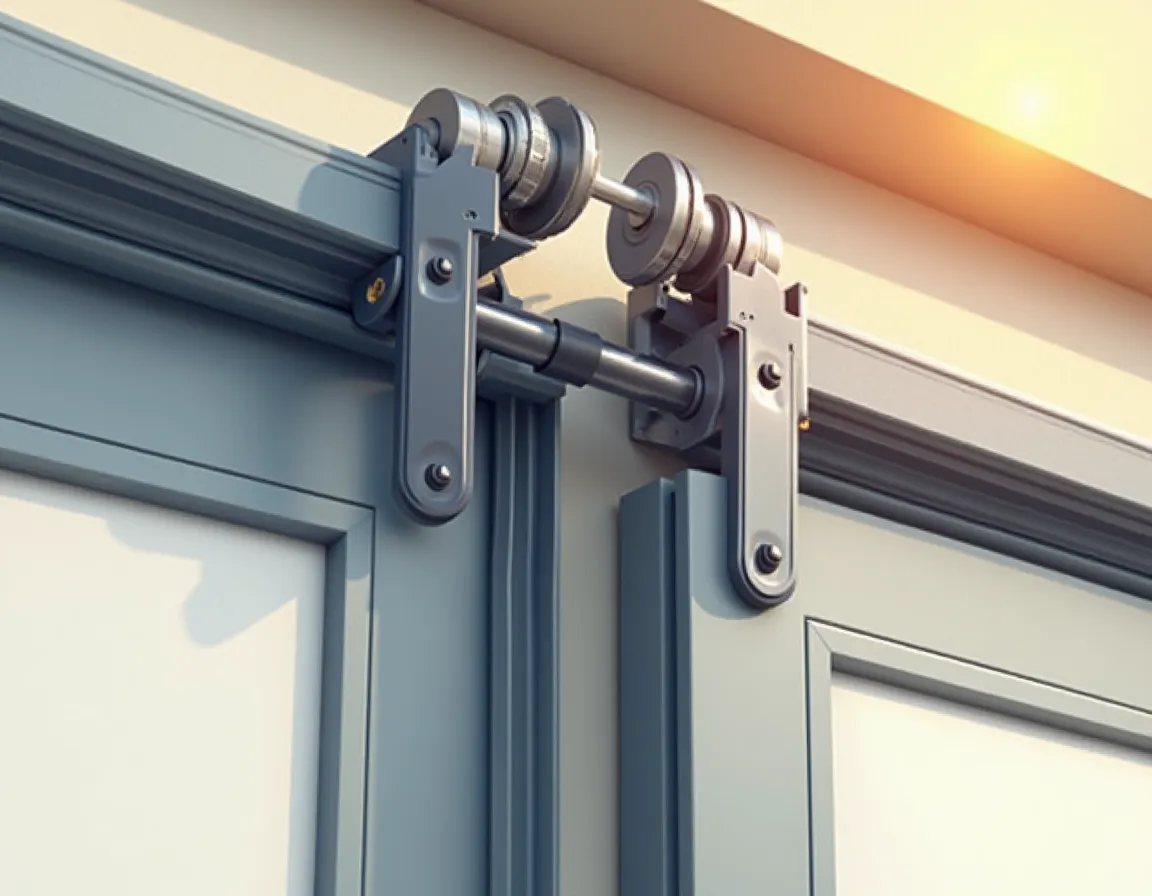
- Examine tracks and rollers: Look for dents, bends, or debris accumulation in the vertical tracks. Check rollers for cracks, chips, or excessive wear patterns. Redmond and Madras homes often collect dust and dirt in tracks during windy spring months.
- Inspect hinges and mounting hardware: Tighten loose bolts and replace any damaged hinges. Check where the door attaches to the wall—winter freeze-thaw cycles can loosen mounting brackets.
- Test door balance: Disconnect the opener and manually lift the door halfway. A properly balanced door stays in place. If it drops or rises, spring tension needs professional adjustment.
- Check weather stripping: Bottom seals and side weather stripping often crack after exposure to cold. Replace any brittle or torn sections to maintain energy efficiency.
According to the Door and Access Systems Manufacturers Association (DASMA), homeowners should perform visual inspections monthly and comprehensive maintenance twice yearly. Spring and fall represent ideal times for thorough checks.
Pay special attention to track alignment issues, which become more common after winter ground movement. Central Oregon’s volcanic soil and seasonal moisture changes can affect foundation settling, leading to track misalignment.
Lubricating and Cleaning Components
Proper lubrication prevents premature wear and reduces operational noise. After months of winter use, moving parts need fresh lubricant to function smoothly.
Use silicone-based lubricants specifically designed for garage doors. These products resist temperature extremes better than general-purpose oils. Apply lubricant to:
- Roller bearings (if not sealed)
- Hinges at pivot points
- Spring coils (torsion springs only—never touch springs directly)
- Lock mechanism and latches
Avoid WD-40 and petroleum-based products. These attract dust and dirt, creating sticky buildup that interferes with smooth operation. Clean accumulated debris from winter months using a dry cloth or soft brush before applying new lubricant.
The U.S. Department of Energy recommends regular cleaning to maintain energy efficiency in insulated doors. Apply lubricant sparingly—a light coating provides sufficient protection without dripping or creating mess.
Checking Springs and Cable Systems
Springs represent the most critical and dangerous component of your garage door system. They remain under extreme tension and should only be adjusted or replaced by professionals.
Safety Warning: Torsion springs can cause serious injury or death if handled improperly. Never attempt to adjust, repair, or replace springs yourself. Always contact a professional technician for spring-related maintenance.
During your visual inspection, look for these warning signs from a safe distance:
- Visible gaps or separation in spring coils
- Rust or corrosion on spring surfaces
- Uneven door movement or difficulty opening
- Frayed or damaged lift cables
Central Oregon’s temperature extremes accelerate spring wear. A spring that performs well in summer may struggle after repeated winter cycles. If you notice any concerning signs, schedule a professional inspection immediately.
Our guide to common spring problems provides additional information about recognizing failure symptoms.
Seasonal Weather Preparation for Central Oregon Homes
Central Oregon experiences rapid weather changes that affect garage door performance. A calm spring morning in Bend can turn into an afternoon windstorm with gusts exceeding 40 mph. These conditions demand proper weatherproofing and alignment checks.
Inspect drainage around your garage foundation. Spring snowmelt and occasional rain can create standing water that damages bottom panels and promotes rust. Ensure gutters direct water away from the garage structure—this becomes especially important in Sunriver and La Pine, where properties sit in areas with shallow water tables.
Test your door’s operation during various weather conditions. A door that works perfectly on a mild day may struggle during high winds or after spring frost. Check that weather seals prevent wind-driven rain and dust from entering—common issues in exposed locations like Culver and Terrebonne.
Consider severe weather preparation steps specific to Central Oregon’s conditions. If you own a vacation home near Mt. Bachelor or in Three Rivers, verify that your door can handle extended periods without use during spring shoulder season.
The National Weather Service Pendleton office provides forecasts for Central Oregon. Monitor spring storm warnings and inspect your door after severe weather events. Properties in the wetter Cascades foothills face different challenges than high-desert locations in Madras or Prineville.

Testing Safety Features and Door Operation
Modern garage doors include multiple safety features that require regular testing. Spring maintenance provides an ideal opportunity to verify these systems work correctly.
Test the auto-reverse function by placing a solid object (like a wooden block or roll of paper towels) in the door’s path. The door should reverse immediately upon contact. If it doesn’t reverse or requires significant force before stopping, the system needs professional adjustment.
Check photo-eye sensors mounted near the floor on both sides of the door opening. These sensors prevent the door from closing if an object or person blocks the path. Clean sensor lenses with a soft cloth and verify proper alignment—sensors must face each other directly.
Our safety sensor guide explains common alignment issues and solutions.
| Safety Feature | Test Method | Expected Result |
|---|---|---|
| Auto-Reverse (Contact) | Place object in door path | Immediate reversal on contact |
| Photo-Eye Sensors | Block beam while closing | Door stops and reverses |
| Manual Release | Pull emergency cord | Door disconnects from opener |
| Door Balance | Open halfway manually | Door stays in place |
Test remote controls and wall buttons for consistent response. Replace weak batteries in remotes before they fail completely. Verify that your opener’s security features remain active—older systems may need rolling-code updates to prevent unauthorized access.
When to Call a Professional for Spring Maintenance
While homeowners can perform basic inspection and maintenance tasks, professional service provides comprehensive care that prevents serious problems. Spring represents the ideal time for annual professional tune-ups—service companies have better availability before summer rush periods.
Professional technicians identify issues invisible during DIY inspections. They measure spring tension precisely, check motor alignment, and test electronic components with specialized equipment. A trained eye spots early warning signs that homeowners typically miss until components fail completely.
Schedule professional maintenance if you notice:
- Unusual noises during operation
- Slow or jerky door movement
- Visible spring damage or cable fraying
- Frequent sensor problems or false stops
- Door that won’t open fully or close completely
Regular professional maintenance prevents emergency repairs and extends equipment lifespan. According to recommended maintenance schedules, annual professional service combined with monthly homeowner inspections provides optimal performance and safety.
Central Oregon residents face unique challenges due to elevation, temperature extremes, and distance from service providers. Madras and La Pine homeowners should schedule service early in spring—technicians may have limited availability during peak agricultural seasons or when serving remote properties.
Don’t wait until your garage door fails on a cold spring morning when you need to leave for work. Proactive spring maintenance ensures reliable operation throughout the year and protects your investment in your home. Contact Garage Harmony today to schedule your spring maintenance appointment and keep your Central Oregon garage door operating safely and efficiently.