Why April Safety Testing Matters
Garage doors injure thousands of Americans annually, yet most homeowners never test their safety systems until something fails.
Garage doors are one of the heaviest moving
Your garage door weighs between 200 and 400 pounds, making it one of the heaviest moving objects in your home. When this massive piece of equipment malfunctions, the consequences can be devastating—crushing injuries and fatalities occur every year across the country.
That’s why auto-reverse mechanisms and photoelectric sensors became mandatory safety features under federal law in 1993. These systems detect obstructions and reverse the door’s direction before contact occurs, preventing tragedies that were all too common in earlier decades.
Annual testing prevents accidents and means compliance with safety standards
Regular testing keeps your garage door system compliant with federal safety standards established in 1993. Testing the auto-reverse mechanism and photo-eye sensors once a year helps catch worn components before they fail completely. April’s National Garage Door Safety Awareness Month provides Portland homeowners with a structured reminder to perform this seasonal check—right when spring maintenance is already on your mind.
The ten-minute test requires no special tools and helps prevent the thousands of garage door injuries reported each year. Most accidents happen because homeowners skip annual testing and don’t realize their safety features have stopped working properly.
Testing Your Auto-Reverse Feature
Testing your auto-reverse feature takes less than three minutes and requires nothing more than a simple household object. This safety mechanism was federally mandated in 1993 to prevent crushing injuries, and it works by detecting obstructions and reversing the door’s direction automatically when something blocks its path.
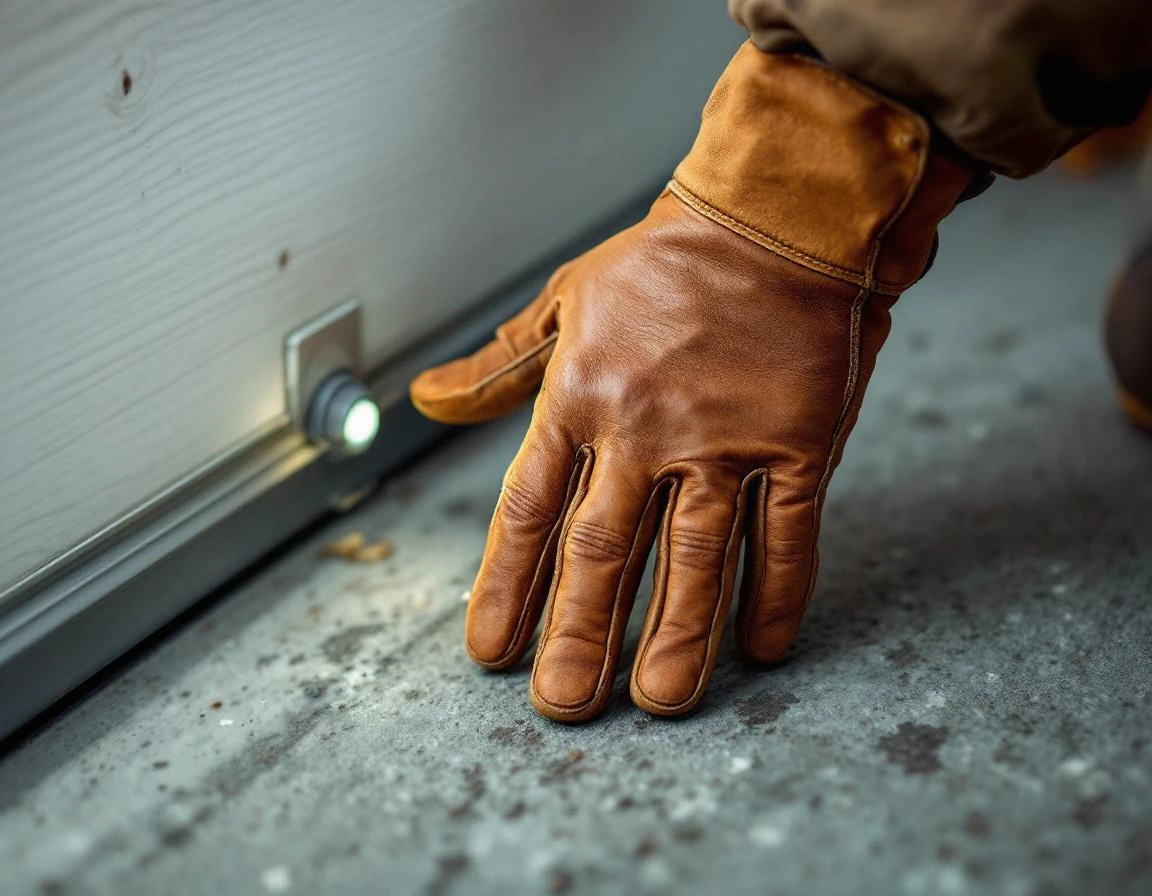
Here’s how to perform the test safely: Place a 1×4 wood block or roll of paper towels flat on the garage floor in the door’s closing path. Stand clear and activate the door using your wall button or remote. Watch carefully as the door descends toward the object.
What a PASS Looks Like
The door should stop and reverse within 2 inches of contact with the object. The reversal should be immediate—no grinding sounds, no hesitation, no continued pressure on the object. The door should smoothly retract to its fully open position without any unusual noises.
What a FAIL Looks Like
If the door continues to close past the object, stops but doesn’t reverse, takes more than two seconds to respond, or makes grinding or straining sounds, your auto-reverse system has failed. Never use your hand, foot, or any body part to test this feature. Children should be kept well away from the testing area.
If your door fails this test, stop using it immediately and call a professional.
This isn’t a DIY repair—a malfunctioning auto-reverse puts your family at serious risk.
Sensor Alignment and Function Tests
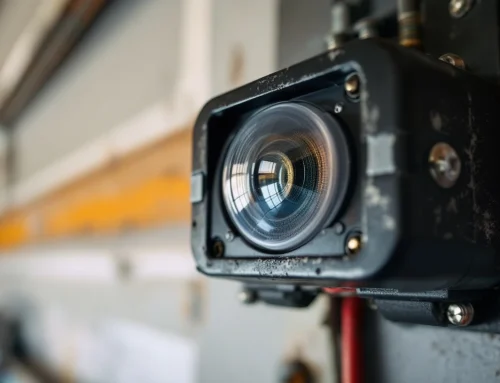
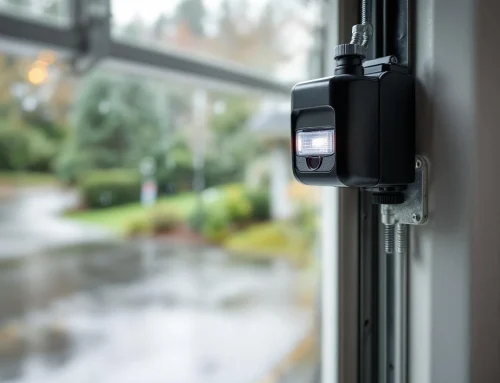
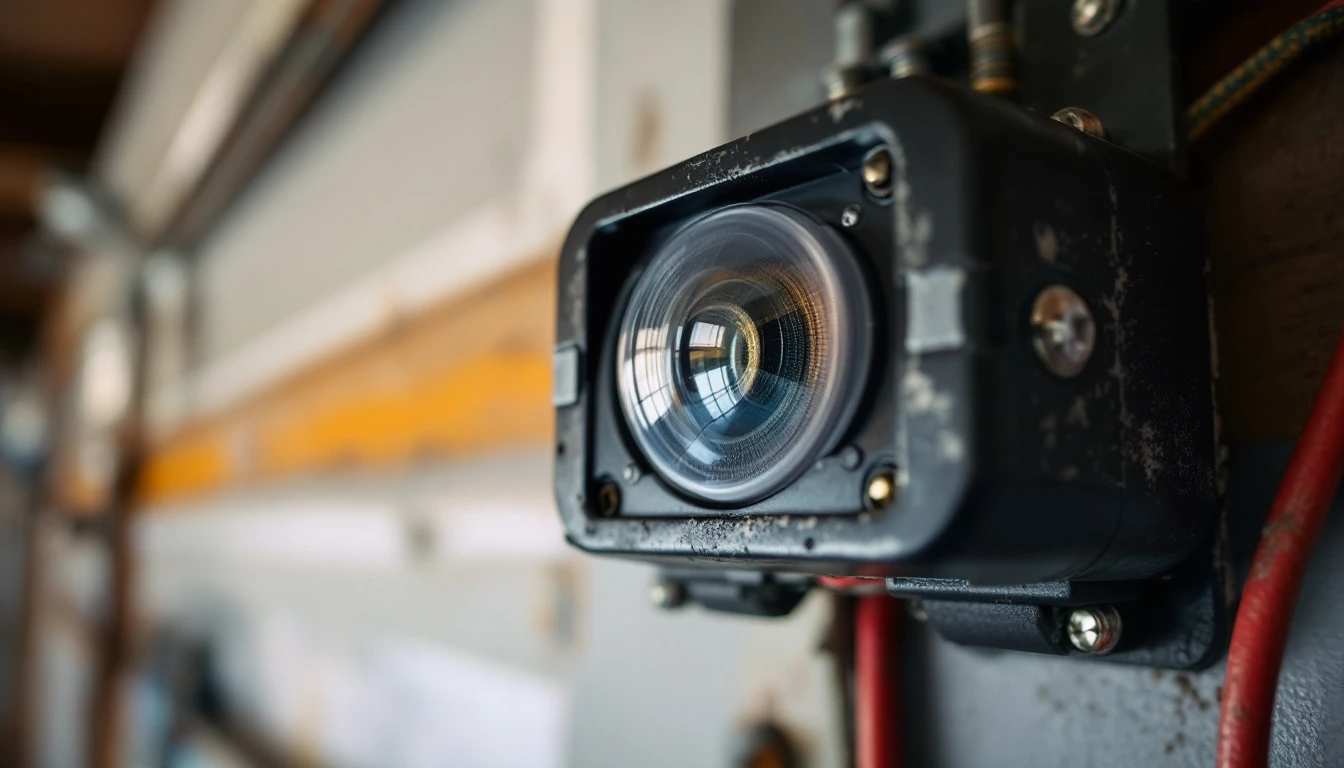
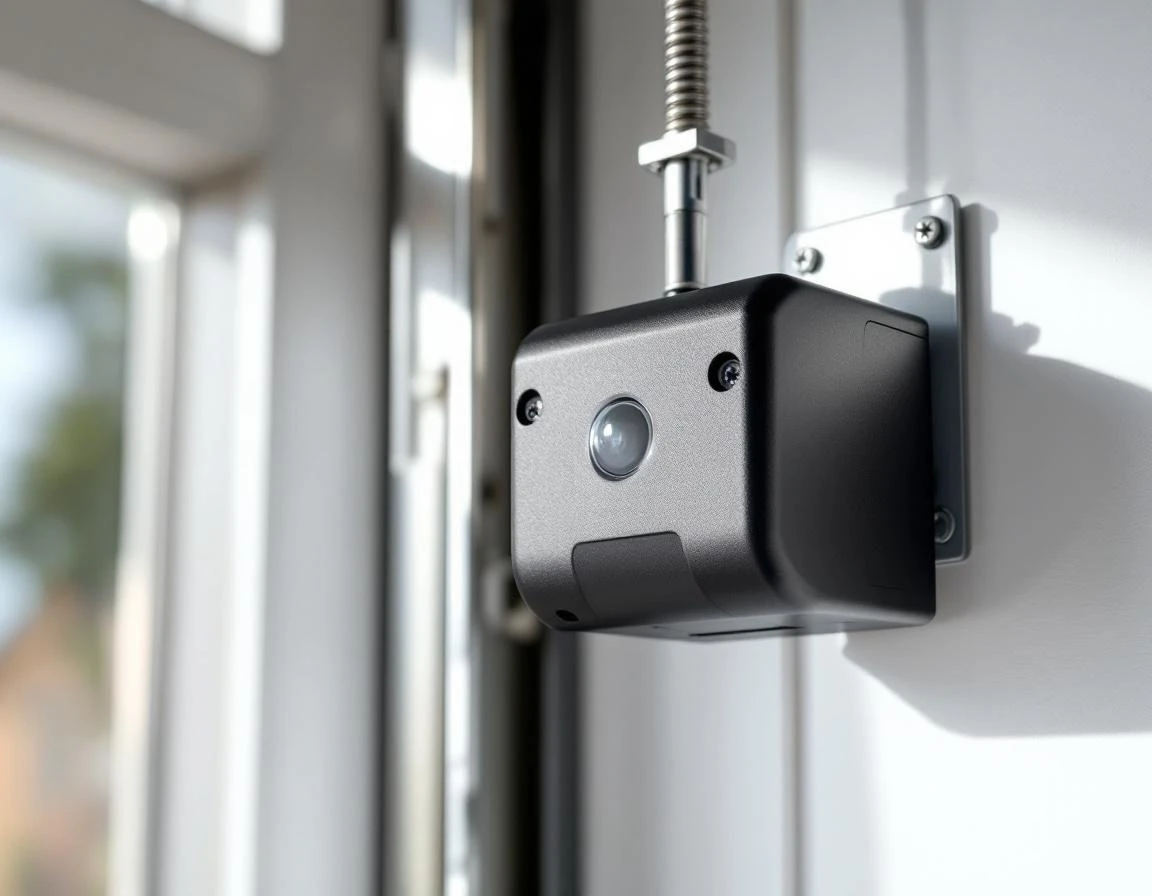
Your garage door’s safety sensors are photoelectric devices mounted on either side of the door opening, about six inches above the floor. These sensors create an invisible infrared beam across the doorway. If anything breaks this beam while the door is closing—whether it’s a child, a pet, or a misplaced bicycle—the door should stop immediately and reverse direction.
Testing your sensors takes less than two minutes. Start the door closing using your wall button or remote. While the door descends, wave your hand through the area where the sensors face each other at the base of the door opening. The door should stop instantly and reverse upward the moment your hand interrupts the beam. If the door continues closing or responds sluggishly, your sensors have failed this critical safety test.
What causes sensor failures?
- Misalignment tops the list
- Dirt or cobwebs covering the sensor lenses, especially common in Portland garages during our wet fall and winter months
- Loose mounting bolts that can shift sensors out of alignment when the door vibrates during operation
Each sensor has a small indicator light—usually LED—that should glow steadily when the sensors are properly aligned. If one light is off or blinking, the sensors can’t communicate. If your sensors fail the beam test, clean both lenses with a soft cloth first. Next, verify the mounting brackets are tight and the sensors point directly at each other. Still having problems? This signals an electrical issue or damaged sensor that requires professional attention. Learn more about garage door sensor troubleshooting to understand what might be wrong.
Don’t disable your sensors as a workaround—they exist to prevent serious injuries.
Contact us today for expert sensor repair and alignment.
Pass/Fail Checklist and Next Steps
After completing both tests, use this simple checklist to document your results:
- Auto-Reverse Test: PASS if door reverses within 2 inches of contact. FAIL if door continues closing, grinds against object, or reverses slowly.
- Sensor Function Test: PASS if door immediately stops when beam is broken. FAIL if door continues closing or responds inconsistently.
- Sensor Alignment: PASS if indicator lights on both sensors glow steadily. FAIL if lights are off, blinking, or mismatched.
If all three tests pass, your garage door system meets federal safety standards. Mark your calendar to repeat this testing in April 2026.
If any test fails, this represents an immediate safety hazard requiring professional attention. These systems prevent serious injuries and deaths—they’re not DIY repairs. Contact Garage Harmony for same-day service throughout the Portland metro area.
This 10-minute investment protects your family from preventable accidents. Thousands of garage door injuries occur annually. But proper testing catches failures before tragedy strikes. Schedule your April safety check today.