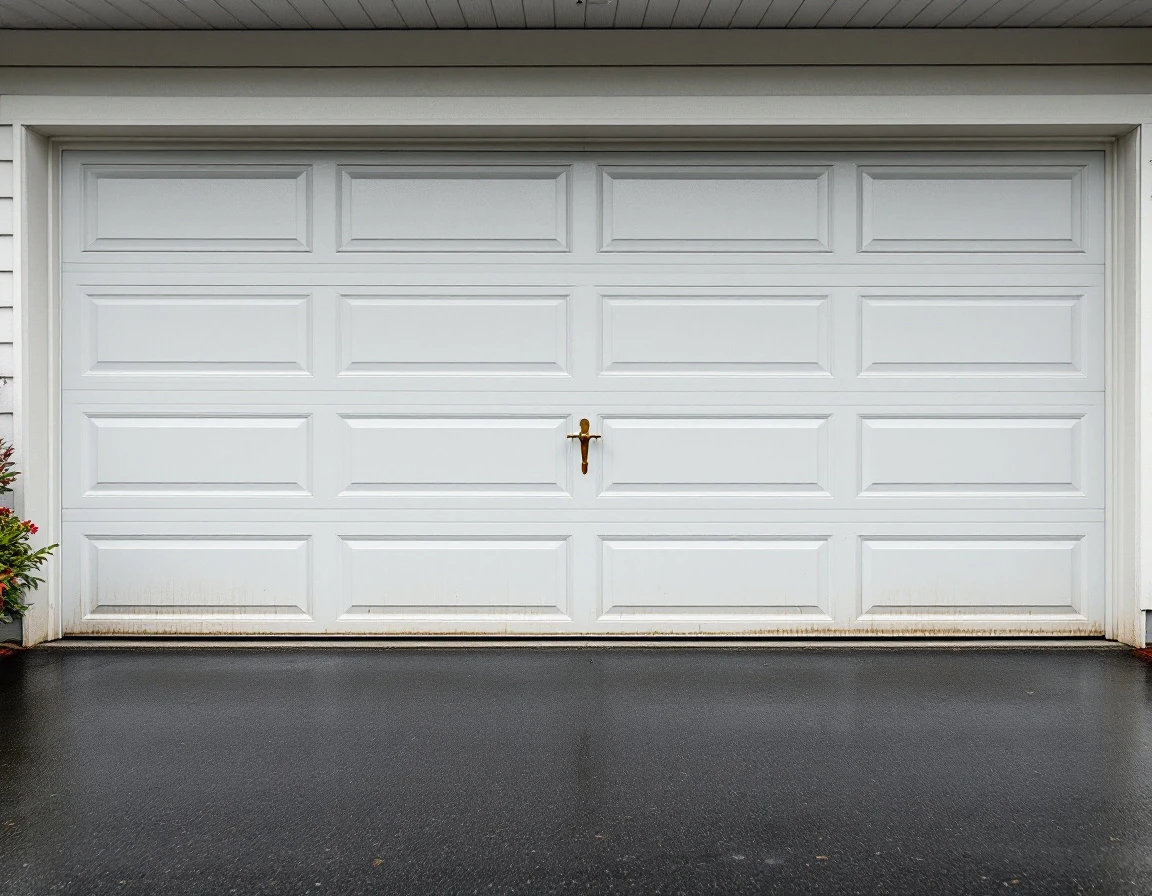
Why Garage Door Safety Matters: The Hidden Hazards in Your Home
Your garage door is likely the heaviest moving object in your home, weighing between 300 and 700 pounds. When safety features fail, this essential piece of equipment can cause catastrophic injuries or even death. Children and aging parents are particularly vulnerable to accidents involving faulty sensors, broken springs, or malfunctioning automatic openers. Understanding essential garage door safety features is the first step in protecting your family from these preventable hazards.
Here’s what most Portland homeowners don’t realize: your garage door contains multiple critical safety systems that prevent crushing injuries and entrapment. These components—photo-eye sensors, auto-reverse mechanisms, and emergency release cables—require seasonal inspection to function properly. Yet few homeowners ever check them until something goes wrong.
Portland’s wet winters create a perfect storm for garage door safety failures. Moisture accelerates corrosion on sensor housings, degrades electrical connections, and promotes rust on springs and cables. That persistent dampness from October through April doesn’t just make everything feel soggy—it actively undermines the mechanical and electronic systems protecting your family.
Identifying safety risks early is simple and takes less than 15 minutes per season. By understanding five essential safety features and performing basic inspections, you’ll prevent expensive emergency repairs and prevent your garage door from becoming a household danger.
Safety Feature 1: Photoelectric Sensors and Pinch Point Protection
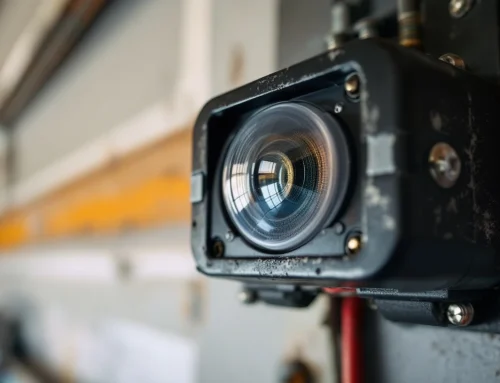
Photoelectric sensors are your garage door’s first line of defense against serious injuries. These devices project an invisible beam across the door opening, and when anything—a person, pet, or object—breaks that beam, the door immediately reverses direction. This automatic response prevents the door from crushing whatever is in its path.
Understanding pinch points is crucial for Portland homeowners. Your garage door has five critical pinch point locations where fingers and limbs can be caught and crushed:
- Between the horizontal panels as they fold
- At the sides where panels meet the vertical tracks
- At the base where the bottom panel contacts the floor
- Along the tracks where moving components create shear points
- Around the spring assembly above the door
According to industry data, over 7,000 pinching injuries occur annually, many resulting in serious finger amputations. Learning about garage door pinch points hazards helps you prevent these injuries.
Testing your sensors takes just two minutes. Place a cardboard box or roll of paper towels in the door’s path, breaking the sensor beam. Press the close button—the door should reverse immediately when it detects the obstruction. If it doesn’t, your sensors need attention.
Portland’s wet climate creates a specific maintenance challenge. Moisture causes dust and condensation to accumulate on sensor lenses, and this buildup is the leading cause of sensor failures in our area. Clean your sensors each fall and spring using a soft cloth. If cleaning doesn’t restore function, misalignment may be the issue—and that typically requires professional service for proper calibration and safety compliance.
Safety Feature 2: Automatic Reversal Mechanism in Modern Openers
Modern garage door openers include force-limit sensors that detect unusual resistance and automatically reverse the door’s direction within two seconds. This critical safety feature prevents the door from crushing objects, pets, or people caught underneath during closing. Automatic garage door openers safety depends on these systems functioning properly every time.
Testing this system takes just five minutes and should be done before each season—especially important in Portland’s wet climate. Here’s how: gently push upward on the door as it closes. The opener should immediately sense the resistance and reverse. If it doesn’t, your opener needs professional inspection right away.
It’s essential to understand that this test evaluates the opener’s force-sensing ability, not the photoelectric sensors covered earlier. Older openers manufactured before 1993 lack automatic reversal systems entirely and present a significant hazard, particularly to children. If your opener predates this safety standard, replacement isn’t optional—it’s urgent.
Portland’s wet winters can compromise reversal systems in unexpected ways. When garage door springs fail—a common issue in humid conditions—the opener must work harder to lift the door, which interferes with its ability to detect obstruction properly. This creates dangerous entrapment hazards. If your door hesitates, makes grinding noises, or the reversal test fails, contact Garage Harmony immediately for professional assessment.
Safety Feature 3: Emergency Manual Release and Entrapment Prevention
Every garage door opener includes a critical safety feature that most Portland homeowners have never tested: the emergency manual release. This mechanism—typically a red handle hanging from the trolley inside your garage—disconnects the door from the opener, allowing manual operation during power outages or opener malfunctions. More importantly, it prevents dangerous entrapment situations when the automatic system fails.
Here’s the simple test: pull the red handle, then manually lift your garage door. It should move smoothly with minimal resistance, gliding up and down easily. If you struggle to lift it or it feels stuck, something’s wrong—either the release mechanism itself is jammed or your springs need professional attention.
Portland’s damp climate creates a specific problem for this feature. Paint from garage ceiling touch-ups can seal the release mechanism. Rust can freeze the trolley connection. Debris and spider webs accumulate on the handle itself. Many homeowners don’t even know this feature exists, which defeats its entire purpose during an emergency.
Test this mechanism twice yearly—once in spring after Portland’s wet winter, and again in fall. Make sure every household member knows where the red handle is and how to use it. This requires zero technical skill but could prevent a serious entrapment emergency.
Your 15-Minute Portland Seasonal Safety Inspection Checklist
Spring and fall are the ideal times for garage door inspections in Portland—before winter’s wet weather accelerates wear on metal components. A complete garage door safety inspection takes just 15 minutes and requires only visual inspection plus the two simple mechanical tests you’ve already learned.
Start by cleaning your photoelectric sensors with a soft cloth and checking their alignment. The National Association of Realtors recommends checking photo eyes as a critical first step in any garage door safety inspection. Next, test sensor reversal by blocking the beam with your leg as the door closes—it should reverse immediately. Then perform the hand-resistance test on the closing door; your opener should reverse within two seconds. These tests verify your two most critical safety systems are functioning properly.
Now conduct your visual inspection:
- Check the tracks on both sides for rust spots, gaps in mounting, or accumulated debris
- Test your emergency release handle by pulling it—the mechanism should disengage smoothly without sticking
- Look at your cables and springs from a safe distance, watching for fraying wires or rust buildup
- Operate your door through several cycles and listen carefully for grinding, squealing, or rattling noises
Never touch springs or cables—visual inspection only. Springs hold hundreds of pounds of tension and can cause severe injury if mishandled.
Red flags requiring immediate professional service include: bent or damaged tracks, cracked door panels, smoke or sparks from the opener, any safety feature that fails testing, or springs showing visible rust or gaps in coils. Pacific Northwest moisture makes these issues progress rapidly once they start.
Document each inspection with a simple checklist and date—this helps you catch gradual degradation before it becomes an emergency. When you spot any red flags or hear unusual sounds, contact Garage Harmony. Anything beyond visual inspection or testing requires professional expertise and specialized tools to address safely.
When to Call a Professional: Safety Thresholds and Emergency Signs
Some garage door problems are absolutely non-negotiable: they require immediate professional attention. Never attempt to repair or inspect springs, cables, or track alignment yourself. Garage door springs hold hundreds of pounds of tension and can cause severe injury or death if mishandled. Similarly, frayed cables or bent tracks indicate structural problems that demand professional equipment and expertise.
If you notice any of these warning signs during your inspection, contact a professional immediately:
- Visible spring damage or gaps in coils
- Cable fraying or looseness
- Grinding or groaning sounds during operation
- Doors that move unevenly or bind
- Repeated failures of any safety feature despite cleaning and adjustment
These aren’t minor maintenance issues—they’re emergency red flags indicating imminent failure. In fact, over 2,000 injuries annually are caused by falling doors or entrapment situations that could have been prevented with proper maintenance.
Portland’s damp winters accelerate wear on all garage door components, making professional inspections every 2-3 years a smart preventive investment. Think of it this way: a professional inspection catches problems before they become + emergency calls at midnight when your door fails completely. At Garage Harmony, we’ve seen countless homeowners save money by catching spring fatigue, cable wear, and track misalignment before catastrophic failure. Learning how to maintain garage door safely through regular inspections is an investment in your family’s security.
If any of your three main safety systems—sensors, automatic reversal, or manual release—repeatedly fail testing, that’s your signal to schedule professional service. Understanding why garage door safety features matter means recognizing when DIY maintenance ends and professional expertise begins. Contact us today to schedule an inspection and protect your family from preventable garage door hazards.