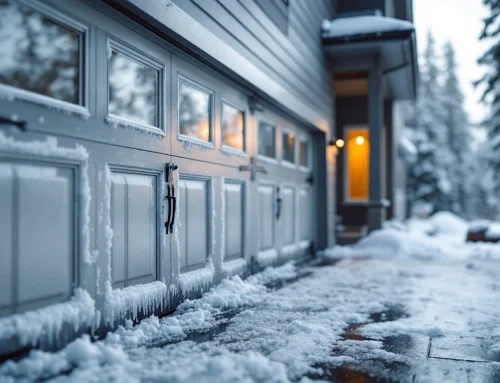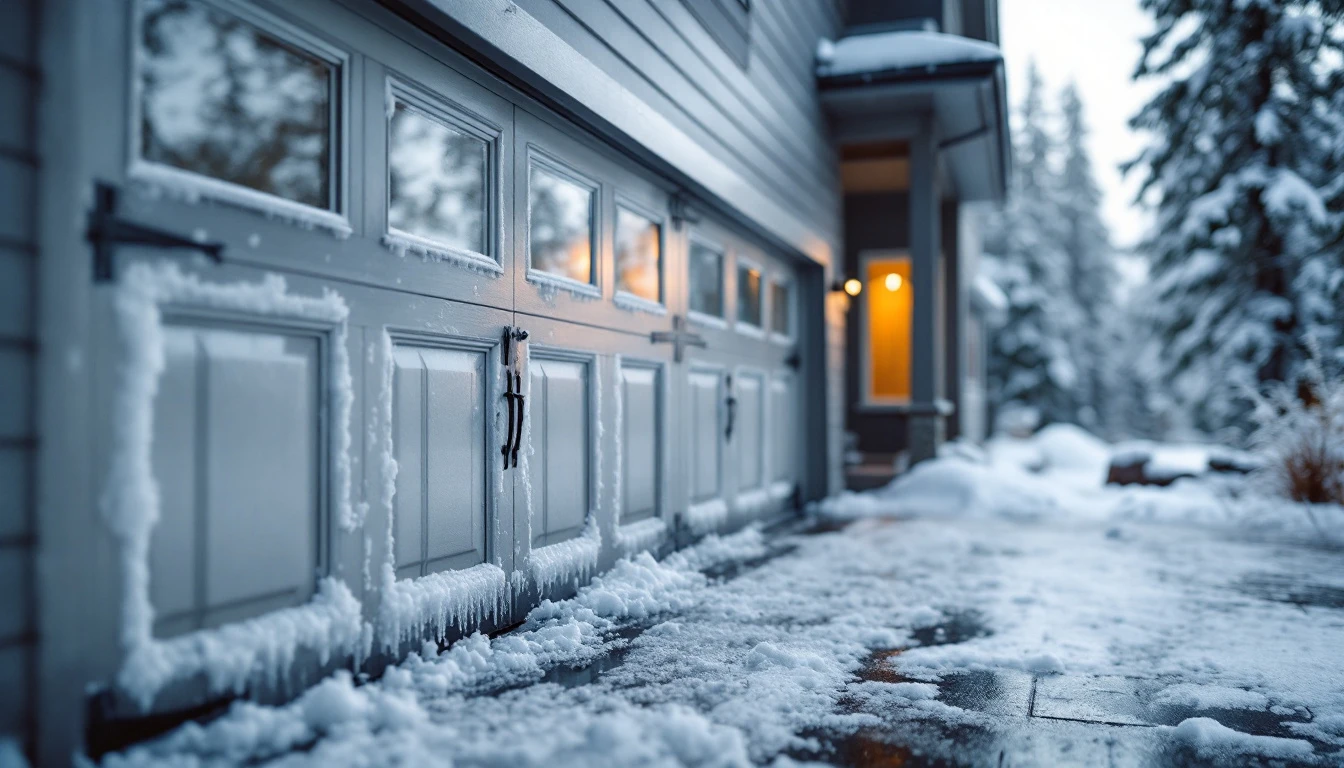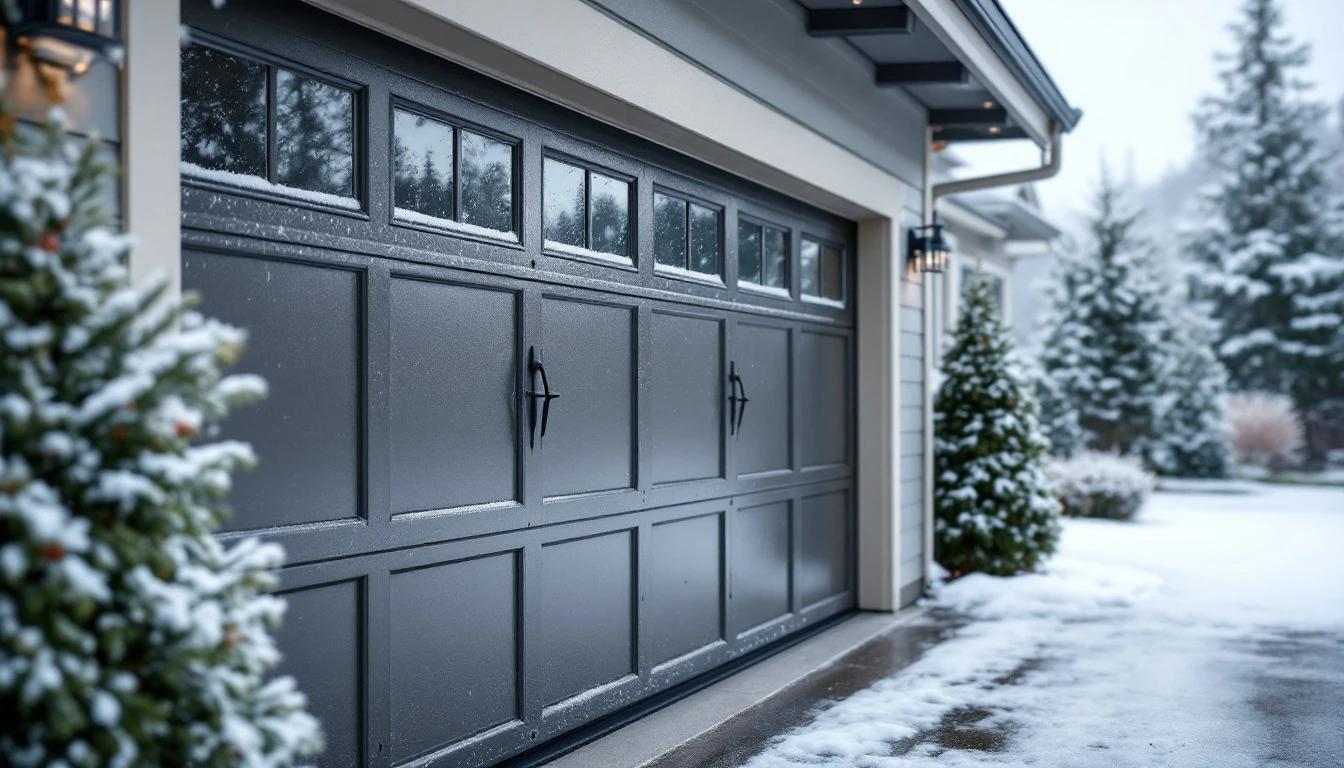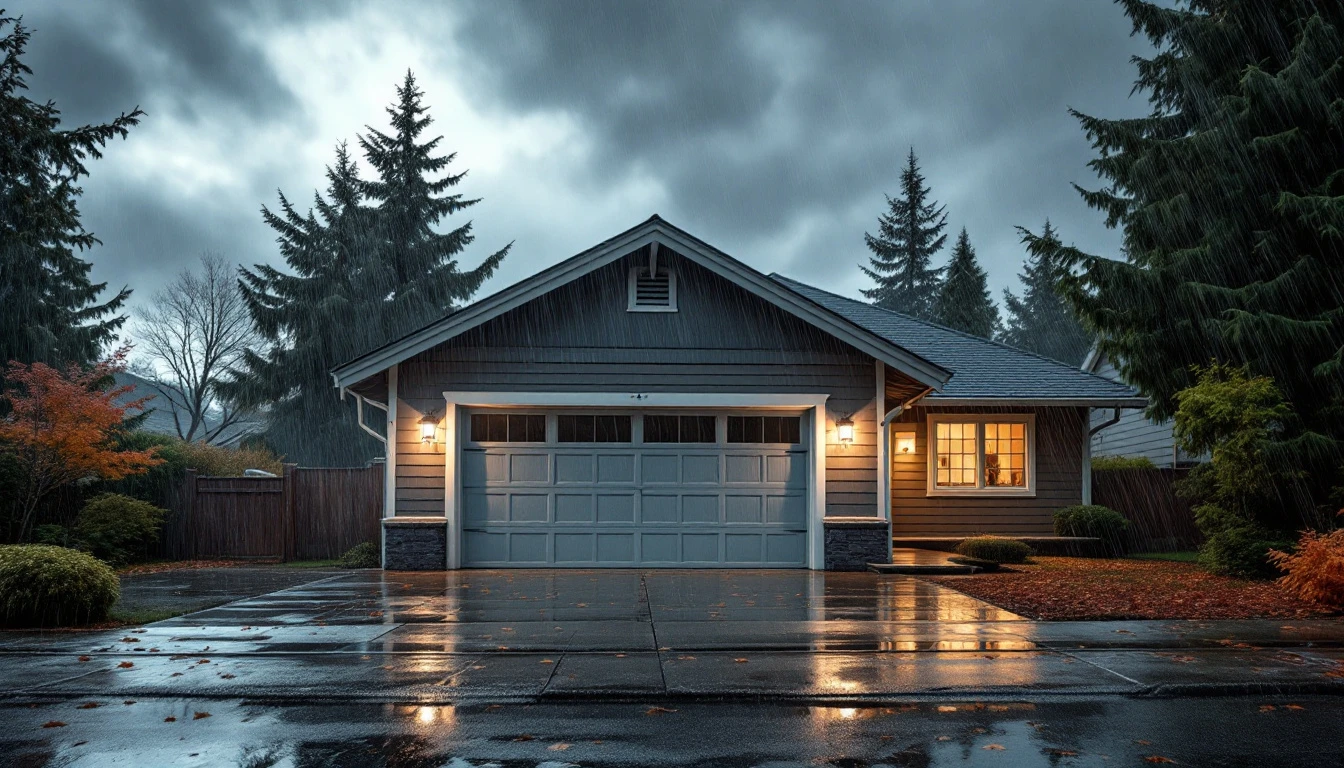
Nor’easter Threat to Oregon Garages
Fall nor’easters bring sustained high winds and heavy rain that put real demands on your garage door system from September through February. A little preparation now keeps your garage secure through storm season. Coastal communities and Willamette Valley residents face the highest risk as wind gusts and prolonged precipitation test every component of your garage system. Garage door nor’easter damage prevention starts with understanding these vulnerabilities and taking action before storm season arrives.
Storm winds stress every part of your garage door. Weakened panels can buckle inward. Worn weatherstripping lets water pour into your space. Water intrusion during storms can damage stored items and seep into living spaces, which is why a solid garage door is your first line of defense. Power outages add another layer of complexity when automatic openers stop working.
Advance hardening now prevents costly emergency repairs and keeps your home secure during storms. Preparation beats scrambling for help when the next system rolls in.
Wind and Water Vulnerabilities
Where exactly do garage doors fail when nor’easters arrive? The weakest links reveal themselves quickly under sustained wind and rain. Weatherstripping that once sealed your garage tight degrades over time—cracking, peeling, and pulling away from door edges. Once compromised, wind-driven rain streams into your garage and can seep into adjacent living spaces, damaging stored belongings and interior walls.
Springs and hardware face their own threats. Corroded springs lose tension and snap under the added stress of wind pressure, while loose bolts and brackets give way when the door flexes. Without proper panel bracing. Your door becomes vulnerable to buckling or even bending inward during peak gusts.
Then there’s the power outage problem. When storms knock out electricity and your door gets stuck, you’re locked out of tools, vehicles, and emergency supplies stored inside. Manual release mechanisms help—but only if you can access them from inside the garage.
Pre-Storm Hardening Checklist
September is the time to harden your garage door system before the first nor’easter arrives. Waiting until storm warnings appear leaves you scrambling for parts and contractors who are already booked. By completing these checks now, you’ll extend your door’s lifespan and avoid emergency repair calls when severe weather hits. This garage door severe weather checklist helps you prepare before damage occurs.
Inspect and Refresh Your Weatherproofing
Start by examining the weatherstripping on all four sides of your door frame. Look for cracks, gaps, or compressed sections that no longer create a tight seal. Replace any damaged strips with new rubber or vinyl weatherstripping—you’ll need a utility knife, measuring tape, and adhesive or fasteners depending on the type.
Next, inspect the bottom seal where your door meets the garage floor. This strip takes the most abuse and often shows wear first. Apply exterior-grade caulk around the door frame perimeter where it meets the garage wall, focusing on corners and joints where water tends to penetrate. If you spot active leaks or extensive seal damage across multiple areas, call our team at Garage Harmony for a weatherproofing assessment.
Check Hardware and Moving Parts
Inspect your garage door’s main springs (the heavy coils supporting the door’s weight), cables, and rollers for rust or fraying. Apply a proper garage door lubricant to all moving parts—hinges, rollers, and bearings all need it. Replace any rusty hardware now before storm season stresses these components.
Test your door’s balance by disconnecting the opener and manually lifting the door halfway. It should stay in place without drifting. If it drops or rises, your springs need adjustment from our experts. Inspect each panel fastener and tighten any loose bolts. Finally, consider installing a battery backup system for your opener so power outages don’t trap you inside or lock you out during extended storms.
Focus on Vulnerable Seams and Drainage
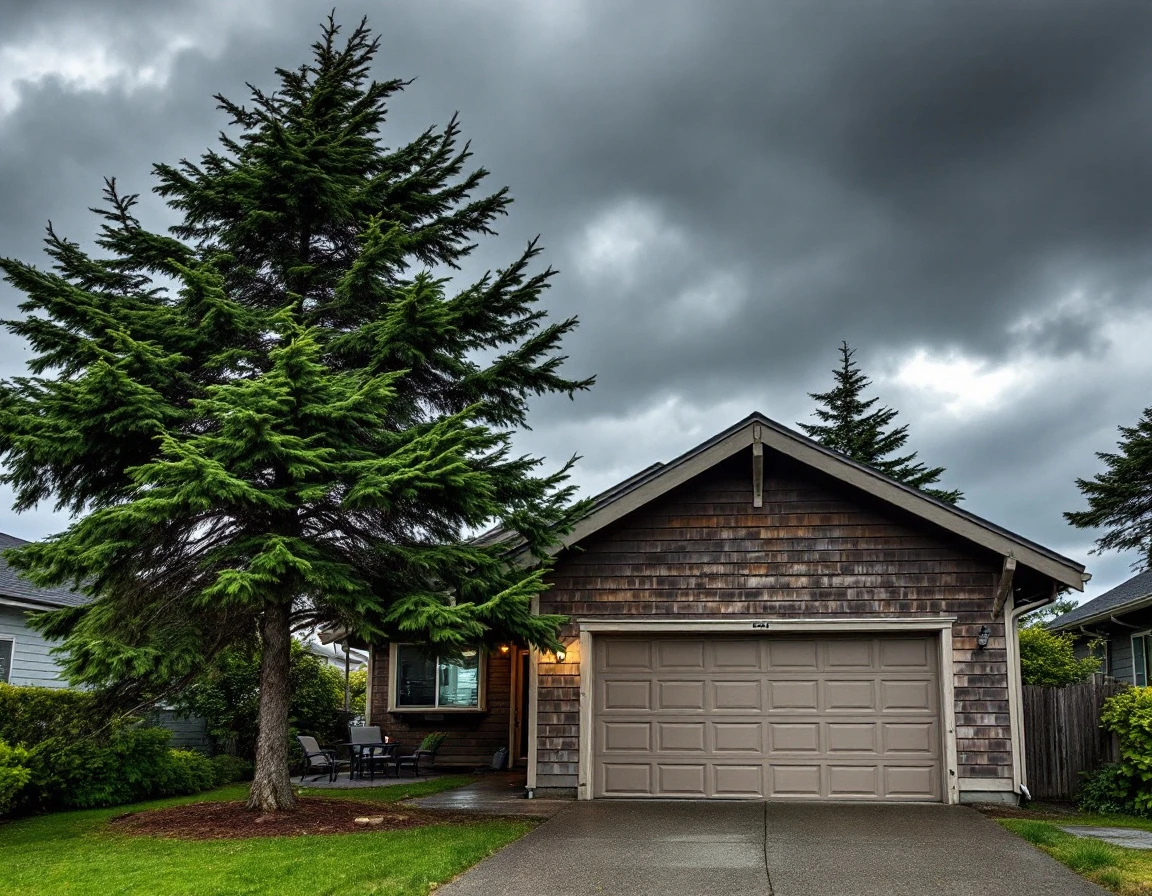
Before nor’easters arrive, take a close look at your bottom seal and the weatherstripping along vertical tracks. Check for cracks, compression that won’t spring back, or sections that have pulled away completely. These gaps let wind-driven rain flood your garage and seep into attached living spaces.
Measure your door’s width and replace worn seals with fresh rubber weatherstripping rated for temperature extremes—Oregon’s fall storms bring both cold rain and occasional freezing conditions. Apply silicone caulk to vulnerable seams where door panels meet the frame, focusing on corners where water pools during heavy downpours.
Don’t forget the drainage holes in your door tracks. Clear away debris so water exits properly rather than backing up into your garage. This simple step prevents standing water that corrodes hardware and compromises your door’s structural integrity during multi-day storm events.
Double-Check Mechanical Components
After sealing your garage against water intrusion, turn your attention to the mechanical components that sustained wind pressure can push to their limits. Start by visually inspecting springs and cables for rust, fraying, or any signs of elongation—these red flags indicate weakened metal that could snap during a storm.
Next, methodically tighten all fasteners on hinges, rollers, and hardware brackets using a socket wrench. Wind forces amplify every loose connection point, turning minor vibrations into failures. Test your door’s balance by disconnecting the opener and lifting manually—it should stay put at waist height. If it drops or shoots up, your springs need adjustment before nor’easter season arrives. How to protect garage door from severe storms Oregon depends on catching these mechanical issues early.
Finish by lubricating all moving parts with proper garage door lubricant, not WD-40. Never attempt spring replacement yourself—this is strictly work for our team. However, catching these warning signs now lets you schedule service before October storms hit and repair crews get overwhelmed.
Emergency Access Plan
Even with thorough preparation, nor’easters can knock out power and disable your automatic opener. Can you access your garage without electricity? The emergency release cord—typically a red handle hanging from the opener rail—disconnects the mechanism from the door, allowing manual operation. Locate this cord now and practice pulling it while the door is closed. Then lift the door manually to understand the weight and movement required. Understanding emergency garage door access during storms keeps you calm and capable.
Store what you need where you can reach it during an outage. Keep a flashlight near the garage entry door. Along with basic tools and the manual lock release key if your door has one. Consider dedicating a shelf or cabinet near the entry for emergency items you might need to evacuate or access during severe weather.
Test your emergency release every few months to keep the mechanism functional and your skills fresh. When storm warnings arrive, you’ll handle access problems calmly instead of struggling in the dark with an unfamiliar system.
Act Now, Rest Easy Later
September offers a clear window to prepare your garage door before nor’easter season accelerates through fall and winter. The hours you invest now in hardening your system and establishing emergency protocols protect you from the stress of being trapped or vulnerable when storms strike Oregon’s coast and valleys.
Inspection and repair right now cost far less than emergency service during a storm—and a strong garage door prevents a cascade of damage to your home and keeps your property secure and accessible during the worst weather. Contact our team at Garage Harmony to inspect your springs, weatherstripping, and hardware before October arrives.
Call us today to schedule your pre-storm inspection at (503) 447-9226. And share this checklist with neighbors in high-risk areas. A few proactive steps now prevent thousands in damage and give you confidence when the next nor’easter hits.