Why Mid-Century Doors Face Spring Risk
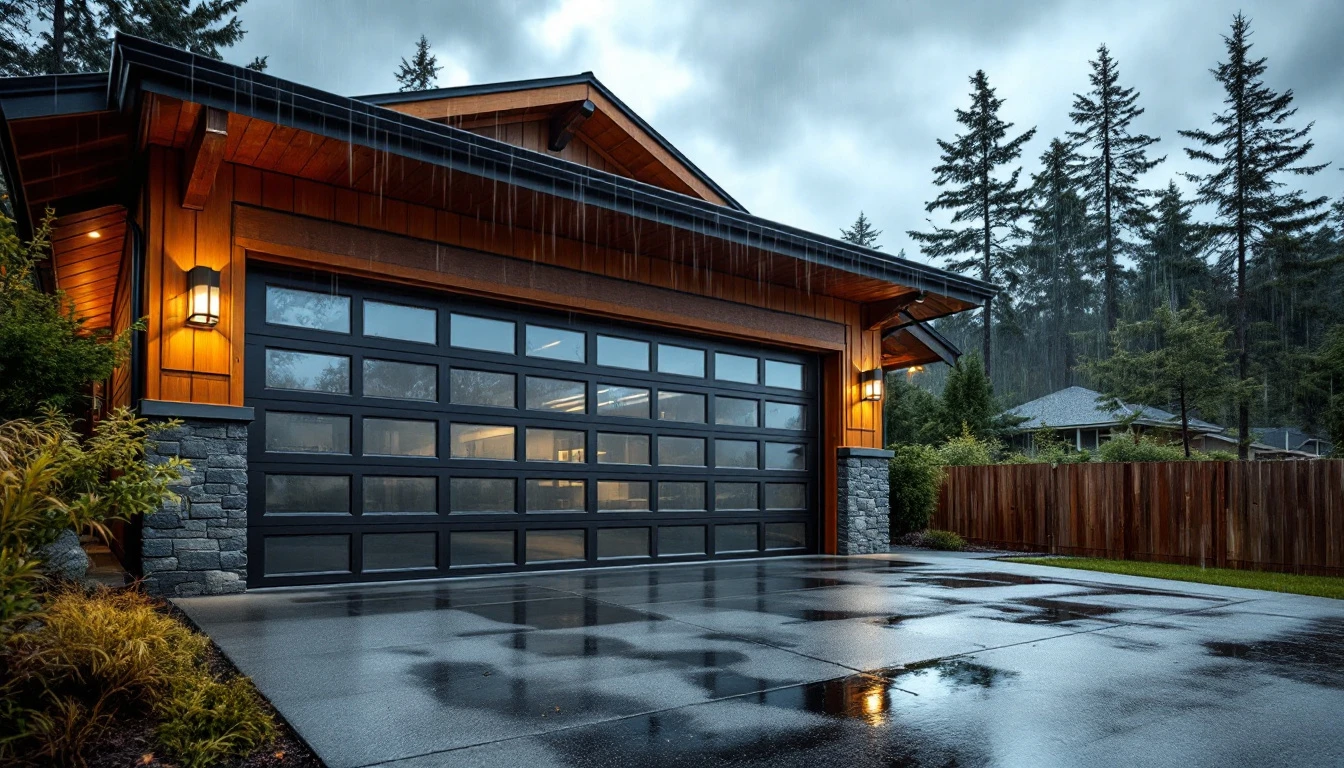
Mid-century garage doors face unique vulnerabilities during spring because aging materials respond poorly to freeze-thaw cycles and rapid temperature swings common in Hazel Dell’s wet climate. Proper garage door maintenance in Hazel Dell prevents the worst freeze-thaw damage from emerging when temperatures swing wildly between seasons.
Freeze-thaw cycles are the primary threat
For doors installed 30-60 years ago in Hazel Dell, freeze-thaw cycles create the most damaging conditions your garage door will face. When temperatures swing from freezing nights to warmer days—common throughout Pacific Northwest winters—moisture trapped in small cracks expands as it freezes, forcing those gaps wider with each cycle.
The real problem emerges where metal and wood components meet. These materials expand and contract at different rates during temperature changes, creating stress points at joints, hinges, and mounting hardware. A metal track might contract in the cold while the wooden door frame expands with moisture, pulling connections apart gradually over months. By spring, what started as tight weatherstripping now has gaps that let rain and cold air inside.
Wet Pacific Northwest winters compound damage that emerges in spring
The relentless winter rainfall that soaks Hazel Dell and surrounding Clark County communities doesn’t just create surface problems—it saturates wood components and seeps into existing cracks in mid-century garage doors. When spring arrives and temperatures finally climb, that trapped moisture expands and contracts repeatedly, turning minor cracks into major failures.
Catching these issues early in May prevents the worst-case scenario: discovering a broken spring or failed weatherseal during the busy summer months when repair companies face peak demand.
A professional inspection before summer heat arrives means you’ll spot problems while scheduling is flexible and emergency surcharges aren’t necessary.
Three Critical Damage Signs to Inspect
Walk into your garage right now and check for these three warning signs. Each one tells you exactly how far garage door freeze thaw damage has progressed in your door.
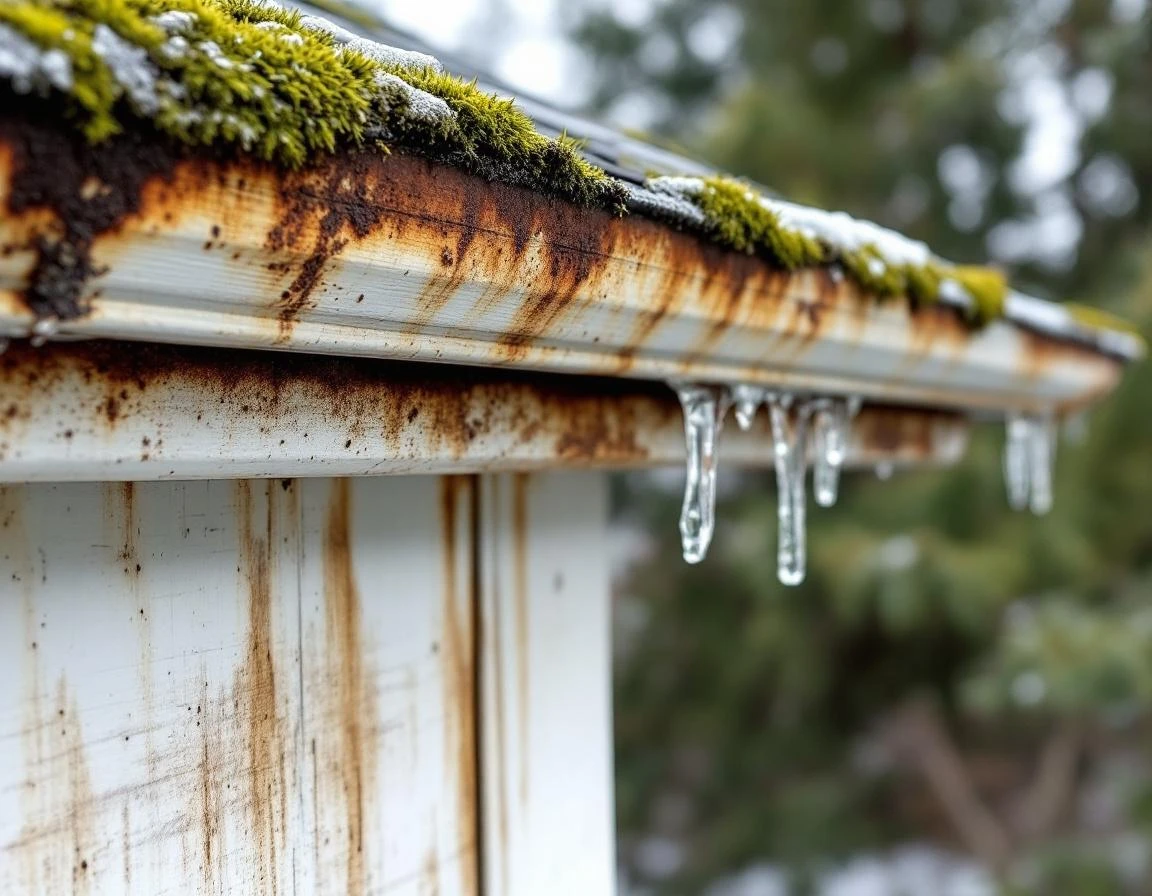
- Ice buildup, condensation, or water stains inside the garage reveal failed weatherstripping that’s allowing moisture to penetrate the door system. When you see water pooling along the bottom seal or notice condensation between door panels, moisture has already begun attacking the steel components and wood frames. This isn’t just about a draft—it’s about water systematically corroding your door from the inside out.
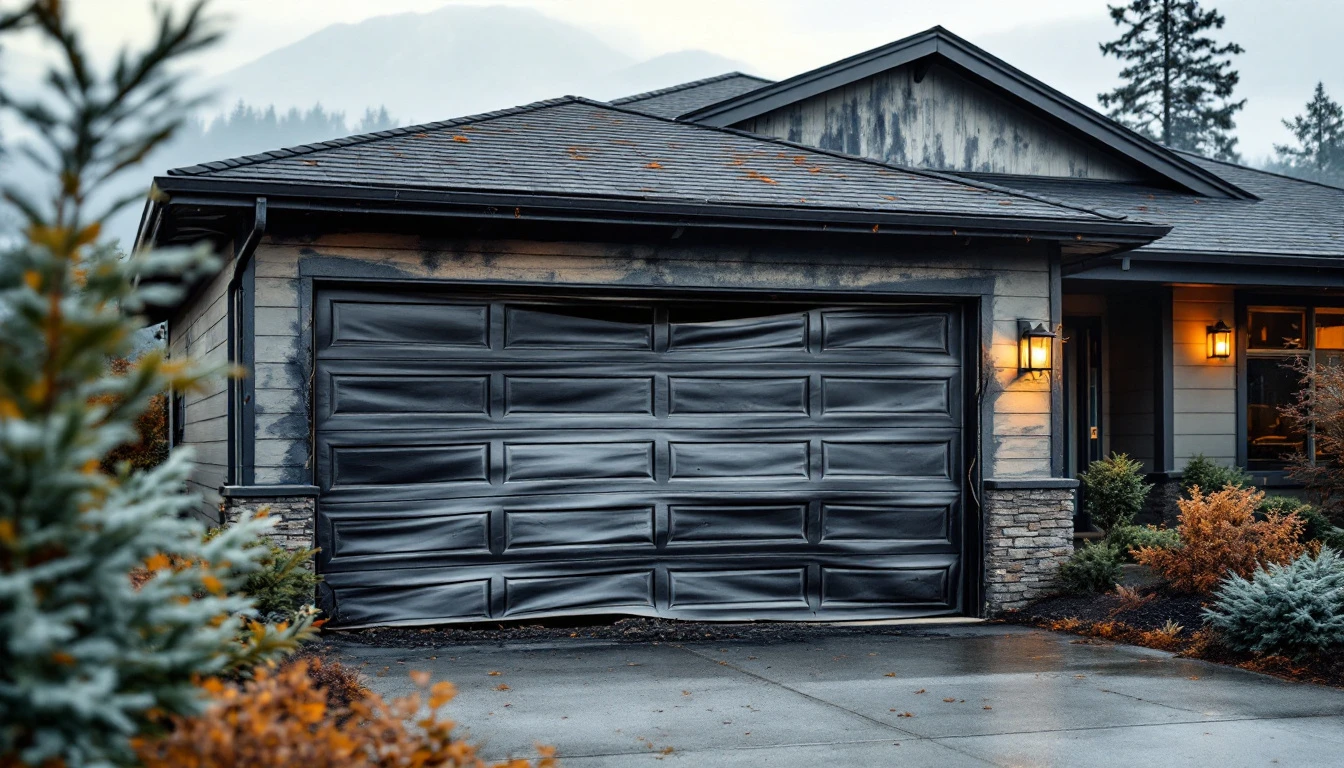
- Cracked or bowed panels, especially at the bottom sections. Signal that freeze-thaw cycles have already begun breaking down the door’s structural integrity. The bottom panels take the worst beating because that’s where water naturally pools and freezes. When you see horizontal cracks running across a panel or notice the door bowing outward, the damage is progressing beyond surface-level problems. These panels will fail completely during the next cold snap.
- Grinding sounds or difficulty opening and closing indicate that moisture has corroded the tracks or caused misalignment in the mechanical system. That scraping noise you hear every morning? It’s metal-on-metal contact where protective coatings have worn away. The door that hesitates halfway up is telling you the rollers can’t move smoothly through corroded or warped tracks.
May is when Hazel Dell homeowners first notice these problems because the door worked acceptably all winter—but spring temperature swings expose the accumulated damage. These aren’t cosmetic issues you can ignore. Each sign points to imminent failure that will cost far more to fix once the door stops working completely.
Weatherstripping Failure and Water Intrusion
Here’s what most Hazel Dell homeowners don’t realize: weatherstripping doesn’t just keep out cold air—it keeps out water. And water is the vector that makes freeze-thaw damage possible in the first place.
Original weatherstripping from the 1960s through 1990s has degraded after decades of exposure. That rubber or felt material has hardened, cracked, or disappeared entirely. The gaps left behind create direct pathways for moisture to enter your garage door structure.
Water enters at three critical points:
- The bottom seal where snow accumulation and rain splash create constant moisture contact
- The side channels where wind-driven rain forces water into the vertical gaps between door sections and the frame
- The header seal at the top where ice dam runoff from your roof drains directly onto the door
Once water penetrates these failed seals, it migrates into the door’s internal structure—between panel layers, into wooden frame components, and along metal connections. When temperatures drop overnight, that trapped water freezes and expands. The expansion cracks panels from the inside out and pushes the entire frame out of square.
professional inspection makes a difference. At Garage Harmony, our technicians identify failed weatherstripping before the damage cascades into structural failures requiring panel replacement or complete door replacement.
New seasonal garage door weatherstripping creates a continuous moisture barrier that prevents future water intrusion.
Replacing weatherstripping before summer heat arrives gives your door a fighting chance against next winter’s wet conditions. The investment protects the entire door system.
DIY Inspection vs Professional Assessment
Every homeowner can spot the obvious warning signs we’ve discussed: water stains near the door bottom, visible cracks in panels, or that grinding sound when the door opens. Walking around your garage door on a dry spring morning takes five minutes. Look at the weatherstripping along all edges. Check for rust spots on metal components. Listen carefully during a full open-and-close cycle. These observations tell you something needs attention.
What you can’t see from a visual inspection is where the real danger hides. Has the freeze-thaw cycle warped the door frame enough that the door could bind mid-operation and trap your car? Are the springs showing internal stress fractures that could snap without warning? Has water corrosion weakened the structural mounting points where the track attaches to the wall? A garage door under spring tension holds enough force to cause serious injury. When metal fatigues from decades of temperature cycling, visual inspection misses the warning signs.
professional assessment protects both your safety and your budget. A trained technician measures track alignment with precision tools, tests spring tension against manufacturer specifications, and identifies structural problems before they become emergencies. A spring inspection scheduled during mild weather costs far less than the emergency replacement required when a compromised spring fails during extreme heat and you need same-day service.
Think of this as maintaining an aging asset, not buying something you don’t need. Your mid-century garage door in Vancouver WA has served you well, but freeze-thaw damage spreads exponentially once it starts. Garage Harmony’s inspection service gives you confidence in whatever decision you make: targeted repair, full replacement, or another season of reliable service with minor adjustments.
Garage Door Maintenance Hazel Dell: May Action Plan Before Summer Heat
May creates a perfect maintenance window for Hazel Dell homeowners—spring damage is now visible, summer heat hasn’t yet stressed aging systems, and contractors still have open appointment slots. You’ve identified the warning signs. Now take three specific actions before June arrives.
- Schedule a professional inspection this month. A technician will document your door’s current condition, identify repair priorities, and create a maintenance plan for your door’s age and material. This baseline assessment becomes your roadmap for preventing emergency failures.
- Have weatherstripping replaced if the inspection reveals degradation. New seals installed in May block summer moisture and pests before they enter your garage. Replacement takes 1-2 hours and protects your door through the dry season ahead.
- Ask your technician to lubricate tracks and test door operation. Smooth movement now means reliable performance when you’re using your garage daily during summer activities. Any grinding, binding, or hesitation indicates issues that need correction before they worsen.
Timing matters because June through August represent peak repair season in Clark County. Wait times extend to 3-4 weeks, and emergency calls command premium pricing when your door fails on a hot Saturday afternoon. Homeowners who act in May avoid this trap entirely.
Contact us today to schedule your spring inspection. Preventing tomorrow’s emergency starts with a phone call this week.