Why Spring Maintenance Matters for Estacada Gear
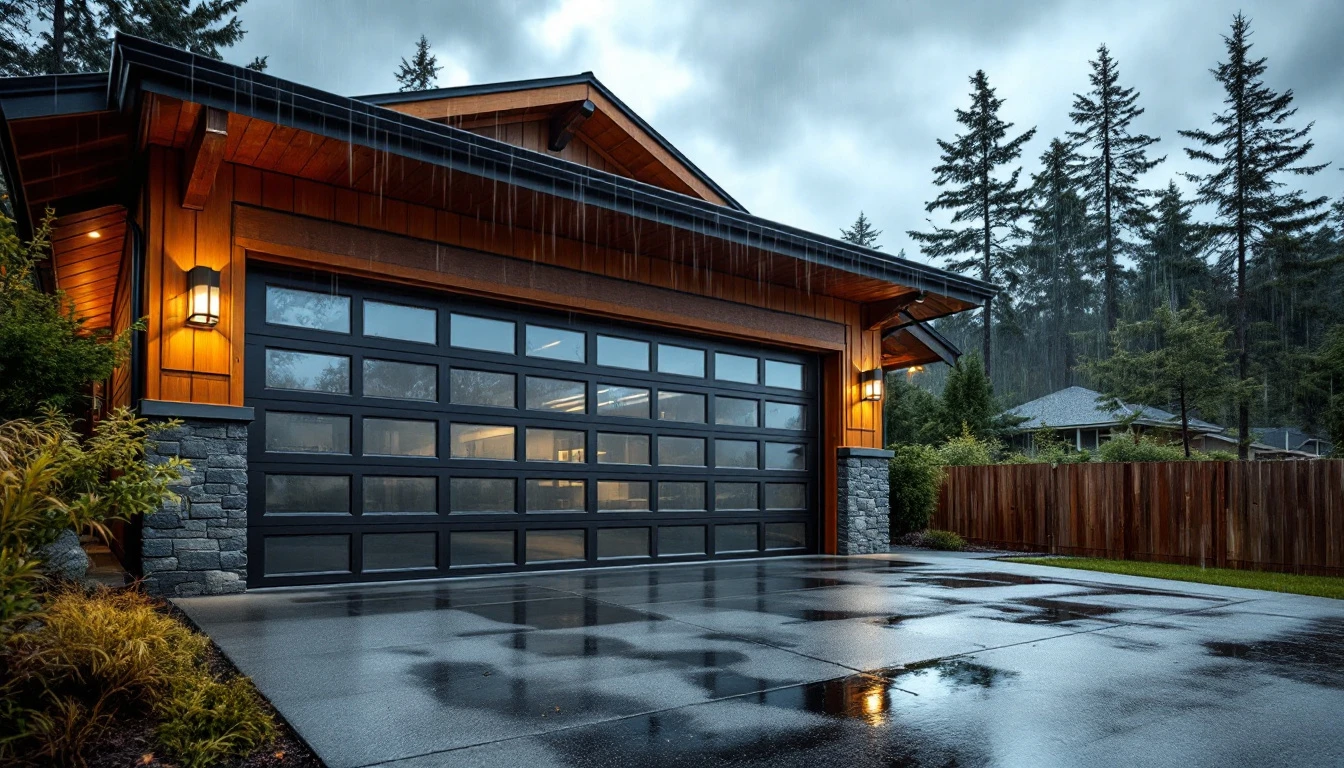
Spring marks the perfect time to prepare garage doors for protecting valuable recreational equipment from foothill moisture and temperature swings. Regular garage door maintenance in Estacada prevents costly failures before peak recreation season arrives.
Estacada’s foothill climate creates freeze-thaw
Estacada’s foothill location creates freeze-thaw cycles that place tremendous stress on oversized garage doors storing ATVs and motorcycles. When temperatures drop below freezing at night and rise above it during the day, metal springs expand and contract repeatedly, weakening the coils and shortening their lifespan. These cycles affect larger doors more severely because they carry heavier weight loads.
Moisture and temperature swings during winter storage threaten expensive ATVs, motorcycles, and mountain equipment stored inside. Without proper garage weatherproofing, condensation forms on cold metal surfaces, leading to rust on bike chains, electrical corrosion on ATV components, and mildew on climbing gear and camping equipment.
Spring is the critical window before peak recreation season when door failures are most costly
Spring maintenance isn’t just about convenience—it’s about protecting your investment before the busy recreation season begins. If your garage door fails in late May when you’re ready to load motorcycles or ATVs for weekend trips into Mt. Hood National Forest, you’re facing both emergency repair costs and missed adventures.
For Estacada homeowners storing high-value recreational equipment. A malfunctioning garage door during wet spring months can mean thousands in water damage. Moisture seeping through worn weatherstripping or compromised seals affects bikes, camping gear, and electronics stored alongside your vehicles. Spring preparation prevents these costly scenarios before peak season arrives.
Garage Door Spring Replacement Cost & Timeline
What does spring replacement actually cost in the Estacada and Clackamas County area? For standard residential doors, expect to pay $200–$400 for torsion springs and $150–$300 for extension springs. These prices reflect professional installation with warranty coverage.
If you’re storing ATVs, motorcycles, or mountain gear behind an oversized door (16–20 feet wide), budget for heavier-duty springs. These components cost 20–40% more than standard residential springs because they’re engineered with higher load ratings to handle the weight and repeated cycling of larger doors. Installing undersized springs on an oversized door creates premature failure—the spring simply can’t handle the load, leaving your expensive gear exposed to moisture damage. Garage door spring replacement in Estacada for oversized doors requires specialized expertise that general contractors often lack.
Professional replacement takes 1–2 hours from start to finish. Schedule this work in April or early May, before recreation season hits full swing. Waiting until your spring breaks in late May means emergency service calls on weekends, which carry premium pricing. A spring failure mid-season doesn’t just inconvenience you—it leaves thousands of dollars in equipment vulnerable to Estacada’s moisture and temperature swings.
DIY spring replacement carries serious injury risk. These springs store tremendous tension, and wrong parts or improper installation damage both your door system and your safety. Professional service from Garage Harmony includes proper spring selection, safe installation, and warranty protection.
Opener Upgrades for Heavy Equipment
Standard garage door openers—typically rated at ½ horsepower—struggle with the demands of oversized garage doors in Clackamas County communities storing ATVs, motorcycles, and seasonal gear. The constant weight and frequent cycling during recreation season accelerate motor wear, leading to premature burnout and potential door failures that leave expensive equipment exposed to moisture and temperature swings. Upgrading to a ¾ or 1 HP opener prevents these failures while adding smart features that busy outdoor enthusiasts need.
Belt-drive openers deliver quieter operation for attached garages where noise matters, while chain-drive models suit detached workshops and storage buildings where durability outweighs sound concerns. Modern smart openers with WiFi connectivity and backup battery systems enable remote access through smartphone apps—helpful when you’re checking trail conditions from work or returning late from a mountain ride. These systems send alerts if a door remains open, protecting gear from overnight exposure.
Regional pricing for professional opener installation ranges from $400 for basic chain-drive models to $800 for premium belt-drive units with smart features and battery backup. Energy-efficient LED lighting and standby modes reduce electricity consumption compared to older units. Upgraded safety sensors and auto-reverse systems provide better protection for both equipment and family members. For homes storing high-value recreational gear, a reliable opener with backup power serves as insurance against door malfunctions during peak season when access matters most.
Weatherproofing Strategy for Moisture Control
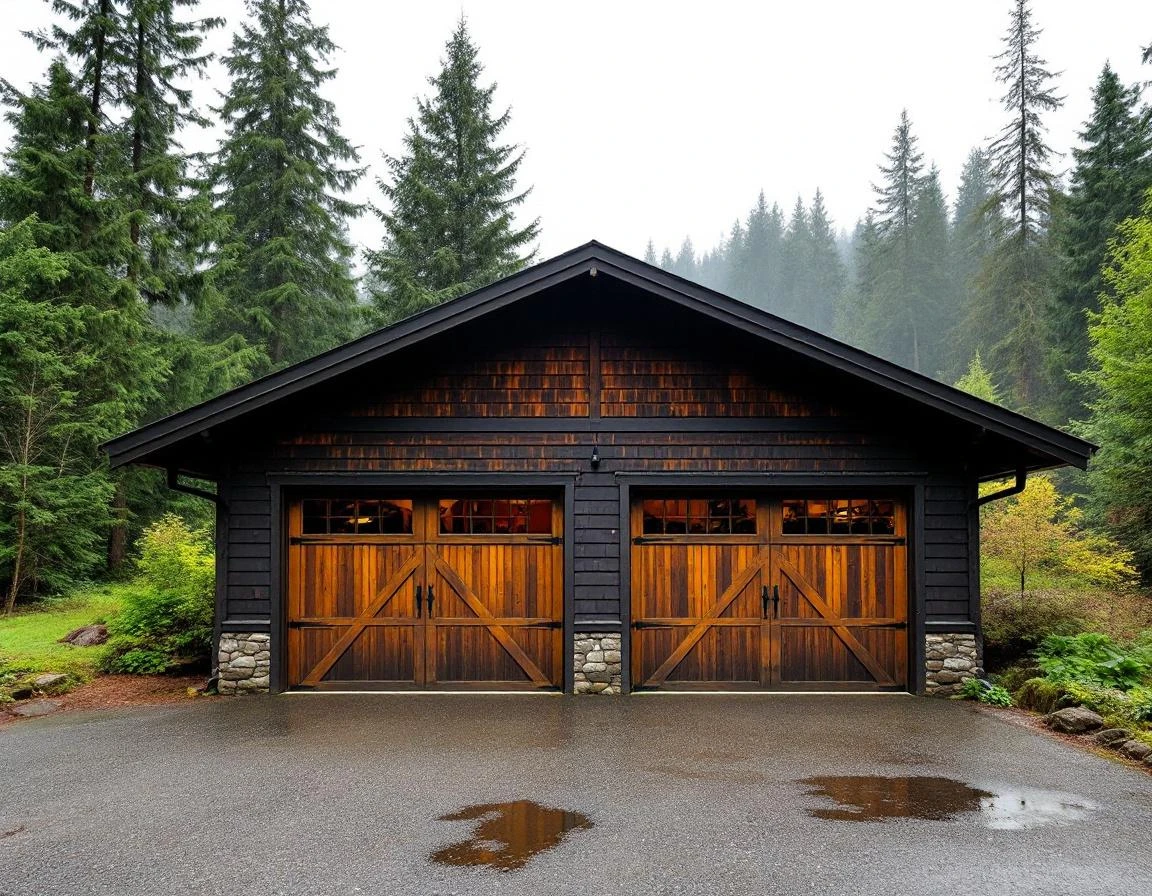
Estacada’s foothill climate delivers a challenging combination: winter rain, freeze-thaw cycles, and temperature swings that can reach from below freezing to summer highs above 90°F. Without proper weatherproofing for garage doors, moisture infiltrates through gaps around your door, creating rust on ATV frames, corrosion on motorcycle chrome, and mold on stored camping gear. The fix starts with a weatherproofing checklist designed specifically for oversized doors storing recreational equipment.
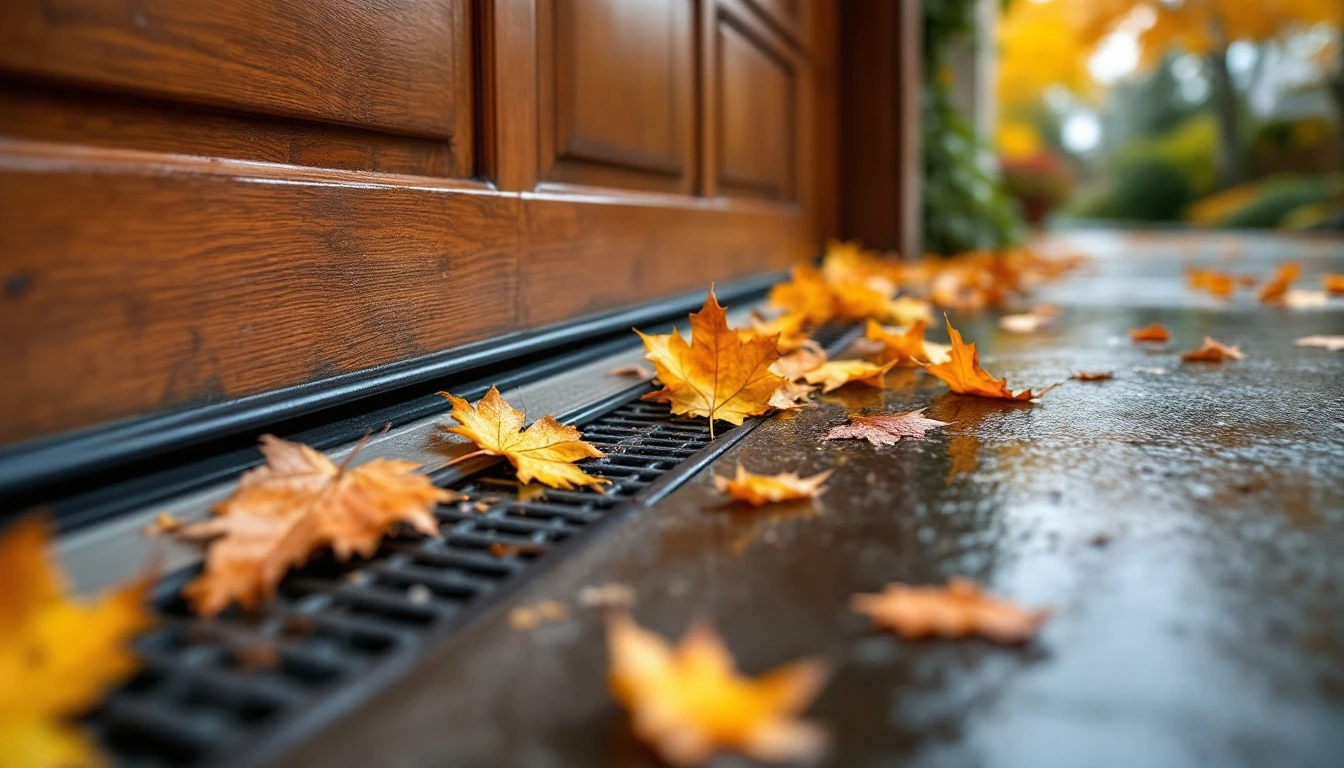
Start with bottom seals and weatherstripping—the primary defense against water infiltration. Replace worn rubber seals along the door’s bottom edge and sides every three to five years, with professional installation typically running $150–$250 for oversized doors. Add threshold seals to create a barrier against standing water during heavy rain. Next, inspect your gutter system to verify downspouts direct water at least six feet from the garage foundation, preventing pooling that seeps under door seals.
Foam-core insulated door panels regulate temperature extremes that damage sensitive electronics in modern ATVs and motorcycles. These panels create a thermal barrier, reducing condensation that forms when warm interior air meets cold metal components. Pair insulation with ventilation—a ridge vent or small exhaust fan—to manage humidity during storage months.
Perform a seasonal inspection each spring and fall. Run your hand along door edges feeling for air movement, press weatherstripping to check compression resistance, and verify drainage flows away from the door. Red flags requiring professional attention include visible daylight through closed doors, standing water inside the garage after rain, or cracked weatherstripping that’s lost elasticity. This twice-yearly routine catches problems before winter storms expose gaps and before summer heat accelerates corrosion on unprotected gear.
May Maintenance Checklist for Peak Season
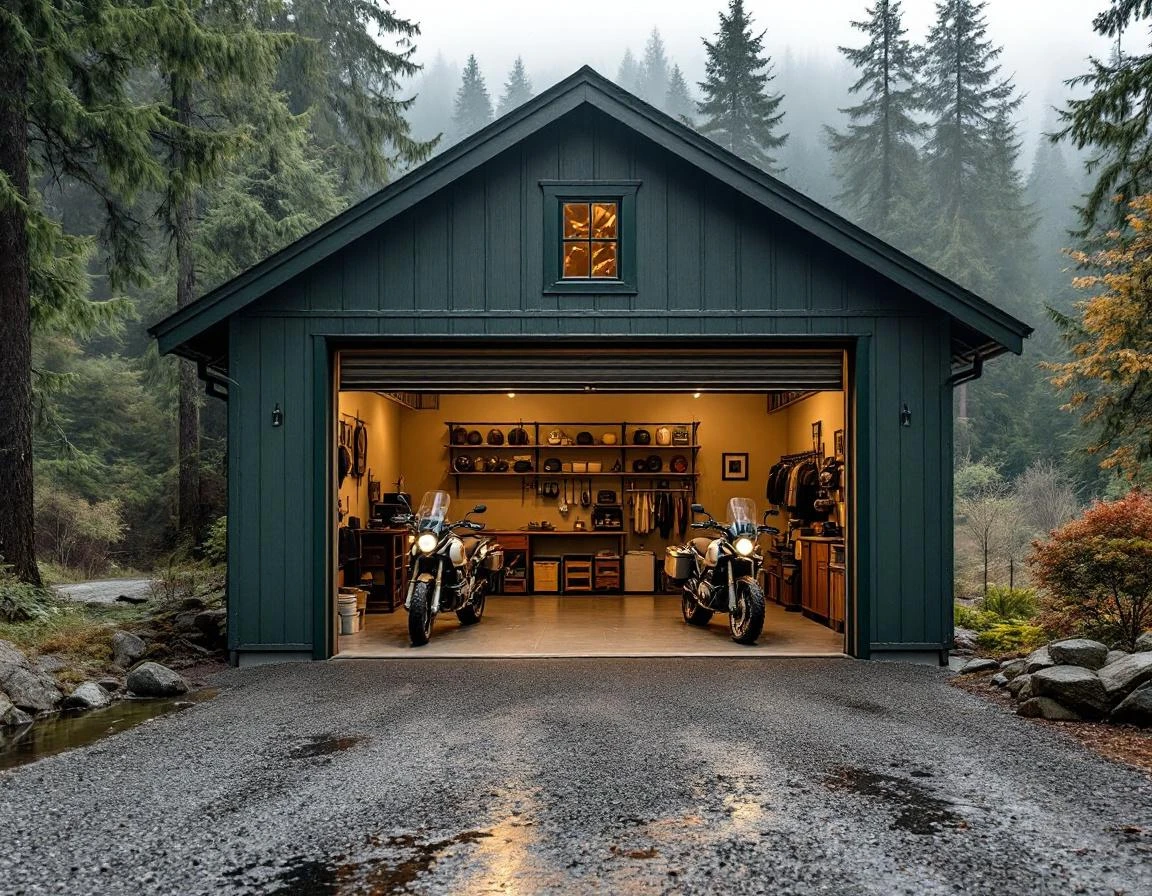
Before loading your ATV for summer trails or prepping your motorcycle for weekend rides, spend 15 minutes on this final pre-season garage door inspection. Think of it as gear protection rather than routine maintenance—this quick check prevents emergency failures when you need reliable access most.
Visual inspection first: Walk the door’s full height looking for rust spots on springs, fraying steel cables, bent roller tracks, or loose hinge bolts. Springs showing any rust or cables with broken wire strands require immediate professional service—these aren’t DIY repairs. Check rollers for cracks and verify track alignment remains vertical without bowing.
Safety system testing: Test the auto-reverse feature by placing a 2×4 board under the closing door. It should reverse immediately on contact. Clean photo-eye sensor lenses with a dry cloth—May pollen buildup causes false obstruction readings. Test sensors monthly by blocking the beam while closing.
Lubrication maintenance: Apply silicone spray lubricant to roller bearings, hinges, and spring hardware. Never use WD-40 or general oil, which attract dirt and dust. With the door closed, listen for grinding sounds or watch for jerky movement indicating balance issues that need professional adjustment.
If you spot rust, hear grinding, or notice uneven operation, contact Garage Harmony before peak recreation season starts. Prevention beats roadside garage door emergencies every time.
When to Call a Professional vs. DIY
Spring replacement and cable work require professional service because torsion springs store over 200 pounds of tension that can cause severe injury or death if released improperly. This isn’t a job for YouTube tutorials—broken fingers, facial injuries, and worse happen every year to homeowners attempting spring work.
DIY-safe tasks include weatherstripping replacement, sensor lens cleaning with a soft cloth, applying silicone lubricant to rollers and hinges, and documenting visual inspections with photos. These maintenance activities keep your garage door functioning smoothly without safety risks.
Call a professional immediately if your door won’t close evenly, your opener makes grinding or clicking noises, or springs show rust spots or frayed cables. Estacada technicians understand foothill climate demands—how freeze-thaw cycles affect spring tension and how oversized doors require different service approaches than standard residential doors. Garage door maintenance in Estacada from experienced providers prevents emergency failures during peak season.
Schedule professional spring service in late April or early May, before peak recreation season. A complete inspection covers spring tension, cable wear, roller condition, opener function, and safety sensor alignment. This timing prevents emergency calls during June through August when you need reliable access to your mountain gear most.