Why Newer Doors Need Attention
If your Battle Ground home was built after 2000, you probably assume your garage door is still in its prime. The motor hums smoothly, the panels look clean, and everything operates without a hitch. But here’s what most homeowners don’t realize: modern garage doors are engineered with tight tolerances. Which means even minor wear compounds quickly into major problems. Proper garage door maintenance in Battle Ground prevents these issues before they become costly.
Battle Ground’s cool, wet winters create the perfect conditions for accelerated wear. Our freeze-thaw cycles cause metal components to contract and expand repeatedly, while moisture seeps into weatherstripping and lubricants. Those occasional ice storms we get? They put extra stress on springs, sensors, and safety mechanisms that were calibrated for normal conditions. Your door might roll up and down just fine in September, but by January, a worn spring or compromised sensor can fail without warning.
The biggest misconception we hear is simple: “It works fine, so it doesn’t need maintenance.” That smooth operation actually masks early-stage wear happening inside the track system, spring assembly, and electronic components.
Three focused maintenance tasks performed before October prevent roughly 90% of winter failures and the emergency repair bills that come with them.
Modern construction doesn’t eliminate the need for seasonal attention—it just changes what you need to monitor.
Annual Garage Door Maintenance Checklist for Battle Ground Homes
A systematic visual inspection takes 20–30 minutes and catches the loose hardware, alignment issues, and panel damage that escalate into expensive failures during winter weather. This walkthrough breaks down what to examine and which warning signs demand immediate professional attention rather than DIY fixes.
Rollers, Tracks, and Hardware
Start with the rollers that guide your door along the vertical and horizontal tracks. Look for rust, cracks in the roller wheel, or bearings that wobble when you spin them by hand. Check each hinge for rust spots or stress cracks near mounting points—Battle Ground’s newer homes often use lighter-gauge hinges that show wear faster than older commercial-grade hardware.
Examine brackets that secure the track to the wall and ceiling. Loose mounting bolts allow the track to shift over time, creating the misalignment that causes doors to bind or jump off the rollers entirely. Run your finger along the inside of each track to feel for dents or warped sections that might catch the roller wheels.
Springs, Cables, and Balance
Check torsion springs mounted above the door for visible gaps between coils, rust along the shaft, or corrosion where the cone meets the spring body. These warning signs indicate a spring nearing failure—something you want to discover in July rather than during a January ice storm when technicians are booked solid.
Inspect lift cables for fraying, particularly at connection points near the bottom roller brackets. A cable showing separated strands needs immediate replacement, not later. Test your door’s balance by disconnecting the opener and manually raising it to chest height. The door should stay level without drifting down or pulling upward. Drift in either direction means spring tension has changed—call a professional rather than attempting adjustment yourself.
Panels and Weatherstripping
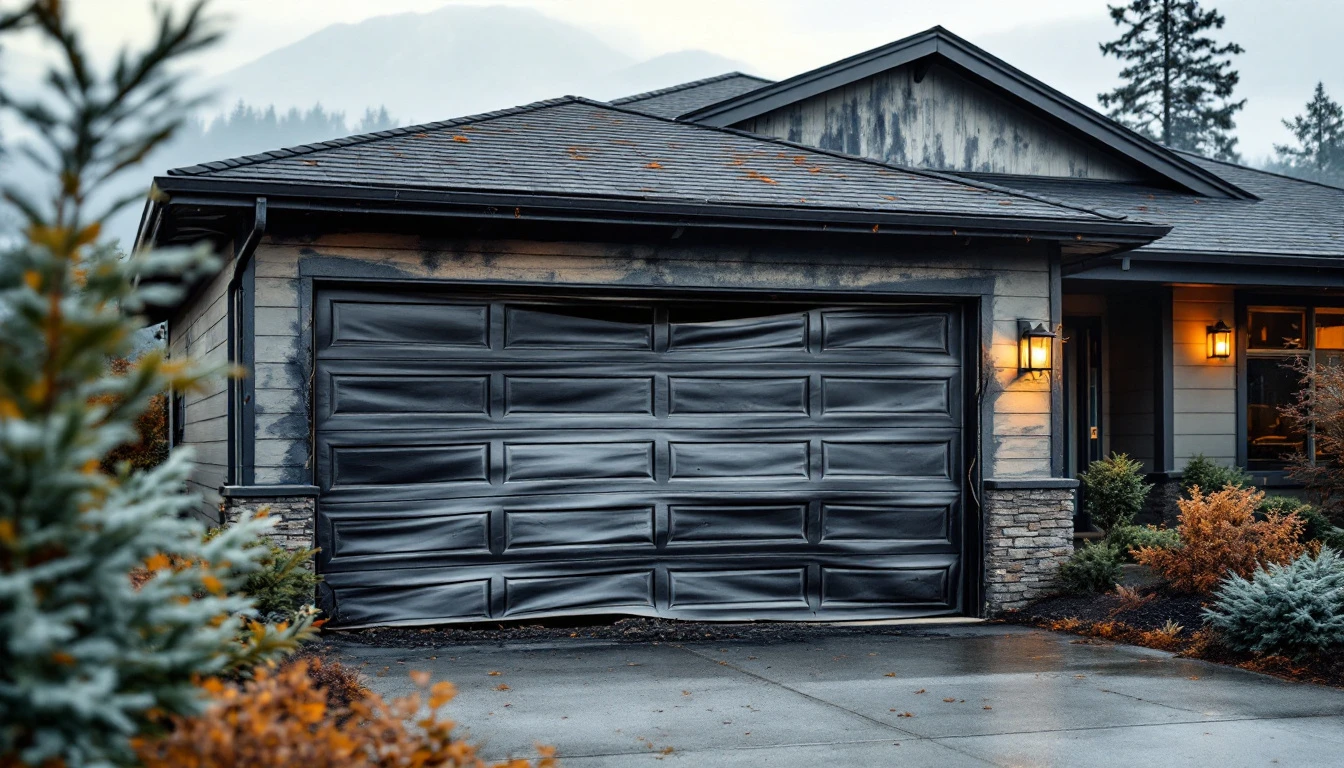
Walk the perimeter checking weatherstripping along the bottom and sides for compression damage, cracks, or visible gaps. Even small openings invite moisture that freezes and damages components overnight during cold snaps. Examine each panel for dents, separation at joints, or water stains that indicate seal failure.
Document your findings with dated photos. Comparing images year-over-year reveals gradual changes that would otherwise go unnoticed until something breaks. A small rust spot photographed this June becomes a reference point for next spring’s inspection—helping you decide when prevention becomes replacement.
Rollers, Tracks & Hinges
Start by examining each roller where it meets the track. Look for flat spots, small cracks, or rust-colored staining—Battle Ground’s humid winters accelerate corrosion on metal components, and even light surface rust creates friction that throws the door off balance. Rollers with visible flat spots or those making grinding noises need replacement before they damage tracks or strain springs.
Clean both tracks with a dry cloth to remove accumulated dirt and moisture. Use a soft brush to gently scrub away rust spots or debris lodged in the track channel. Avoid harsh chemicals or abrasive tools that scratch protective coatings.
Check every hinge and bracket along the door’s sides. Tighten any loose bolts with a socket wrench—vibration from daily use gradually loosens hardware, creating misalignment that forces springs to work harder throughout winter.
Springs & Cables Safety Check
Never attempt to adjust or repair garage door springs yourself. These components are under extreme tension—300 pounds or more—and cause serious injury when they fail.
Your only job is visual inspection from a safe distance.
Pacific Northwest freeze-thaw cycling puts extra stress on springs throughout winter. When temperatures drop below freezing overnight and warm during the day, metal contracts and expands repeatedly. This cycling accelerates metal fatigue and causes premature failure in springs already weakened by moisture.
Look for the following warning signs:
- Rust indicating moisture infiltration
- Visible cracks or gaps in the coils
- Fraying or separation on cables connected to the drums
- Cable slack when the door is closed
- Unusual squeaking or grinding sounds during manual operation
Any of these issues mean you need professional service before October. Catching spring problems in summer prevents emergency mid-winter failures when you’re stuck outside in freezing rain.
Garage Door Weatherstripping & Seal Integrity in Wet Climates
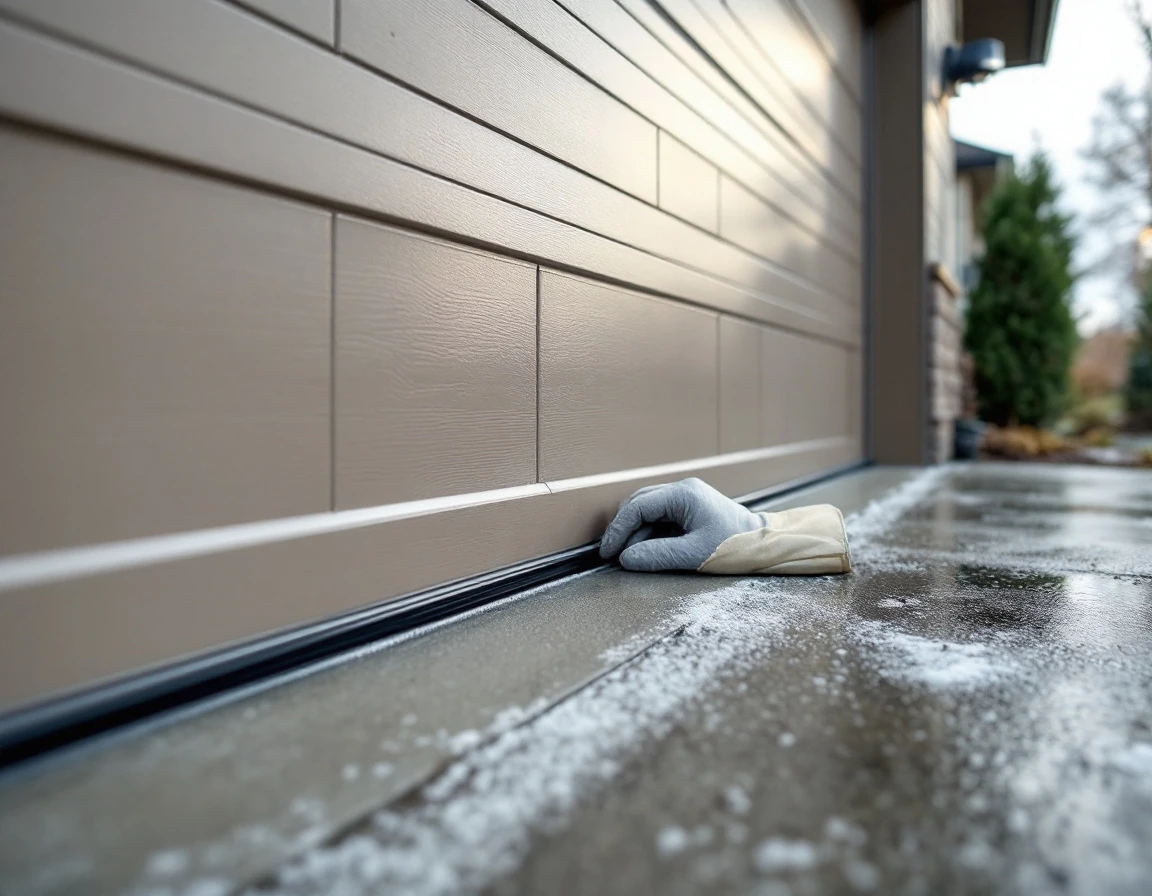
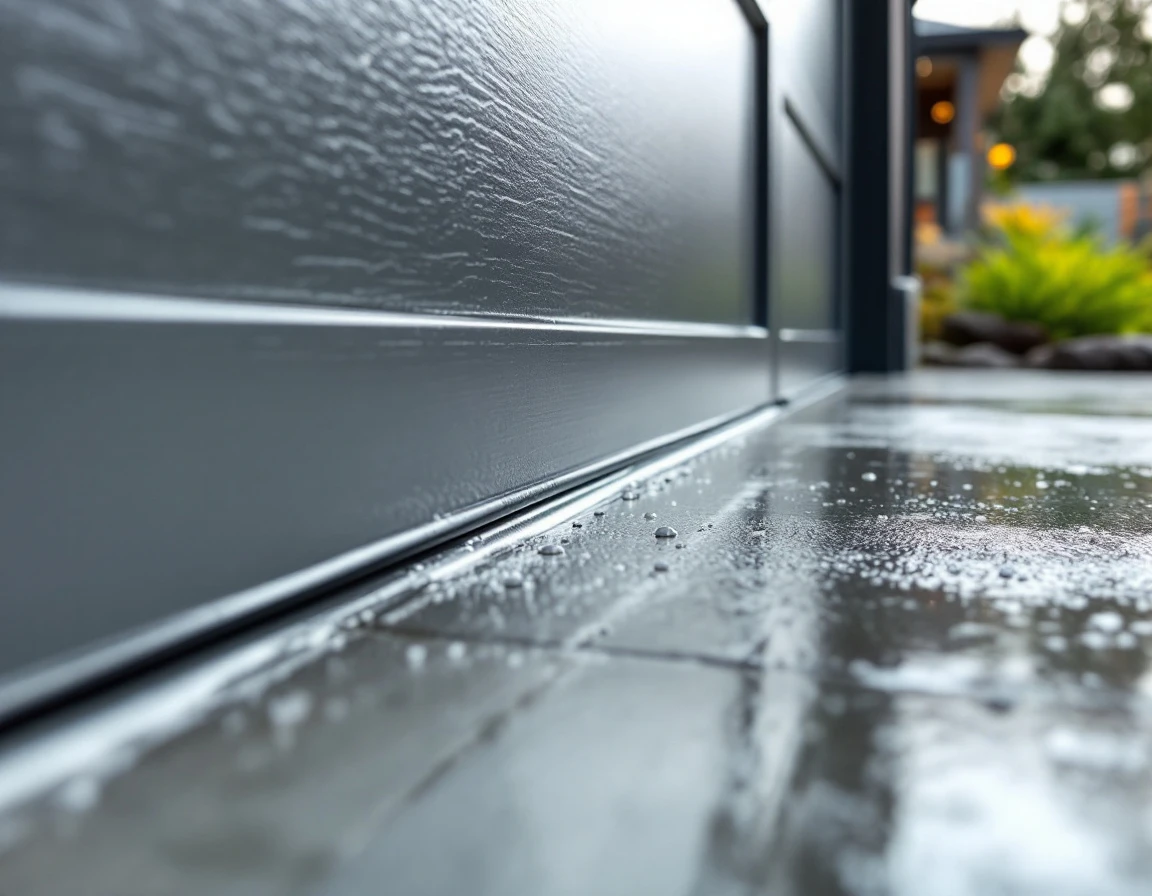
Weatherstripping forms the first line of defense against Battle Ground’s cool, wet winters. When seals fail, moisture and cold air penetrate the garage, accelerating rust on springs and causing opener components to fail. During the region’s occasional ice storms, a compromised bottom seal can allow water intrusion that freezes overnight, rendering the door completely inoperable when you need it most.
Start by inspecting the rubber or felt seals running along both sides and the top of the door frame. Look for visible gaps where the seal has separated from the frame, hardened rubber that doesn’t bounce back when pressed, or cracks that expose the underlying surface. Press your finger into the material — healthy weatherstripping should compress and immediately spring back to its original shape.
The bottom seal (also called the weather seal) experiences the most wear and represents the most common failure point. Check for sections that have torn away, flattened completely, or developed brittle spots that crumble when touched. Run your hand along the entire length while the door is closed — you’ll feel cold air flowing through any gaps.
Why does this matter? A failed seal during winter allows moisture to pool inside the garage, where it accelerates rust on springs and hardware. Replacement weatherstripping costs under $50 at hardware stores and takes about 30 minutes to install. Simply remove the old seal from its track, clean the channel, and press the new seal into place. For bottom seals attached with screws or requiring specialized tools, contact Garage Harmony for professional installation. This simple maintenance task delivers enormous return on investment by preventing winter emergency calls.
Spring Tension Verification for Vancouver WA and Battle Ground
Modern garage doors rely on counterbalanced spring systems to support their weight—typically 150 to 200 pounds—so the opener motor only guides movement rather than lifting the entire load. Over time, especially during Battle Ground’s cold winters, these springs can drift out of proper adjustment. When tension becomes unbalanced, your opener motor works harder with every cycle, wearing out internal gears and shortening its lifespan.
Homeowners can safely test spring balance without adjusting anything. Open your garage door halfway by hand, then release it. A properly balanced door should stay in place or drift down slowly. If it drops quickly, feels noticeably heavier on one side, or snaps shut when you let go, the springs have lost proper tension. These symptoms mean your opener is compensating for improper spring support, which accelerates wear on both the motor and drive system.
Never attempt to adjust spring tension yourself—torsion springs store enough energy to cause serious injury or death if handled incorrectly. Instead, schedule professional tension verification before October. This service typically costs $50 to $100 and takes about 30 minutes. Technicians use calibrated tools to measure and adjust tension precisely, restoring proper balance.
Addressing spring imbalance in June prevents two costly winter problems: premature opener failure during the season when you need it most, and emergency repair calls when ice storms make roads dangerous and technician availability scarce. A proactive adjustment now protects you from opener replacement or emergency spring repair when temperatures drop, keeping your system reliable when it matters most.
Schedule Your Garage Door Maintenance Before October
Summer and early fall offer the best window for garage door maintenance in Battle Ground. Professional schedules remain open, costs stay lower than winter emergency rates, and dry weather makes inspection and repairs easier. Most importantly, completing your three maintenance tasks now prevents the stress of discovering a broken spring or jammed door on a freezing January morning.
Create a simple checklist and track your progress:
- Start with the visual inspection you performed on rollers, tracks, and weatherstripping. Document what you found with photos—these records help future homeowners and support insurance claims if storm damage occurs.
- Next, verify your spring balance using the manual lift test. If the door feels heavy or drifts downward, note this for your professional appointment.
- Finally, schedule that $100–$200 professional service call for spring tension and balance verification before October weather arrives.
Pacific Northwest freeze-thaw cycles, ice storms, and heavy rain place enormous stress on garage door systems. A spring showing minor rust in September may snap in December. Weatherstripping that leaks slightly now will fail completely during winter storms.
Three hours of preventive work and professional verification now avoid $500–$1,500 emergency repair bills during winter when technicians charge premium rates and parts take longer to arrive.
Set a calendar reminder for June 2027 to repeat this process. Annual maintenance catches problems early and extends your garage door’s lifespan. Contact Garage Harmony today to schedule your pre-winter professional verification and protect your investment before the weather turns.