Winter Damage: Portland’s Freeze-Thaw Cycle and Garage Door Frost Damage Prevention
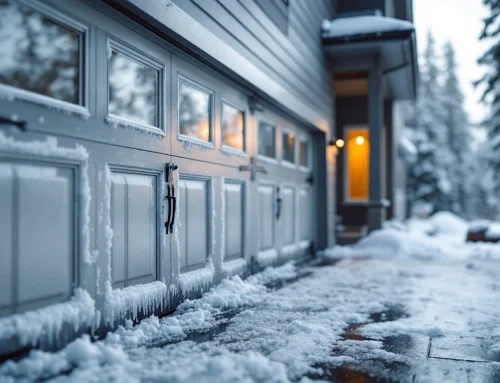
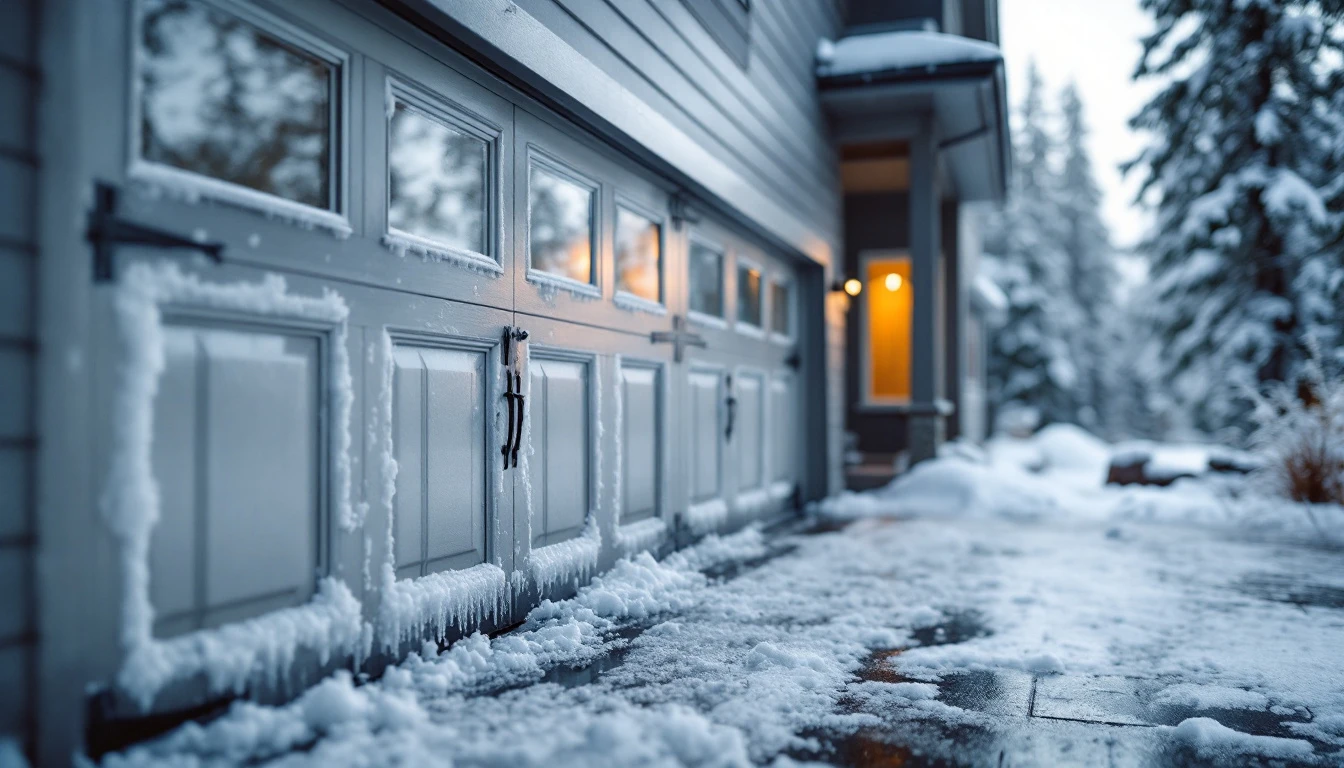
Portland’s unique winter climate creates a perfect storm for garage door problems. Unlike steady cold or mild winters, our November-through-March pattern brings freezing overnight temperatures followed by morning frost and daytime thaws. This constant freeze-thaw cycle drives moisture deep into tracks, weather seals, and door mechanisms, where it refreezes each night. Effective garage door frost damage prevention starts with understanding how this cycle damages your door and what steps you can take to protect it.
The result? Frozen tracks, ice-bound doors, and jammed mechanisms become the most common garage door failures between January and February. When temperatures drop and your door won’t budge on a Monday morning, emergency repair calls skyrocket—and those winter repairs typically cost two to three times more than preventive maintenance completed in milder weather.
That’s why October action matters. Winterizing your garage door before November’s first freeze prevents these failures and saves hundreds in emergency service fees. This guide walks you through the four highest-impact winterization tasks every Portland homeowner should tackle this fall.
Track Cleaning & Inspection: Freeze-Proof Your Garage Door Portland
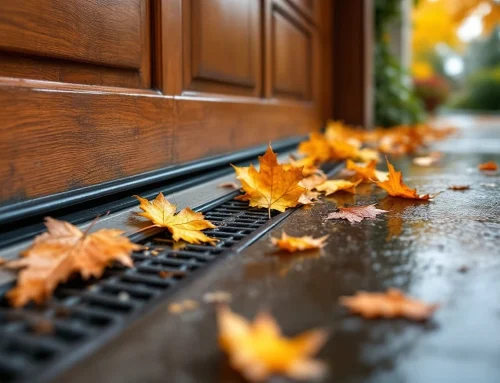
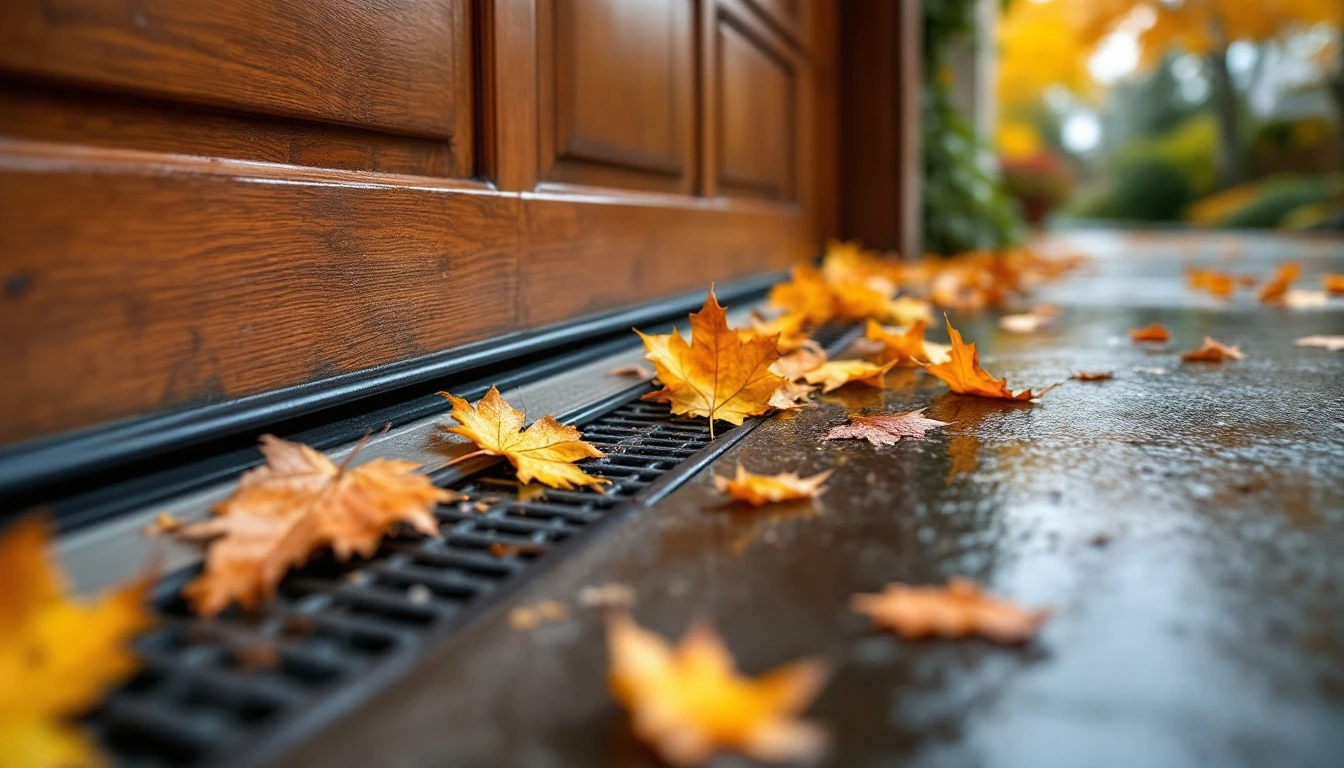
What causes your garage door to freeze in place overnight? Debris and moisture trapped in the tracks are the primary culprits. When fallen leaves, dirt, and trapped water sit in your door’s tracks and temperatures drop overnight, that moisture freezes into ice that binds your door shut. A quick cleaning in October eliminates this hazard before November weather arrives.
This is the highest-impact preventive task you can do yourself. Start by removing leaves and dirt with a shop vac, getting into the track corners where debris accumulates. Wipe the tracks clean with a dry cloth to remove any remaining moisture. While you’re working, inspect for dents or damage that could worsen when ice forms and the door struggles to move. Preventing frozen garage door tracks through this simple maintenance keeps your door operating smoothly all winter long.
The entire job takes 30 to 45 minutes and prevents the most costly winter failure. Document any significant damage you find—if you spot bent tracks or alignment issues, check our garage door track alignment guide for next steps.

Weather Seals & Lubrication
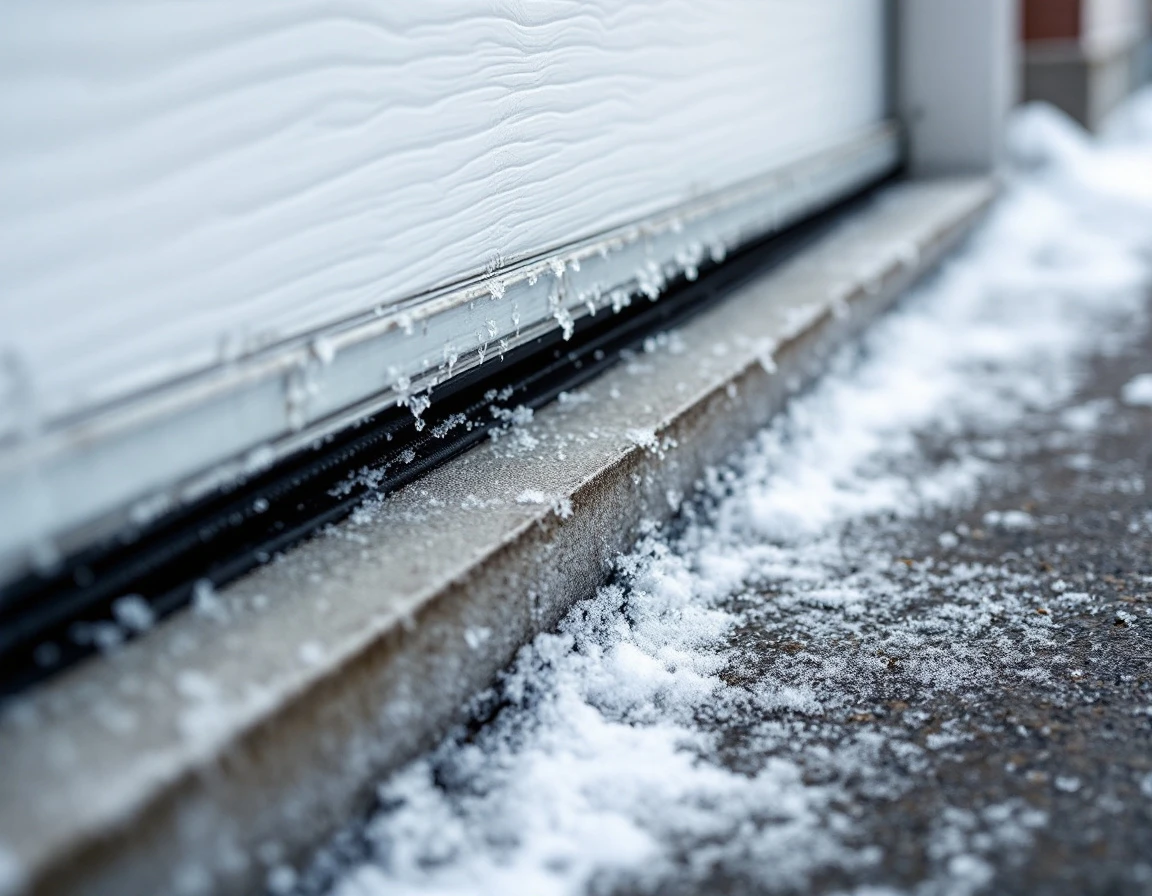
Over time, weather seals deteriorate and crack, allowing moisture and cold air to infiltrate your garage door mechanism. Once inside, that moisture freezes overnight during Portland’s fall temperature drops, leading to binding tracks and stuck doors. Inspect the rubber seals around your door perimeter for visible cracks, dried sections, or missing pieces that signal replacement time. This is a critical step in garage door winter weather protection.
Proper lubrication is equally important for cold-weather performance. Apply synthetic garage door lubricant—not WD-40—to hinges, rollers, and track guides. Synthetic formulas resist freezing and provide better protection than standard oils when temperatures plummet. Avoid lubricating springs and sealed bearings, which function best without added grease.
Fresh lubricant creates a protective barrier against corrosion while preventing ice formation on moving metal parts. DIY supplies are readily available at hardware stores, though worn seals may need professional installation. Need help replacing damaged seals? Contact us today for weatherproofing guidance.
Spring Tension & Door Balance Check
Your garage door springs do most of the heavy lifting—literally. When cold temperatures arrive, metal springs compress and lose tension, reducing their lifting power just when your door needs it most. If your door already has a slight imbalance, winter amplifies the problem. Protecting your garage door from freezing temperatures requires your springs to withstand the added stresss of cold-weather operation.
Here’s a simple DIY balance test: open your door halfway using the remote, then release it. Does it stay level, or does it drift up or down? A balanced door holds steady. An unbalanced door signals worn springs that won’t survive winter stress.
If your door fails this test or you’re uncomfortable working near high-tension springs, call a professional. Garage Harmony can test spring tension, identify worn components, and make safe adjustments for $100-150. This October inspection prevents the January emergency call when a frozen, overworked spring snaps in subfreezing weather—an urgent repair that costs far more and leaves your garage unusable.
Weatherstripping & Insulation Gap Sealing
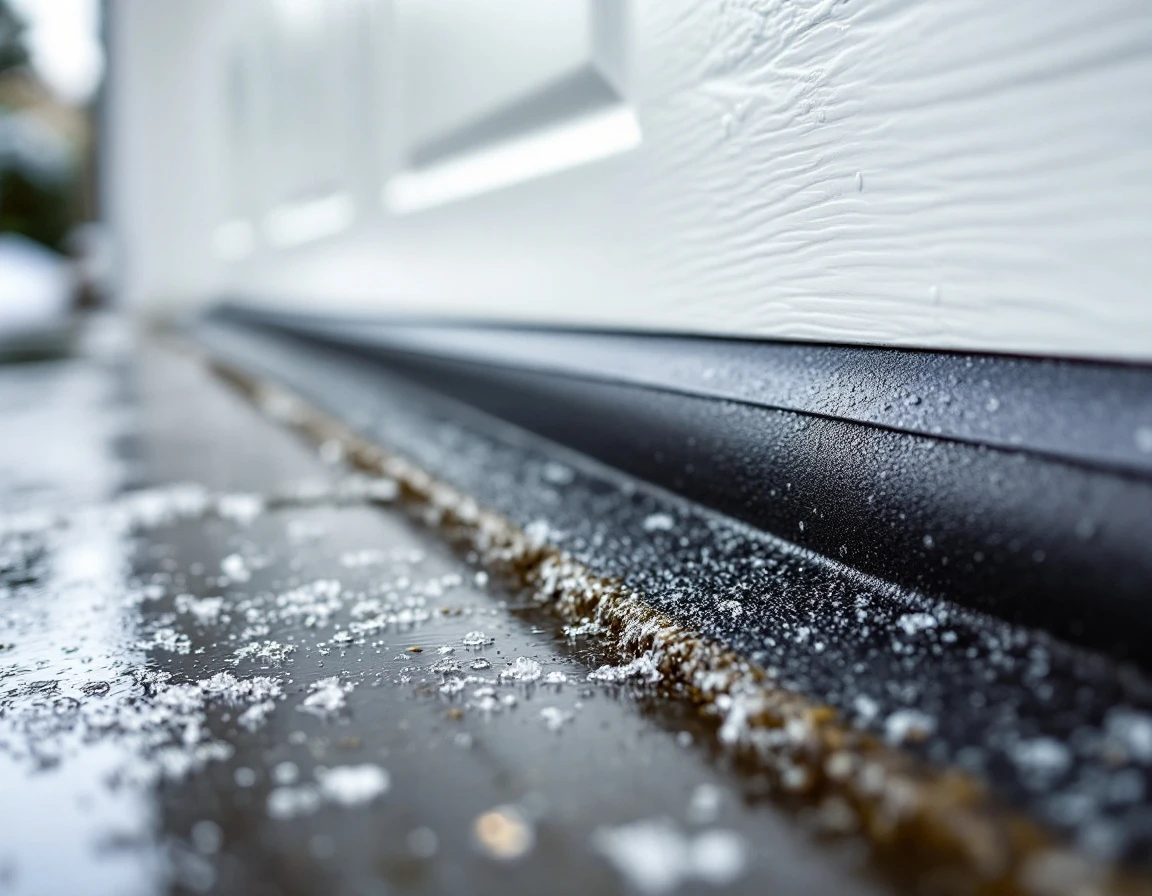
Small gaps around your garage door frame might not look like much, but they’re highways for cold air and moisture—the exact combination that creates frost buildup inside your door mechanism. When weatherstripping degrades or compresses over time, those gaps allow humid air to seep in and freeze overnight on hinges, rollers, and internal hardware. Stopping garage door ice buildup Portland begins with sealing these gaps.
Walk around your entire door frame and inspect the weatherstripping on all sides. Look for cracks, missing sections, or areas where the material has compressed flat and lost its seal. Press gently against the weatherstripping—if it doesn’t spring back, it’s time for replacement.
Replacing weatherstripping is a manageable DIY project that costs $30-50 in materials and takes 1-2 hours. For larger gaps around the frame itself, seal them with exterior-grade caulk. This task delivers immediate returns: you’ll prevent moisture entry at the source, stop frost damage before it starts, and improve your garage’s overall temperature stability throughout winter.
October Action Plan: Winter Garage Door Maintenance Portland Timeline & Cost Comparison
Completing four tasks in October costs $100-300 total and takes 4-6 hours spread across the month. Here’s your prioritized checklist:
Week 1: Clean and inspect tracks using a shop vac and dry cloth (DIY, ~$30 in supplies). Week 2: Apply synthetic lubricant to hinges, rollers, and track guides, then check weather seals for cracks or gaps (DIY, supplies already purchased). Week 3: Test door balance with the manual release method and schedule professional spring inspection if the door drops or rises unevenly ($100-150). Week 4: Complete any recommended weatherstripping replacement ($50-100 DIY) or spring adjustments based on inspection results.
Compare this October investment to emergency winter repairs: frozen track service calls cost $400-1200 and require faster, costlier scheduling when you’re already dealing with a non-functional door. This preventive approach eliminates winter downtime and surprise expenses.
Ready to schedule your professional spring inspection? Contact us today to book before November cold arrives.