Pacific Northwest Seismic Season Timeline and Garage Door Earthquake Safety Southwest Washington
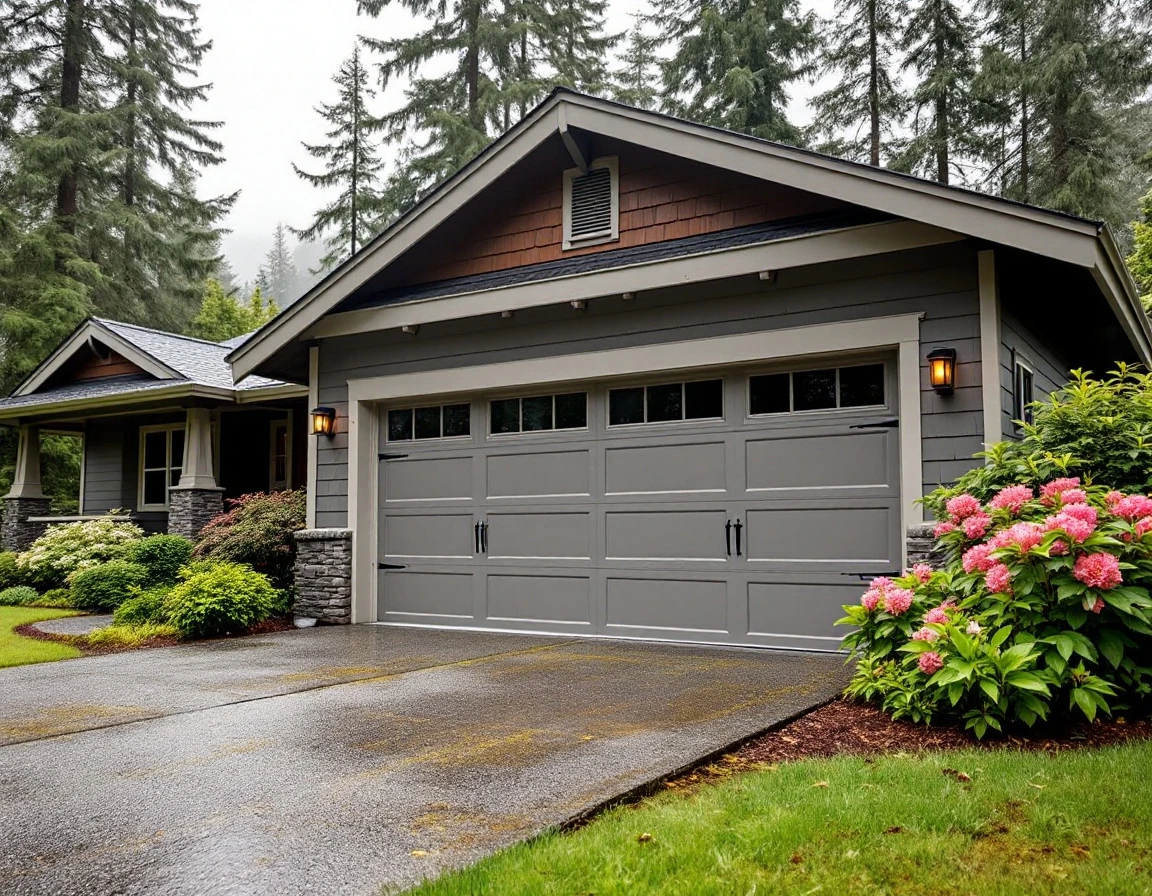
Southwest Washington sits squarely in the Pacific Northwest seismic zone, where active fault lines like the Cascadia Subduction Zone create ongoing earthquake risk for Clark, Cowlitz, and surrounding counties. October marks a convergence of challenges: winter weather arrives just as regional seismic activity monitoring intensifies. Making fall the critical window for garage door earthquake safety southwest Washington and preventive home preparation.
Garage doors represent one of the most common earthquake damage points in residential structures. When a tremor hits, a poorly maintained door can jam shut, trapping vehicles inside and blocking emergency evacuation routes.
The repair costs compound quickly when structural damage meets winter rain exposure.
A focused pre-season inspection takes under 30 minutes and requires no special tools—yet it directly reduces both damage costs and emergency response delays when you need quick access most.
Three Core Garage Door Safety Checks
These three inspections take less than 30 minutes combined and require only a flashlight and your hands. Each one targets a specific failure point that earthquakes exploit, helping you catch problems before seismic activity turns minor wear into emergency repairs.
-
Check 1: Track Alignment and Roller Condition
Stand inside your garage with the door closed and examine the vertical tracks on both sides. Are they plumb and securely mounted to the wall framing? Look for gaps between the track and rollers, or rollers that wobble rather than glide smoothly. During seismic movement, misaligned tracks and worn rollers allow the door to jump off its path, causing binding, derailment, or complete jamming that blocks emergency vehicle access.
-
Check 2: Spring Tension and Cable Integrity
Disconnect your automatic opener and manually lift the door halfway—does it stay in place, or does it crash down or fly upward? Balanced spring tension is what allows you to operate the door manually during power outages that frequently follow earthquakes. While the door is raised, inspect the lift cables running from the bottom corners to the spring system above. Frayed cables or visible rust spots? These are pre-failure warning signs that seismic activity can exploit.
-
Check 3: Weather Seals and Panel Integrity
Run your hand along the rubber seals at the bottom and sides of your door, checking for cracks, gaps, or brittleness. Examine each door panel for dents, separation at seams, or rust spots that indicate compromised structural integrity. Earthquakes don’t just shake—they often trigger power outages and storm damage. Intact seals and solid panels prevent water intrusion and heat loss during the winter weather that follows fall seismic events, protecting your home from compounded damage.
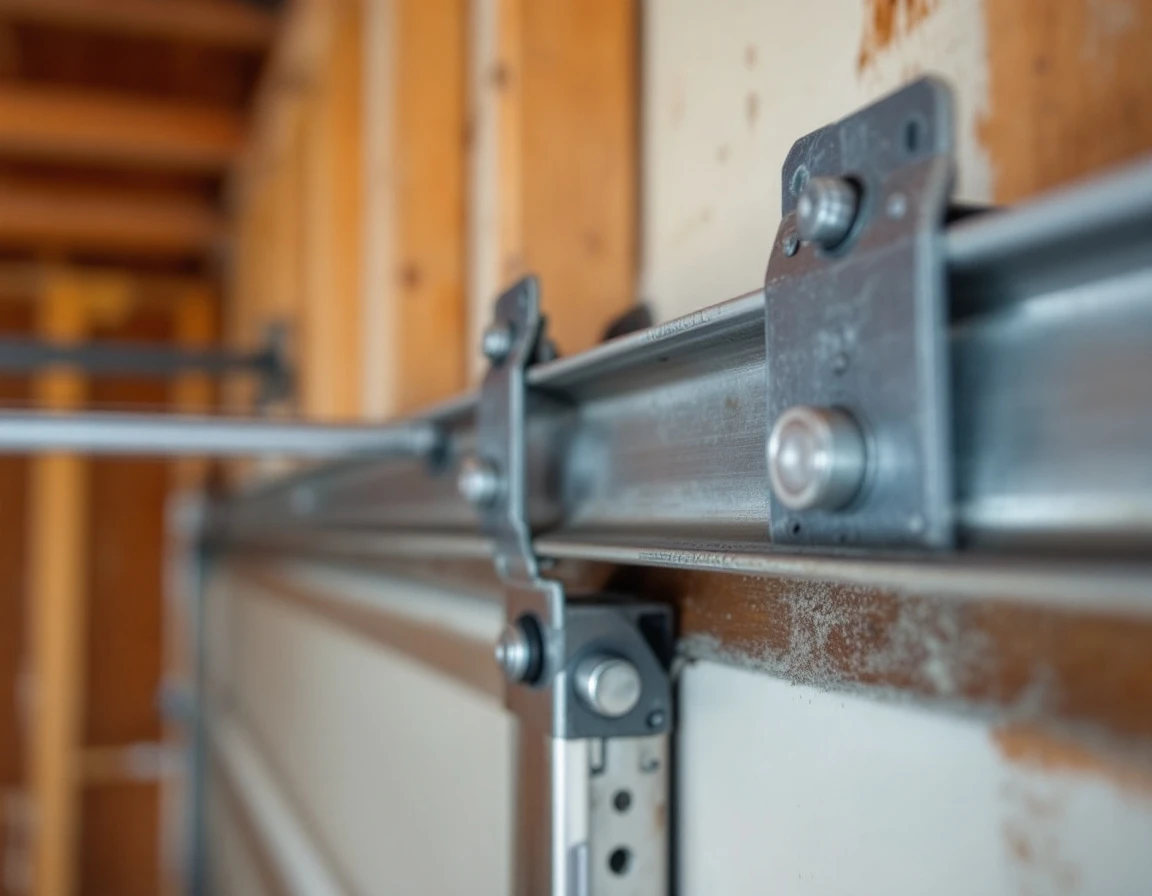
Track Alignment and Roller Inspection
Start by opening your garage door about halfway and examining both vertical tracks. Look closely for gaps between the rollers and track rails—any visible light indicates misalignment that causes binding during earthquake preparedness garage door maintenance work. Check each track for rust, dents, or debris that reduces clearance and prevents smooth operation.
Misaligned tracks stop your door from closing properly during or after an earthquake, potentially trapping residents inside or blocking emergency access when you need it most. Run your hand along the roller path to feel for rough spots or resistance.
This inspection takes about five minutes per side and reveals which problems you can handle yourself. Remove debris and clean minor surface rust with a wire brush. However, bent tracks and worn rollers with flat spots or cracks need professional attention—contact Garage Harmony for safe repairs that restore proper alignment.
Spring Tension and Cable Condition
Your garage door springs and cables bear the entire weight of the door—often several hundred pounds—and make manual operation possible when the power goes out during an earthquake. Never touch or adjust these components yourself. They remain under extreme tension even when the door is closed, and mishandling them can cause serious injury.
Instead, inspect them visually from a safe distance. Look for rust accumulation on the torsion rod above the door, frayed or kinked lift cables running along the door’s sides, or a door that hangs unevenly when partially raised. These warning signs indicate wear that could lead to failure during seismic shaking, leaving you unable to open the door manually when the opener loses power.
If you spot any damage, note the location and call a professional for replacement. Spring and cable repairs require specialized tools and training, but identifying problems early prevents emergency access failures when you need your garage door most.
Weather Seals and Panel Integrity Check
Start at the bottom weatherstrip and run your hand along the rubber to feel for cracks, gaps, or peeling. Then check the side seals where the door meets the frame. Damaged seals allow water infiltration that worsens post-earthquake structural damage—when seismic movement cracks your foundation or shifts panels, water seeps into those openings and creates mold, foundation decay, and compounded repair costs.
Next, perform a quick visual scan of each door panel. Look for dents or cracks that reduce the door’s rigidity during seismic movement. A compromised panel flexes and buckles rather than moving as a solid unit, increasing the risk of track derailment during tremors.
Seal replacement takes under five minutes and costs less than twenty dollars at most hardware stores. Panel damage, however, requires professional assessment to determine if repair or replacement is needed. Contact us today for expert evaluation of emergency home safety garage doors Washington concerns.
DIY vs Professional Repair Decision Tree
Once you’ve completed your seismic activity garage door inspection, knowing which findings you can handle yourself and which require professional help keeps you safe and means proper repairs. Simple maintenance tasks like removing debris from tracks, replacing worn weather seals, and cleaning away surface rust are well within homeowner capabilities. These cosmetic fixes require no special tools and pose minimal safety risk.
However, spring replacement, cable repair, and bent track correction demand licensed technician expertise.
Garage door springs hold extreme tension that can cause severe injury during DIY attempts, while improper cable or track work creates dangerous failure points during seismic events.
Professional repairs completed this October prevent far costlier emergency service calls when earthquake damage strikes—especially during winter months when seismic activity intensifies in the Pacific Northwest.
Scheduling professional repairs now also means contractors have availability to complete work properly rather than rushing through emergency fixes after widespread earthquake damage affects multiple properties simultaneously.
October Earthquake Prep Action Plan
Commit to completing all three garage door checks before winter weather arrives and seismic activity increases. These inspections take under 30 minutes total and require only a flashlight. Add them to your wider emergency preparedness checklist alongside water storage, first aid kit updates, and disaster supply organization.
If your inspection reveals spring tension issues, cable fraying, or track misalignment, schedule professional repairs within two weeks. Delaying repairs means facing emergency service calls during winter storms or post-earthquake chaos—costing thousands more than preventive maintenance. Before the year ends, test manual door operation during a simulated power outage to confirm how to prepare garage doors for earthquakes and emergency access works when you need it most.
Ready to protect your home and family? Contact a local Southwest Washington garage door specialist to schedule inspection or repairs today!