Why Oregon Garage Doors Fail in Atmospheric Rivers
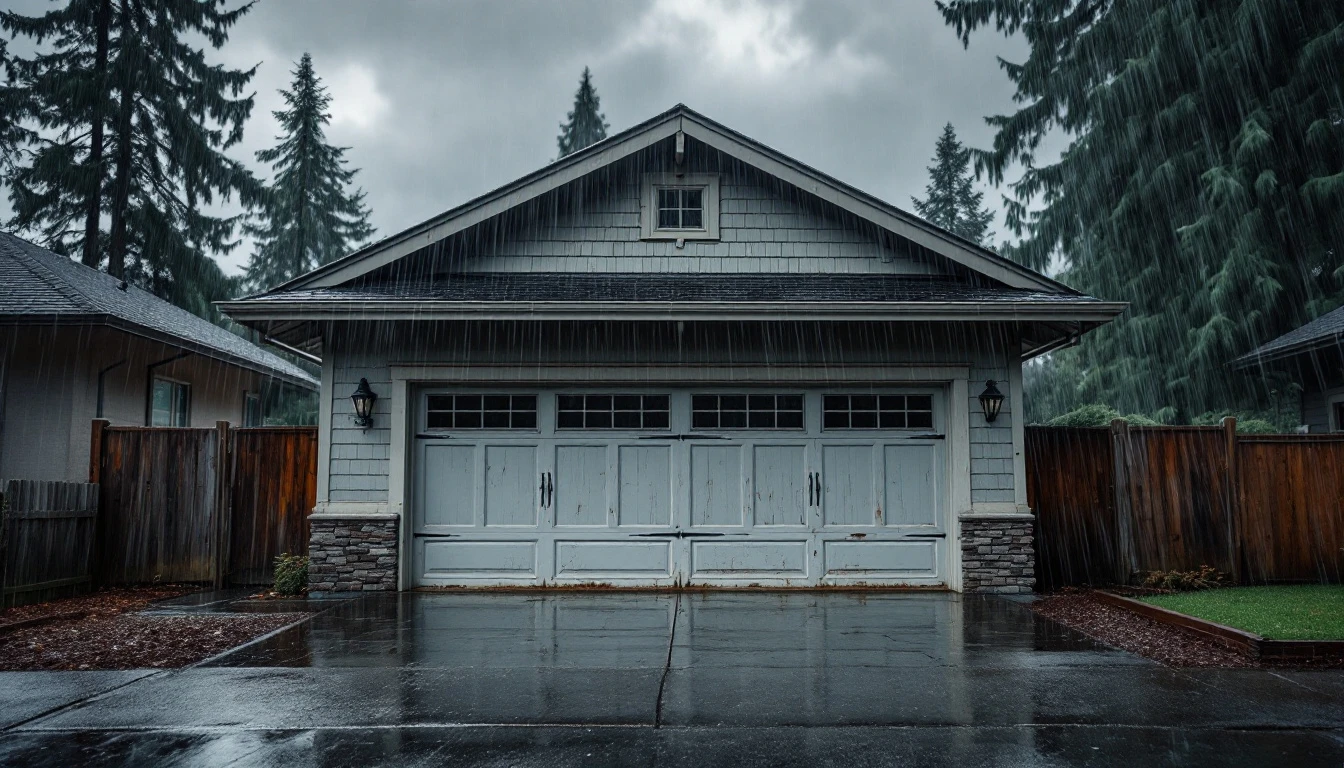
Atmospheric rivers aren’t ordinary rainstorms. These narrow bands of concentrated moisture deliver intense rainfall and sustained winds that probe every weakness in your garage door system. Where normal rain might dampen weatherstripping, atmospheric rivers drive water horizontally through gaps in seals, bottom thresholds, and frame joints—turning minor imperfections into active intrusion pathways. Effective garage door atmospheric river protection requires a multi-layered approach to weatherproofing before Oregon’s peak storm season arrives.
November through March marks Oregon’s peak atmospheric river season, when attached garages face heightened risk. Water damage to vehicles, power tools, and stored belongings adds up quickly. Worse, prolonged moisture exposure creates ideal conditions for mold growth in walls and insulation.
The financial stakes are clear: water intrusion repairs and mold remediation typically cost $2,000–$5,000. While preventive weatherproofing runs just $200–$800 in materials and labor.
That gap makes pre-November maintenance a smart investment—protecting your valuables and avoiding insurance complications before the first storm arrives.
Inspect and Replace Weatherstripping for Atmospheric River Protection
Your first line of defense against atmospheric river flooding starts with a thorough weatherstripping inspection. Begin by checking the rubber seals along the bottom run, side jambs, and header for visible cracks, hardening, or gaps larger than 1/16 inch. Oregon’s wet climate accelerates UV degradation, causing rubber to become brittle and lose its seal faster than in drier regions.
When you find compromised seals, replace them with foam or rubber weatherstripping rated for freezing temperatures and UV exposure. These materials withstand the freeze-thaw cycles common during Pacific Northwest winter storms. DIY replacement typically costs $50–$150 in materials and takes 1–2 hours to complete, making it one of the most cost-effective preventive measures available.
If you’re uncomfortable working on ladders or need help with stuck hardware, professional installation adds $150–$300 to the total cost. Either way, this small investment protects against thousands in water damage repairs when November storms arrive.
Seal Drainage and Water Penetration Points
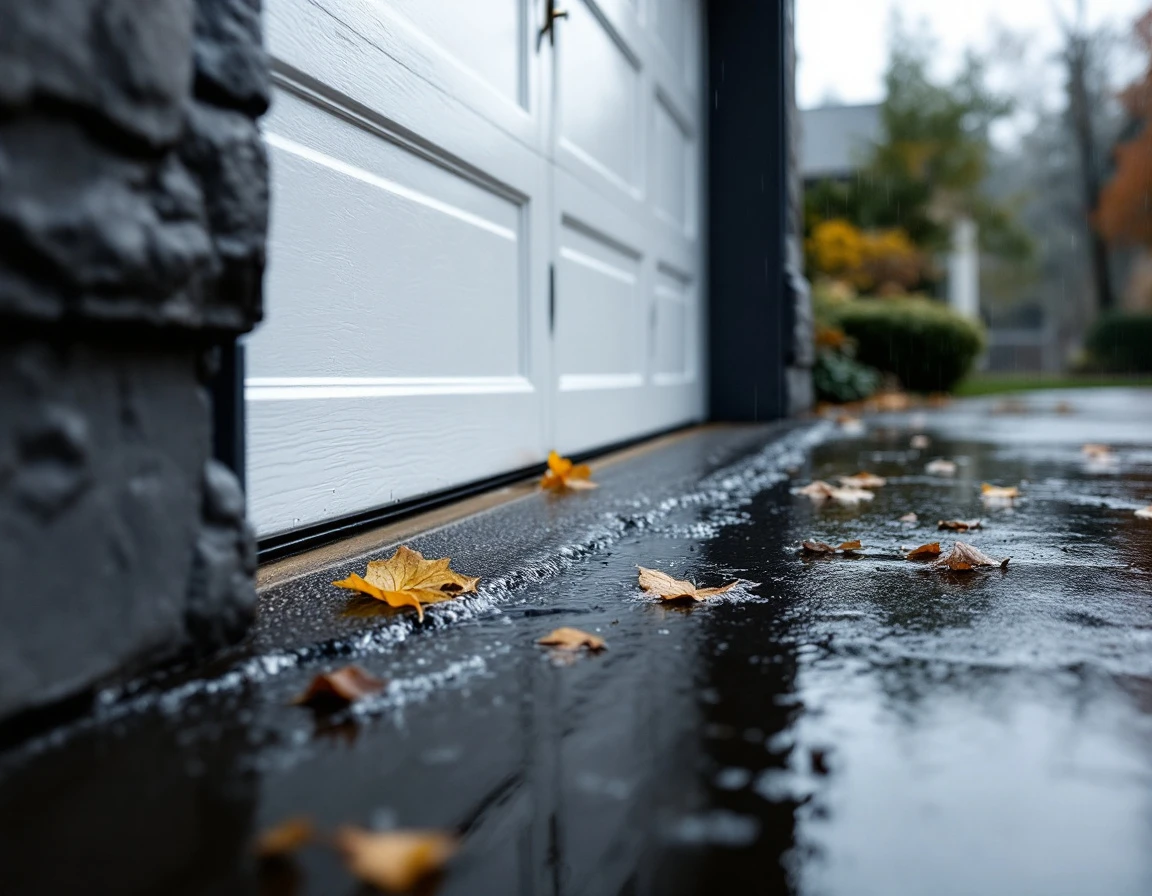
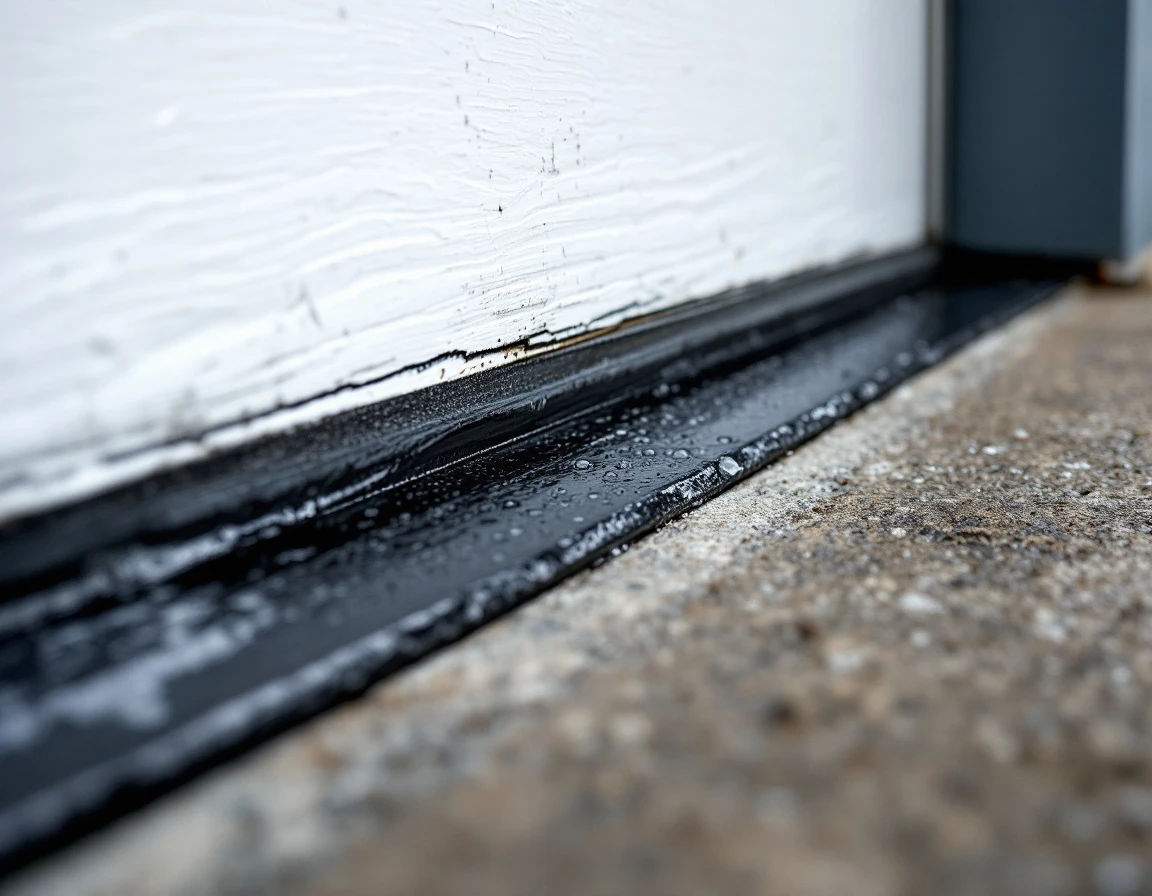
Proper drainage forms the foundation of effective garage door weatherproofing for heavy rain. Without addressing water flow, even the best seals and weatherstripping will eventually fail. Water pooling at the garage floor, damp walls, or rust on metal tracks signals poor drainage or base seal failure that demands immediate attention.
Start by identifying common entry points where atmospheric river storms exploit weaknesses:
- Threshold gaps between the door and concrete
- Poorly graded approaches that direct water toward the garage
- Clogged track channels that create pathways for moisture intrusion
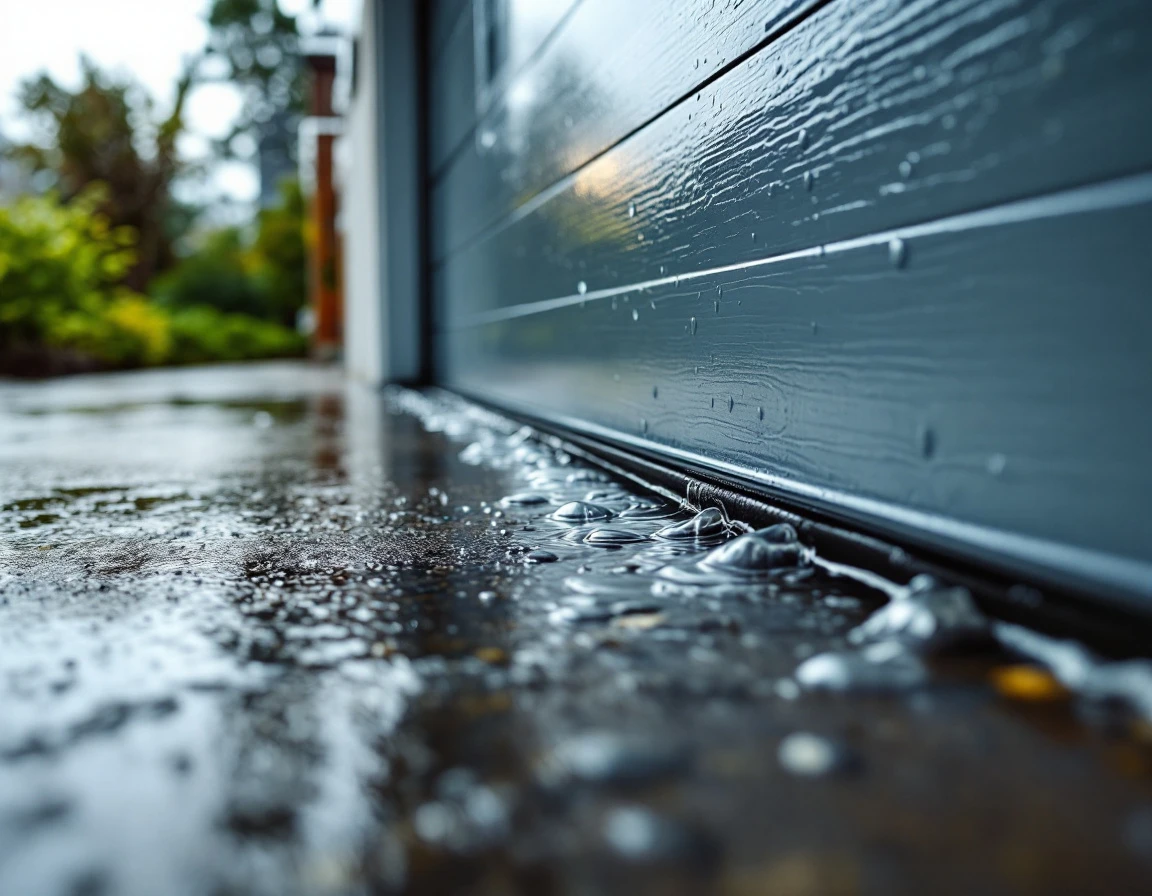
Drainage maintenance costs $0–$200 for DIY approaches or $300–$600 for professional excavation and regrading. Clear debris from track channels monthly and inspect grading quarterly to maintain protection throughout Oregon’s November–March storm season. A multi-layered weatherproofing approach that includes quality bottom seals provides the most reliable defense against heavy precipitation.
Test Safety Sensors and Auto-Reverse
Water spray or debris on photo-eye sensors can block their signal during heavy rain, causing your garage door to fail to close or operate erratically—exactly when you need it sealed against an atmospheric river. A door stuck open during a November storm invites flooding, while a malfunctioning auto-reverse mechanism poses both safety hazards and water intrusion risks.
Test your system monthly by placing a 2×4 or foam block in the door path as it closes. The door should stop and reverse immediately upon contact. Clean photo-eye lenses with a microfiber cloth to remove moisture spots and dirt that accumulate during wet Pacific Northwest weather.
Schedule an annual professional inspection for $75–$150 before storm season begins. Technicians verify weathertight sensor covers and proper alignment—preventive steps that keep your garage operational when atmospheric rivers arrive.
Create Your November Maintenance Timeline
Ready to tackle this seasonal protection plan? Start early in November by inspecting your weatherstripping and cleaning door tracks—this DIY work takes just one to two hours and costs nothing if your materials are still in good shape. If you spot cracked seals or debris buildup, you’ll know exactly what needs attention. Homeowners who complete protection and preparatory actions before severe weather experience better outcomes when storms hit.
Mid-November is your scheduling sweet spot. Book professional drainage work or sensor inspections now if your early-month checks revealed problems. Waiting until December means competing with holiday schedules and families preparing for travel—and atmospheric rivers don’t wait for convenient timing. Garage doors are often the first point of failure during extreme weather events. Making proactive maintenance necessary.
By late November. Wrap up all repairs and test your door operation under dry conditions. Run through your sensor test with a 2×4, cycle the door several times, and confirm everything seals properly before the first major storm arrives.
Budget planning at a glance: weatherstripping runs $50–$150, drainage improvements $0–$600, and sensor inspection $75–$150. These targeted investments protect against water intrusion repairs that can reach thousands.
Preparing your garage door to withstand heavy precipitation and cold temperatures is critical for Pacific Northwest homeowners.