Garage Door Weatherstripping for Spring Water Protection in La Center
La Center homeowners near the East Fork Lewis River experience seasonal water management challenges each spring. Snowmelt from the Cascade Range creates water pressure on low-lying properties—which is exactly when your garage weatherstripping matters most. With proper preparation, you can protect your property before snowmelt season arrives.
La Center’s proximity to East Fork Lewis River
La Center sits within one mile of the East Fork Lewis River, placing many properties in the path of seasonal water challenges. April and May bring peak water pressure. Snowmelt swells the river, creating conditions that test every weak point in your garage’s defense.
Garages closest to the river face recurring water patterns each spring. Water finds its way into basements and crawl spaces. Your garage foundation is especially vulnerable. But here’s good news: the right preparation stops most of this damage before it starts.
Damage reduction through March preparation
Homeowners who prep their garages before spring actually do avoid water damage. The timing matters—complete your work before April snowmelt arrives.
The cost comparison is clear: professional weatherstripping from Garage Harmony costs a few hundred dollars and stops thousands in water damage. Pre-season work protects both your property and your budget. Don’t wait—contact our team today to schedule your spring garage inspection.
Weatherstripping Reinforcement for Water Protection
Your garage door bottom seal represents your first line of defense against spring water intrusion. Why does weatherstripping matter so much? Water finds the path of least resistance. Even a quarter-inch gap beneath your garage door can channel hundreds of gallons into your space during a single water event.
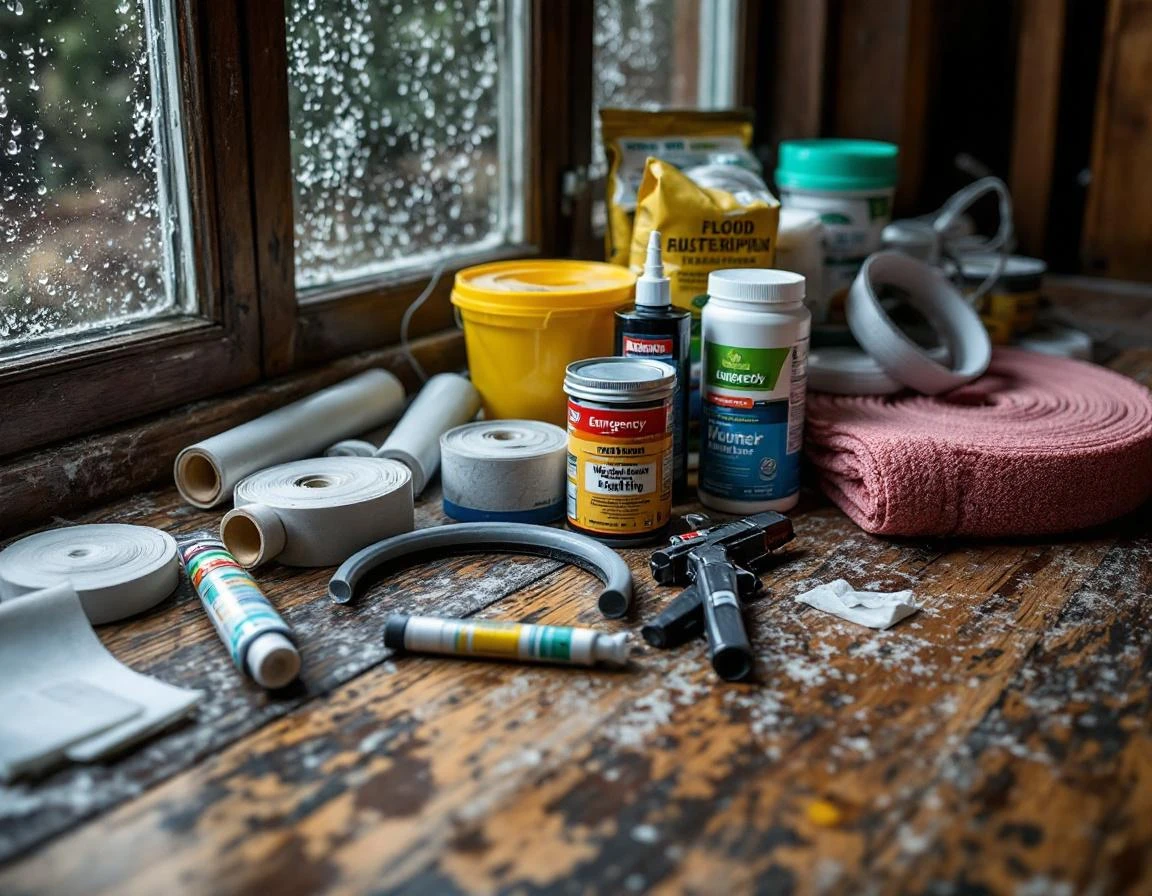
Material selection matters in Pacific Northwest conditions. Silicone weatherstripping offers superior longevity in constant moisture exposure, lasting 15-20 years compared to 5-7 years for foam alternatives. Rubber seals provide excellent compression resistance for garage door bottoms, while foam works well for irregular foundation gaps. Expect to invest between fifty and three hundred dollars for complete garage weatherstripping, depending on door size and gap severity.
March represents your ideal installation window before April snowmelt arrives. Weatherstripping installation looks simple, but gets tricky fast if your door frame has any damage or wear. Many homeowners find it worth calling our experts—we’ll get it right the first time and guarantee no leaks. Schedule an appointment with Garage Harmony today.
When should you call professionals? Any structural cracks wider than half an inch, gaps around electrical penetrations, or garage door threshold damage warrants expert assessment. Spending a few hundred dollars now prevents five thousand to twenty-five thousand dollars in water damage repair costs.
Drainage System Assessment
While weatherstripping protects the garage perimeter. Effective drainage management prevents water from reaching your foundation in the first place. For La Center properties within a mile of the East Fork Lewis River, where spring snowmelt creates predictable water accumulation, drainage assessment should happen now—before the ground saturates and problems become emergencies.
Start by inspecting your gutters and downspouts for winter debris. Clogged gutters overflow directly onto your foundation during spring rains, creating exactly the conditions that lead to basement flooding and garage water intrusion. Clean all gutters thoroughly, then examine downspout placement. Each downspout must direct water at least 4 feet from your foundation—preferably further on sloped properties. Extensions that terminate too close simply relocate the problem without solving it.
Next, assess your yard grading. Water should flow away from your home in all directions. Areas where water pools after rain indicate grading problems that will worsen during spring snowmelt flooding in north Clark County. Minor grading adjustments—adding soil to create proper slope—can often be handled as DIY projects. Properties with persistent water accumulation, standing water that lasts more than 24 hours, or visible erosion patterns near the foundation require professional drainage correction.
Finally, test your sump pump if you have one. Run water into the pit to verify the pump activates, discharges properly, and shuts off correctly. Consider adding battery backup systems—power outages during spring storms leave homes vulnerable exactly when sump pumps matter most. Replace pumps older than seven years before they fail during peak demand.
Emergency Preparedness Plan
Even with excellent weatherstripping and drainage systems, La Center homeowners need a plan for April-May water events. Your garage door is your first defense. Contact Garage Harmony today to schedule a weatherstripping inspection—our experts will verify your garage is sealed properly before spring water challenges arrive. Call us or request a quote online.
Store critical documents in waterproof containers on upper floors or in fire-resistant safes above potential water levels. Create a digital backup of your homeowner’s insurance policy, garage photos showing pre-water condition, and receipts for recent home improvements. These records become essential when filing claims after water damage.
Sign up for Clark Regional Emergency Services Agency (CRESA) alerts at cresa911.org to receive immediate warnings specific to the East Fork Lewis River watershed. The National Weather Service Portland office issues watches when snowmelt conditions develop in the Cascades.
Keep a rapid-response checklist posted in your garage. Move vehicles to higher ground when warnings are issued, move stored items onto shelves, disconnect electrical equipment near floor level, and photograph any water intrusion immediately for insurance documentation. When spring water shows up, speed matters. Move vehicles out of the garage, clear stored items off floors, and document what you see for your insurance. Your quick action in that first hour stops secondary damage from moisture and mold.
March Preparation Checklist for Water Damage Prevention
Breaking your spring preparation into weekly tasks makes the work manageable and confirms everything’s complete before April snowmelt arrives. Here’s how to schedule your preparation throughout March.
Week 1: Assessment and Planning
Walk your property to identify problem areas—check where water pooled during last year’s rain, inspect weatherstripping around garage doors, and test your sump pump. Create a shopping list for materials. Budget $150-300 for weatherstripping, drainage supplies, and emergency materials. Time commitment: 2-3 hours.
Week 2: Weatherstripping Installation
Install garage door weatherstripping using silicone or EPDM rubber suitable for Pacific Northwest moisture. This task takes most homeowners 3-4 hours and prevents water intrusion at the primary entry point. Call a professional if your door frame shows rot or structural damage—these issues require repair before weatherstripping works effectively.
Week 3: Drainage Improvements
Clean gutters, extend downspouts at least 6 feet from your foundation, and verify yard grading slopes away from your garage. This work typically takes 4-6 hours depending on property size. If you discover standing water that won’t drain or severe grading problems, contact a drainage specialist—French drains or re-grading require professional equipment.
Week 4: Emergency Preparation
Organize emergency documents, install sensors if needed. And conduct a family drill for your rapid-response plan. Stock sandbags and moving supplies. Time needed: 2 hours. By completing this checklist, you’ve addressed all three interventions that protect your garage before the East Fork Lewis River’s April peak flow period arrives.