Heavy-Duty vs. Standard Garage Springs
If your rural Molalla or Clackamas County property houses tractors, hay balers, or logging equipment, your garage door springs face entirely different demands than a typical suburban door. Farm garage spring replacement in Molalla requires understanding the gap between standard residential torsion springs—usually rated for 10,000 to 15,000 cycles—and heavy-duty agricultural alternatives. Standard springs are designed for daily use patterns: two or three openings per day to park the family car. But farm and workshop garages operate on a different schedule entirely.
Equipment storage and seasonal workflows mean your door might sit dormant for weeks, then cycle dozens of times during harvest or timber operations. That irregular pattern, combined with the sheer weight of heavy equipment doors (often 400–600 pounds compared to 150–200 pounds for residential doors), creates stress concentrations standard springs simply can’t handle. You’ll see premature failures: springs snap during peak work seasons when you need access most.
Heavy-duty springs are rated by both cycle life (often 25,000–50,000 cycles or more) and load capacity. To identify your spring type, look at the coil diameter—heavier springs have thicker wire gauge and larger diameter coils. Many manufacturers use color-coded ends or stamp load ratings on the spring body itself. You can also test door weight: disconnect the opener and manually lift the door halfway. If it feels exceptionally heavy or drops when released, you likely have inadequate springs for your door’s actual weight—a dangerous condition that demands immediate attention before your next busy season.
Four Pre-Season Inspection Checkpoints
Before heavy equipment storage season begins in spring, perform this quick inspection to catch failures before they occur mid-season—when emergency repair lead times in rural Clackamas County can stretch for weeks. This simple checklist identifies problems that are far less expensive to address now than to manage through costly emergency replacement later.
Checkpoint One: Visual Spring Inspection
Stand inside your garage with good lighting and examine both torsion springs above the door or extension springs along the tracks. Look for rust spots that indicate moisture penetration, uneven spacing between coils, and hairline cracks in the metal. In Molalla’s climate, freeze-thaw cycling during Pacific Northwest springs causes micro-fractures that expand under load. Check the connection points where springs attach to anchor brackets—corrosion here weakens the entire system.
Checkpoint Two: Manual Balance Test
Disconnect your opener and manually lift the door to shoulder height, then release it. A properly balanced door stays in place or drifts down slowly. If it slams down or requires muscle to hold in position, your springs have lost tension—wear that’s invisible to the eye. This test reveals spring degradation months before complete failure occurs.
Checkpoint Three: Sound and Movement Assessment
Operate the door through a full cycle while listening for grinding, squealing, or popping sounds. Watch for jerky motion or hesitation at specific points. These symptoms signal imminent spring failure, especially in agricultural doors handling tractors and equipment that stress springs beyond standard residential capacity.
Checkpoint Four: Photo Documentation
Take close-up photos of your springs each March. Comparing images year-over-year reveals subtle changes—gap widening between coils, surface deterioration, or shifting anchor points. This documentation helps you track degradation patterns specific to your door’s use and Clackamas County’s seasonal temperature swings. For spring maintenance resources calibrated to rural use patterns, contact Garage Harmony today!
Seasonal Temperature Stress on Springs
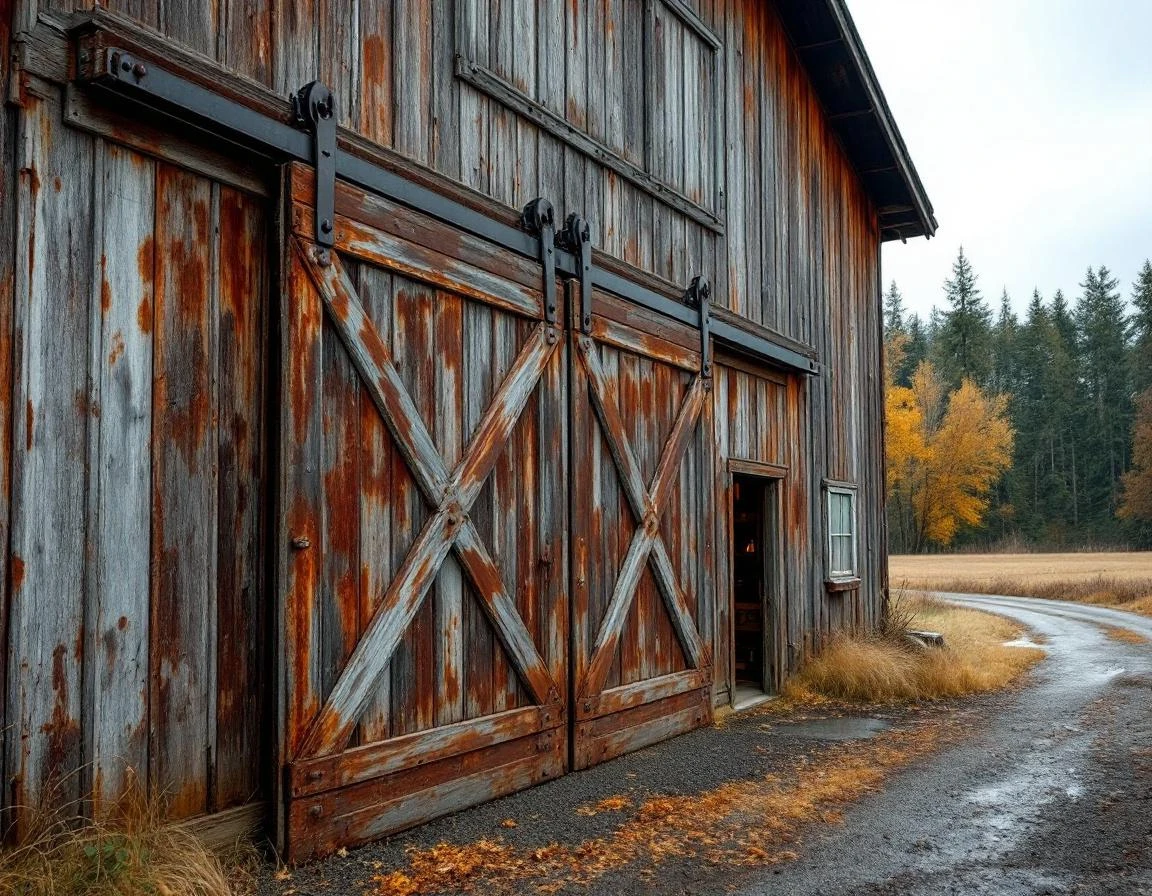
March through April brings the hardest test for garage door springs in Clackamas County farm buildings. Freeze-thaw cycling—temperatures dropping to 25°F overnight, then climbing to 50°F by afternoon—creates micro-fractures in spring steel that residential garage owners never face. Your heated home garage maintains 45-55°F year-round. Your workshop or equipment barn? It mirrors the outdoor temperature exactly.
Here’s what happens inside the steel: torsion springs lose tension when temperatures drop below freezing, then re-stress unevenly as morning sun warms the metal. This expansion-contraction cycle weakens the molecular structure. Add the mass of a door holding tractors and timber equipment, and each temperature swing puts greater strain on already-compromised metal.
Why does timing matter? A spring weakened by three winter cycles may hold through storage season, then snap the first time you roll heavy equipment through in April. That’s why late March inspections—after winter damage accumulates but before equipment season starts—catch thermal stress before it becomes a safety hazard. You’re not just checking springs; you’re reading a winter’s worth of temperature history written in steel.
Equipment Weight and Irregular Load Patterns
Farm equipment creates loading patterns that standard residential door springs cannot withstand. A tractor weighing 6,000 pounds pushes significant weight against the door as it enters a building, while hay balers and implements create asymmetrical loading that stresses one side of the spring system more than the other. This uneven tension distribution becomes even more pronounced in rural Molalla properties with non-standard garage widths—a 16-foot or 18-foot opening common in farm buildings spreads spring tension unevenly across the door panel.
The seasonal use pattern in Clackamas County agricultural buildings creates a deceptive maintenance problem. Your farm door might cycle only 200-300 times annually compared to 1,500 cycles for a typical residential door. Does that mean your springs last five times longer? Not even close. Extended dormant periods followed by shock loads actually accelerate metal fatigue. When springs sit idle through winter months, then suddenly bear heavy equipment loads in April when planting season begins, the stress concentration causes micro-fractures that age estimates and cycle ratings don’t account for.
This irregular loading pattern means you can’t rely on spring age or cycle counts to predict failure. A spring rated for 20,000 cycles might fail at 2,000 cycles if those cycles involve heavy equipment and long dormancy periods. That’s why pre-season inspection matters more than calendar age for farm buildings.
Regional Pricing and Farm Garage Spring Replacement in Molalla
Heavy-duty farm garage springs cost $300–$600 per spring in the Clackamas County market—roughly double the $150–$250 you’d pay for standard residential springs. This price difference reflects both the specialty materials required for agricultural loads and the fact that rural-spec springs aren’t stocked items. Standard residential springs sit on most installers’ shelves, but heavy-duty springs built for tractor-weight doors require advance ordering.
That ordering window matters more than most Molalla and Estacada property owners realize. During April and May—right when you’re pulling equipment out of storage and discovering last season’s wear—rural installers face 1–2 week lead times on specialty springs. April is the worst possible time to discover a failed spring because every other farm garage owner is calling with the same problem.
Installation labor adds another layer to rural costs. Non-standard garage door configurations—oversized doors, custom track systems, or reinforced mounting hardware—push labor costs 15–30% above base rates. Emergency calls during peak season (May through July) carry a 50% premium over scheduled service.
The cost-benefit calculation is clear: a $500 proactive spring replacement scheduled in March, before peak season, beats a $750+ emergency call with multi-week equipment lockout. Understanding these regional lead times transforms spring inspection from optional maintenance into financial planning.
DIY Inspection vs. Professional Replacement
You can perform safe, money-saving pre-season inspections yourself with no special tools. In March, walk through the visual checks, balance tests, and sound assessments we’ve covered—these take ten minutes and require no equipment handling. You’re looking at springs from a safe distance, listening for grinding sounds, and watching how the door moves. There’s zero risk when you’re just observing and documenting.
Never attempt spring replacement yourself. Heavy-duty farm springs are under hundreds of pounds of tension. Improper tensioning causes serious injuries—crushed fingers, facial trauma from snapping cables, and property damage from doors crashing down. Professional replacement costs $600–$900 installed in Clackamas County. And that price includes proper tensioning, safety inspections, and warranty coverage. If your March inspection reveals rust, imbalance, or grinding noises, schedule replacement immediately with a local contractor.
Here’s the cost-benefit math: a free self-inspection in March prevents emergency calls. If you wait until your tractor won’t fit through a jammed door in May, you’ll pay $750+ for emergency service with multi-day wait times during peak season. Local Molalla and Clackamas County contractors familiar with farm buildings offer faster turnaround than general residential services because they stock heavy-duty parts and understand agricultural door configurations. Call in March, not May. And you’ll save money while avoiding the spring rush.