Fall Weather Forecast Washington: El Niño Weather Pattern Impacts
What makes this fall different from typical Pacific Northwest rainy seasons? El Niño weather patterns are driving cooler, wetter conditions across Washington state. With forecasters predicting above-normal rainfall from September through November 2026. The fall weather forecast for Washington shows this season will bring more than routine seasonal drizzle—El Niño creates persistent moisture and atmospheric pressure changes that place unusual stress on garage door components.
The combination of extended wetness and temperature fluctuations takes a toll on door seals, which can crack or lose elasticity. Spring tension becomes less reliable as metal expands and contracts. Opener mechanisms face increased friction from humidity-swollen tracks and moisture intrusion into electrical connections.
The September-November window represents your critical preparation period. Early action allows homeowners to identify vulnerable components before peak rainfall arrives, preventing costly water damage, mechanical failures, and emergency repair calls during the wettest months ahead.
Four Essential Maintenance Checks for Fall Storm Readiness
Before El Niño storms arrive, walk through these four inspections to catch problems while they’re still manageable. Each check targets a component vulnerable to moisture and wind stress during Washington’s wet fall months.
- Check 1: Weather Seals and Bottom Gaskets
- Check 2: Spring Tension and Balance
- Check 3: Opener Safety Sensors and Reverse Function
- Check 4: Track Alignment and Drainage
Check 1: Weather Seals and Bottom Gaskets
Examine the rubber weather stripping along all four edges of your garage door and the bottom gasket that sits against the floor. Look for cracks, peeling sections, or visible gaps when the door is closed. Run your hand along the seals—if you feel air movement or see daylight, water will find those openings. Water dripping from door edges after rain signals seal failure that needs immediate attention.
Check 2: Spring Tension and Balance
Disconnect your automatic opener and manually lift the door halfway. A properly balanced door should stay in place without assistance. If it drops or shoots upward, your springs have lost tension or become unevenly worn. Slow closing speed or difficulty lifting the door are warning signs that spring replacement is approaching. Don’t ignore these symptoms—weak springs force your opener to work harder and can fail completely during storms.
Check 3: Opener Safety Sensors and Reverse Function
Test your opener’s auto-reverse by placing a solid object in the door’s path. The door should reverse immediately upon contact. Check that safety sensors at floor level are aligned and free of cobwebs or moisture buildup. Heavy rain can disrupt sensor operation if they’re dirty or misaligned.
Check 4: Track Alignment and Drainage
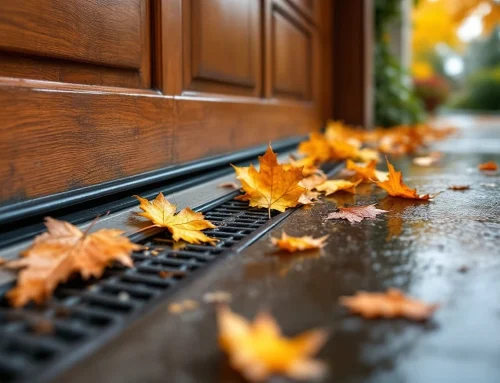
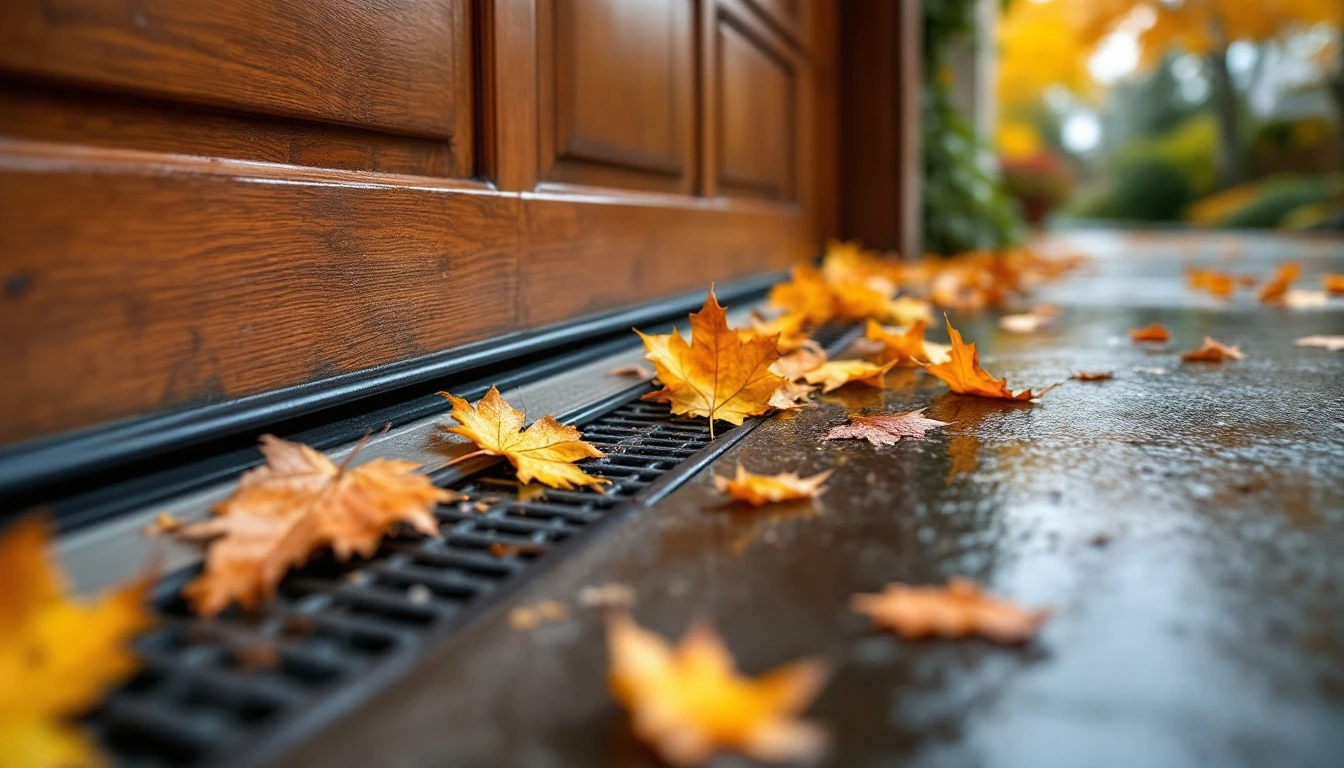
Inspect tracks for visible gaps between rollers and track walls, which indicate misalignment. Check that drainage areas near your garage door are clear of leaves and debris—blocked drainage channels water directly toward door seals and can pool against weather stripping.
Weather Seal and Gasket Inspection
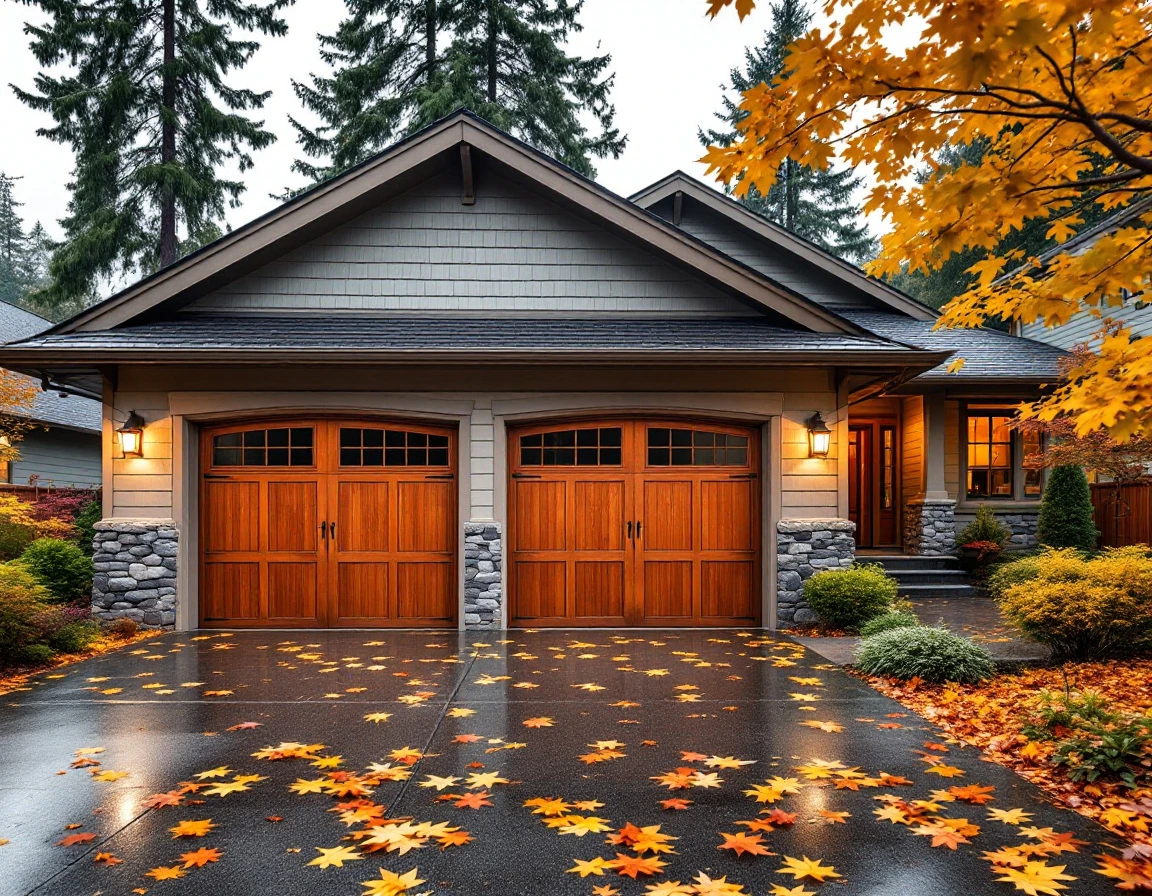
Your bottom seal bears the full force of wind-driven rain and moisture intrusion during El Niño storms. This rubber strip is your first defense against water penetration, but it degrades faster in Washington’s wet climate. Walk around your garage door and look for cracks, hardening, peeling rubber, or visible gaps along the edges. Check the concrete beneath the door for water stains—a telltale sign that your seal is failing.
Seal replacement runs $100–$300. While water damage to stored belongings, flooring, or structural components can easily exceed $1,000. The math is simple: replace compromised seals before November rains arrive, and you’ll protect everything inside your garage from moisture damage that costs ten times more to repair.
Spring Balance and Opener Function
After checking seals, turn your attention to spring tension and opener safety—the second and third critical tasks. Heavy, wind-stressed doors demand properly tensioned springs to prevent opener strain during storms. When moisture from El Niño rain penetrates garage cavities, it causes spring corrosion that reduces tension over time, forcing the opener motor to work harder and increasing failure risk exactly when you need reliable access most.
Here’s a simple manual balance test you can perform safely: disconnect the opener by pulling the emergency release cord, then manually lift the door halfway. A properly balanced door should stay level and slow without slamming shut or dropping. If it falls or feels unusually heavy, weak springs likely signal corroded coils from moisture exposure.
Finally, verify your safety sensors by testing the auto-reverse function. Place an obstruction like a cardboard box in the door’s path and attempt to close it—the door must immediately reverse. This feature becomes critical during high-wind weather when debris may blow into the doorway.
Track Alignment and Drainage for Fall Weather Preparation
Track drainage might not be the first thing you check, but in Washington’s wet fall it can make or break your door’s performance. Clogged tracks trap moisture that accelerates rust and throws rollers out of alignment, especially when wind stress hits during storm surges. Take a few minutes to clear out leaves, twigs, and debris from both tracks, then wipe away any standing water.
While you’re at it, inspect the tracks for dents or warping that could catch rollers mid-cycle. Run the door through a full open-close cycle and listen for smooth, quiet movement—grinding or hesitation signals misalignment. Don’t stop at the tracks themselves: check ground drainage around your garage perimeter to prevent water pooling near the door base, which can back up into the track channel during heavy rain.
November 1, 2026 is your hard deadline. After that, peak rain season arrives and fixes get messy.
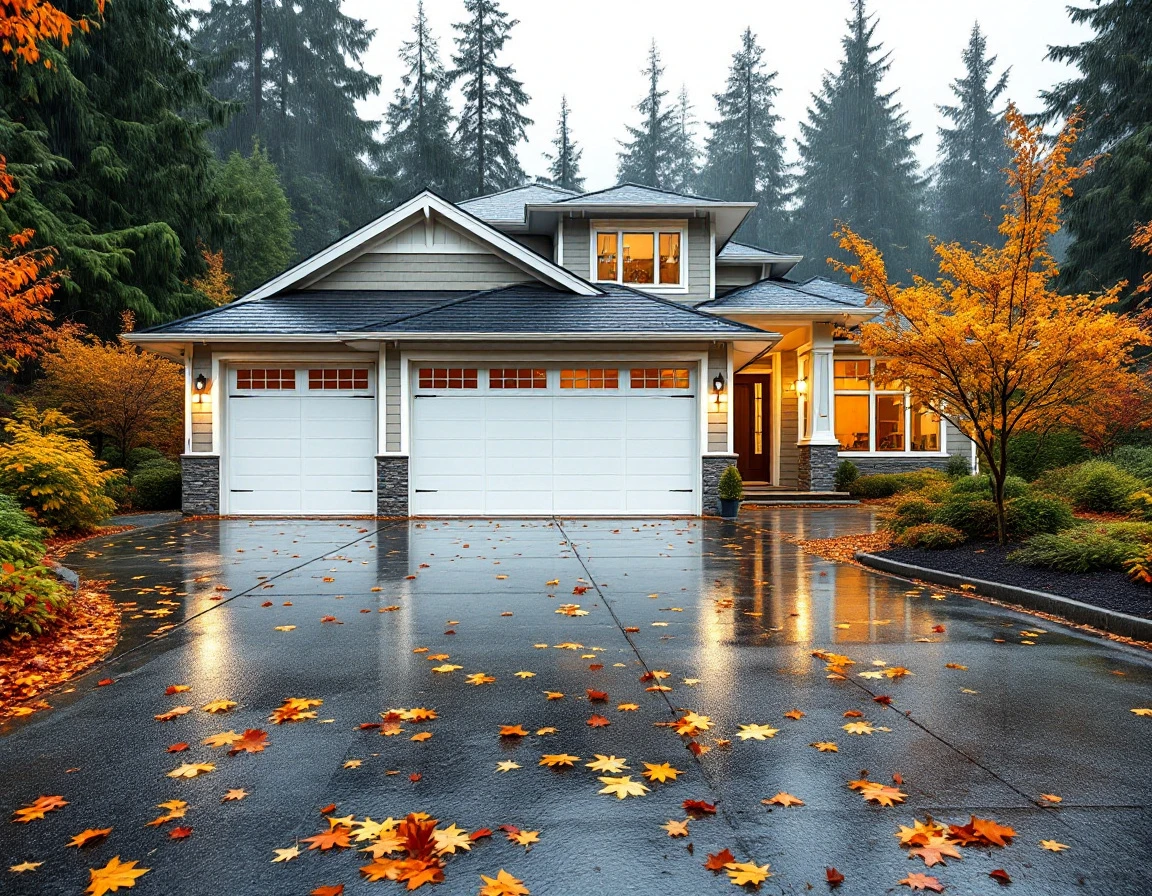
Action Timeline and Storm Readiness
September is inspection month. Walk your garage, checking weather seals for cracks, testing spring balance with the manual lift, verifying sensor alignment, and examining tracks for debris or rust. Document every issue you find—this becomes your October repair list.
October is your repair window. Complete all fixes while weather remains dry. Replace worn seals, adjust spring tension, clean tracks, and test your door’s full operation cycle. Dry conditions let adhesives cure properly and give you safe working conditions.
November 1, 2026 marks your hard deadline. By this date, every maintenance task should be finished. Peak El Niño rainfall hits the Pacific Northwest soon after. And you don’t want to discover a failed seal during a windstorm.
After any major storm, inspect your door immediately. Water pooling inside the garage, new grinding noises, or a door that won’t close completely all warrant emergency repair calls. Document damage with photos for insurance claims. Then contact Garage Harmony to schedule repairs before the next weather system arrives.