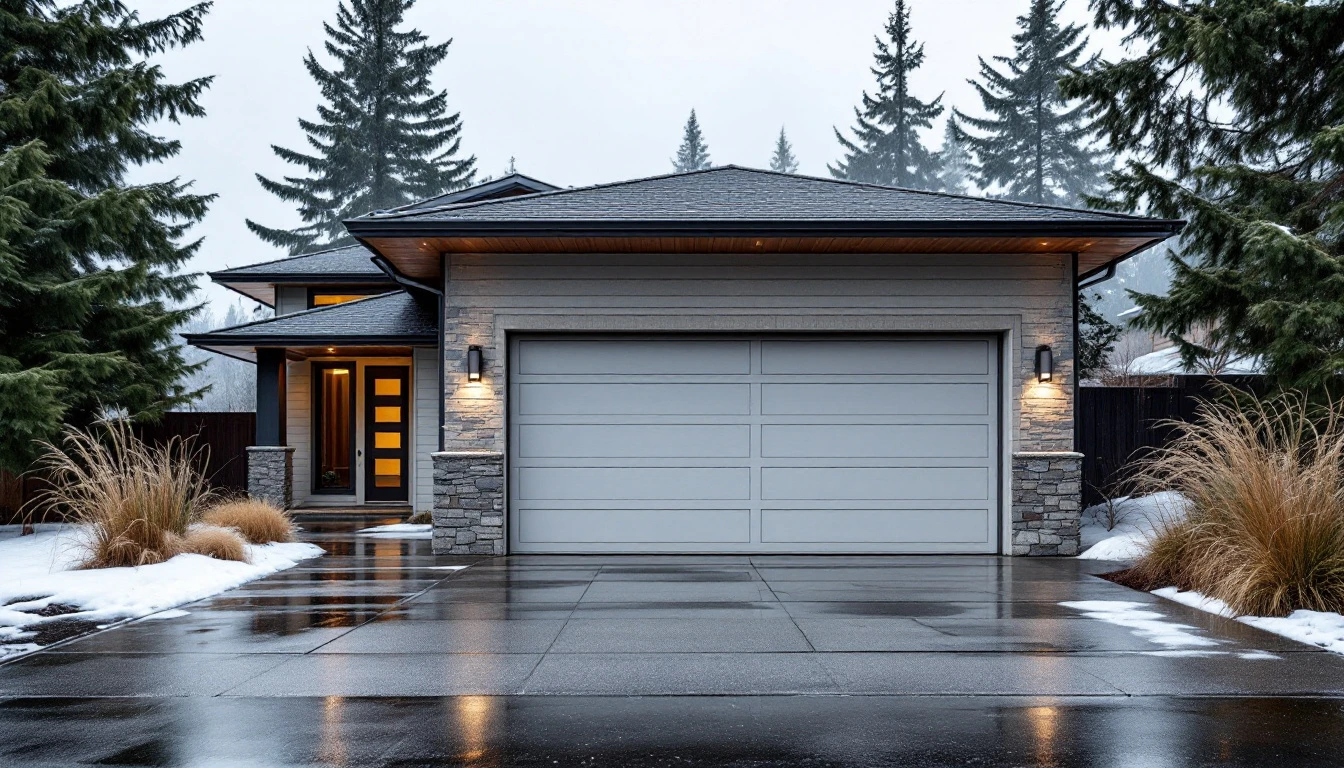
Elevation & Snowmelt Flood Risk
Estacada sits between 600 and 1,400 feet in elevation, placing your home squarely in the Clackamas River foothills where snowmelt patterns behave very differently than they do in Portland or Oregon City. When winter storms drop snow on Mt. Hood and the upper watershed, that snow doesn’t melt all at once. Instead, it accumulates through January and February, then releases gradually as temperatures warm through April and May.
This timing creates a flood risk window that peaks in May—well after most homeowners have stopped thinking about winter damage. Properties closer to the Clackamas River face the highest exposure, especially if your lot slopes toward river corridors or sits in historic drainage pathways. The same elevation that gives Estacada its access to recreation becomes a liability when spring runoff combines with late-season rainstorms.
Ice storm damage compounds this risk in ways unique to foothills properties. Fallen branches and debris from February or March ice events don’t just disappear—they settle into gutters, downspouts, and property drainage channels. When May runoff arrives, these blocked systems can’t handle the volume, directing water toward foundations, crawl spaces, and garage floors instead of away from your home.
Understanding your property’s specific elevation and slope relative to the river corridor isn’t generic spring advice—it’s the foundation for every inspection priority in this guide. A home at 1,200 feet with downhill drainage faces different risks than a 700-foot property on flat ground, and your preparation schedule needs to reflect that reality.
Pre-May Runoff Inspection Priorities
Estacada’s peak snowmelt period arrives between mid-May and early June, giving you a narrow window to complete flood prevention inspections. All critical tasks must be finished by the first week of May to beat the runoff surge from Mt. Hood’s accumulated snowpack. Breaking inspection tasks into time-ranked categories helps you address the most urgent vulnerabilities first while scheduling less critical work appropriately.
This Week: Immediate Drainage System Checks
Start by clearing gutters and downspouts of pine needles, fir cone debris, and ice storm damage. February’s ice accumulation often tears gutter seams and shifts downspout connections, creating failure points that won’t reveal themselves until heavy runoff begins. Walk your roofline looking for sagging sections or separated joints that need reattachment before water volume increases.
Check where each downspout terminates. Downspouts pointed toward your foundation or garage become flood sources during peak melt. Redirect them at least six feet away from structures using splash blocks or extension pipes. This single task prevents more water intrusion than any other inspection item.
By Early May: Foundation and Access Point Assessment
Inspect your foundation perimeter for cracks wider than a quarter-inch, paying special attention to corners where garage walls meet house foundations. Water follows these joints during runoff events. Check basement windows and crawlspace vents for gaps or damaged screens that admit water when ground saturation rises.
Test your sump pump by pouring five gallons of water into the pit. The pump should activate within seconds and discharge water well away from your foundation. Replace batteries in battery backup systems if you have them installed.
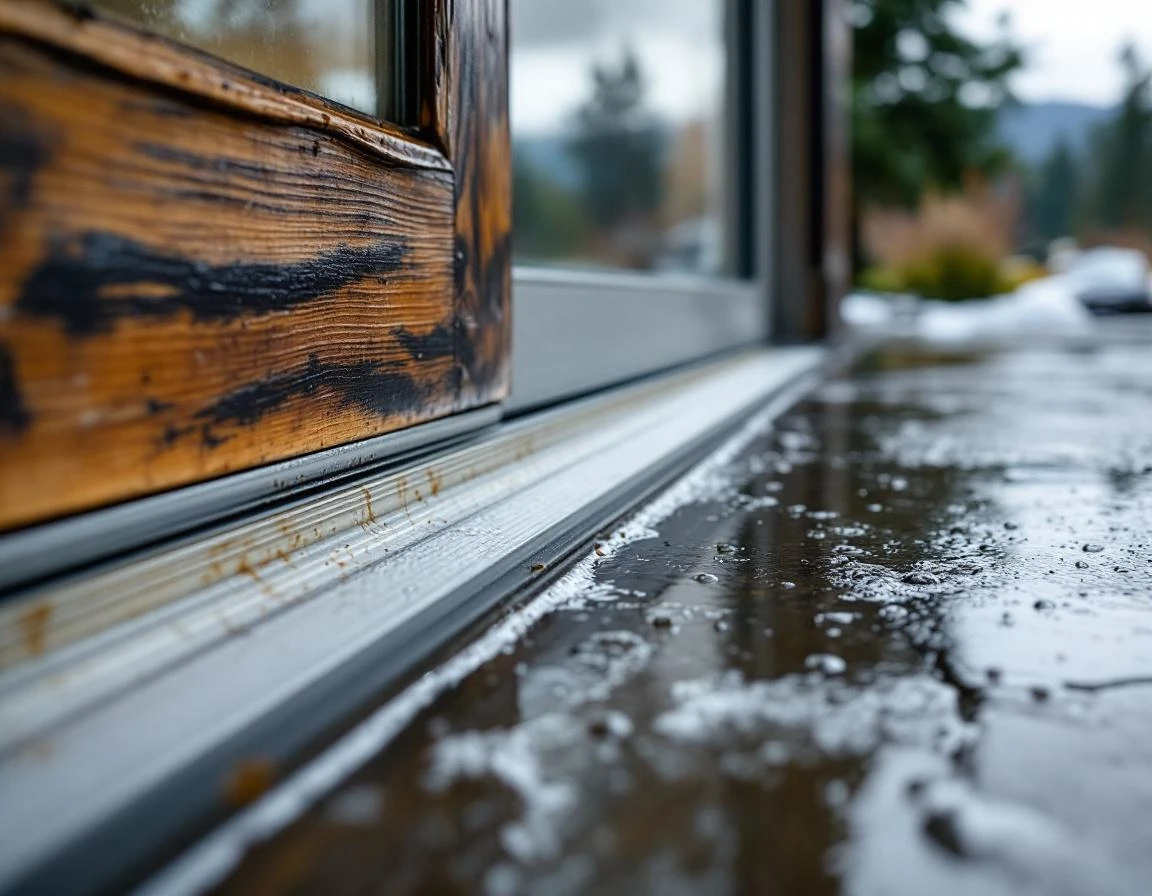
Examine garage door threshold seals, bottom weatherstripping, and side seal retainers. Press weatherstripping with your thumb—if it doesn’t spring back, it won’t stop water. Check for daylight visible beneath the closed door, which indicates gaps where runoff can enter. Replace compromised seals before May precipitation combines with snowmelt to create peak flow conditions along the Clackamas River corridor.
Flood-Resistant Weatherstripping Selection
Not all weatherstripping performs equally when facing Estacada’s May snowmelt runoff. EPDM rubber weatherstripping resists water absorption far better than foam or felt alternatives, making it the superior choice for foothills properties between 600 and 1,400 feet elevation. Foam strips absorb water during wet springs, lose their seal integrity, and deteriorate within months. Felt-based products fail even faster when exposed to freeze-thaw cycles common in Clackamas County’s winter-to-spring transition.
For garage doors on sloped terrain, focus on three critical components: threshold seals that create a dam against pooling water, bottom door gaskets that flex to uneven concrete, and side seals that prevent lateral intrusion. Water flows downhill toward lower foundation points on Estacada properties, concentrating pressure at garage entries. A quality threshold gasket—specifically one rated for water intrusion rather than just air sealing—becomes your first line of defense.
Test your weatherstripping effectiveness before May arrives. Run water down the exterior driveway approach with a hose. If water pools at the garage entry or seeps beneath the door, upgrade immediately. Look for products labeled for commercial or marine applications—these meet higher water resistance standards than residential-grade options and handle the extended wet conditions Mt. Hood runoff creates.
Ice Storm Damage & Spring Recovery
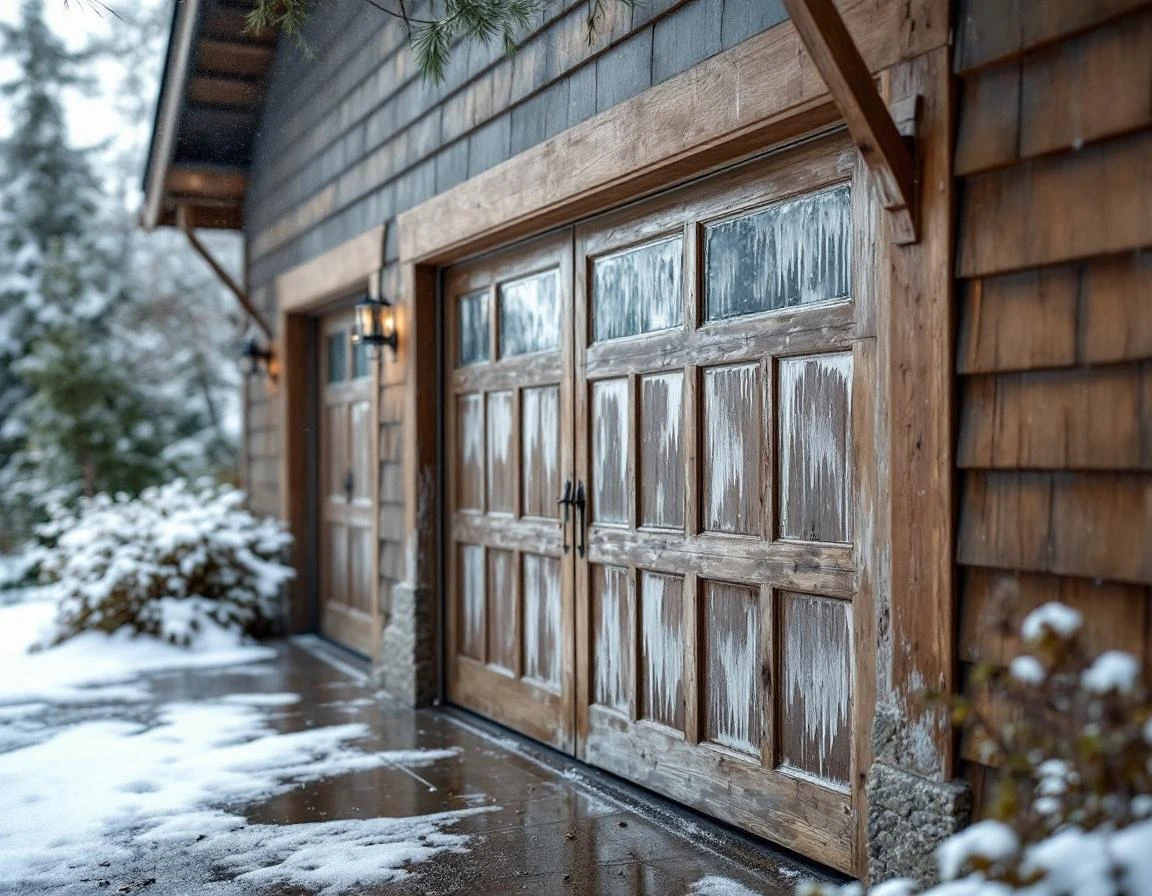
Late-season ice storms strike the Mt. Hood corridor between March and April, often catching Estacada homeowners off guard just as spring seems imminent. These storms accumulate ice weight on garage door panels, bend metal sections”…, and snap torsion springs incapable of bearing the extra load. Ice chunks falling from roofs tear gutters away from fascia boards, block downspouts, and create hidden damage that won’t reveal itself until May snowmelt arrives.
Here’s why timing matters: ice-damaged drainage systems fail catastrophically when heavy runoff begins. A bent gutter that seems manageable in April becomes a waterfall directing thousands of gallons against your foundation in May. A cracked garage door panel that still opens becomes a flood entry point when runoff pools against your threshold.
Professional inspection is non-negotiable for garage door springs and panels. These components operate under extreme tension and require specialized tools and training. DIY attempts often result in injury or worse.
Schedule your assessment immediately after any ice event, complete repairs by mid-April, and conduct a final flood-prep inspection before May 1. Contact Garage Harmony today for professional spring damage assessment and repair before runoff season arrives.
DIY Tasks vs. Professional Calls
Knowing when to tackle garage and drainage maintenance yourself versus calling a professional protects both your safety and your property. The following tasks are safe for homeowners to complete:
- Gutter cleaning
- Downspout rerouting
- Sump pump testing
A stable ladder and a weekend afternoon are enough to clear debris-clogged gutters before May runoff arrives.
However, garage door spring replacement and panel repair demand professional expertise. Springs operate under extreme tension and can cause serious injury without specialized tools and training. Foundation assessment also requires licensed inspectors who understand Estacada’s elevation-specific risks. For foothills properties with complex drainage patterns or prior water intrusion, a professional flood risk assessment takes one to two hours and costs between $200 and $400—a worthwhile investment to identify vulnerabilities before seasonal runoff begins.
Use this decision framework: if your property has experienced water intrusion previously, hire a professional. If you’re uncertain about foundation cracks or drainage flow direction on sloped terrain, call an expert. Weatherstripping installation falls in the moderate DIY category. But professional installation guarantees seal integrity on complex thresholds where water pressure builds during heavy runoff. For trusted local service providers in the Estacada area, Garage Harmony connects you with licensed professionals who understand Mt. Hood corridor conditions.
May Runoff: The Final Checklist
With peak snowmelt typically occurring May 15–31 in the Mt. Hood corridor, all inspection and repair tasks must be complete by May 1. This hard deadline gives you a two-week buffer before runoff intensifies, protecting your investment from flood damage that costs thousands to repair.
Run through your final verification tasks systematically:
- Confirm gutters are completely clear of ice storm debris and winter accumulation
- Check that downspouts discharge at least four feet from your foundation on improved terrain—closer discharge on sloped properties channels water back toward basement walls
- Test your sump pump with a full bucket of water to verify it cycles properly under load
- Inspect weatherstripping integrity around garage doors and entry points, looking for compression damage or gaps
- Examine basement window seals for cracks that allow water infiltration during heavy runoff events
Monitor local forecasts through April for early melt events. If weather patterns predict April snowmelt instead of the typical May timeline, move your completion deadline forward by two weeks. The Clackamas River corridor can experience rapid melt during warm spring rain events.
Schedule a post-runoff inspection in early June. Walk your property to document any newly emerged foundation cracks, drainage problems, or weatherstripping failures. These observations inform next year’s preparation strategy and catch small problems before they become expensive repairs.