Fall Weather Risks in Oregon: Autumn Garage Door Storm Damage Prevention
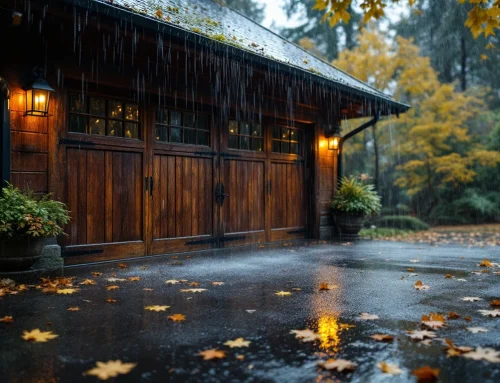
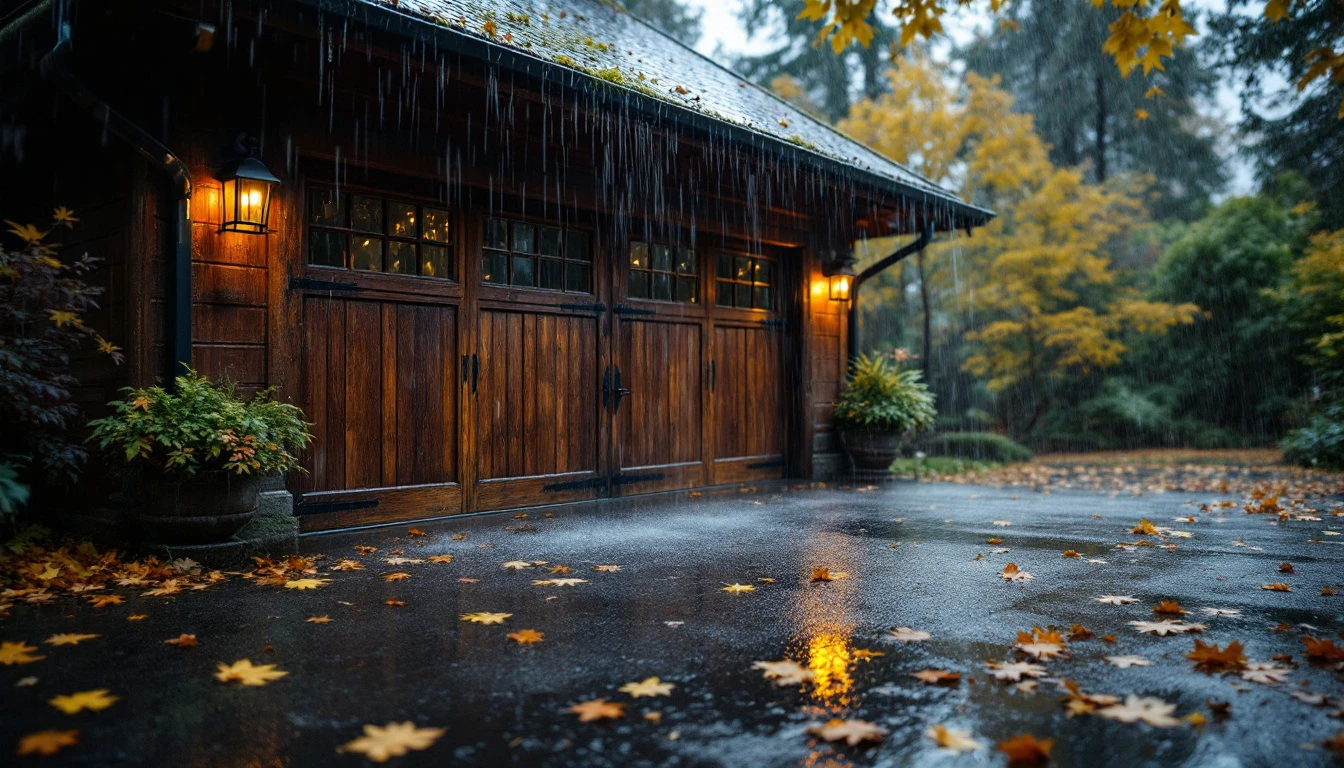
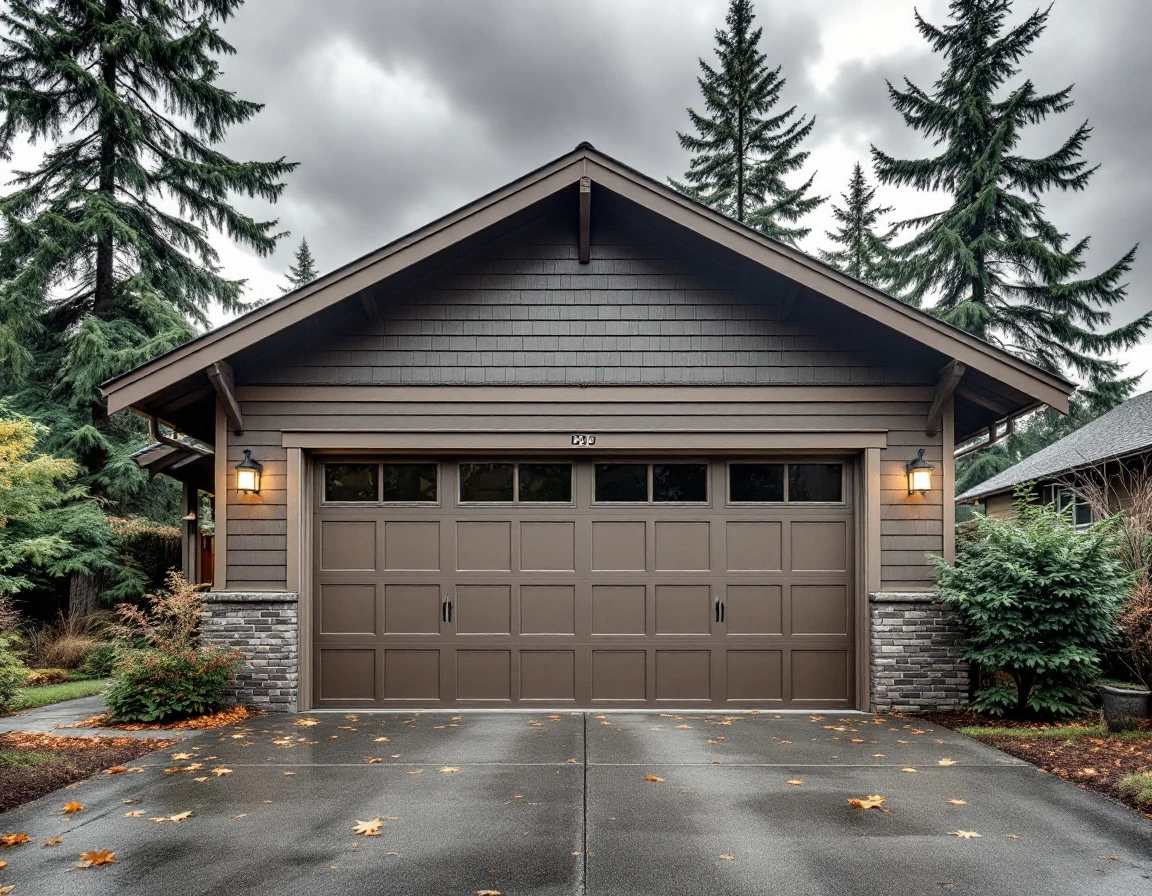
Oregon’s autumn weather brings serious threats to garage doors. Between September and November, sustained winds of 40–60 mph combine with heavy rainfall to test every component of your door system. Willamette Valley and coastal homeowners face frequent atmospheric river events that exploit weaknesses in poorly maintained doors.
Without proper autumn garage door storm damage prevention measures, the financial and safety risks multiply rapidly.
Wind-driven rain penetrates worn weatherstripping and gaps around the door frame, causing water damage inside your garage and corroding door hardware. Debris impact from falling branches and loose siding breaks panels and knocks sensors out of alignment during fall storms. Track channels fill with leaves and dirt, creating operational problems that worsen when wet.
These combined forces lead to emergency repair bills that can quickly spiral out of control once October storms arrive. That’s why September preparation matters—addressing vulnerabilities before the weather turns prevents the kind of costly damage that catches homeowners off guard.
Five-Step Autumn Weatherproofing Checklist
Ready to protect your garage door before the storms roll in? These five maintenance tasks take less than two hours total and can save you thousands in emergency repairs. Each action addresses a specific vulnerability that Oregon’s fall weather exploits.
- Check and Replace Weatherstripping
- Test Door Balance and Clear Tracks
- Inspect Hardware and Opener Settings
- Trim Nearby Trees
Check and Replace Weatherstripping
Start by examining the rubber seals along the bottom and sides of your door. Press your thumb against the weatherstripping—if it feels brittle, cracked, or doesn’t spring back, it’s time for replacement. This task requires only a utility knife and new weatherstripping, both readily available at any hardware store. Without proper seals, wind-driven rain penetrates the gap, soaking stored items and promoting rust on metal components.
Test Door Balance and Clear Tracks
Disconnect your opener and manually lift the door halfway. Does it stay in place, or does it drift up or down? A balanced door won’t slam shut during power outages when strong winds hit. While you’re at it, vacuum debris from the tracks and wipe them with a damp cloth (15 minutes, no cost). Obstructed tracks force the door to strain during operation, making it vulnerable to misalignment when storms stress the system.
Inspect Hardware and Opener Settings
Walk around your door and tighten any loose bolts or brackets with a socket wrench (20 minutes). Check the springs for gaps between coils or rust spots—these warn of impending failure. Test your opener’s auto-reverse by placing a 2×4 under the closing door. If it doesn’t reverse immediately, adjust the sensitivity settings. This prevents the door from forcing closed against debris blown into its path.
Trim Nearby Trees
Any branches within 15 feet of your garage pose a threat during high winds. A single falling limb can dent panels or shatter windows. Professional trimming offers peace of mind, or you can tackle smaller branches yourself with pole pruners on a weekend afternoon. This simple step eliminates the most common source of fall wind damage garage door problems we see each season.
Weatherstripping and Seal Replacement
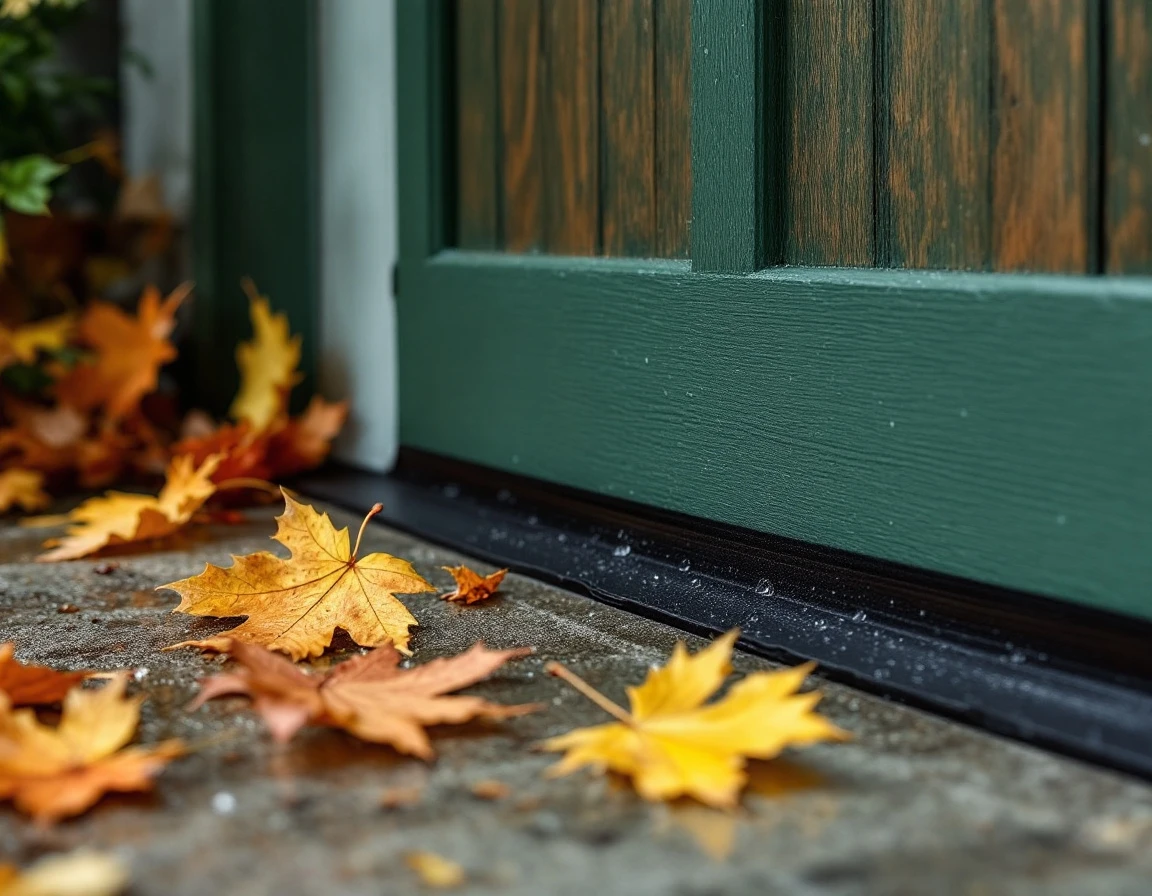
Worn rubber seals and weatherstripping create entry points for rain-driven wind during autumn storms, allowing water to seep into your garage and damage stored items or flooring. The bottom seal along your door and the side jamb seals deteriorate over time from exposure to sun, temperature swings, and regular use—especially after a hot Oregon summer. This is a core component of protecting your garage door during autumn storms.
How do you know if your seals need replacement? Check for visible cracks, gaps, or flattened rubber that no longer springs back when pressed. Look for water marks on your door frame or puddles near the door after rain. Feel for drafts by running your hand along the seal edges on a windy day.
Standard rubber weatherstripping kits are affordable and quick to install with basic tools like a utility knife.
Picture a September storm: your old door with gaps lets water stream onto the garage floor. Now picture that same storm hitting your newly sealed door—water beads up and runs off, keeping your garage completely dry. That simple fix prevents costly garage door rain damage and deterioration before October’s heavy rains arrive.
Track Cleaning and Door Balance
Autumn leaves, dirt, and debris settle into your garage door tracks throughout September, creating friction points that cause the door to bind or trigger sensor errors. When October’s windstorms arrive, that extra resistance stresses the entire system, leading to mid-storm failures when you need reliable operation most. Regular track maintenance is part of smart fall weather garage door safety.
Before cleaning your tracks, test your door’s balance. Disengage the opener using the manual release handle, then lift the door halfway open and let go. A properly balanced door holds its position without assistance. If it falls or rises, your springs have weakened and need professional inspection before storm season intensifies the problem.
Track cleaning takes 20–25 minutes with a stiff brush and compressed air. Sweep debris from the track channels, then blow out accumulated dust from the roller path. This simple maintenance prevents binding during storms when wind pressure demands smooth, unobstructed movement. If your balance test failed, contact Garage Harmony for spring replacement before the next weather event.
Hardware Inspection and Spring Assessment
Grab a socket wrench and spend ten minutes checking every bolt, roller wheel, and hinge bracket. Loose hardware that holds up fine in summer fails when Oregon’s autumn winds add 40–60 pounds of extra force to your door. Look for rust-pitted rollers, flat spots on wheels, or hinges that no longer sit flush against the track.
Spring inspection requires a careful eye but never hands-on adjustment. Check for rust or damage. Look for visible gaps between coils, rust staining along the spring body, or oil weeping from the center shaft—all warning signs that tension has declined with age. When a September storm hit Beaverton last year, wind pressure pushed against a door with weakened springs, causing the entire panel to misalign and trigger repeated sensor errors until the homeowner called for professional spring replacement.
Budget $0–$20 for replacement bolts and lubricant. If your springs show wear, contact Garage Harmony for a professional assessment—spring systems store lethal amounts of tension and require specialized tools for safe replacement.
DIY vs Professional: When to Prevent Fall Storm Garage Damage with Expert Help
Which weatherproofing tasks can you tackle yourself, and when should you call a professional? Four of the five preparation tasks are safe DIY projects: weatherstripping replacement, track cleaning, hardware tightening, and tree trimming take just 1.5–2 hours total with basic tools. These tasks carry minimal risk and require no specialized equipment.
Spring replacement and opener sensor recalibration, however, demand professional expertise. Springs store hundreds of pounds of tension. Making DIY attempts dangerous and warranty-voiding.
Use this simple decision tree: Does your door pass the balance test AND show no spring damage AND have tight hardware? If yes, DIY maintenance is sufficient. If no, contact a professional before September storms arrive.
Timing matters for your wallet. Calling now for preventive service avoids emergency repair premiums and guarantees availability when professionals aren’t overwhelmed with storm-damage calls.
$50–$100 in preventive DIY materials and professional spring inspection beats $500–$2,000 in emergency storm repairs after panels crack or openers fail during autumn wind events.