

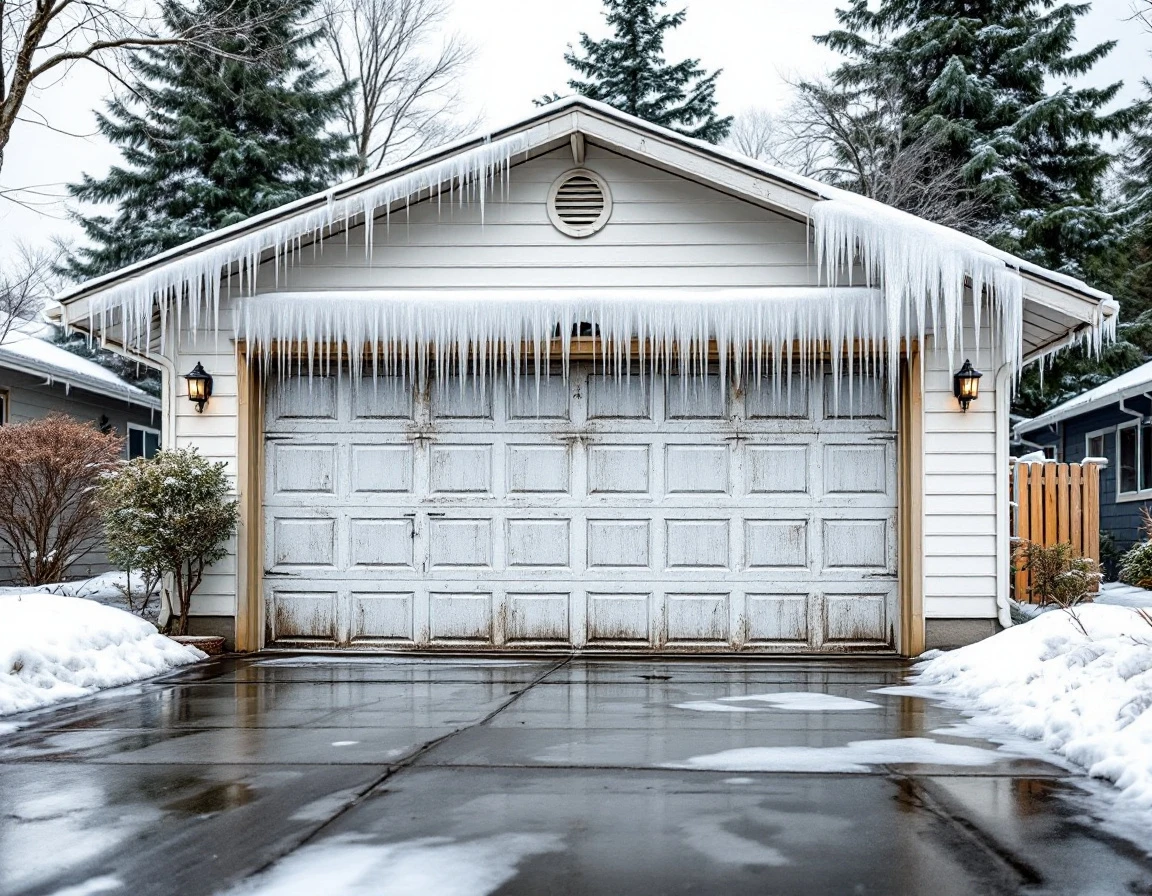
King City Garage Winter Maintenance and Freeze-Thaw Damage in Portland Metro
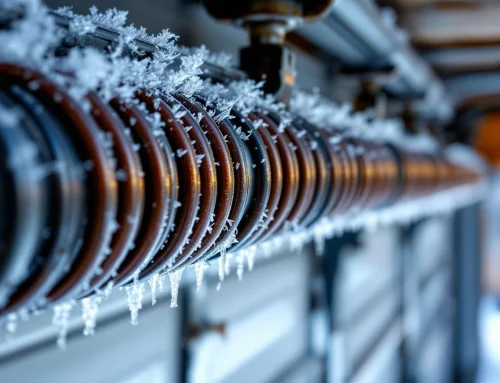
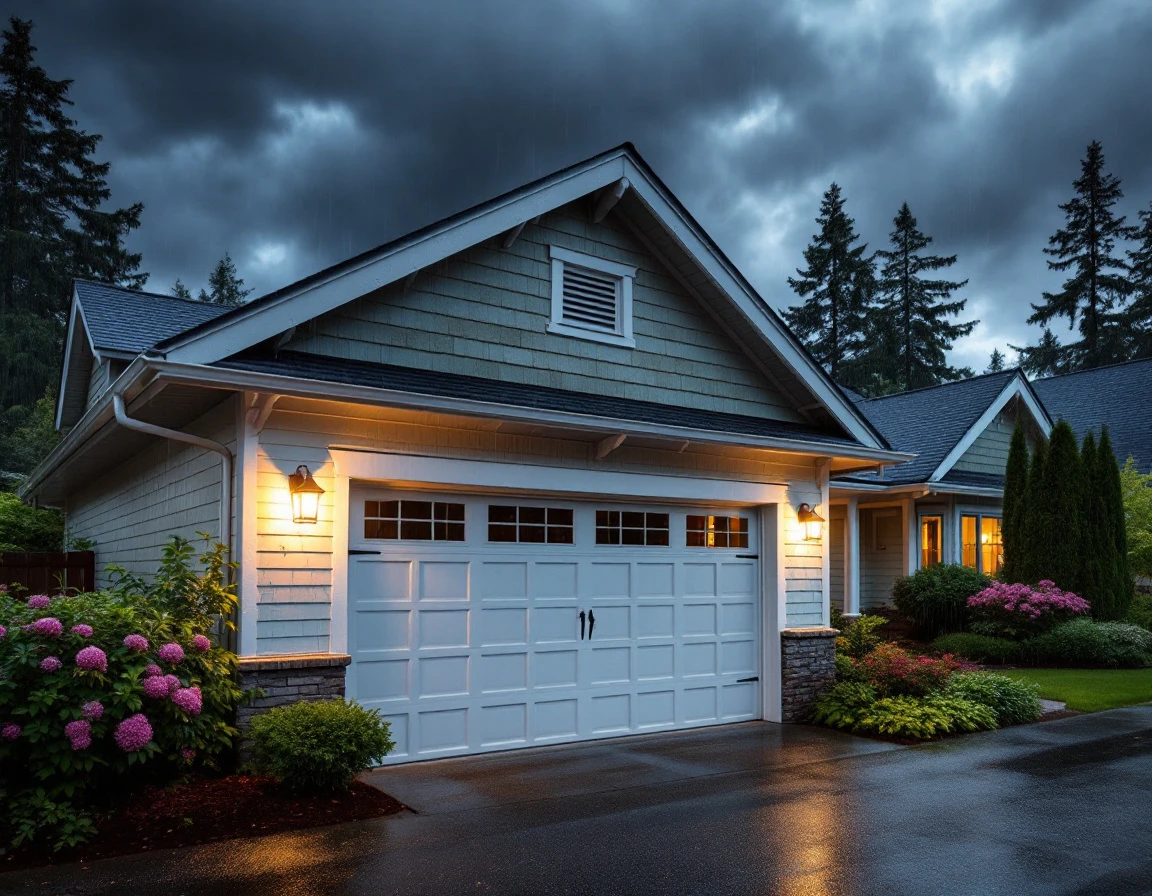
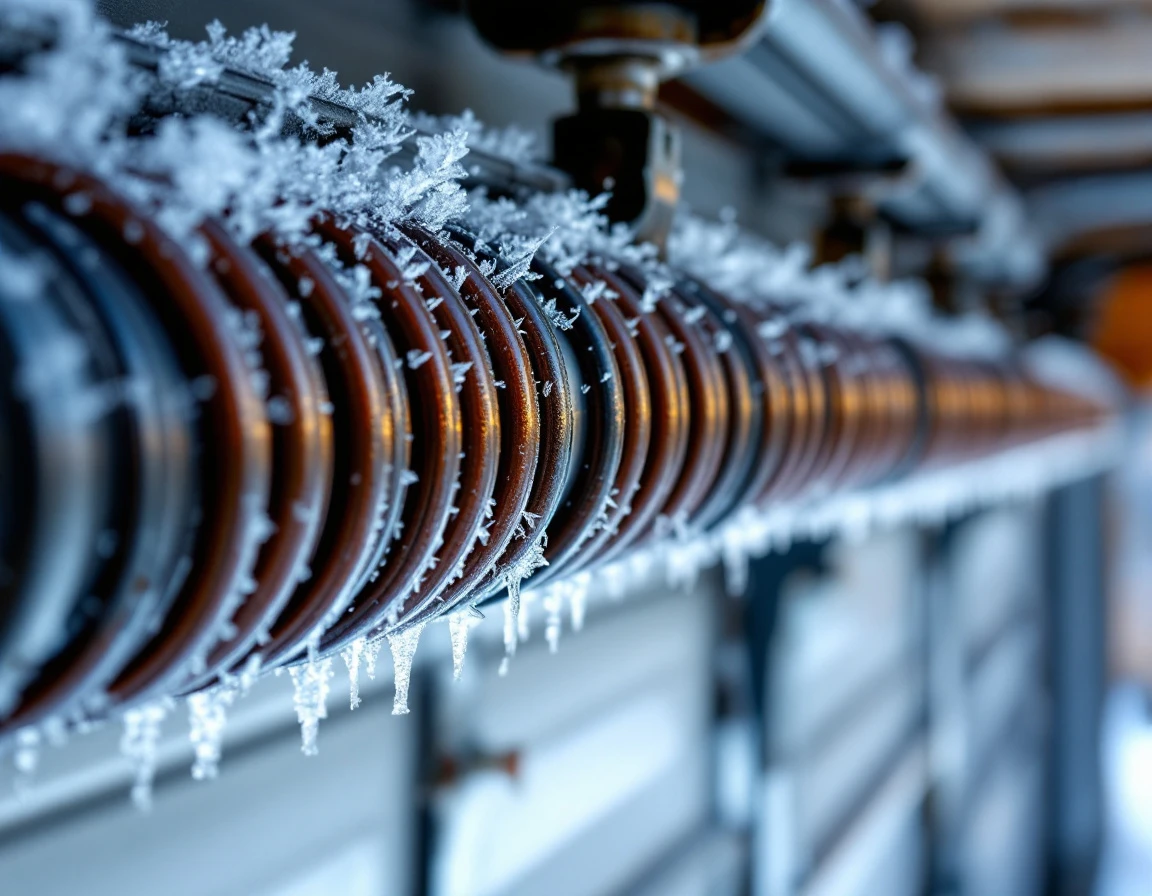
Portland’s winter weather pattern creates a specific threat for King City homeowners managing garage winter maintenance. Freezing nights followed by mild days cause water to expand when it freezes, then contract as temperatures rise. This repeated cycle attacks garage doors, weatherstripping, and concrete driveways with relentless stress that accumulates over the season.
Single-story ranch homes with attached garages face particular vulnerabilities. Metal door panels contract in freezing temperatures, creating microscopic gaps where moisture infiltrates. Weatherstripping becomes brittle and cracks. Driveway concrete absorbs water during mild days, then that water freezes overnight and expands, forcing cracks wider with each cycle. What starts as a hairline fracture in November becomes a structural problem by March.
For retirement community residents, ice damage creates immediate safety concerns. When garage doors freeze to the floor or weatherstripping ices over, emergency vehicle access becomes blocked. Ice buildup on driveways creates fall hazards precisely when residents need reliable egress paths. A frozen garage door isn’t just an inconvenience—it’s a safety failure during a medical emergency.
Spring repair costs reflect the damage winter inflicts. Replacing damaged weatherstripping and minor panel repairs represents a basic maintenance expense. Opener motor replacement after freeze damage becomes necessary when winter’s freeze-thaw cycle takes its toll. Structural concrete repair for freeze-thaw cracks demands professional attention when driveway sections need replacement.
These expenses are preventable with fall preparation.
Five Essential Fall Tasks for Freeze-Thaw Cycle Garage Protection
Completing these five tasks before November protects your garage from Portland’s freeze-thaw damage while keeping maintenance costs manageable. Each addresses a specific vulnerability that cold weather exploits in King City’s ranch-style homes.
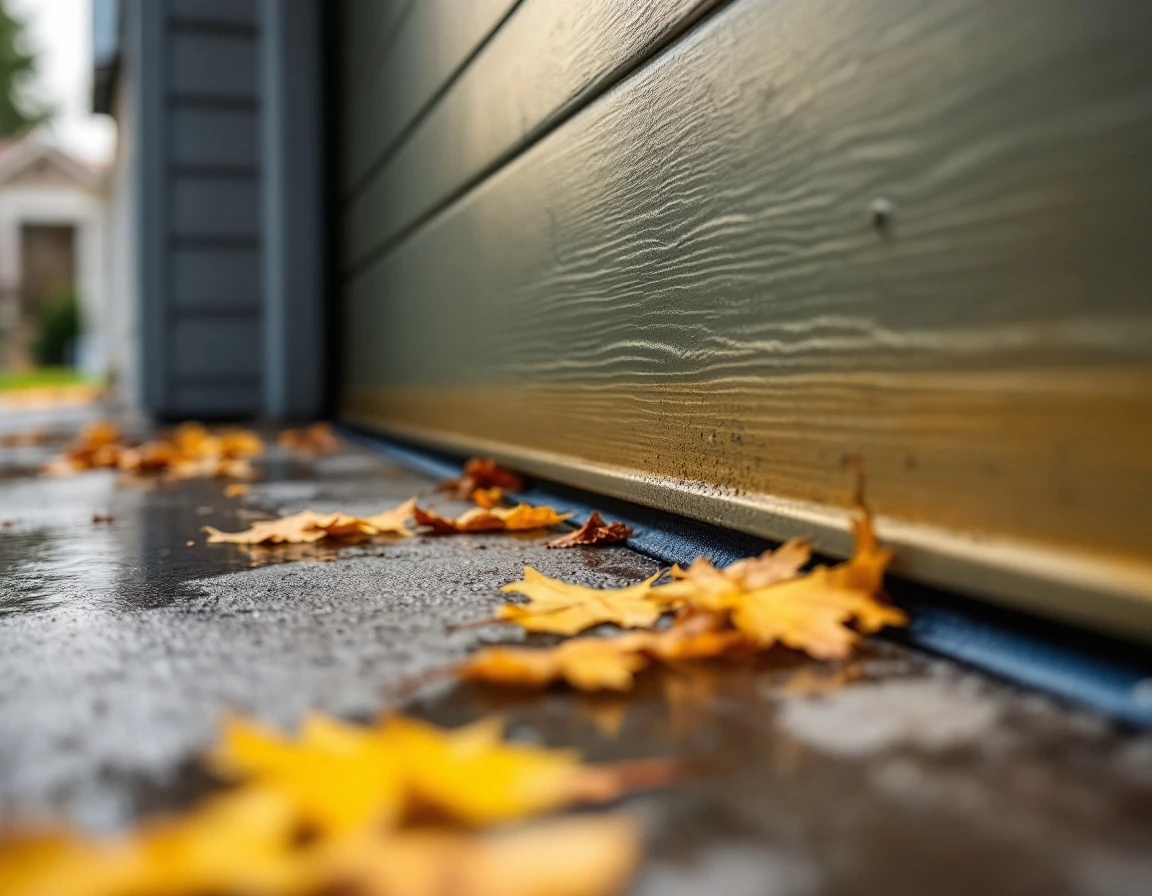
- Inspect and Replace Weatherstripping: Check the rubber seal along your door’s bottom edge and side jambs for cracks or gaps. When water seeps through worn weatherstripping and freezes, it forces the seal wider and creates ice wedges that prevent your door from closing properly. Replace damaged sections with self-adhesive vinyl weatherstripping rated for cold temperatures. This 20-minute task prevents ice infiltration that causes binding during January freezes.
- Seal Your Concrete Driveway Apron: Apply concrete sealer to the first six feet of your driveway where your garage door closes. Water that soaks into unsealed concrete expands when it freezes, creating surface cracks and raised edges that become trip hazards when you navigate your garage in winter darkness. A single gallon of acrylic sealer covers this critical zone and blocks moisture penetration. Focus on the threshold area where garage floor meets driveway for maximum protection against freeze-thaw cycles.
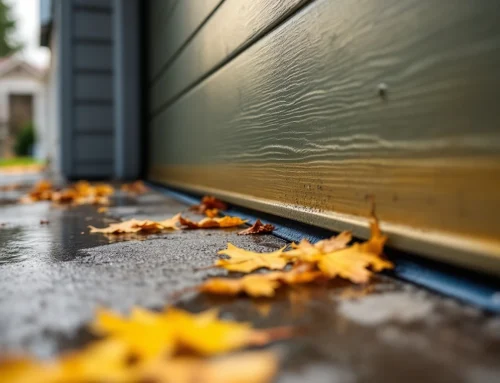
- Clean Door Tracks Thoroughly: Use a damp cloth and old toothbrush to remove dirt, leaves, and debris from the vertical and horizontal door tracks. When this debris gets wet during fall rains and hardens, it creates resistance points that throw your door off balance during freeze-thaw stress. Clean tracks allow smooth operation when cold weather causes metal contraction. This 15-minute task prevents misalignment that strains your opener motor.
- Test Your Door Balance: Disconnect your opener by pulling the red release cord and manually lift your door halfway. A properly balanced door stays in place when you let go. If it drops or rises, your springs need adjustment before cold weather adds contraction stress to already-imbalanced components. A balanced door prevents opener strain during winter when you need reliable access most. Contact Garage Harmony if your door fails this test.
- Lubricate Moving Parts: Apply cold-weather-rated silicone spray to hinges, rollers, and springs every October. Standard lubricants thicken when temperatures drop, creating stiffness that forces your opener to work harder or requires manual override attempts. Spray each hinge pin and roller axle, then operate your door twice to distribute lubricant evenly. This 20-minute task prevents mechanical strain that shortens component life.
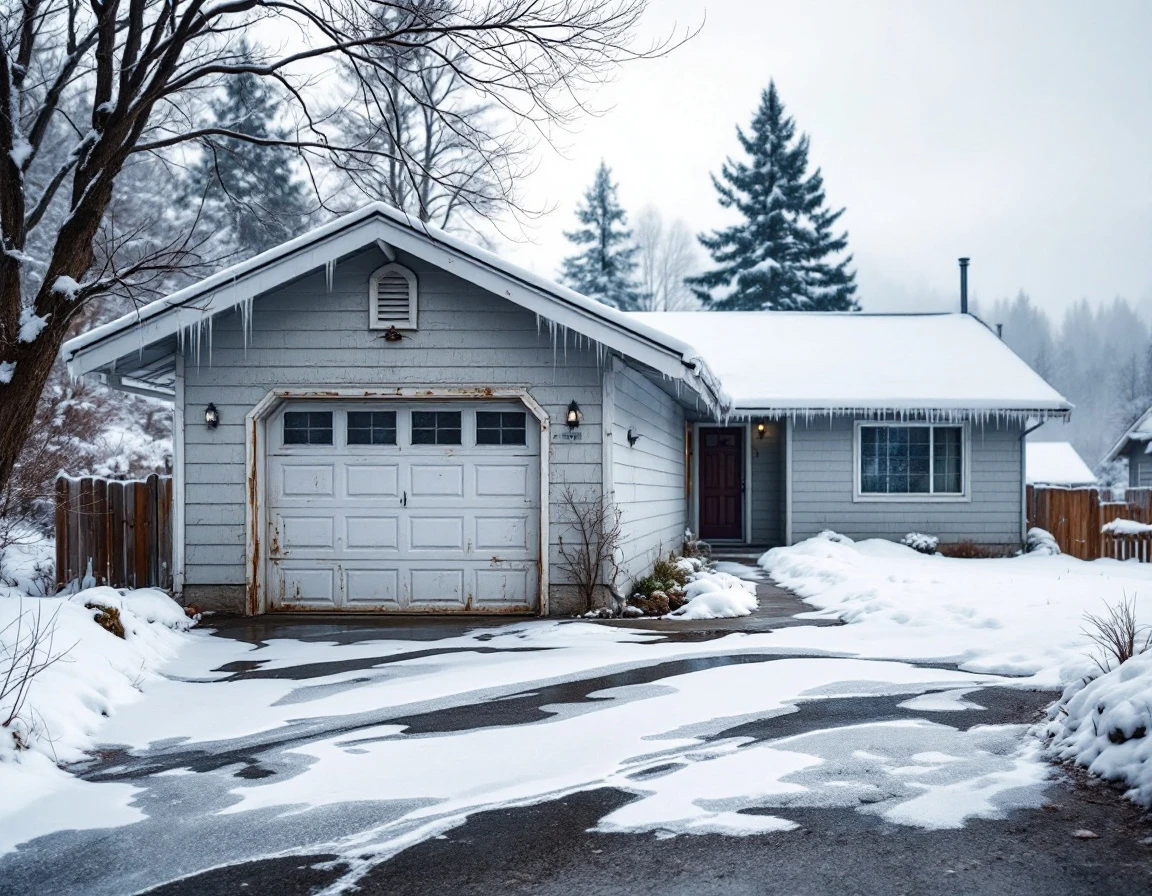
Weatherstripping Replacement
Inspect your garage door’s weatherstripping before Portland’s first freeze. Look for visible cracks, gaps where the seal has pulled away from the door frame, or sections that have become hard and brittle. If you see damage along the threshold, sides, or top of the frame, replacement is necessary—even small gaps allow ice water to seep in and freeze inside the door assembly, causing the door to bind or fail to open during emergencies.
Standard vinyl or rubber weatherstripping kits are widely available at local hardware stores and can be installed in an afternoon. Remove the old gasket by pulling it from the retaining groove along each section of the frame. Press the new material firmly into place, working in small sections to avoid stretching. Check for gaps at all four sides of the door opening—ice can infiltrate anywhere the seal isn’t flush against the frame.
After installation, close the door and visually inspect the seal from inside the garage. You shouldn’t see daylight through any gaps. This simple fall task protects emergency access for King City retirement homeowners without requiring extensive DIY experience.
Driveway Concrete Sealing
Water penetrates unsealed concrete and expands when frozen, creating cracks and heaving that block vehicle access to your garage. This freeze-thaw cycle repeats throughout Portland’s winter, turning small fissures into driveway obstacles that prevent emergency evacuation. A sealed driveway maintains reliable access all season, whereas damaged concrete forces expensive spring repairs or replacement.
Concrete sealer application is an affordable maintenance task that takes just a few hours of simple rolling or spraying. Pressure wash the surface, allow it to dry completely, then roll or spray the sealer using equipment available at any hardware store. No specialized tools required—just basic application skills retirement homeowners already possess.
Timing matters: seal your driveway in September or October, before heavy fall rains and freeze-thaw cycles begin. This single afternoon task protects your primary emergency access route, preventing the structural damage that turns a simple garage exit into an impassable obstacle when you need it most.
When to Call a Contractor
If your garage door doesn’t open and close smoothly after you’ve cleaned the tracks and applied fresh lubricant, you’re likely dealing with a spring tension issue or opener malfunction that requires professional diagnosis. King City homeowners can handle the five maintenance tasks we’ve covered, but spring replacement demands specialized tools and training—attempting it without proper equipment puts you at serious risk of injury.
Run a simple balance test before winter arrives: disconnect the opener and manually lift your door halfway. If it drifts up or down instead of staying in place, your springs are losing tension.
This isn’t a DIY repair. Spring failures accelerate during freeze-thaw cycles, and replacing them without the right winding bars and knowledge creates dangerous recoil hazards.
Check your door panels, frame, and foundation for visible cracks. Small surface cracks are normal wear, but anything that shows structural movement—like separating joints or buckling panels—needs contractor assessment before Portland’s winter stress makes things worse. These issues compound quickly once freeze-thaw cycles begin.
Finally, inspect your driveway concrete closely. Cracks wider than 1/4 inch or sections that have heaved upward indicate problems that sealing won’t fix. A contractor should evaluate whether you need filling, grinding, or partial replacement before you seal. Covering up major damage traps water underneath, making freeze-thaw expansion worse rather than better.
Emergency Access Action Plan
Reliable emergency access matters most when you need it least expected. In King City’s retirement community, testing your garage door’s manual operation during winter garage maintenance means that mobility challenges don’t become life-safety hazards during a power outage or freeze event. Locate the red emergency release cord hanging from your opener’s trolley, then pull it firmly to disconnect the door from the motor. The door should lift smoothly with moderate effort—if it binds, drags, or feels exceptionally heavy, your spring balance needs professional attention before winter arrives.
Complete this fall checklist in November, then revisit each spring after Portland’s freeze-thaw cycles end.
Clear gutters and downspouts by late October so meltwater flows away from your garage foundation instead of pooling and refreezing against door seals. Inspect your driveway approach for standing water in late fall—ice buildup blocks emergency vehicle entry even when the door itself functions perfectly. Document the manual release location and test its operation annually so caregivers and family members know exactly how to exit if electronic controls fail during an ice storm.
This single afternoon of preparation protects your investment and preserves the emergency access Portland’s freeze-thaw weather threatens most. When you understand how each component supports safe operation, winterization becomes a practical prevention measure rather than a costly spring repaircovery.

Leave A Comment