Tualatin Valley Fog & Winter Risk
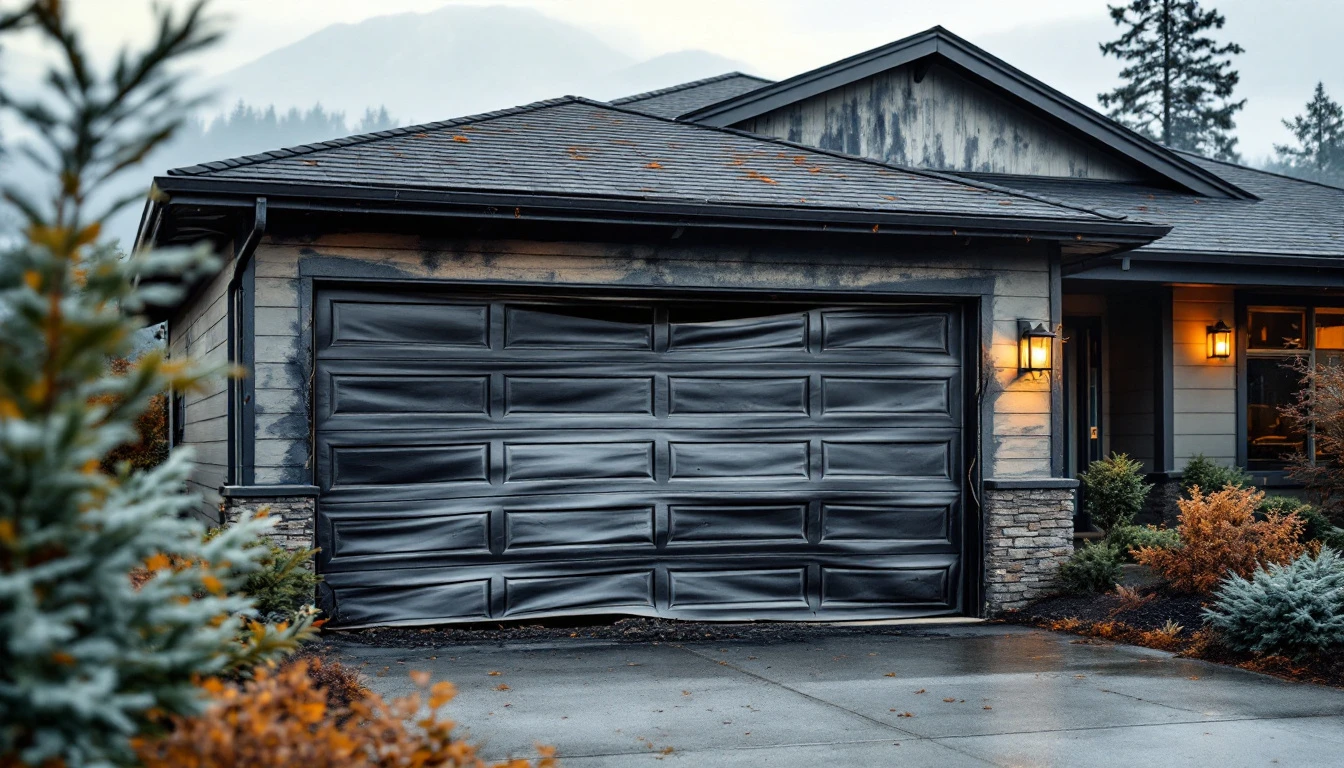
Dense fog blankets the Tualatin Valley floor from October through March, creating unique challenges for garage doors that make fall garage door maintenance Cornelius homeowners shouldn’t delay. Combined with early frost, this moisture accumulation threatens critical components and makes pre-winter preparation essential.
Cornelius sits on Tualatin Valley floor
Cornelius sits on the Tualatin Valley floor, where dense fog settles between October and March, creating persistent moisture buildup on garage door tracks, springs, and metal hardware. This moisture problem is compounded by early frost risk—freeze-thaw cycles repeatedly stress garage door springs, causing premature wear and potential failure.
Metal components expand and contract as temperatures fluctuate, weakening the coil tension in torsion springs and loosening mounting hardware over time.
Moisture Trapped in Tracks
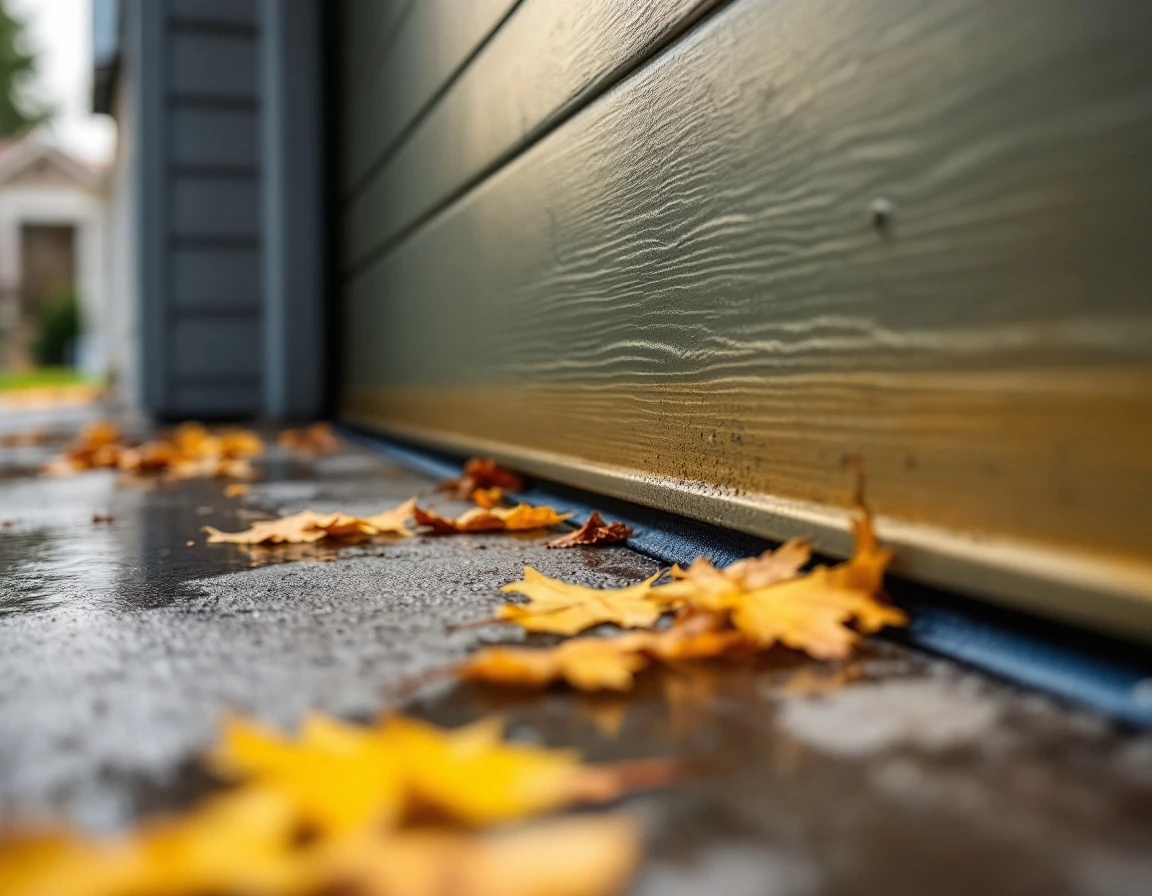
Water accumulation in garage door tracks and around weatherstripping creates the perfect environment for rust to form on metal components. In Cornelius, where dense fog persists through winter mornings, this moisture doesn’t evaporate—it sits on rollers, hinges, and track surfaces, slowly corroding critical parts.
The result? Unexpected emergency failures when you need your garage door most. Preventive fall maintenance stops these costly winter breakdowns before they happen, protecting both your door’s functionality and your wallet.
Weatherstripping Inspection & Replacement for Winter Fog
Weatherstripping is your first line of defense against Cornelius’s October-through-March fog season. As moisture-laden air settles across the Tualatin Valley floor, worn weatherstripping allows that fog to seep directly into your garage, where it condenses on metal door components and settles onto vehicles and stored belongings. Garage door weatherstripping Tualatin Valley residents rely on degrades from constant exposure to valley moisture, creating gaps that invite the very conditions that trigger frost damage and rust buildup.
How do you know if your weatherstripping needs replacement? Walk around your closed garage door and look for the following signs:
- Visible cracks in the rubber
- Compression loss where the strips no longer spring back when pressed
- Gaps at the door edges where light shines through
- Flattening or tears on the bottom seal
- Water marks on your garage floor near the door perimeter signaling moisture infiltration
Fall timing matters here. Replacing weatherstripping before the October fog season arrives means you’re sealing out moisture before it starts accumulating on springs, cables, and tracks. The installation itself is a manageable DIY project for most homeowners—peel off old adhesive-backed strips and press new ones into place along the door perimeter and bottom. For professional installation with custom-fit strips and guaranteed sealing, our team can complete the job quickly while maintaining proper compression along the entire door frame.
Beyond protecting your garage from moisture damage, proper weatherstripping reduces heating costs by preventing cold air infiltration and keeps frost from entering the space during those clear, cold valley nights when temperatures drop below freezing.
Spring Inspection for Frost Protection
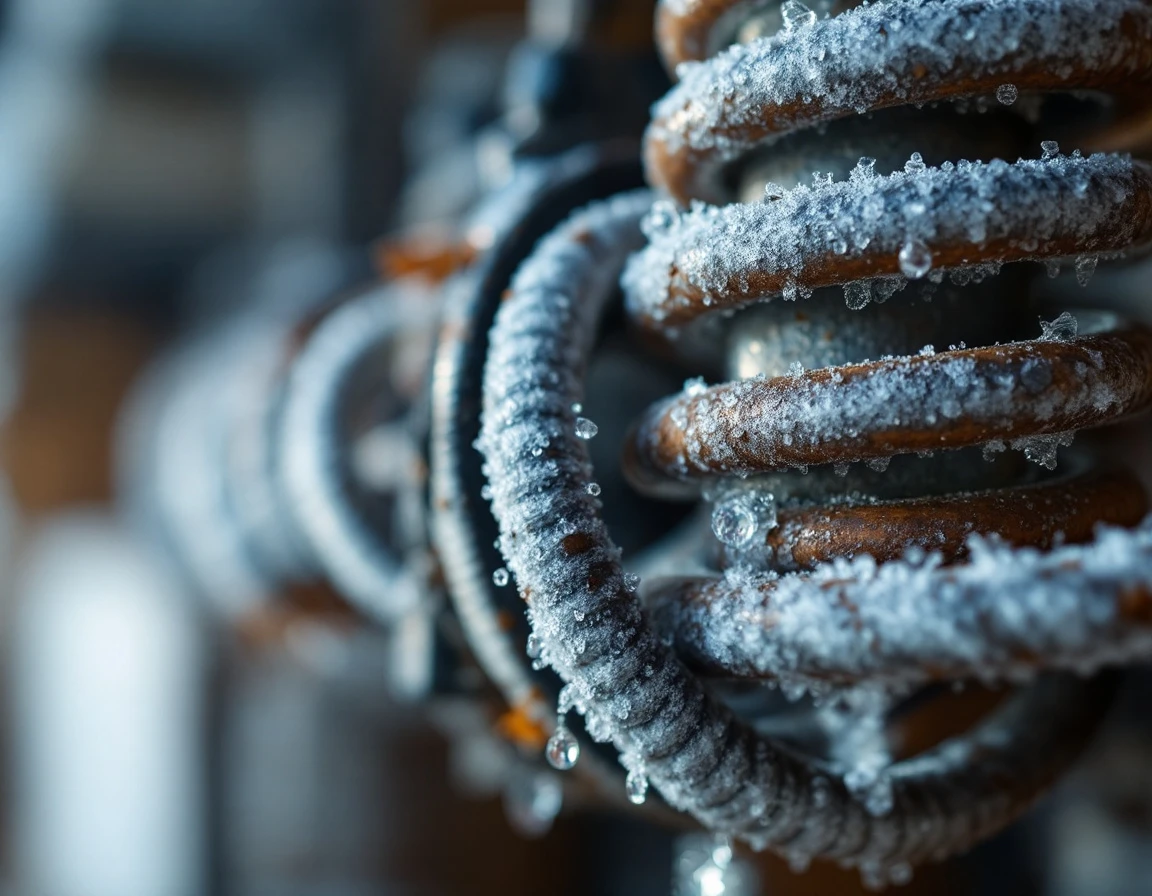
After sealing moisture entry points with new weatherstripping, your second fall task targets the components most vulnerable to Tualatin Valley’s freeze-thaw cycles: your garage door springs. October through March fog creates persistent moisture on metal surfaces, and when temperatures drop below freezing—common in Cornelius’s early mornings—that moisture accelerates corrosion on springs already under constant tension. Spring inspection garage door frost protection during fall prevents winter emergency calls.
What should you look for during a fall inspection? Surface rust appears as orange or reddish-brown spots, particularly near the center coil where moisture tends to collect. Color changes from silver-gray to darker tones signal oxidation. Check for visible gaps between coils or any areas where the spring coating appears cracked or flaking. Watch your door’s movement when you open it manually—if it feels heavier than usual, drops quickly when you release it, or opens unevenly on one side, your springs have likely lost tension.
Here’s the critical safety point: spring replacement requires professional expertise. Springs store enormous energy under tension, and releasing that tension incorrectly can cause serious injury.
When you spot rust or performance changes during your fall inspection, contact Garage Harmony before winter arrives. This preventive assessment catches problems before they become emergency service calls during January ice storms.
Track Cleaning & Condensation Prevention
Your garage door tracks accumulate more than just dust in Cornelius’s fall season. Leaves, dirt, and organic debris from October rains settle into the metal channels where your door rollers travel. When Tualatin Valley fog rolls in during early morning hours, moisture condenses directly onto these metal surfaces. Garage door moisture damage prevention starts with track cleaning—debris trapped in tracks acts like a sponge, holding water against the metal and creating ideal conditions for rust formation.
This rust doesn’t just look bad. It causes your door to bind, grind, and eventually stop moving smoothly. Corroded tracks force your opener motor to work harder, accelerating wear on both the opener and the door itself. In severe cases, rust can cause the door to stick completely, leaving you trapped inside or locked out during a winter morning commute.
Clean your tracks before October fog density increases. Use a stiff brush to scrub out accumulated debris, then vacuum the channels thoroughly. Wipe down the metal surfaces with a garage-door-safe cleaner to remove any moisture-trapping residue. After cleaning, apply a silicone-based lubricant to the tracks. This lubrication creates a protective barrier that repels moisture infiltration and reduces friction between rollers and metal.
This September-to-early-October maintenance window matters because it addresses contamination before fog season intensifies. Clean, lubricated tracks resist the moisture damage that causes emergency failures during winter months when you need reliable garage access most.

DIY vs. Professional Maintenance Checklist
Before October’s fog settles over Cornelius, homeowners should complete three tasks as part of their fall garage door maintenance Cornelius routine:
- Weatherstripping replacement is DIY-friendly when you purchase materials rated for Pacific Northwest moisture conditions and follow manufacturer installation instructions. This weekend project requires basic tools and attention to detail, making it accessible for most homeowners.
- Spring inspection and replacement demand professional expertise. Garage door springs store tremendous mechanical energy and require specialized tools to safely adjust or replace. What looks like minor corrosion from September fog can indicate structural weakness that leads to sudden failure. Professional technicians trained to work with Tualatin Valley conditions recognize early warning signs that homeowners might miss.
- Safety-critical tasks like spring work, opener function testing under load, and cable tension adjustments require training and proper equipment. Professional service includes warranty coverage and guarantees that work meets manufacturer specifications for your specific garage door system.
Your September-October checklist should address all three tasks before dense morning fog becomes regular. Professional technicians understand how Cornelius’s microclimate affects metal components and can assess frost risk based on your property’s elevation and exposure. Contact Garage Harmony today to schedule your fall maintenance inspection and learn how to prepare garage door for winter fog, protecting your garage door operation safely through winter.