

Commercial Traffic Wear on Driveways in La Center
Properties near La Center’s card rooms and casino venues face unique challenges from driveway damage in commercial zones caused by constant commercial vehicle traffic, exhaust deposits, and road treatment chemicals. Understanding how driveway wear and vibration from exhaust and salt spray impact your garage system helps you plan preventive upgrades before peak traffic season arrives.
Card room and casino venues generate sustained
Properties near La Center’s card room and casino experience relentless vibration from commercial traffic patterns that differ sharply from typical residential neighborhoods. The constant flow of vehicles — arriving patrons, delivery trucks, and service vehicles — creates cumulative stress on driveway surfaces and garage door hardware that accelerates wear on springs, rollers, and track assemblies.
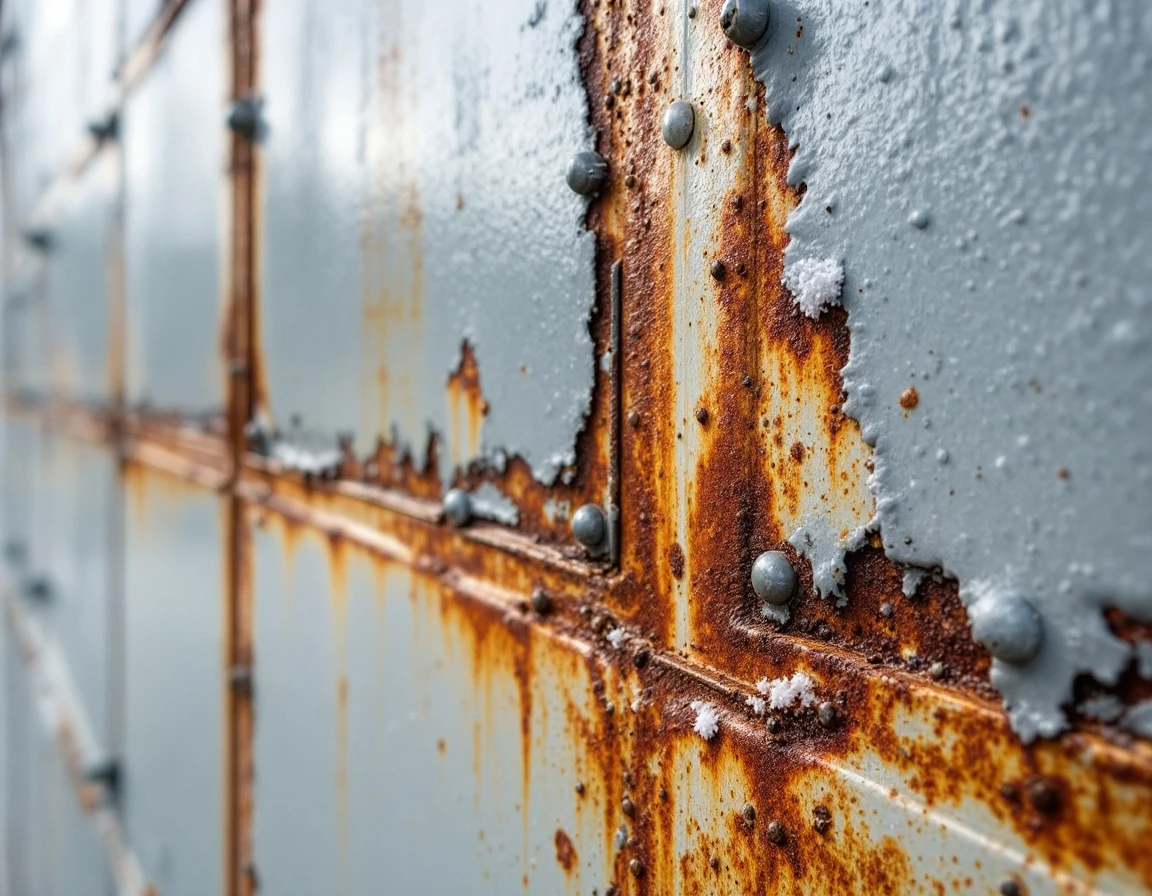
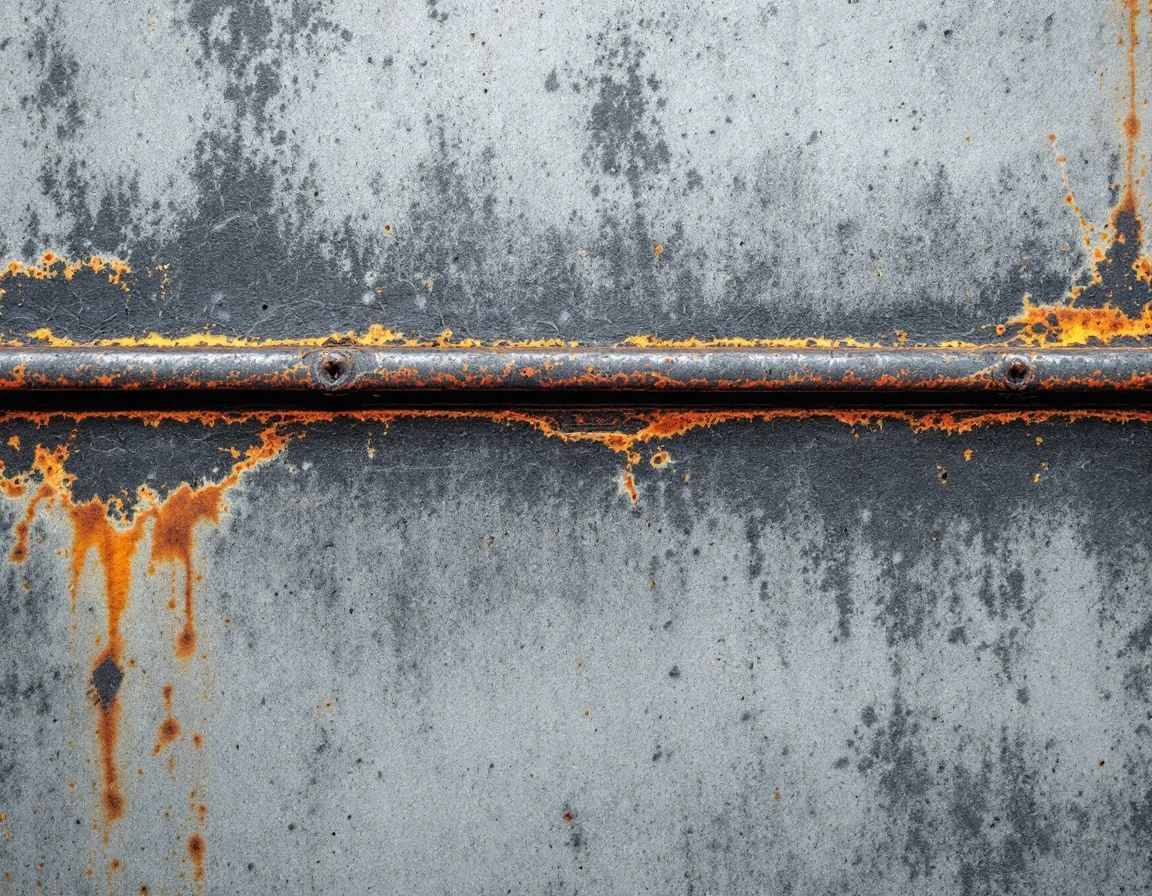
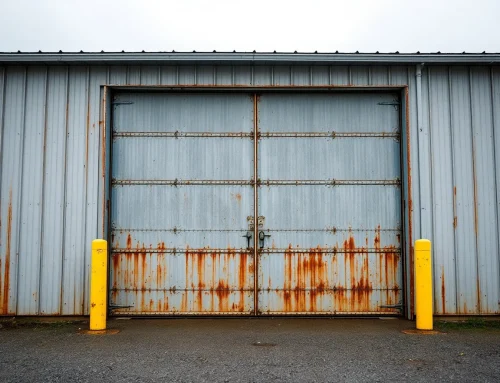
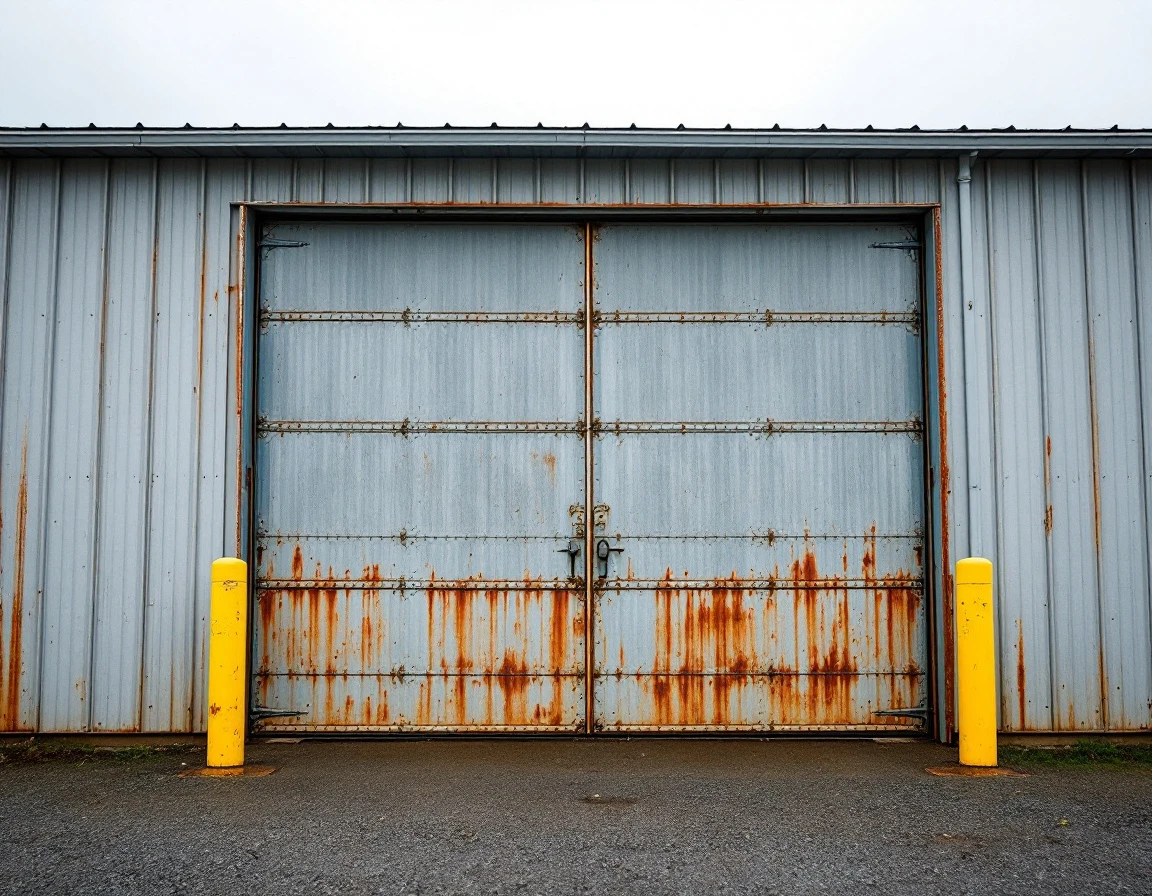
Exhaust emissions from idling vehicles and salt spray during winter de-icing operations introduce corrosive compounds that attack metal garage components. Metal parts like hinges and tracks rust faster when exposed to exhaust and salt spray. You’ll want to upgrade to corrosion-resistant hardware—the same type used in parking garages—to prevent premature failure.
Proximity to high-traffic commercial zones
Your garage system faces double stress. Standard Pacific Northwest weather combines with constant vibration from commercial traffic to accelerate wear. Heavy vehicles constantly shake your garage door while salt spray corrodes metal parts—this combination speeds up damage that would normally take years.
Watch for visible settling around door frames, track misalignment, and rust blooms on springs and hardware as warning signs of accelerated damage. These indicators often appear within three to five years on standard residential systems exposed to commercial zone conditions, requiring earlier replacement than typical suburban installations.
Heavy-Duty Garage Door Opener in High Traffic Areas
Your standard garage door opener wasn’t built for this. Residential motors fail quickly under constant vibration from commercial traffic. High-traffic areas need commercial-grade openers engineered for heavy, continuous use. A garage door opener designed for high traffic areas solves this problem—openers built for commercial operation handle the stress residential units cannot.
Belt-drive systems deliver the quietest performance in high-vibration environments. These units feature reinforced motor housings and shock-absorption mounts that isolate internal components from external vibration transmission. Screw-drive systems offer exceptional durability with fewer moving parts—a single threaded steel rod lifts the door with minimal maintenance requirements over years of service. Commercial-grade chain-drive alternatives incorporate heavier gauge chains and reinforced trolleys that resist vibration-induced loosening better than residential counterparts.
Why do belt-drive and screw-drive openers work better near commercial zones? They handle vibration better. Belt systems naturally absorb shaking, while screw-drive spreads the load evenly instead of concentrating it in one spot like chain systems do. Reinforced motor housings prevent internal component misalignment, extending operational lifespan from typical residential ranges into commercial territory.
Commercial-grade openers run $600–$1,200 installed in north Clark County. Most installations take one to two days. Including reinforcement for vibration-isolation mounting. For detailed guidance on maintaining these systems once installed, explore our complete opener maintenance resources.
Reinforced Garage Panels for High Traffic Residential Areas
Standard garage door panels aren’t thick enough for heavy commercial traffic. They buckle and warp under constant vibration from passing trucks and delivery vehicles. Upgrading to 24-gauge or 20-gauge steel panels creates a thicker barrier that resists denting and warping when repeated exhaust pulses and ground vibration impact the door surface. These heavy-duty garage door panels for high traffic areas maintain structural integrity through thousands of traffic cycles that would compromise thinner materials.
Insulated panels work harder in high-traffic zones. The foam absorbs shock waves from passing vehicles and blocks heat from exhaust—so your garage stays protected and more comfortable. This insulation layer reduces heat transfer that can warp unprotected metal over time.
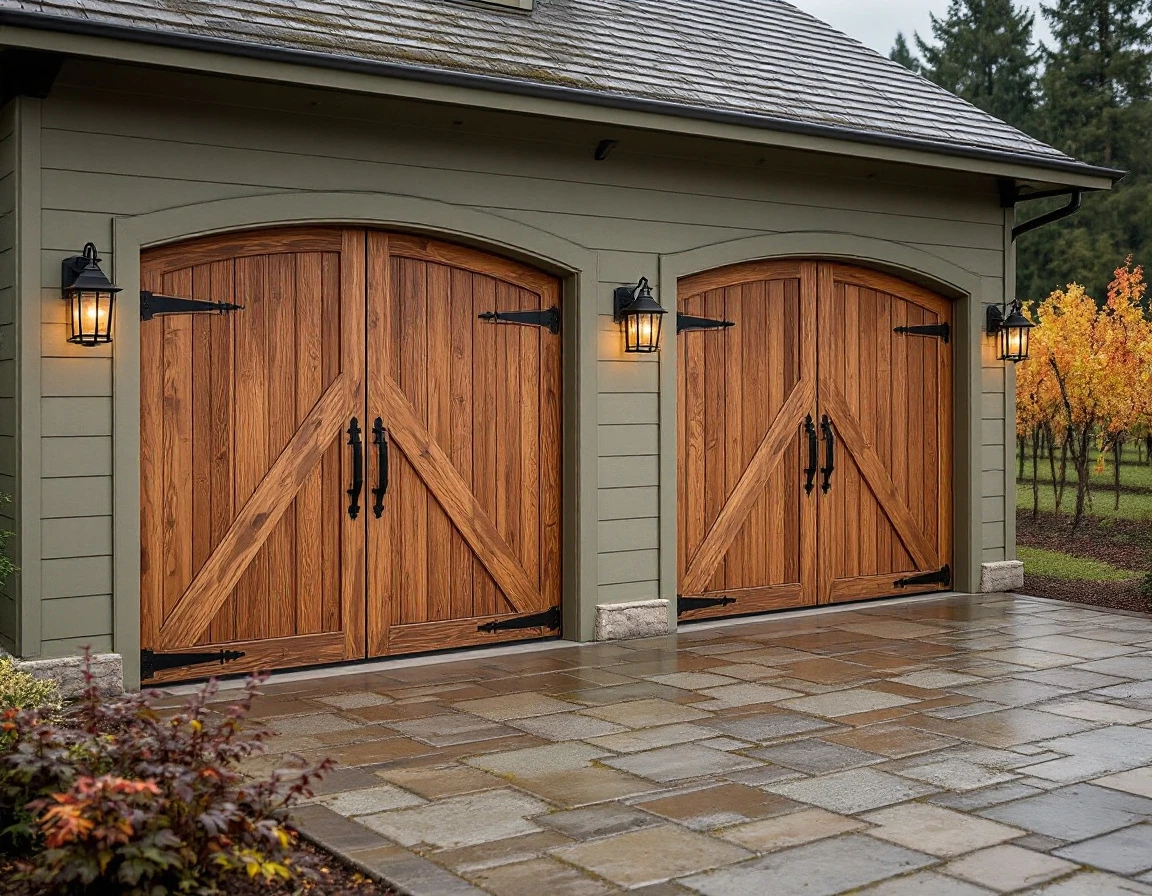
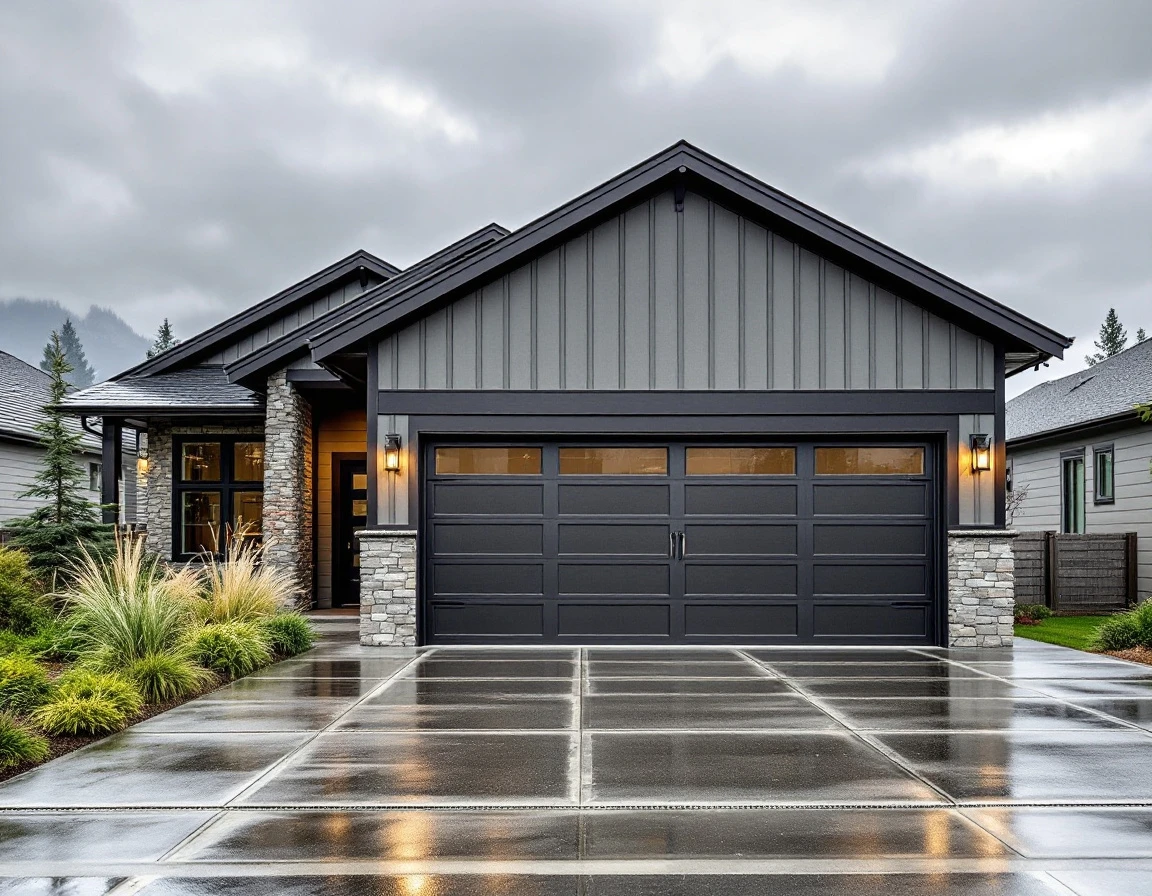
For Pacific Northwest weather, composite and metal-reinforced panels resist rust better than plain steel while staying durable. These materials withstand the wet climate and salt spray from winter road treatments without developing the rust patterns common on bare steel. Full door replacement typically costs $1,500 to $3,000 depending on panel material and door size, with most installations compatible with existing opener systems when the motor has adequate horsepower for the heavier panel weight. The visual upgrade also enhances curb appeal, with modern panel designs that complement both older La Center homes and newer developments.
Professional-Grade Weatherstripping for Commercial Environments
Does your garage door seal tightly against exhaust and road spray? Properties near casinos and card rooms need weatherstripping that handles serious exposure. Heavy-duty weatherstripping blocks exhaust fumes, salt spray, and water that damage your garage in high-traffic zones.
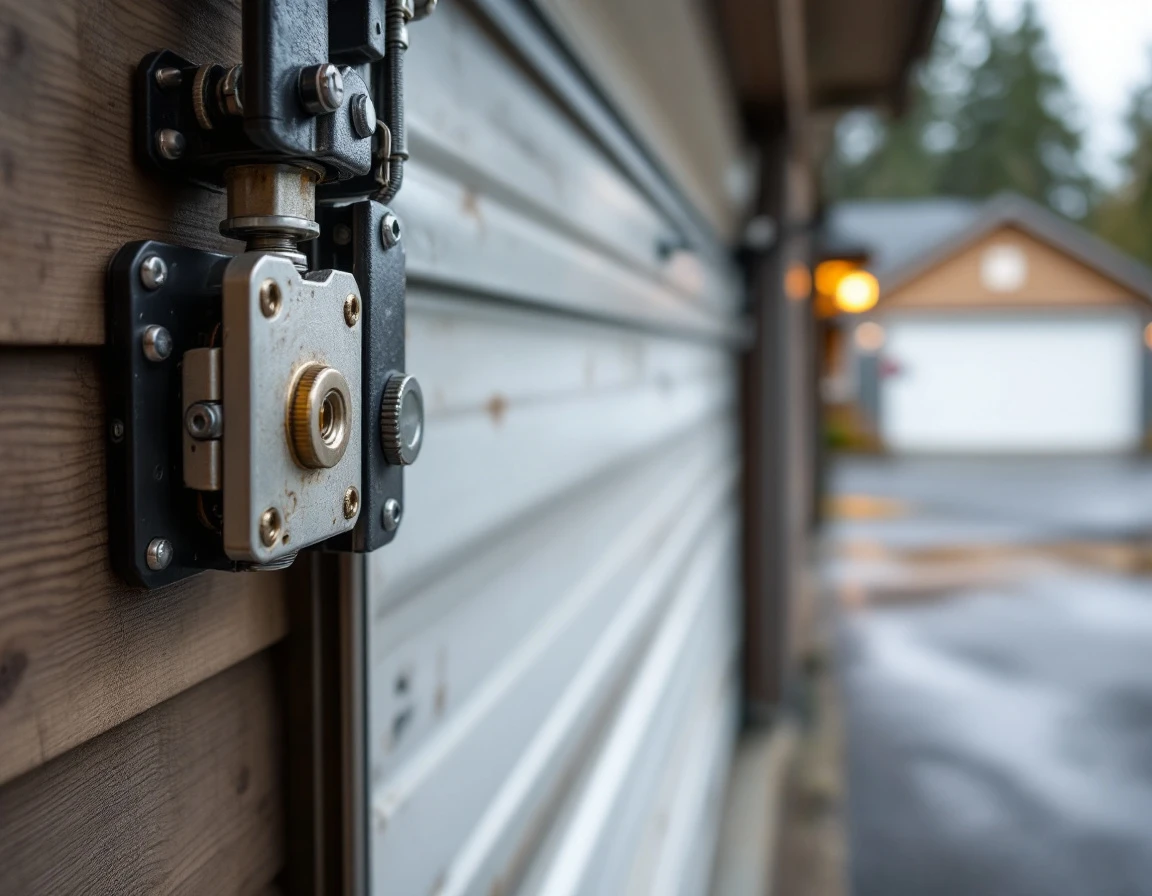
Heavy-duty rubber and silicone weatherstripping resist salt spray and cracking better than standard vinyl. These materials stay flexible through wet Pacific Northwest winters and handle harsh chemicals from vehicle exhaust. Neoprene rubber is equally tough and resists gas and oil spills near parking lots.
Dual-strip and triple-strip configurations create redundant barriers against exhaust infiltration and road spray. These layered systems seal gaps at multiple contact points, preventing commercial-zone contaminants from entering garage spaces even as individual strips wear over time.
Plan for replacement every one to two years in high-traffic areas. Installation and material costs typically range from $200 to $500 per door, depending on configuration complexity. Regular replacement intervals prevent air leaks and water intrusion that compromise thermal efficiency and expose metal components to corrosive road spray.
Cost Ranges and Installation Timeline
Understanding what you’ll invest—and when—helps you plan upgrades before peak traffic season. Heavy-duty opener systems typically cost $600–$1,200 installed, with most projects completed in one to two days. Reinforced panel door replacement runs $1,500–$3,000, requiring three to four days for fabrication and installation. Professional weatherstripping installation costs $200–$500 and is usually finished the same day.
For commercial driveway protection and garage system upgrades near north Clark County commercial zones, combined system upgrades range from $2,500–$4,500. This bundled approach often includes volume pricing and coordinated installation. Most manufacturers provide 5- to 10-year warranties on commercial-grade components, with extended coverage available for properties in high-traffic areas.
Why schedule in June? Completion before July and August means your system is ready before casino traffic peaks during summer. North Clark County contractors typically have better availability in early summer compared to fall when emergency repair calls increase. The return on investment comes through extended component lifespan and fewer emergency service calls—commercial-grade systems handle stress that would require repeated residential-grade repairs.
Ready to protect your garage? Contact Garage Harmony today! Our team will assess your property and create a customized upgrade plan for your specific traffic conditions.
Assessment and Replacement Strategy
Before summer brings peak casino traffic to La Center, walk through a simple visual inspection of your garage system. Check your driveway for settling near the garage threshold—uneven pavement creates alignment stress as doors cycle. Examine panels for rust spots, especially along bottom sections exposed to road spray. Listen during operation: grinding, squealing, or motor hesitation signals worn components struggling under load.
Does your opener strain during busy traffic hours when vibration from passing vehicles adds stress? That’s your first upgrade priority. Motor replacement prevents mid-summer failures when commercial activity peaks. If more than 25 percent of your door surface shows corrosion or denting from debris impact, panel replacement becomes urgent—compromised structural integrity accelerates failure under vibration stress.
You don’t have to fix everything at once. Start this spring with a new opener and weatherstripping—then upgrade to reinforced panels when your budget allows. We can help you prioritize what matters most for your situation. A professional inspection catches problems you’d miss—like track alignment drift or hidden wear. Garage Harmony offers free inspections that identify damage before failure happens, saving you from expensive emergency repairs.

Leave A Comment