Tourism Economy & Curb Appeal
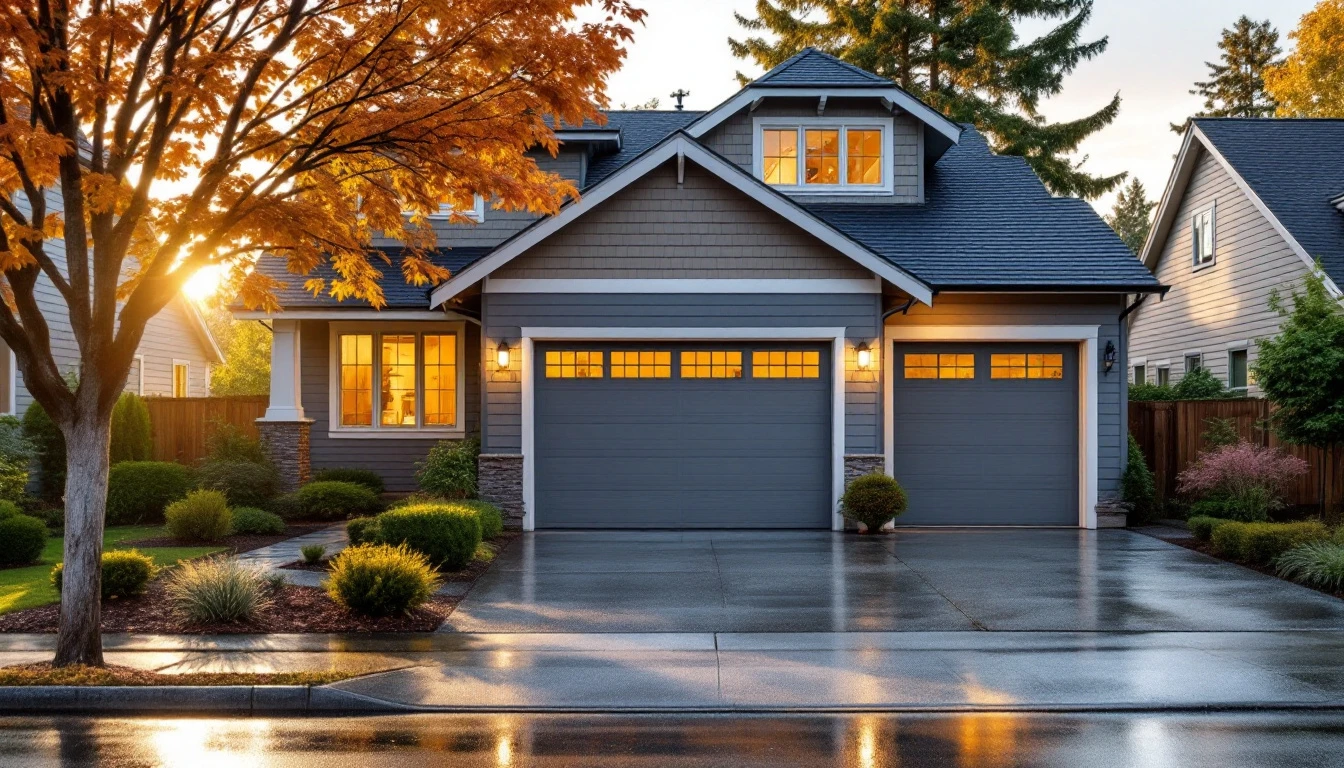
If you own a wine estate or tasting room in McMinnville, you know that guests form their first impression the moment they arrive. Your garage door plays a bigger role in that impression than you might think—it signals whether your property is well-maintained and trustworthy.
McMinnville’s June-September Tourism Season
Summer brings peak tourism season to wine country. Thousands of guests visit McMinnville between June and September. Your garage door is part of their first impression—and that matters for your business.
Your property photos get used all year long, even after tourism season ends. That means your garage door needs to look good when peak season arrives. Guests see those photos online and form expectations before they ever visit.
Curb Appeal ROI for Hospitality Properties
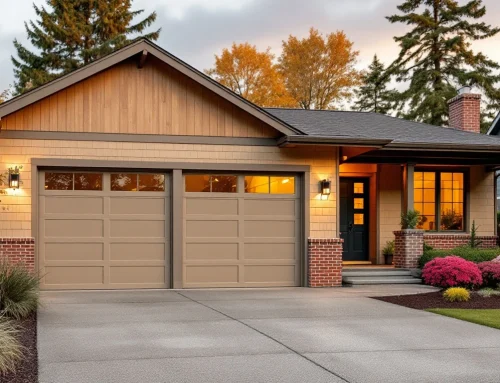
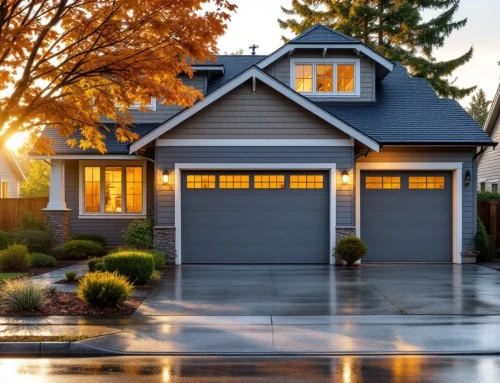
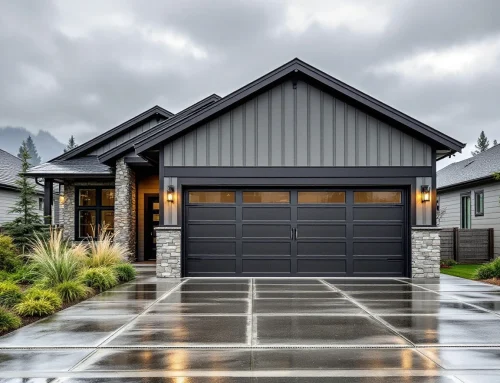
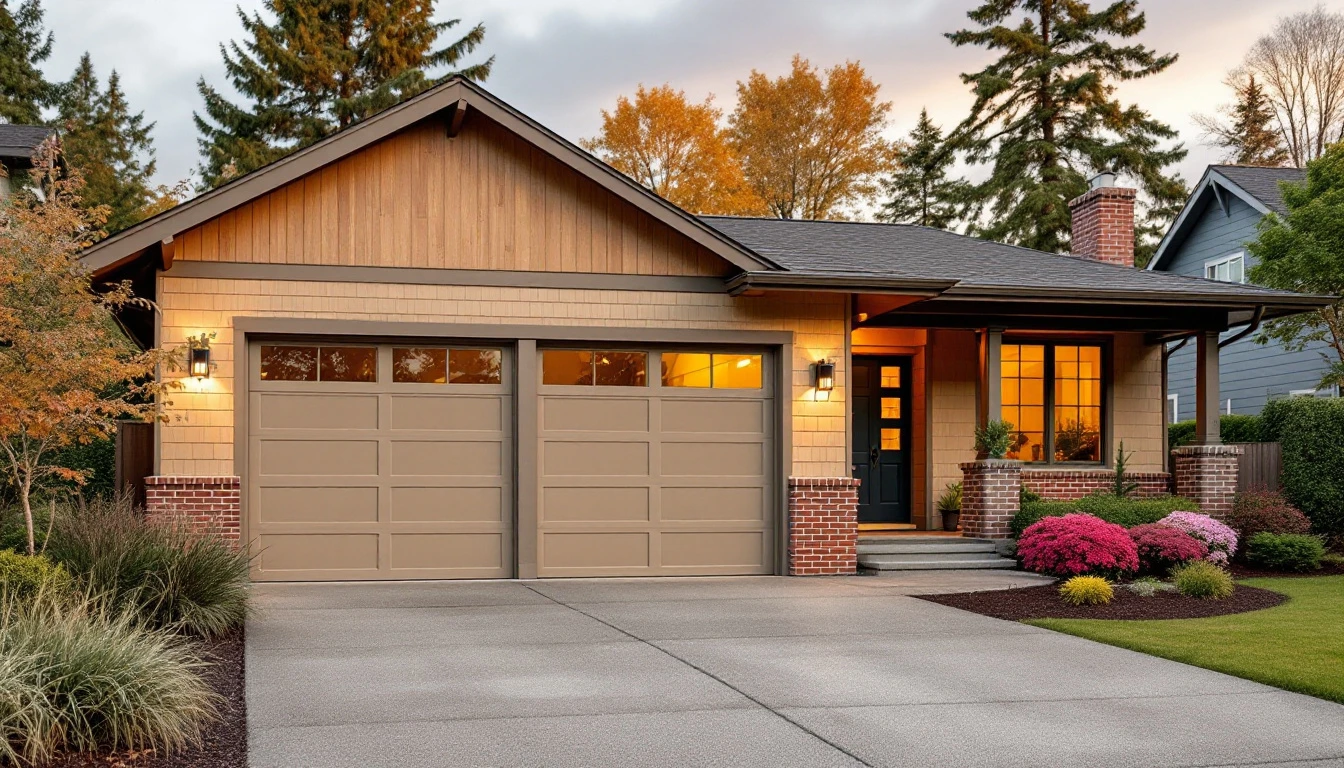
A new garage door is a smart investment for your wine estate. It competes directly with landscaping and entry features in terms of curb appeal value. Why? Because guests notice everything during their first visit. Every detail—including your garage door—signals whether your property is well-maintained and worth recommending.
Wine country estates with cohesive architectural presentation—where premium garage doors, entry features, and building facades share consistent design language—command measurable valuation advantages compared to properties with mismatched elements. This premium reflects how hospitality properties are valued not just as structures, but as complete brand experiences that influence guest satisfaction and repeat visits.
Wine Country Architecture Standards & Architectural Garage Doors
McMinnville’s wine estate properties showcase three dominant architectural styles that define the Willamette Valley aesthetic:
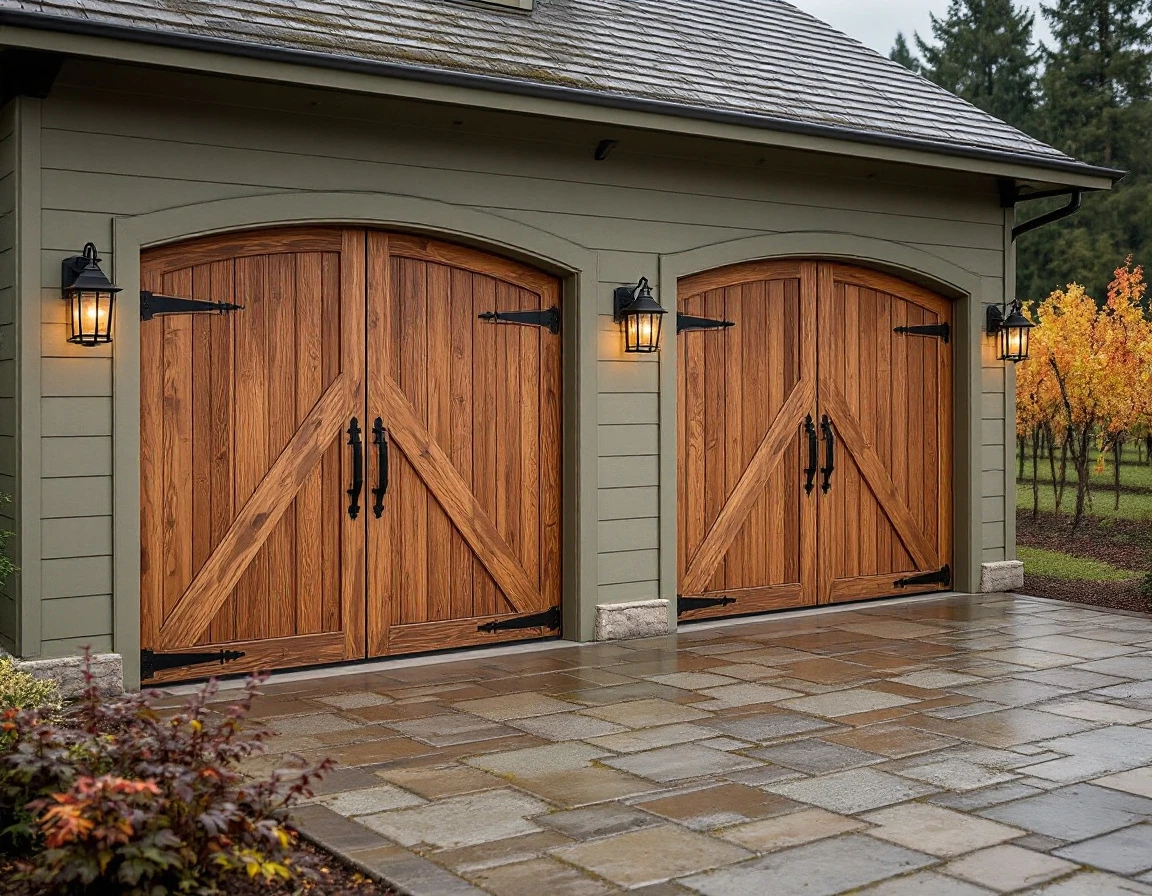
- Craftsman homes feature natural wood accents and exposed beam details
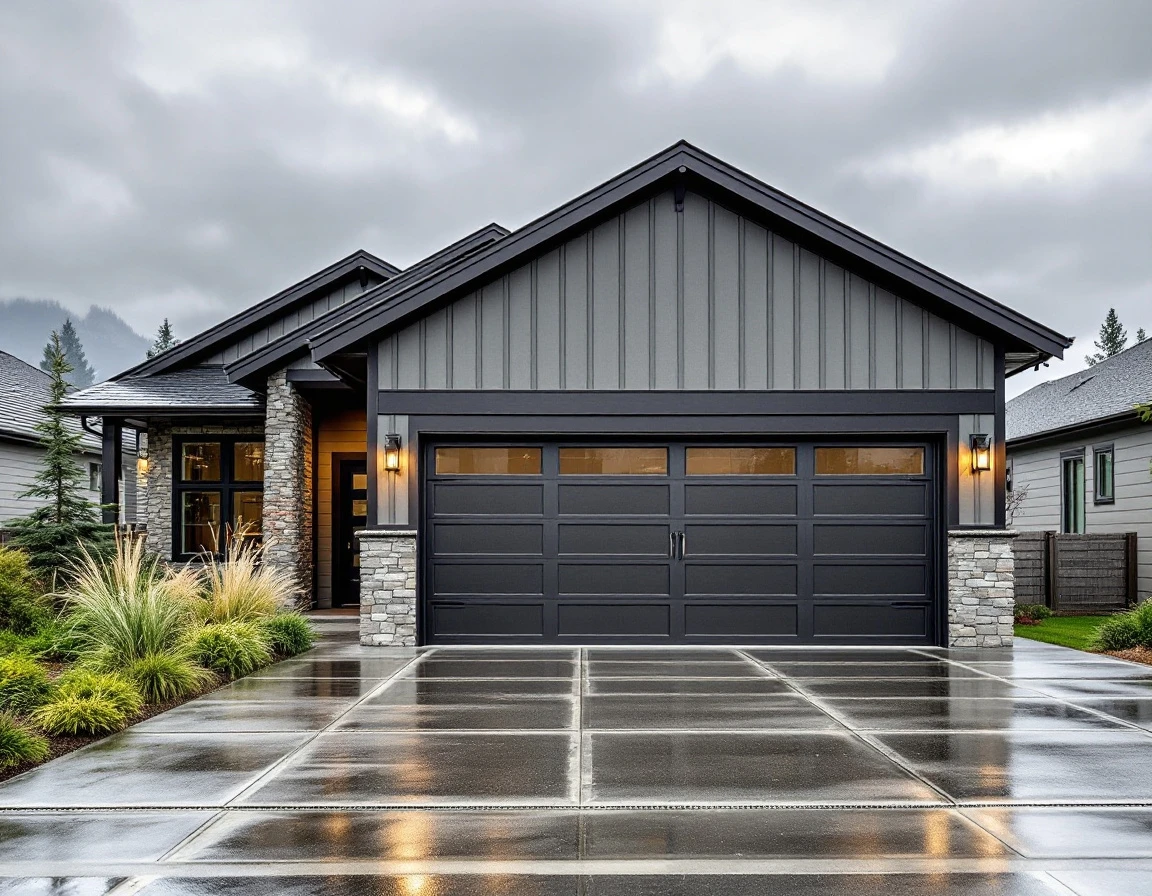
- Contemporary estates use clean lines with metal and glass elements
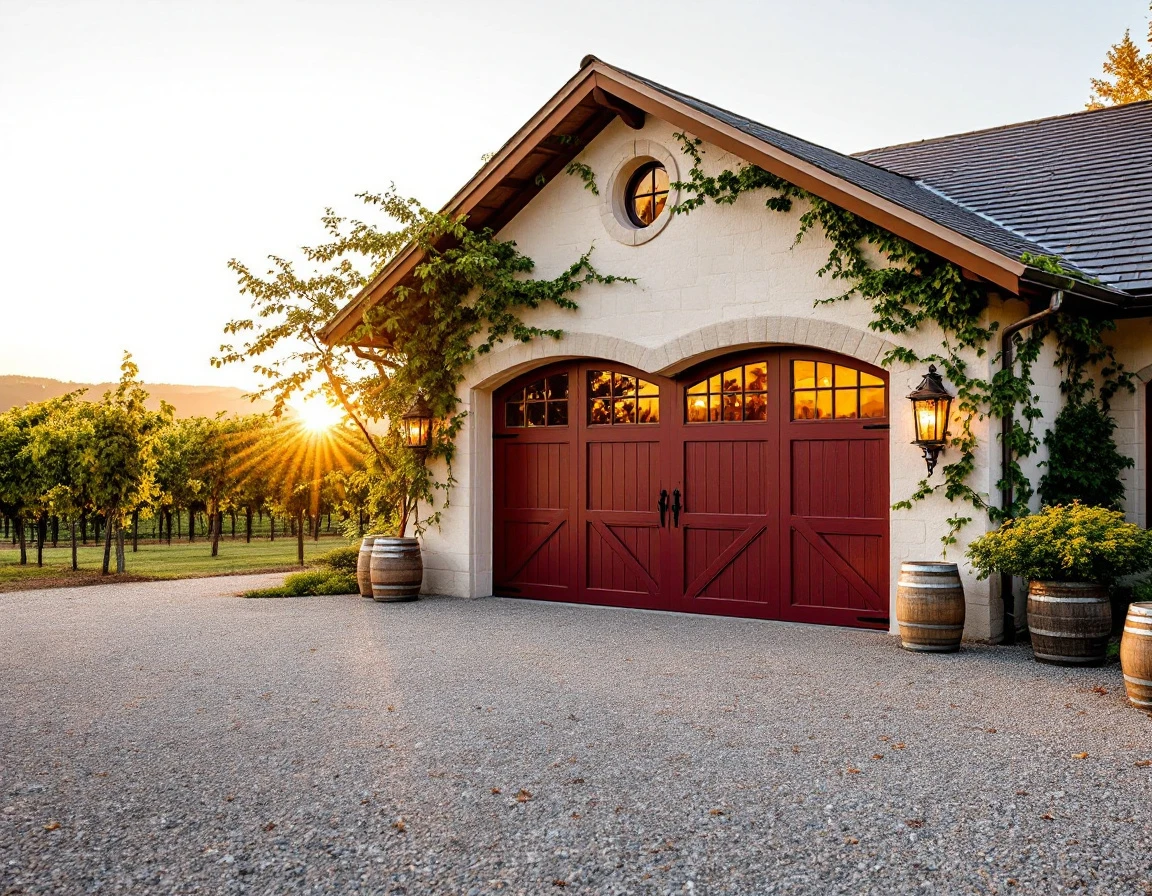
- Heritage Tuscan-influenced properties incorporate stucco, tile roofing, and arched entryways
Each style demands specific architectural garage doors Oregon wine tourism projects require to maintain authenticity.
Carriage-house doors complement craftsman estates through wood-panel construction and decorative hardware that mirrors the home’s heritage details. Modern steel doors with horizontal ribbing and powder-coat finishes align with contemporary vineyard architecture. Wood composite doors deliver authentic timber appearance with weather resistance that withstands Oregon’s humidity cycles during harvest season.
Standard residential garage doors with vinyl panels and basic hardware undermine property presentation at tasting room facilities where guests form first impressions within seconds of arrival. Premium finishes create architectural cohesion between the main structure and outbuildings. Wine storage facilities and equipment barns benefit from insulated steel systems that provide temperature stability while maintaining visual continuity with estate architecture.
Commercial-grade garage door systems combine architectural authenticity with operational durability. Tasting room properties require weather-sealed bottom sections that prevent moisture intrusion during Oregon’s wet winters. Corrosion-resistant hardware extends system lifespan in environments where harvest-season humidity accelerates metal degradation. These material choices protect investment value while supporting the polished aesthetic that wine country hospitality properties require.
Harvest Season Weather & Performance
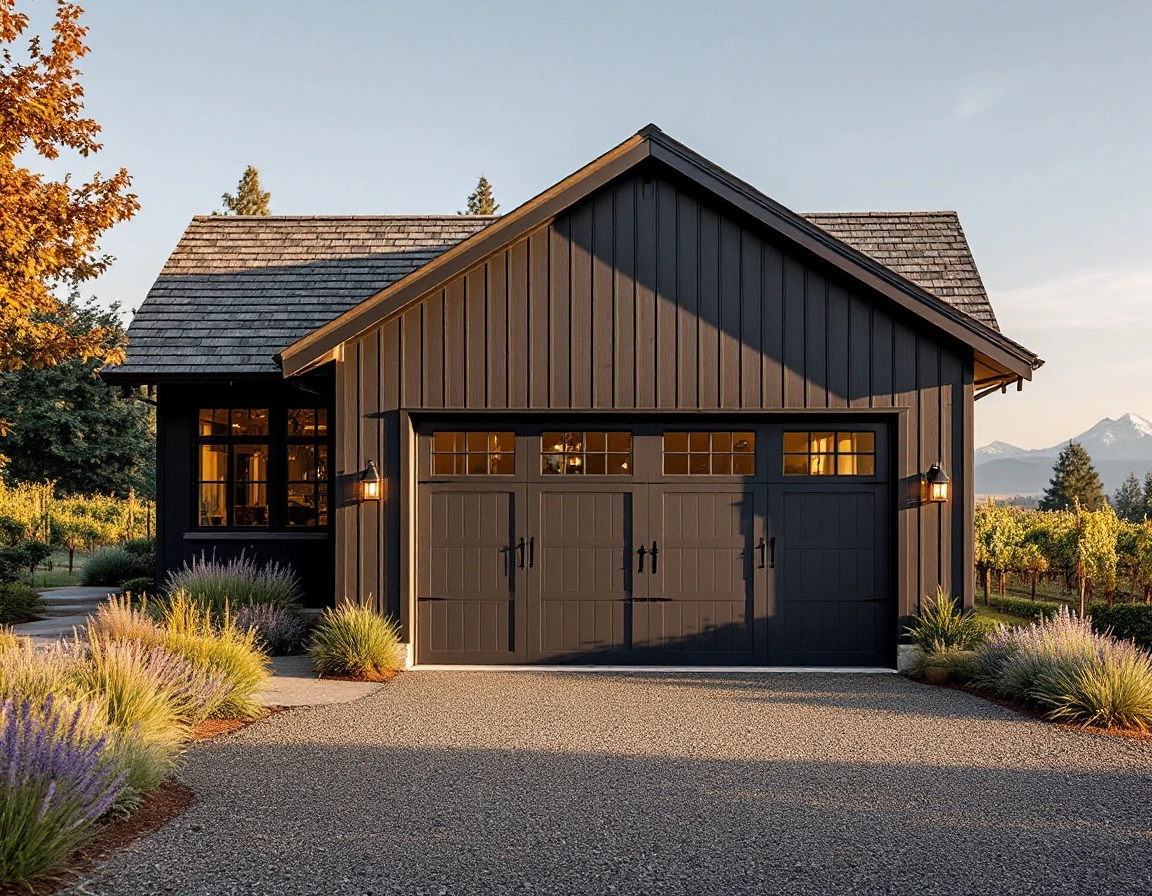
Oregon’s wine country experiences dramatic environmental shifts between June and September. McMinnville-area properties endure temperature swings from 55°F morning fog to 95°F afternoon heat, punctuated by humidity spikes and occasional heavy rain that challenges even well-maintained structures. For tasting room properties hosting peak-season visitors, weather-resistant garage doors must perform with flawless reliability during peak visitation.
Wood and composite garage doors face particular stress during harvest season humidity fluctuations. Without proper weather-resistant seals and adequate insulation, moisture penetration leads to warping, seal failure, and operational downtime precisely when estates need flawless functionality.
Steel doors with weatherstripping work better. They resist moisture and won’t warp like wood can during humid months.
Weatherproofing matters because Oregon’s weather is unpredictable. You want insulation that keeps temperature swings from stressing your equipment. Look for doors with good seals and drainage channels to keep rain out during wet months. Think of it as insurance against the elements. R-value ratings indicate thermal performance—higher values reduce interior temperature fluctuations that stress stored equipment and climate-controlled wine storage areas.
A broken garage door during peak season is a disaster. Guests notice. They wonder if other parts of your property are neglected. A weather-resistant system prevents this. It’s insurance against the problems that hurt your reputation and your bookings.
ROI Benchmarking for Hospitality
A premium garage door upgrade typically runs $4,500 to $12,000. The cost depends on what you’re upgrading—a single wine storage door costs less than multiple carriage doors across the property. Let’s talk about what makes sense for your situation.
These upgrades deliver measurable returns through property valuation increases. Curb appeal investments—including premium garage doors McMinnville properties install—consistently return 60-75% of project costs when wine country homes appraise or list for sale. For commercial hospitality properties in McMinnville’s competitive tourism market, this valuation impact translates directly to booking performance.
Here’s what we know: guests book properties that look well-maintained. When they’re browsing listings for their wine country trip, a polished garage door can be the difference between them clicking to learn more or scrolling past.
Savvy wine estate operators track specific KPIs to measure this impact: property inquiry rates, booking conversion percentages, and guest review sentiment tied to arrival experience. Properties photographed during June-August peak season with upgraded architectural elements capture the attention of travelers planning fall harvest visits and winter wine country getaways. The financial case becomes clear when year-round marketing materials showcase cohesive wine country aesthetics that justify premium pricing throughout your booking calendar.
Material Selection for Wine Estates
Your material choice matters for two reasons. First, guests notice the finish. Second, Oregon’s weather is tough on garage doors. You need something that looks great and holds up.
Wood Doors: Heritage Aesthetic Premium
Solid wood doors deliver unmatched visual warmth for heritage properties and boutique tasting rooms. They complement historic farmhouse architecture and rustic wine country charm perfectly. But here’s the catch: wood needs seasonal sealing. You’ll spend time protecting it from moisture during wet months.
Wood works best for low-traffic heritage properties where aesthetic priority outweighs maintenance tolerance. If your estate hosts fewer than three events weekly, wood’s beauty may justify the upkeep commitment.
Composite and Engineered Wood: Commercial Durability
Composite doors give you the best of both worlds. They look like real wood but resist warping during temperature swings. You won’t need constant seasonal maintenance. They photograph well too, which is a bonus.
Engineered wood offers the ideal balance for active tasting rooms: durability meets visual appeal without constant seasonal attention.
Insulated Steel with Specialty Finishes
Steel doors are flexible. You can get wood-grain textures or custom colors. They stand up beautifully to Oregon’s weather. If you use your garage for wine storage or guest space, insulation keeps temperature stable.
Steel doors can connect to smart systems. You can monitor them remotely and track who’s accessing the door. That helps during busy weekends when you’re juggling multiple guests.
Matching Materials to Your Needs
Think about your needs. How many guests do you host weekly? High-traffic tasting rooms need composite or steel for durability. Boutique estates might choose wood for its heritage look—just be ready for seasonal maintenance.
Summer Installation & Next Steps
Want to get your garage door ready before peak season? Mid-June is a good target so you’re all set by July. Reach out to us today to talk about what makes sense for your property and schedule your installation.
Why does professional installation matter? Commercial properties have higher stakes. Your door needs perfect weather seals and reliable operation during busy weekends. Our team verifies every seal, stress-tests hardware, and calibrates the system so you won’t have failures when guests are arriving.
After installation, seasonal maintenance keeps your door running smoothly. Before peak season, do a quick inspection. Check weatherstripping for wear. Tighten hardware that loosened during winter. Test the sensors. These simple steps prevent failures when you’re busy with guests.
Want to see if the upgrade makes a difference? Track guest inquiries before and after. Look at reviews mentioning appearance. Check your booking conversion rates. Get in touch with us today. We can help you find the right garage door and get it installed when it works best for you.