Oversized Garage Door Maintenance in Brush Prairie
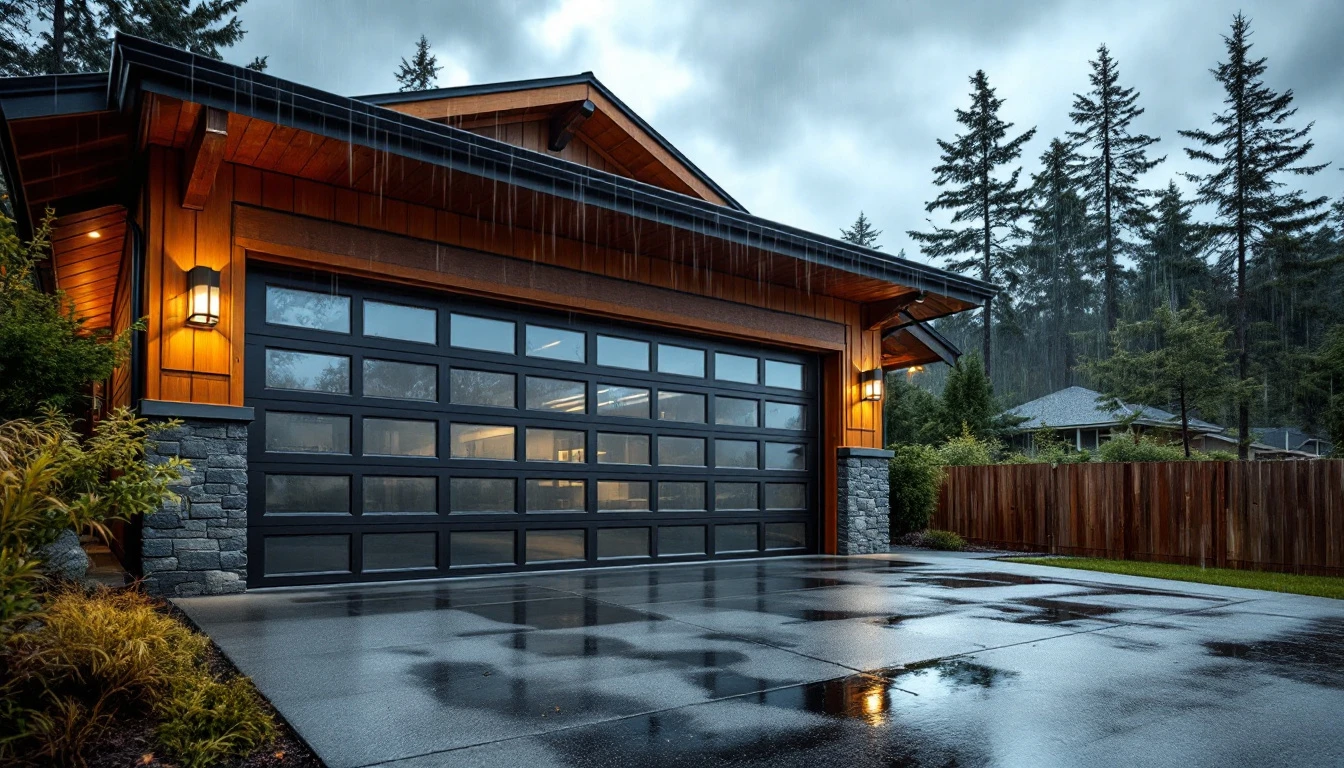
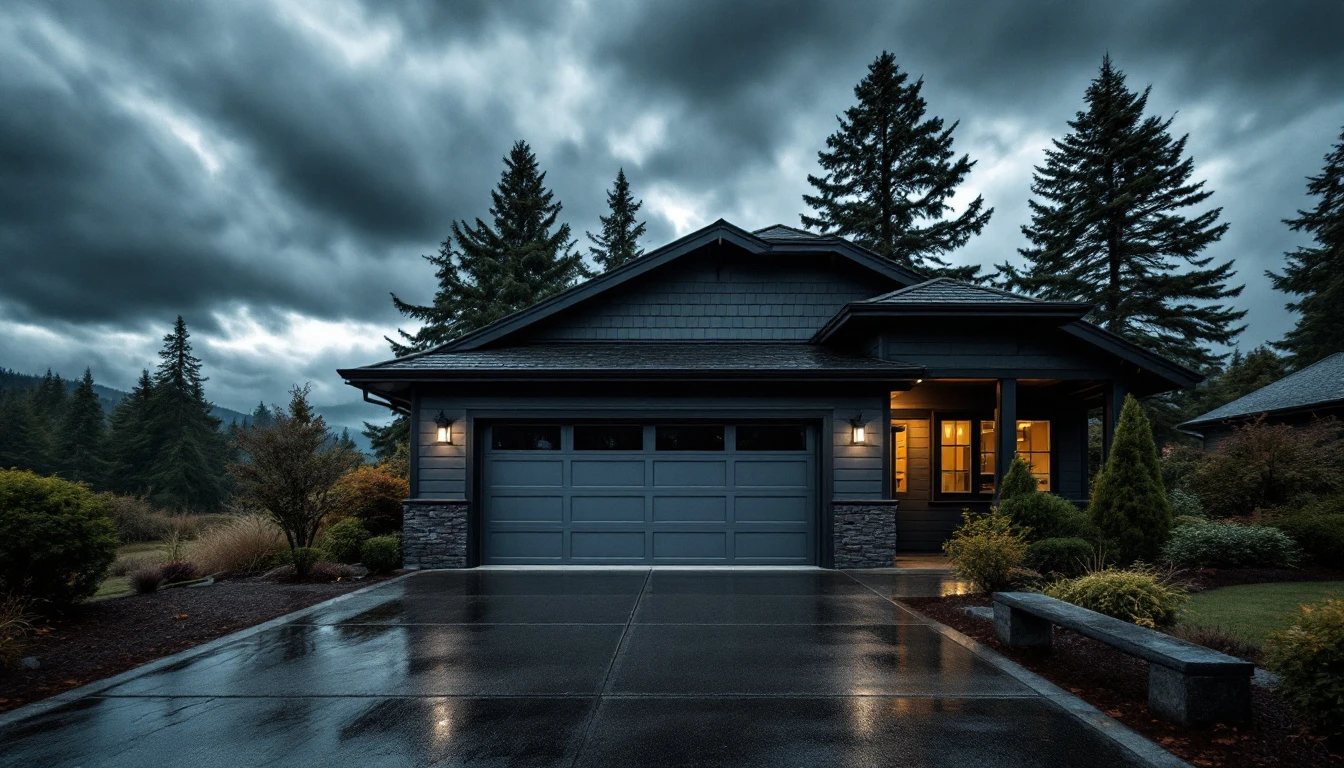
Brush Prairie property owners rely on oversized garage doors to protect agricultural equipment, woodworking machinery, and recreational vehicles. These non-standard doors face unique maintenance challenges in workshop environments, and oversized garage door maintenance Brush Prairie requires specialized protocols that differ from standard residential care.
Brush Prairie’s unique property mix demands
Brush Prairie’s combination of rural acreages, agricultural buildings, and modern workshops creates property layouts rarely seen in suburban areas. This diverse mix requires maintenance protocols specifically designed for non-standard installations rather than cookie-cutter approaches that work for standard suburban garages.
Non-standard door sizes—particularly 10-foot-wide and taller workshop doors—experience accelerated wear when heavy equipment cycles through repeatedly. Each time a tractor, RV, or utility vehicle passes through, the door’s springs, rollers, and opener system handle weight loads and vibration patterns that standard residential doors never encounter, concentrating stress on components already working harder due to their larger size.
Three Critical Failure Points Distinguish Oversized Doors
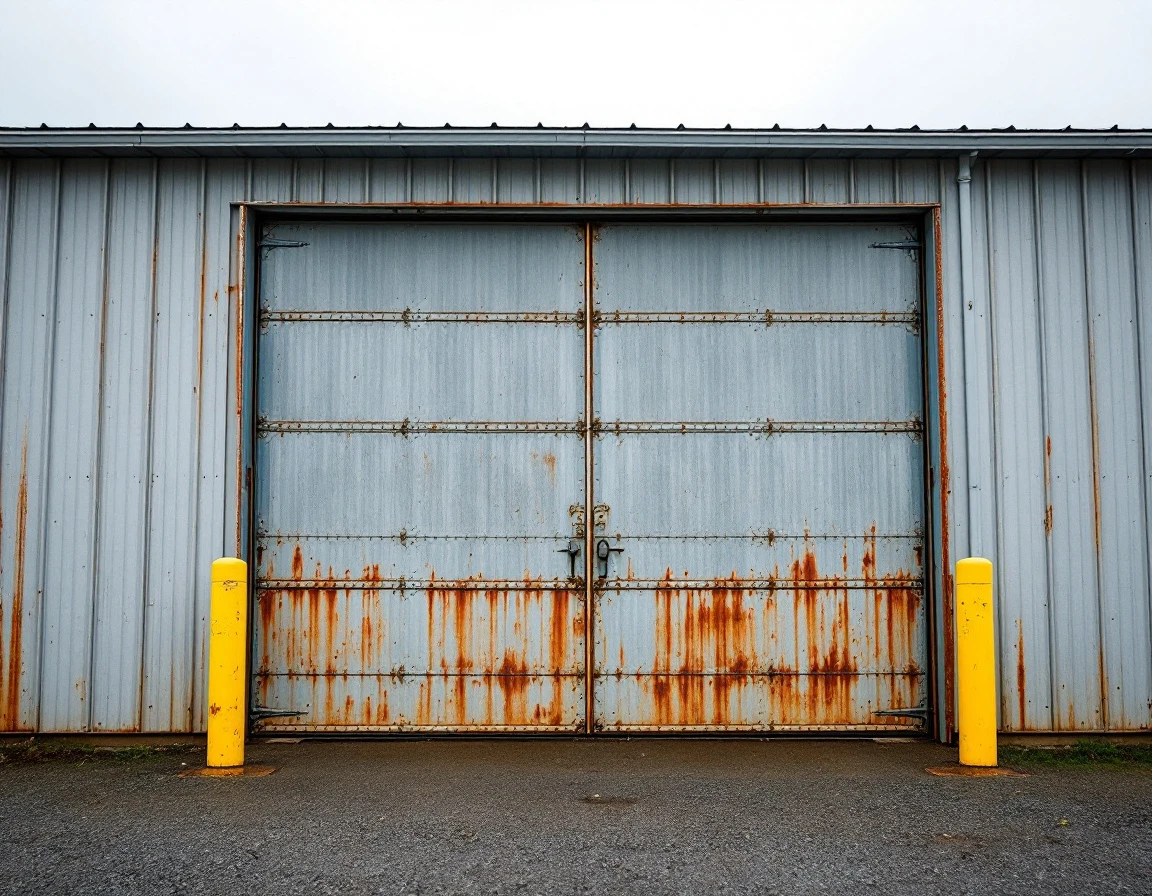
Oversized doors develop problems in three specific areas rarely seen in standard residential installations. Weathersealing deteriorates faster along extended bottom sections where heavy equipment traffic compresses rubber seals against concrete floors. Spring systems experience uneven tension distribution across longer spans, creating premature metal fatigue. Opener motors strain under the increased weight of non-standard door panels, particularly when high-frequency workshop use demands multiple daily cycles.
June timing positions maintenance before summer heat accelerates weatherseal degradation and before fall moisture begins penetrating compromised seals. This seasonal window addresses both immediate heat stress on mechanical components and prevents moisture intrusion patterns that develop during wet months ahead.
Weatherproofing Large Doors for Equipment Storage
Oversized garage door weatherproofing exposes more surface area to moisture penetration than standard residential doors, creating proportionally larger gaps where water enters. In Brush Prairie, where wet springs transition into humid summers, these entry points become critical failure zones. Moisture intrusion doesn’t just create puddles—it accelerates rust formation on stored equipment, degrades electrical connections on power tools, and compromises the structural integrity of wooden workbenches and storage shelving.
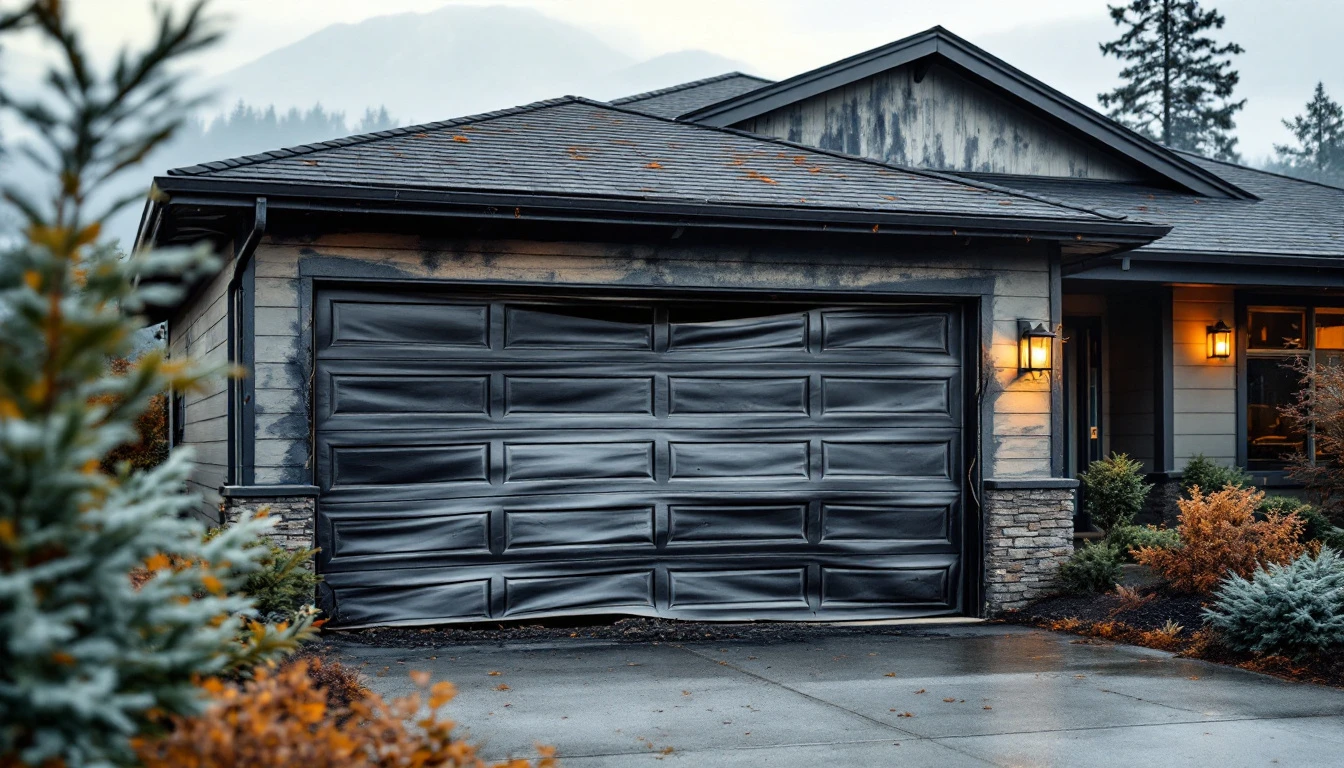
The bottom seal takes the hardest beating. Every time you drive a riding mower or pull a trailer through the door opening, those heavy wheels compress and wear the weatherstripping. Standard residential doors rarely face this kind of traffic, but workshop doors in rural settings handle it daily. Look for compression marks, tears, or sections where the seal no longer makes full contact with the floor. These are your moisture entry highways.
June timing matters because you’re catching problems before summer heat cycling begins. When temperatures swing from cool mornings to hot afternoons, existing weatherstripping expands and contracts. Worn seals that might hold up in mild weather fail completely under thermal stress. Conduct a simple water spray test. Close the door, spray the edges with a garden hose, and check for water penetration inside. Dark spots or damp concrete reveal exactly where seals have failed.
Your replacement checklist ties directly to quarterly maintenance. Inspect bottom seals every three months, checking for compression damage and flexibility. Side and top weatherstripping need visual checks twice yearly—look for gaps, cracks, or sections pulling away from the door frame. Replace any seal that’s hardened, cracked, or shows visible wear before the next wet season arrives. This simple protocol prevents equipment corrosion and protects your workshop investment from moisture-related failures.
Spring Inspection for Heavy-Duty Equipment Cycles
Oversized doors handling tractors, generators, and workshop machinery create spring stress patterns drastically different from standard residential use. A 16-foot door protecting a workshop tractor experiences forces two to three times greater than a conventional residential door each time it cycles. These non-standard weights require precise tension calculations—calculations that change as springs fatigue under heavy loads.
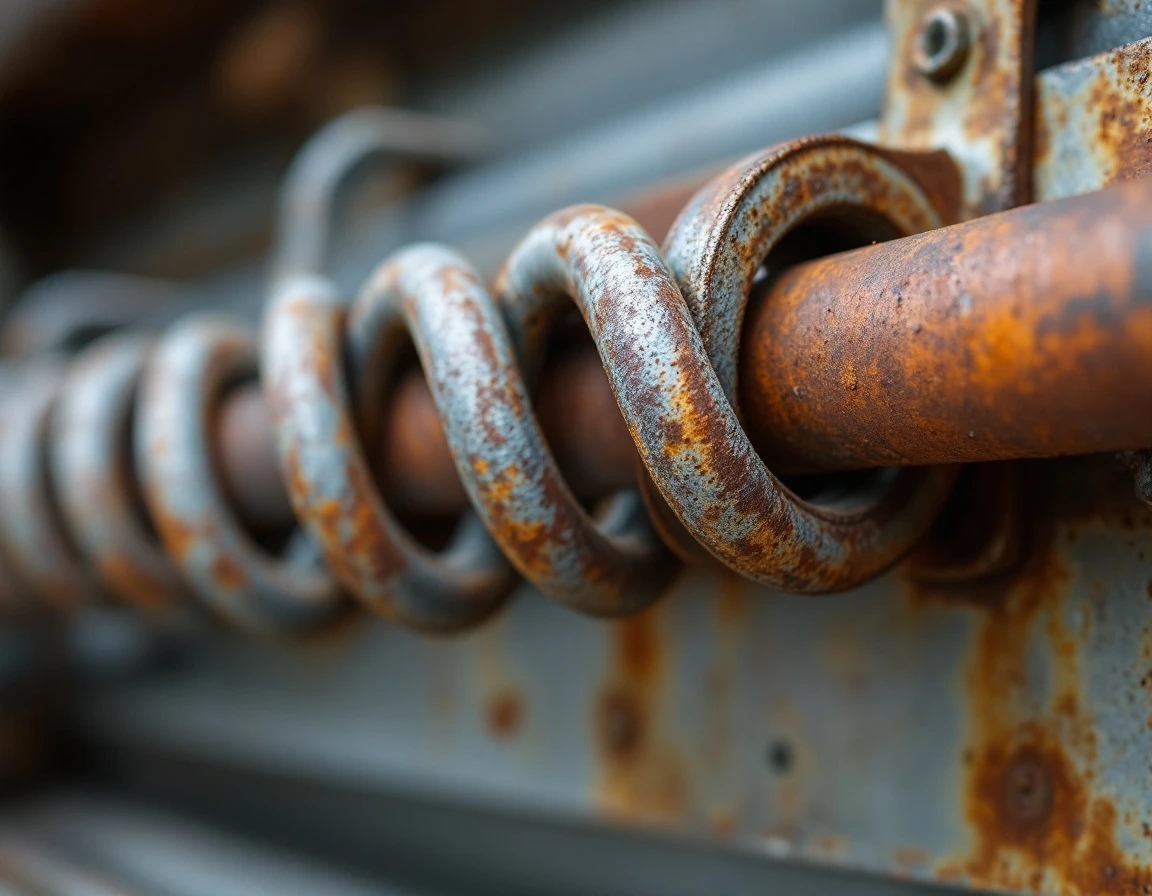
Heavy equipment garage door springs in Brush Prairie’s climate face a double challenge. The region’s freeze-thaw cycles compromise spring integrity throughout the year, not just during winter months. Metal contracts in cold temperatures and expands in heat, creating microscopic stress fractures that accumulate with each temperature swing. When you combine this environmental stress with the mechanical demands of lifting heavy equipment doors, spring failure becomes not a question of “if” but “when”.
You can perform safe visual inspections without handling springs directly. Stand inside your garage with the door closed and examine springs for rust, gaps between coils, or stretched sections where coiling appears uneven. Open the door halfway and release it—a properly balanced door should stay in place. If it falls or rises, spring tension has shifted and needs professional adjustment. Listen during operation for squeaking, grinding, or popping sounds that indicate worn components.
Warning Signs Demanding Immediate Attention
- Door opens unevenly, with one side rising faster than the other, indicating a spring has lost tension asymmetrically
- Visible cable slack alongside the door tracks means spring force no longer holds cables taut—a dangerous condition that can cause cable whipping during operation
- Any visible spring separation or breakage requires stopping door use immediately
The cost-to-delay calculation matters for business operations. A spring failure during peak summer use can shut down your workshop for days while you wait for emergency service calls that drain your budget far more severely than scheduled maintenance would. June inspection catches developing problems before they escalate into mid-season disruptions. Schedule professional spring service now, before high summer use pushes compromised components past their breaking point.
Opener Durability Under Non-Standard Loads
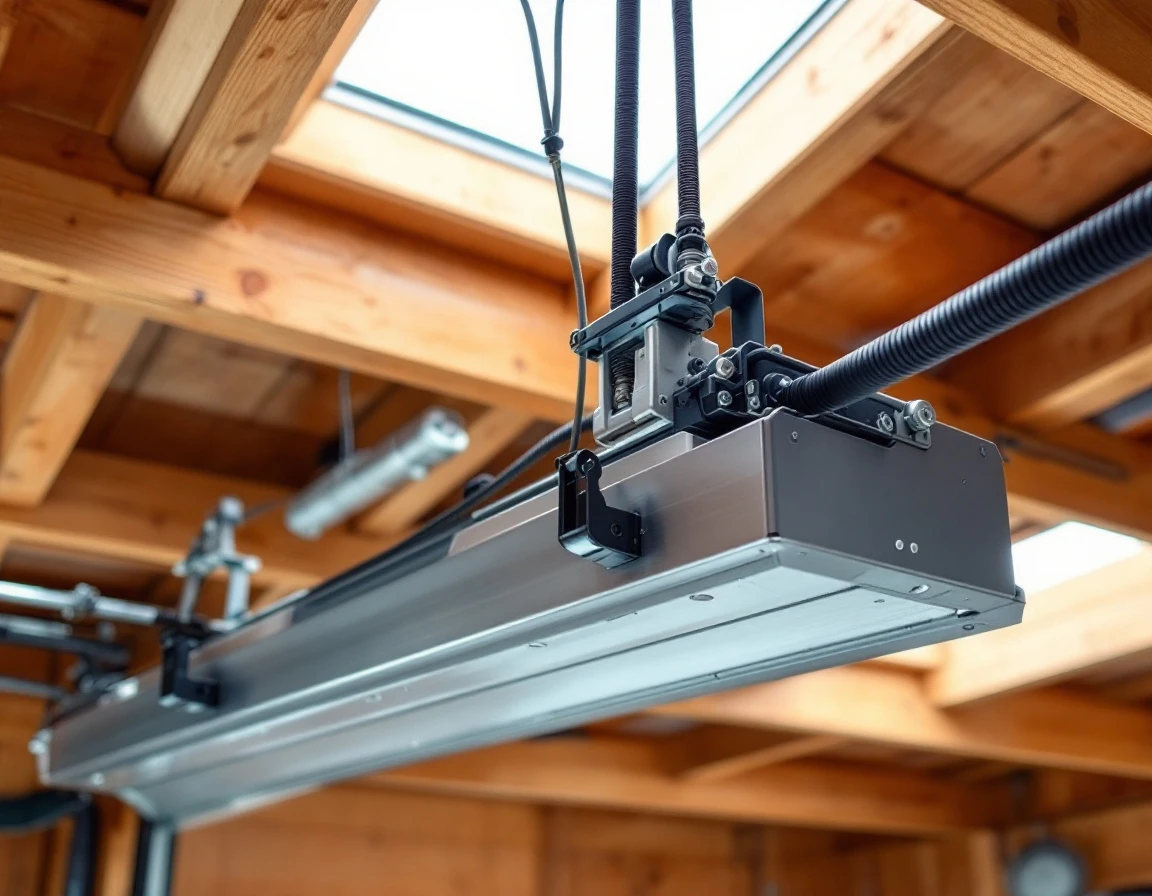
Standard residential garage door openers are engineered for typical duty cycles—two to four opening cycles daily on doors weighing 150-200 pounds. When these same openers handle non-standard garage door opener durability demands for oversized doors weighing 300-500 pounds with equipment access requiring eight to twelve daily cycles, motor burnout becomes inevitable. The opener struggles under non-standard loads it was never built to manage.
Heavy equipment storage creates demands that exceed residential opener specifications. Property owners moving tractors, lawn equipment, or workshop machinery in and out of garages throughout the day push motors beyond their thermal limits. Brush Prairie’s summer heat compounds this stress—when ambient temperatures reach 90°F in June through August, opener motors already strained by oversized door weight face accelerated degradation from inadequate cooling cycles between operations.
What maintenance tasks can property owners perform to extend opener lifespan?
- Monthly lubrication of the drive chain or belt prevents friction-related motor strain
- Quarterly balance testing—disconnecting the opener and manually lifting the door halfway to verify it stays in place—confirms spring systems aren’t forcing the motor to compensate for imbalanced weight
- Cleaning safety sensor lenses monthly prevents false obstruction signals that cause repeated opening attempts
Professional evaluation becomes necessary when you notice unusual grinding sounds, slower operation speeds compared to initial installation, or inconsistent opening where the door hesitates mid-cycle. These indicators signal motor wear or internal component failure requiring expert diagnosis. June inspection timing prevents mid-season failures when equipment storage demands peak during summer outdoor work seasons. Commercial-grade openers or dual-motor systems designed for frequent heavy-duty cycles offer alternatives when standard residential models fail repeatedly on oversized doors.
Quarterly Maintenance Schedule for Brush Prairie
Property owners in Brush Prairie operating large garage doors for equipment storage need a structured maintenance timeline that aligns with the region’s climate patterns and equipment storage demands. This quarterly schedule uses June as the starting point, positioning maintenance to address summer heat stress and prepare for the wet fall and winter seasons that follow.
June Inspection: Baseline Assessment
Begin your annual cycle with a complete June inspection before summer heat intensifies equipment storage demands. Check all weatherstripping along door perimeters for compression damage and gaps that developed during spring weather. Test spring balance by disconnecting the opener and manually lifting the door halfway—it should hold position without assistance. Measure opener motor temperature after three complete cycles to establish baseline performance before heavy summer use begins.
September Review: Mid-Season Performance Check
Evaluate how door components handled summer storage activity. Inspect weatherseals for heat-related cracking or hardening that occurred during warm months. Listen for changes in spring tension sounds or opener motor noise that indicate developing wear. Clean door tracks and rollers of debris accumulated during peak workshop activity.
December Preparation: Moisture Protection
Apply fresh weatherstripping before Brush Prairie’s wet season arrives in earnest. Verify bottom seal contact across the entire door width to prevent water intrusion during winter rains. Check opener rail alignment and lubricate moving parts to prevent moisture-related corrosion during months of high humidity.
March Assessment: Post-Freeze Evaluation
Examine springs for stress fractures that develop during freeze-thaw cycles common in late winter. Test door balance again after thermal contraction and expansion cycles. Inspect weatherseals for damage from ice formation or winter moisture exposure.
This quarterly approach catches developing problems before they become emergency repairs during critical equipment storage periods. Print this schedule and track completion dates to maintain consistent protection for workshop machinery.