

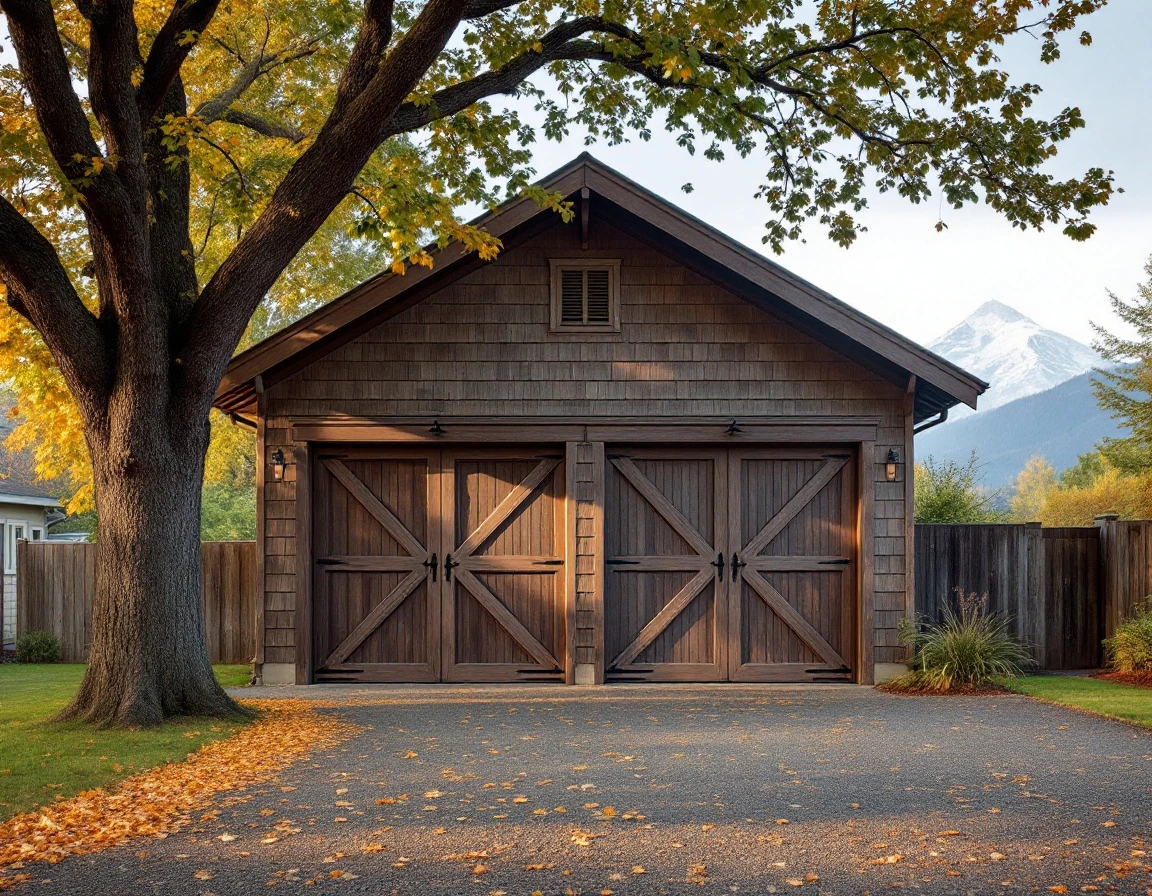
1900s–1940s Hood River Homes: Architectural Details & Historic Garage Doors
Hood River’s historic garage doors—from Craftsman bungalows to Colonial Revivals—feature distinctive carriage-style designs that reflect period construction methods, now facing Columbia Gorge wind exposure. These original wood-paneled doors with hand-forged hardware are genuinely irreplaceable. Yet when homeowners plan renovations to 1900s-1940s properties, they often skip preserving these doors—which is a mistake.
Hood River Heights and downtown neighborhoods
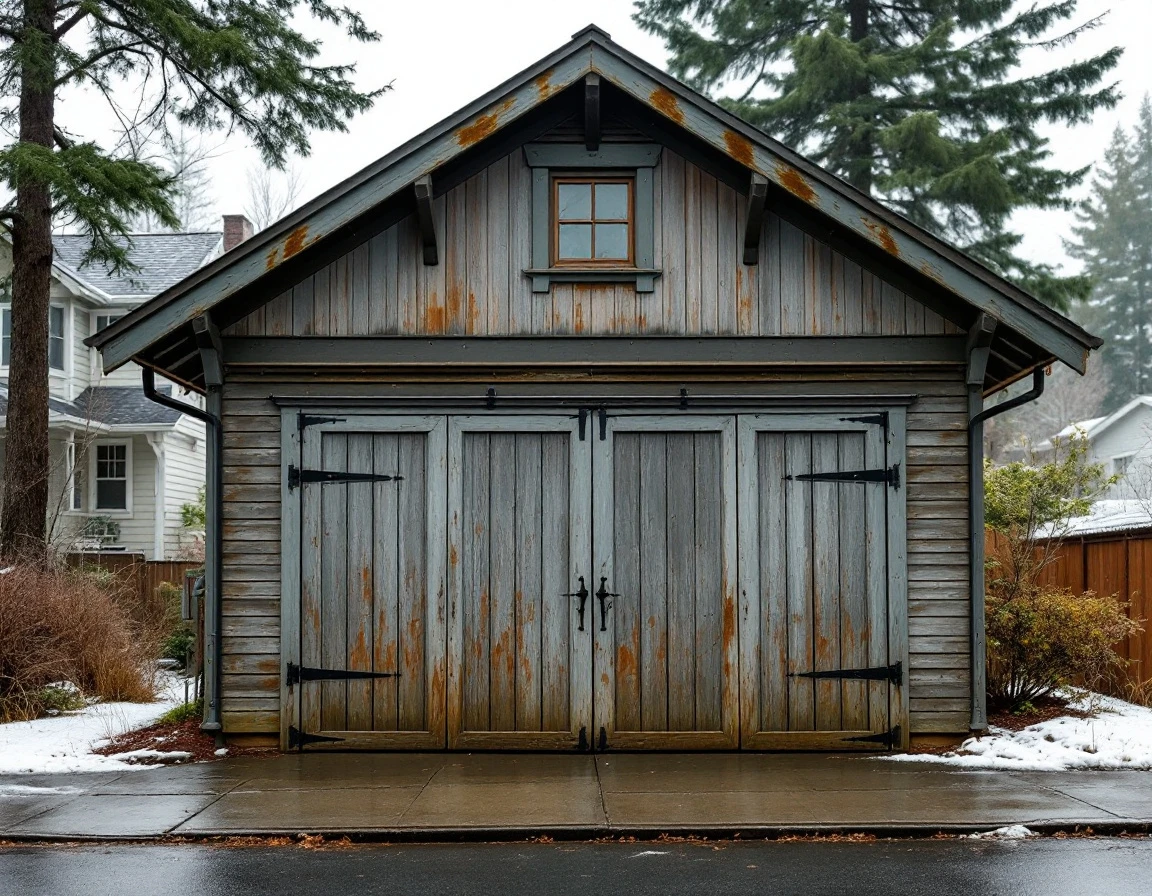
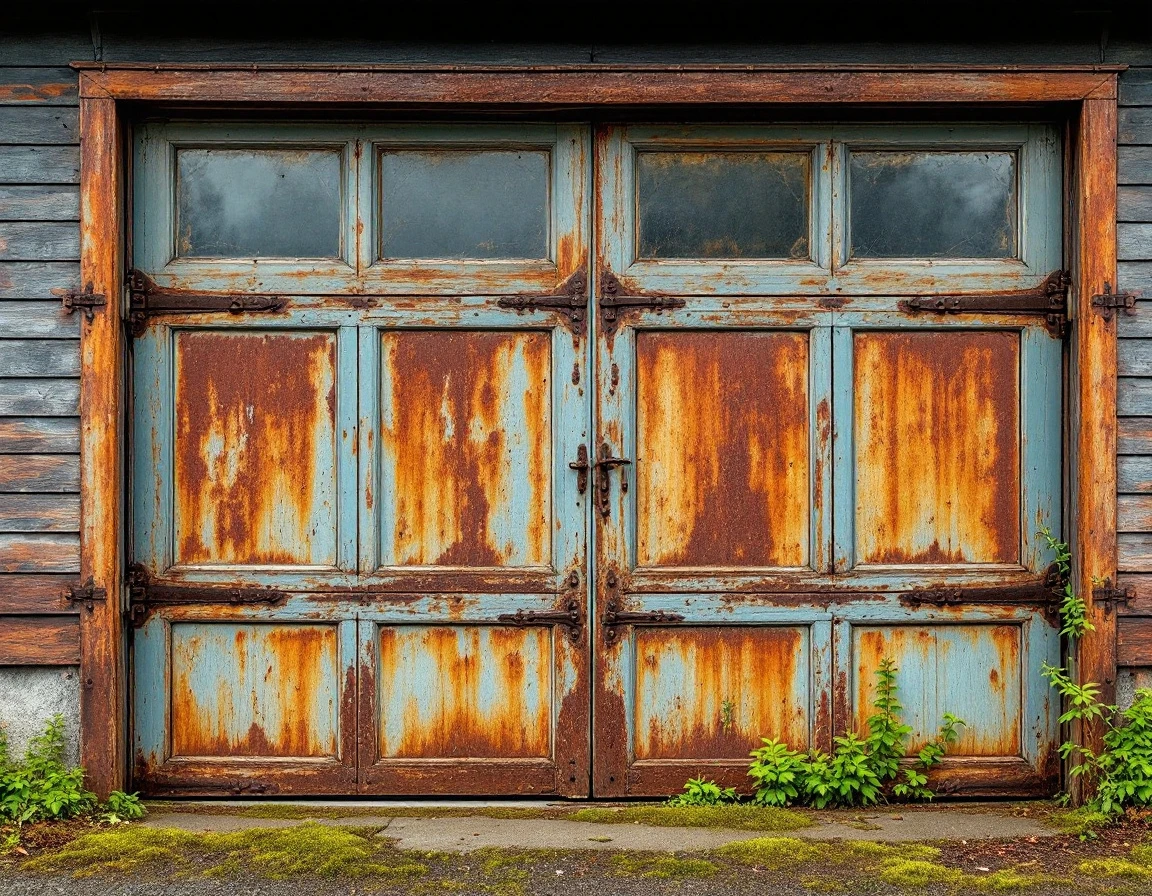
Walk through Hood River Heights or downtown Hood River, and you’ll notice the distinctive garage doors that anchor homes built between 1900 and 1940. These period structures feature carriage-style doors with original raised panels, hand-forged strap hinges, and custom-milled framing that reflects early 20th-century craftsmanship. Unlike modern mass-produced doors, these original elements were built by local craftsmen using old-growth Douglas fir and hand-fitted hardware.
The panels, hardware, and framing from this era are tough to replicate. Modern lumber? It doesn’t match old-growth quality or strength. And hand-forged strap hinges? Contemporary manufacturers don’t make them anymore. Your original door had components built with techniques we rarely see today. When these components deteriorate or suffer wind damage—common in the Columbia Gorge—homeowners face a choice: restore with period-accurate methods or replace with modern alternatives that alter the home’s architectural character.
Many homeowners fail to recognize their garage door’s historic value
When planning renovations to historic Hood River properties, most homeowners immediately think to preserve front doors, original windows, and period siding. Yet the garage door—often equally visible from the street—rarely receives the same consideration. This oversight leads to irreversible modern replacements that strip away authentic character, replacing wood-paneled carriage doors with steel sectional models that clash with 1920s Craftsman homes.
Before making any modifications, you need to understand which elements must be preserved and which can be invisibly upgraded. Hand-forged strap hinges and original raised panels define your door’s historic value, while hidden wind-load reinforcement can be added behind period-correct surfaces. Getting this distinction wrong means destroying irreplaceable craftsmanship while failing to address Columbia Gorge wind exposure.
Columbia Gorge Wind Loads & Safety Demands
Hood River sits directly in the path of one of North America’s most powerful natural wind tunnels. The Columbia Gorge channels east winds through a narrow corridor, creating sustained gusts that regularly exceed 50 mph during fall and winter storms. Peak events can hit 70+ mph, driven by pressure differentials between the dry eastern plateau and the marine air west of the Cascades.
Current building codes in Hood River County require garage doors rated for 110-mph wind zones—well above the 80-mph standard common elsewhere in the Pacific Northwest. This isn’t regulatory overreach; it’s a recognition that unbraced doors act as massive sails during Gorge wind events. Historic panels from the 1900s–1940s lack the structural rigidity to handle these loads. Original doors were built with solid wood panels and hand-forged hardware designed for manual operation, not wind resistance.
When wind pressure hits an unbraced historic door, real damage happens. Panels can bow inward or crack along the wood grain. Track systems bind as the door flexes. In extreme cases, entire doors can blow off their tracks, creating collision hazards with vehicles or damaging adjacent structures.
The solution lies in hidden structural upgrades that preserve visible authenticity. Panel bracing can be added to the interior face where it’s never seen. Track systems can be reinforced with modern hardware concealed behind original brackets. Framing can be strengthened without altering the door’s exterior appearance.
Engineering upgrades don’t require erasing character—they require knowing which improvements occur behind the scenes.
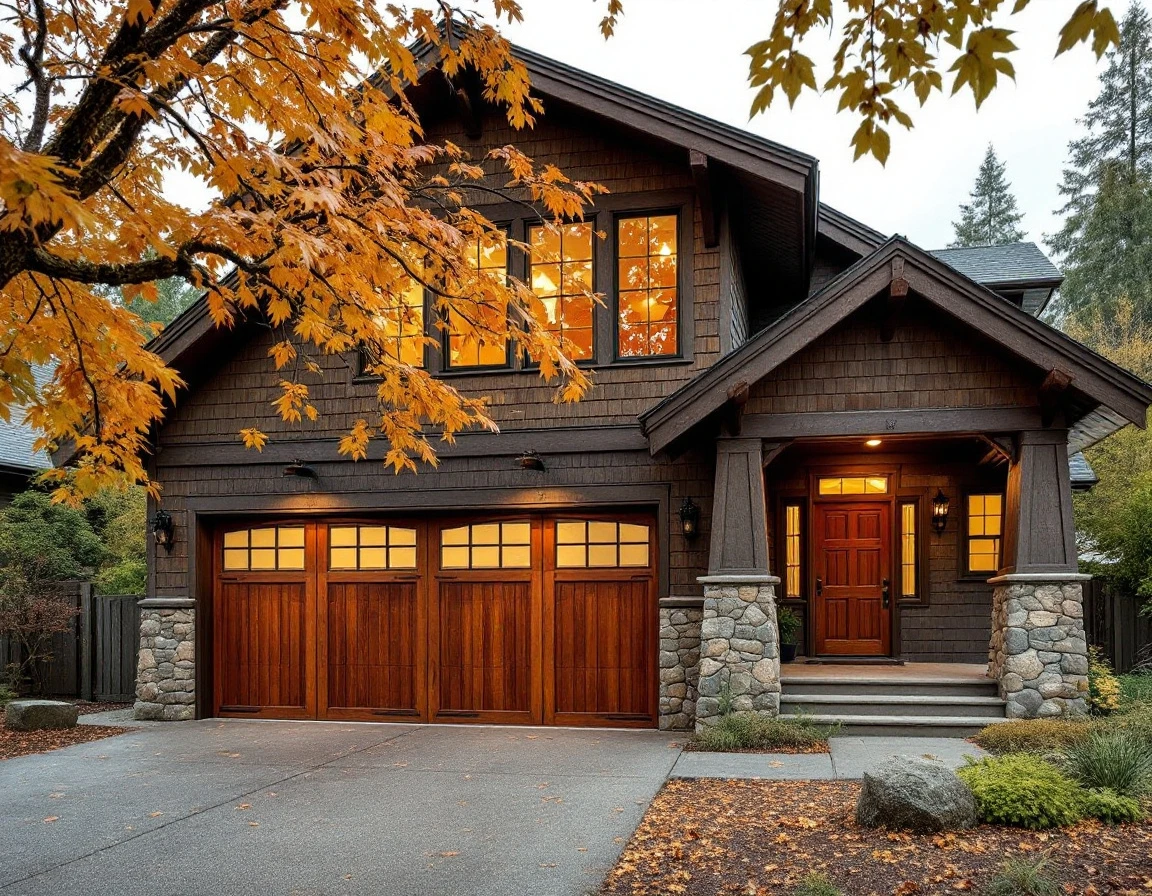
Panel & Hardware Assessment Guide
Want to make an better decision? Spend an afternoon photographing your door from multiple angles—straight on, close-ups of the hardware, and detailed shots of how the panels connect. This documentation preserves your decision-making power and prevents unnecessary replacement recommendations driven by convenience rather than structural need.
Original wood panels from the 1900s–1940s reveal their authenticity through several telltale features:
- Raised-profile or recessed designs with clean joinery—mortise-and-tenon connections or tongue-and-groove assembly rather than simple butt joints held by modern screws
- Old-growth lumber with tight, consistent grain patterns you won’t find in contemporary reproductions
- Authentic construction without finger joints, visible glue lines, or stapled assembly that betrays modern origins
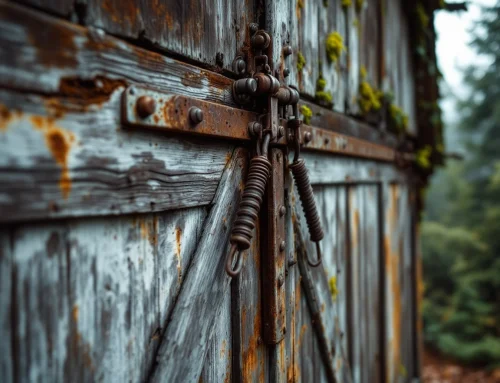
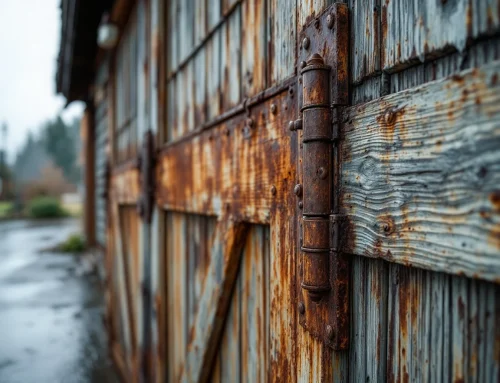
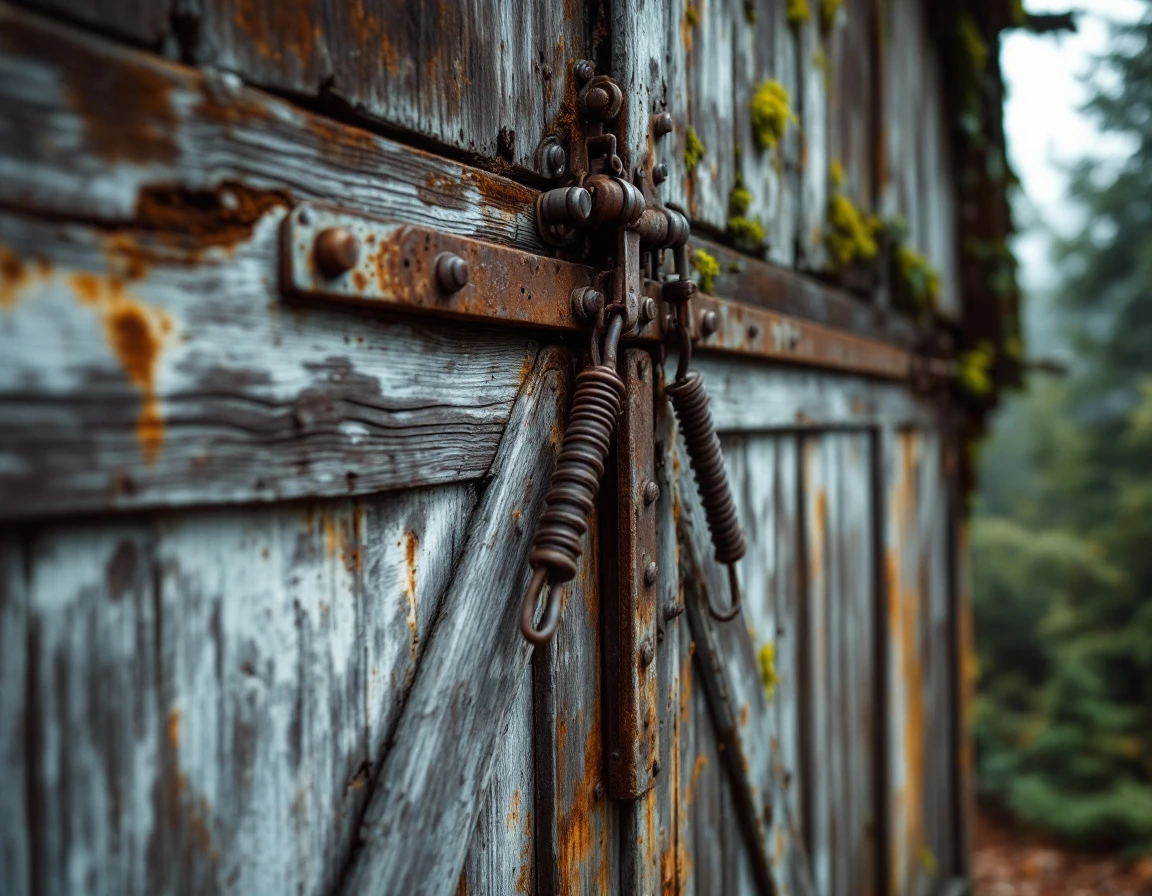
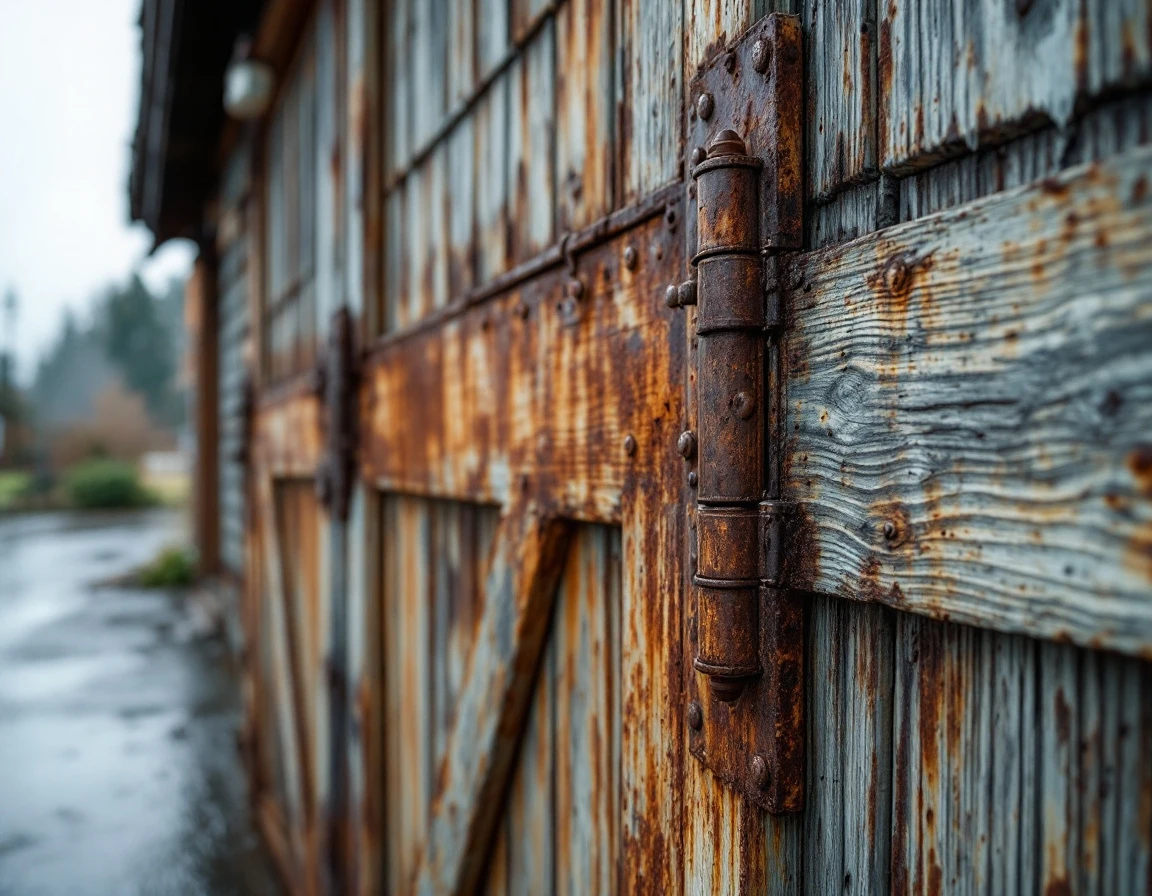
Hardware tells an equally revealing story. Hand-forged hinges, springs, and brackets from the original era carry distinctive characteristics: irregular surfaces from hammer work, substantial weight from wrought iron or heavy steel, and authentic patina that develops over decades of exposure. These components are worth preserving or restoring rather than discarding for stamped steel replacements.
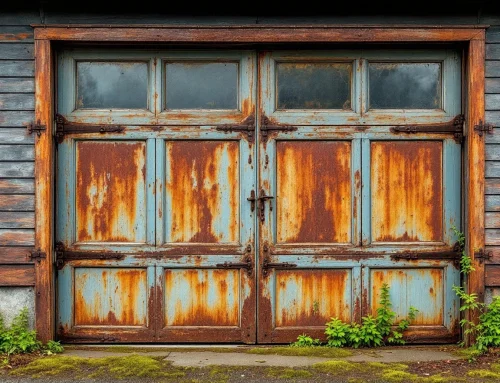
Your assessment goal is simple: determine which elements are original, which are later replacements, and which remain structurally sound enough to retain during wind-load reinforcement. A panel with surface weathering but solid joinery can be refinished and braced. A hinge with surface rust but intact mounting points can be cleaned and reused. This evaluation—documented with photos and notes—arms you with informed expectations when Garage Harmony specialists arrive to discuss gorge wind upgrades.
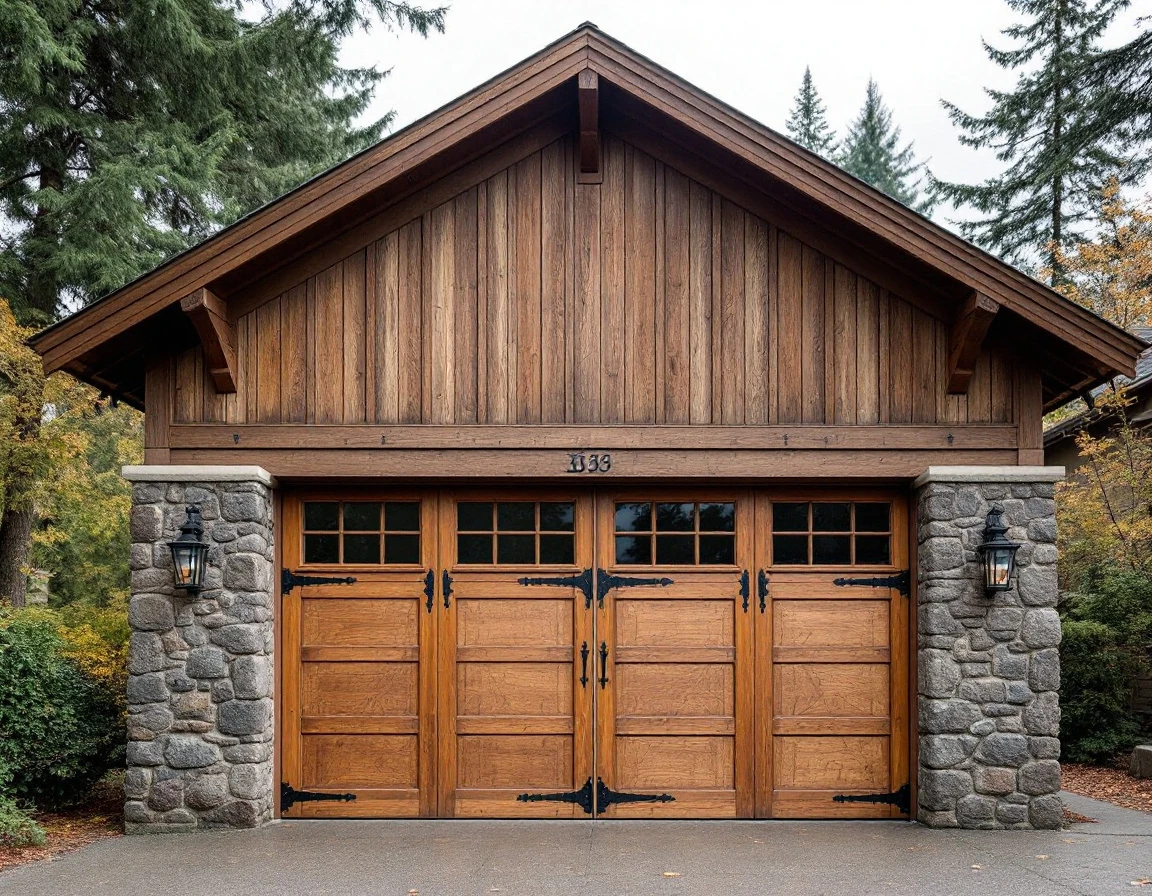
Invisible Reinforcement Methods for Wind Resistant Garage Doors
Here’s what makes this work: invisible upgrades. Interior cross-bracing transforms wind resistance without touching a single visible detail. Steel or wooden braces installed behind original panels create triangulated support structures that distribute lateral forces across the entire door assembly, preventing the racking failure that occurs when Gorge winds hit unbraced historic doors.
Spring system upgrades deliver similar invisible benefits. Torsion spring assemblies mounted within the header frame increase load capacity while remaining completely hidden from view. Extension spring systems can be upgraded to heavier gauges and paired with safety cables, all tucked behind the door’s face where they preserve the visible aesthetic homeowners want to protect.
Track and gasket reinforcement addresses both structural integrity and weather sealing. Modern track systems use heavier-gauge steel than 1930s hardware, but when painted to match original finishes or positioned on interior walls, they disappear visually while meeting current wind-load requirements. Weatherstripping and gasket systems seal against moisture intrusion without altering the door’s profile.
Modern opener systems complete the invisible upgrade strategy. Contemporary units with backup spring systems and enhanced braking mechanisms satisfy safety codes while mounting in the same header locations as vintage openers. Homeowners gain wind-resistant performance and code compliance without sacrificing the architectural character that makes Hood River’s historic garage doors worth preserving.
Period-Accurate Restoration vs. Modern Replacement
So what are your actual options when your historic door gets wind damage? You really have three paths forward—and each one trades cost, time, and authenticity differently:
- Period-accurate restoration replaces worn or damaged elements using original methods and materials—hand-planing replacement panels from old-growth Douglas fir, sourcing hand-forged hardware from specialty suppliers, and matching joinery techniques like mortise-and-tenon. This approach preserves maximum authenticity and historic value but carries the highest price tag, often requiring three to six months for custom fabrication and specialized labor.
- Hybrid reinforcement keeps original panels intact while adding hidden structural upgrades like interior bracing and concealed wind-load supports. This middle path balances cost, safety, and preservation by maintaining visible period features while engineering invisible wind resistance. Private historic homes benefit most from this approach when budgets must stretch across multiple restoration priorities.
- Full replacement with high-wind-rated reproductions meets modern codes immediately but loses irreplaceable original hardware, hand-cut joinery, and authentic wood grain patterns. This option makes sense when decades of deferred maintenance have left panels beyond repair or when homes lack historic designation and codes require full compliance.
Garage Harmony specialists familiar with both Columbia Gorge wind standards and 1900s home restoration can guide you through these options. Ask candidates to explain which original components they would salvage versus replace, how they achieve wind ratings without altering appearance, and whether their timeline accommodates custom fabrication. Homes listed on historic registers require restoration; private owners choose based on budget and long-term preservation goals.
Finding Hood River Contractors & Next Steps
Not all contractors know how to restore historic doors or handle Gorge winds. When you call, ask about their experience with 1900s–1940s homes specifically. Have they worked on doors built to handle Columbia Gorge gusts? A contractor familiar with both preservation principles and 110-mph wind ratings will approach your project differently than one who installs only modern replacement doors.
Verify contractor licensing, insurance, and references from other Hood River Heights or downtown homeowners who’ve completed similar restoration work. Request before-and-after photos of projects where original panels and hardware were preserved. Schedule in-home assessments from at least two or three contractors to compare their approaches—not just their pricing. The right contractor will discuss which original components can be saved. Where interior reinforcement should be installed, and how to preserve visible authenticity while meeting modern safety requirements.
Obtain written proposals that specify materials, methods, visible changes, and project timelines. Confirm the contractor will preserve your original hardware and discuss reinforcement locations in detail before any work begins.
Schedule a garage door assessment with Garage Harmony today. Our experts will evaluate your historic door and create a plan that preserves its character while handling Gorge winds.

Leave A Comment