

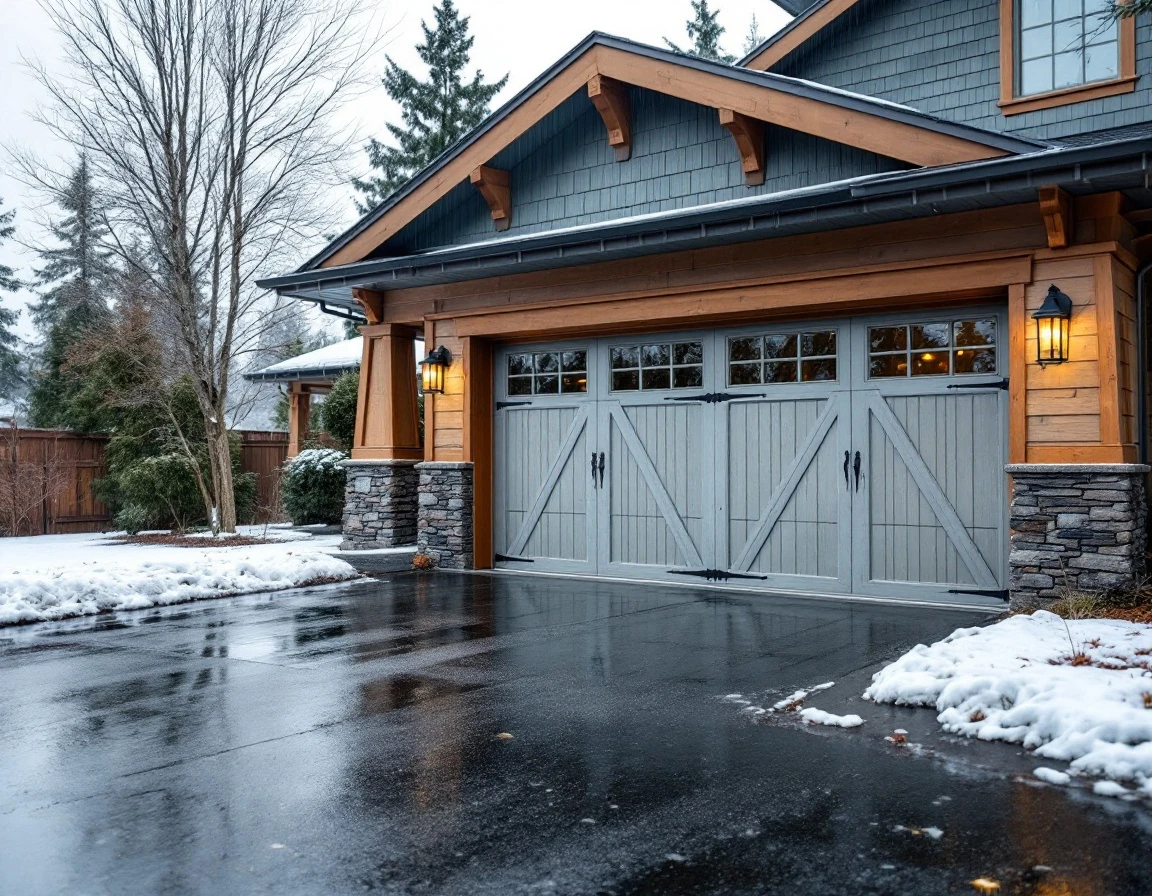
Vancouver’s Freeze-Thaw Winter Threat
Vancouver, WA experiences 30-40 freeze-thaw cycles annually during winter months, creating a uniquely destructive pattern for garage door systems. Unlike areas with consistent cold or mild winters, our climate swings between freezing nights and above-freezing days throughout December, January, and February. This constant cycling wreaks havoc on garage door components in ways that generic garage door maintenance Vancouver winter guides simply don’t address.
Here’s what happens during each freeze-thaw cycle: moisture from rain or condensation penetrates metal components like springs and tracks. When temperatures drop overnight, that moisture freezes and expands, forcing metal parts apart at the molecular level. Come morning, the ice melts, allowing rust and corrosion to take hold. Repeat this process 30 times in a single winter, and you’ll understand why garage door springs in Vancouver corrode faster than in drier climates or consistently cold regions.
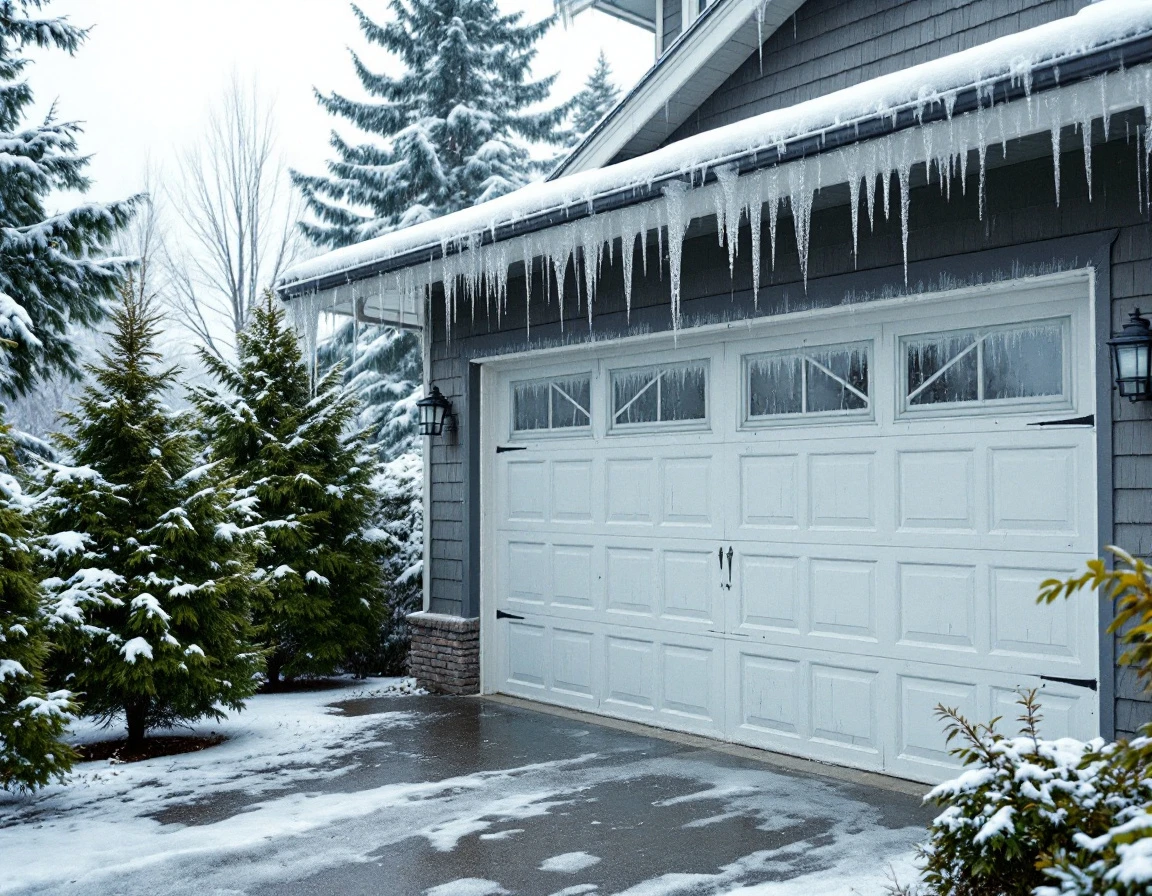
Two-car attached garages face an additional challenge. Your warm home heats the garage just enough to create condensation when cold air rushes in. This trapped moisture freezes on tracks and hardware during cold snaps, causing ice buildup that prevents smooth operation. Ice storms compound the problem by coating doors with heavy ice layers, creating immediate operational hazards while adding structural stress that weakens panels and hardware over time.
Three Summer Maintenance Tasks for Winter Garage Door Care
Summer in Vancouver offers the perfect window to protect your garage door before freeze-thaw cycles begin. While your garage door operates smoothly in warm weather, the damage patterns start forming now—small gaps that will trap moisture, metal parts that will seize when temperatures drop, and debris channels where ice will accumulate. These three tasks take advantage of June through August conditions to prepare your door for winter.
Complete these three summer maintenance tasks before freeze-thaw cycles begin in fall to prevent costly winter repairs and emergency service calls.
Weatherstripping Inspection and Replacement
The rubber seal along the bottom of your garage door and around the frame creates a moisture barrier that becomes critical during freeze-thaw cycles. During summer, inspect this weatherstripping for cracks, compression damage, or gaps. Press your hand along the seal with the door closed—you shouldn’t feel air movement. If sunlight shows through when the door is down, moisture will penetrate during winter rains and freeze inside the door assembly.
Replace damaged weatherstripping before fall arrives. The bottom seal should compress evenly across the entire width when the door closes. Worn sections create ice dam formation points where water pools and freezes, lifting the seal further and creating a cycle of damage. Clean the door bottom and frame channels before installing new seals to prevent ice buildup garage door problems. This task prevents the moisture intrusion that causes interior panel swelling and track misalignment during winter.
Spring and Hardware Lubrication
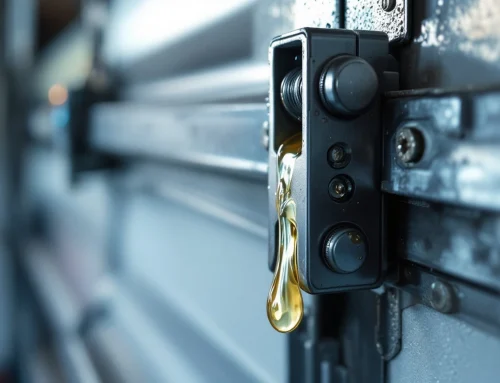
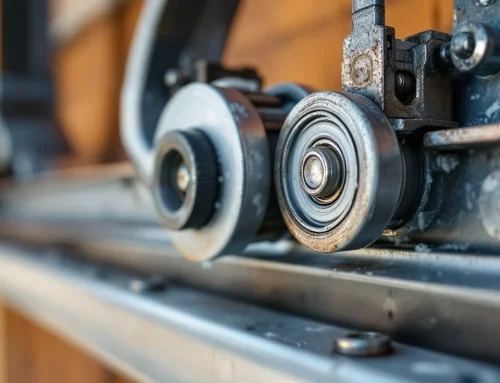
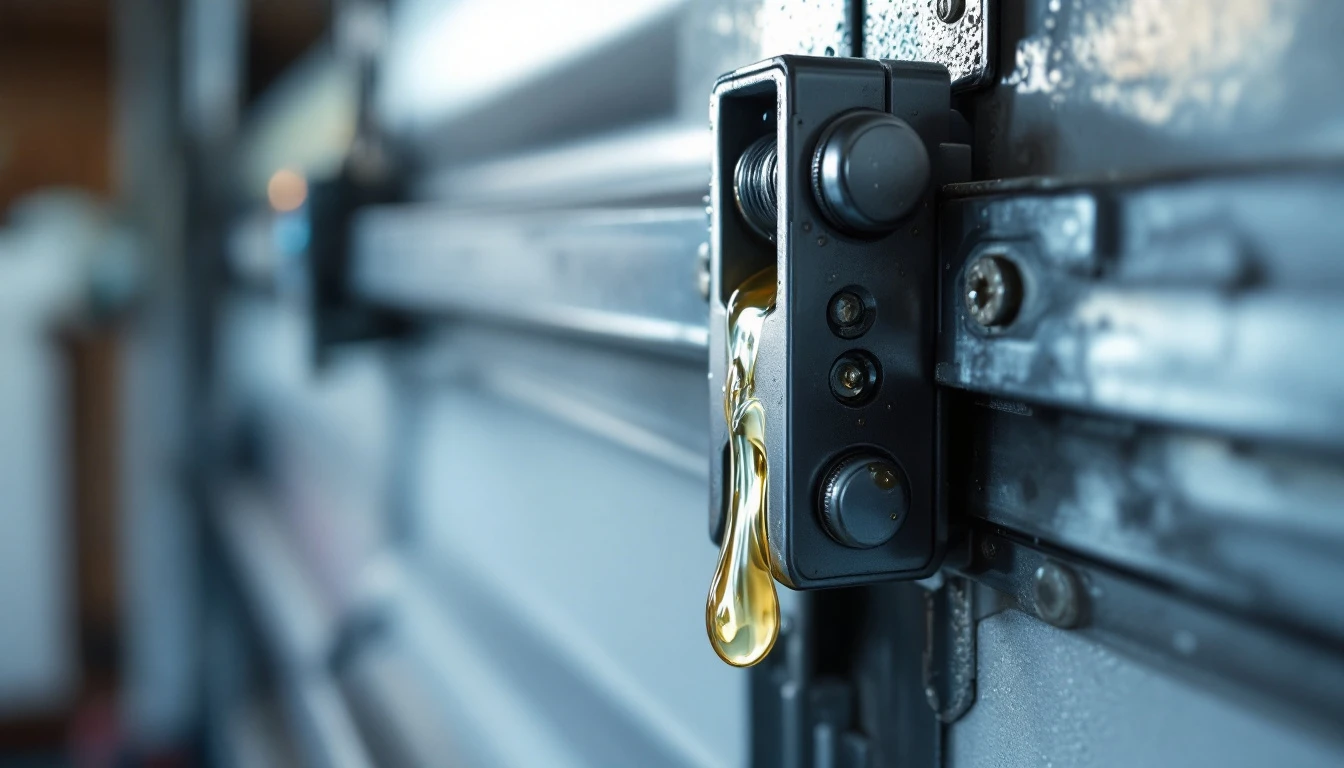
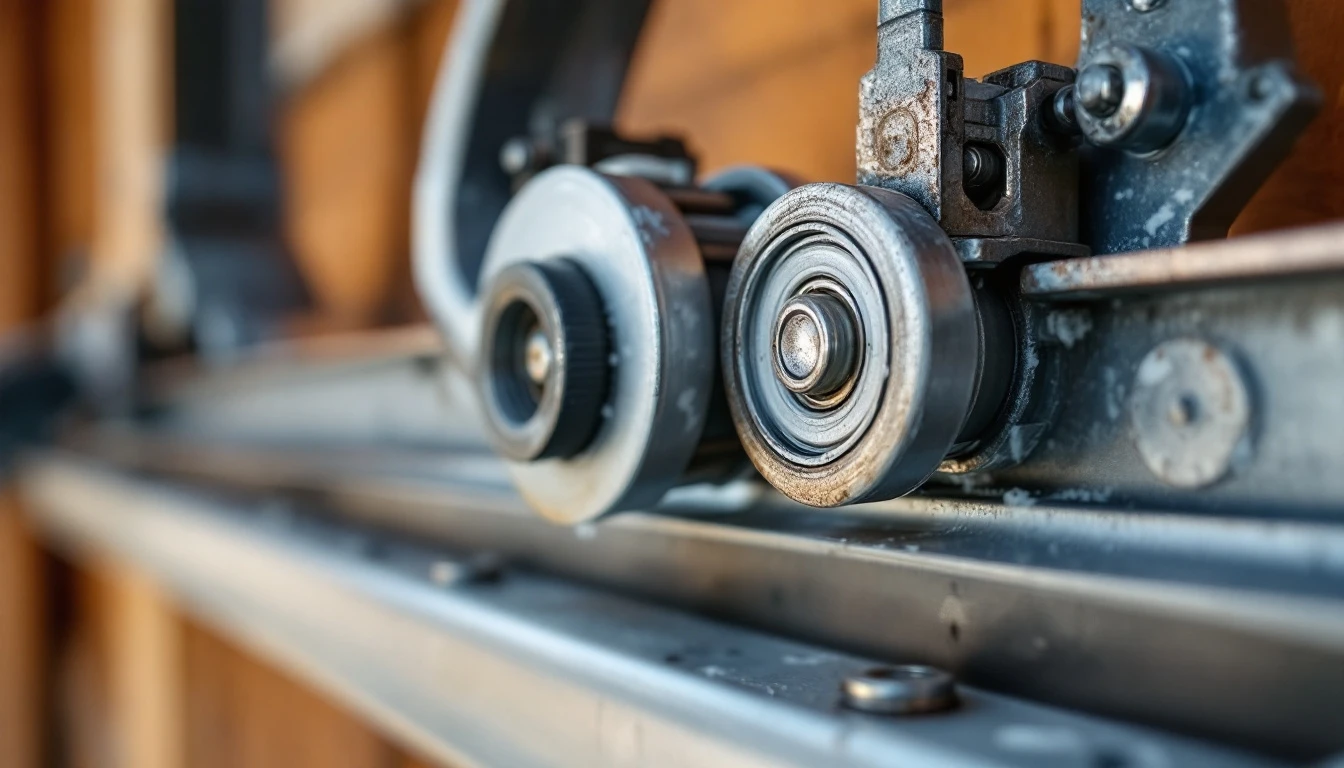
Apply lithium-based garage door lubricant to all moving parts in June or July. Focus on torsion springs, roller bearings, hinges, and track curves. Metal-to-metal friction creates microscopic wear patterns that ice exploits during freeze-thaw cycles. When temperatures drop, unlubricated parts require more force to move, stressing springs and cables.
Lubrication reduces the friction coefficient that causes parts to bind when moisture freezes. Spray each roller bearing until lubricant appears on both sides, and coat springs with a light film. Avoid petroleum-based products that thicken in cold weather. If you hear grinding sounds, see rust dust below hinges, or notice the door hesitates when opening, contact Garage Harmony for professional service—these indicate wear beyond what lubrication can address.
Track Cleaning and Alignment
Clear debris from horizontal and vertical tracks using a shop vacuum and damp cloth. Dirt, spider webs, and dried leaves create channels where ice accumulates during freeze-thaw damage garage springs cycles. Even small ice buildups deflect rollers and stress the track mounting. Check track alignment by measuring the distance from the wall at multiple points—both sides should be parallel and equidistant.
Loose mounting bolts or bent track sections need professional correction. If rollers jump or the door binds at specific points, the track alignment has shifted beyond DIY adjustment. This summer preparation prevents ice from wedging into existing irregularities and forcing the track further out of alignment during winter.
Weatherstripping Replacement
Garage door weatherstripping serves as your first line of defense against Vancouver’s wet winters. When existing seals crack or compress—a common issue after just one season of exposure to our damp climate—moisture infiltrates the garage, creating ice buildup during freezing nights. This ice formation triggers the freeze-thaw damage cycle that leads to costly spring repairs.
Tackle this task between June and August, before September humidity increases. The DIY process is manageable: remove old weatherstripping by pulling it from its channel, measure the door’s perimeter accurately, and install new seals by sliding them into the retainer track. Press firmly to seat them completely.
Replacement costs run $100-300 for DIY or $200-400 with professional installation—a small investment that prevents $1,500+ in spring damage. However, call professionals if you notice damaged tracks or door misalignment during inspection. These underlying issues need expert attention before new weatherstripping can function properly.
Spring and Track Lubrication
In Vancouver’s moisture-rich environment, dry garage door springs and tracks freeze faster than properly lubricated components. When ice forms on unprotected metal, it accelerates corrosion and creates friction that strains your opener motor. Monthly lubrication during the freeze-thaw season (November through February) extends spring lifespan by 3 to 5 years.
Use silicone-based lubricants specifically designed for garage doors, not oil-based products that trap moisture and attract dust. Apply lubricant to all spring coils, roller bearings, hinges, and the inside rail of your tracks. This simple maintenance task requires only basic materials that are readily available at hardware stores.
Summer lubrication between June and August prepares your springs for the freeze-thaw stress ahead. This preventive maintenance protects your door from costly spring replacement while keeping it operating quietly through winter months.
Winter Warning Signs to Monitor
Your garage door will tell you when winter damage is happening—if you know what to listen for. Recognizing these warning signs early means the difference between a simple adjustment and an emergency service call during an ice storm.
- Movement problems that signal ice formation
- Visual indicators of moisture infiltration
- Critical safety issues requiring immediate action
Movement Problems Signal Ice Formation
When your door moves slower than usual or stutters during operation, ice has likely formed inside the track channels or around the rollers. This jerky movement happens because frozen moisture creates friction points that force your opener motor to work harder. In Vancouver’s freeze-thaw climate, this pattern often starts as morning sluggishness that improves by afternoon—a clear sign that overnight freezing is affecting your system.
Spring stiffness from temperature cycling produces similar symptoms. Metal springs contract in cold temperatures, and repeated freeze-thaw cycles eventually cause microscopic cracks that reduce flexibility. If your door hesitates or requires multiple attempts to open on cold mornings, your springs may be approaching failure.
Visual Indicators of Moisture Infiltration
Frost or ice buildup visible on your tracks or weatherstripping means your summer weatherproofing failed. This moisture infiltration creates expanding ice that pushes components out of alignment and accelerates corrosion. Check for white frost patterns along the vertical tracks during freezing mornings—these indicate exactly where water is entering your system.
Critical Safety Issues Requiring Immediate Action
Call a professional immediately if your door won’t close completely or reverses unexpectedly. During ice storms, an unsecured garage door exposes your home to freezing temperatures and potential pipe damage.
Track misalignment from freeze-thaw cycles can trigger safety sensors. But attempting DIY repairs during winter weather risks further damage.
Unusual grinding or sharp cracking sounds indicate spring stress from temperature cycling. These sounds warn that spring failure is imminent—schedule professional inspection before you face a completely inoperable door during the next cold snap.
When to Call a Professional
While summer maintenance tasks like weatherstripping replacement and lubrication are excellent DIY projects, certain garage door repairs require professional expertise. Understanding this boundary protects both your safety and your wallet.
Spring replacement or adjustment must be done professionally. Garage door springs operate under extreme tension—enough force to lift a 200-pound door—and improper handling can cause serious injury. If your door feels heavy when lifting manually or won’t stay open, don’t attempt a DIY fix. Springs that have endured Vancouver’s freeze-thaw cycles develop invisible stress fractures that can fail catastrophically during adjustment.
Ice damage to tracks requires precision equipment and professional diagnosis. Homeowners sometimes attempt to straighten bent tracks with hammers or pliers, but this creates dangerous misalignment. A door that reverses mid-close or stops unpredictably indicates a safety sensor failure or track problem that needs immediate professional attention.
Freeze-thaw damage often reveals problems beyond DIY capability: corroded springs need replacement rather than lubrication, ice-deformed tracks can’t be straightened safely at home, and compromised safety sensors require electronic testing equipment. Professional maintenance serves as your final protection layer against winter emergencies.
The proactive summer maintenance you’ve completed—fresh weatherstripping, properly lubricated hardware, clean tracks—reduces the likelihood of emergency professional calls during Vancouver’s coldest months.


Leave A Comment