

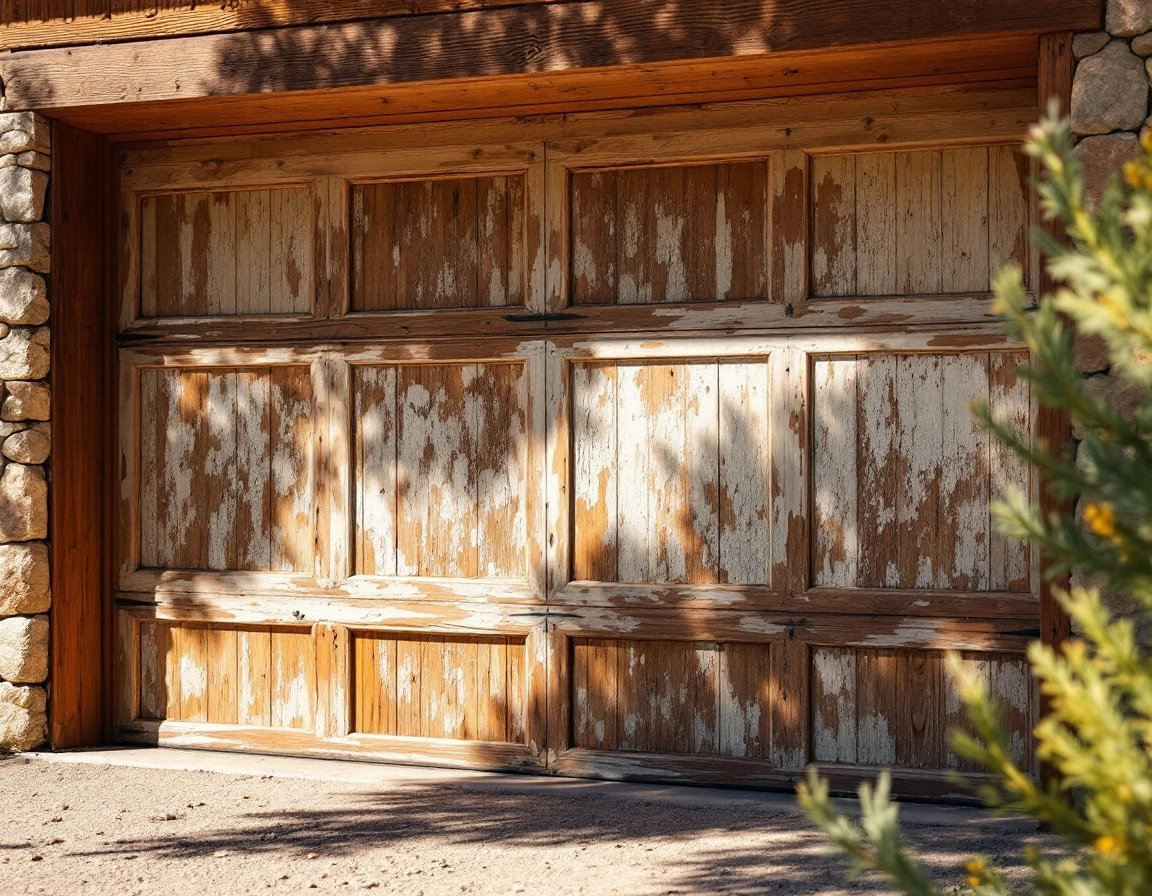
Central Oregon Sun Damage Garage Doors: UV and Heat Effects
Central Oregon’s high desert climate creates a uniquely harsh environment for garage door finishes, and central Oregon sun damage garage doors is a common concern for homeowners in the region. With over 7,000 annual sunshine hours and elevations ranging from 3,200 feet in Sisters to 4,200 feet in La Pine, the region experiences UV intensity far exceeding Oregon’s coastal and valley areas. At Bend’s 3,600-foot elevation, the thinner atmosphere filters less ultraviolet radiation, allowing UV rays to penetrate and break down the polymer chains in paint, powder coating, and protective sealants on your garage door.
The damage doesn’t stop with UV exposure. Central Oregon’s dramatic temperature swings—days reaching 80°F or higher followed by cool nights in the 40s and 50s—create relentless thermal expansion and contraction cycles. Your garage door’s metal panels, wooden frames, and composite materials repeatedly expand in the afternoon heat and contract overnight. This constant movement stresses painted and coated surfaces, causing microscopic cracks that grow into visible fading, peeling, and finish deterioration.
What might take eight to ten years to fade on the west side of the Cascades can happen in five to six years here. Early detection of finish breakdown—chalking paint, color fading, or small cracks—prevents the need for complete refinishing or premature door replacement, saving you thousands of dollars.
Compared to the mild, overcast conditions in Portland or Eugene, garage doors in Bend, Redmond, and Sunriver age faster. Learn more about premature door replacement costs.
Signs of Sun Damage to Watch
Catching sun damage early can save you hundreds of dollars in refinishing costs. In Central Oregon, where intense UV exposure affects south- and west-facing garage doors most severely, early detection means the difference between a simple protective treatment and a complete door replacement.
Start by examining your door’s finish for the following warning signs:
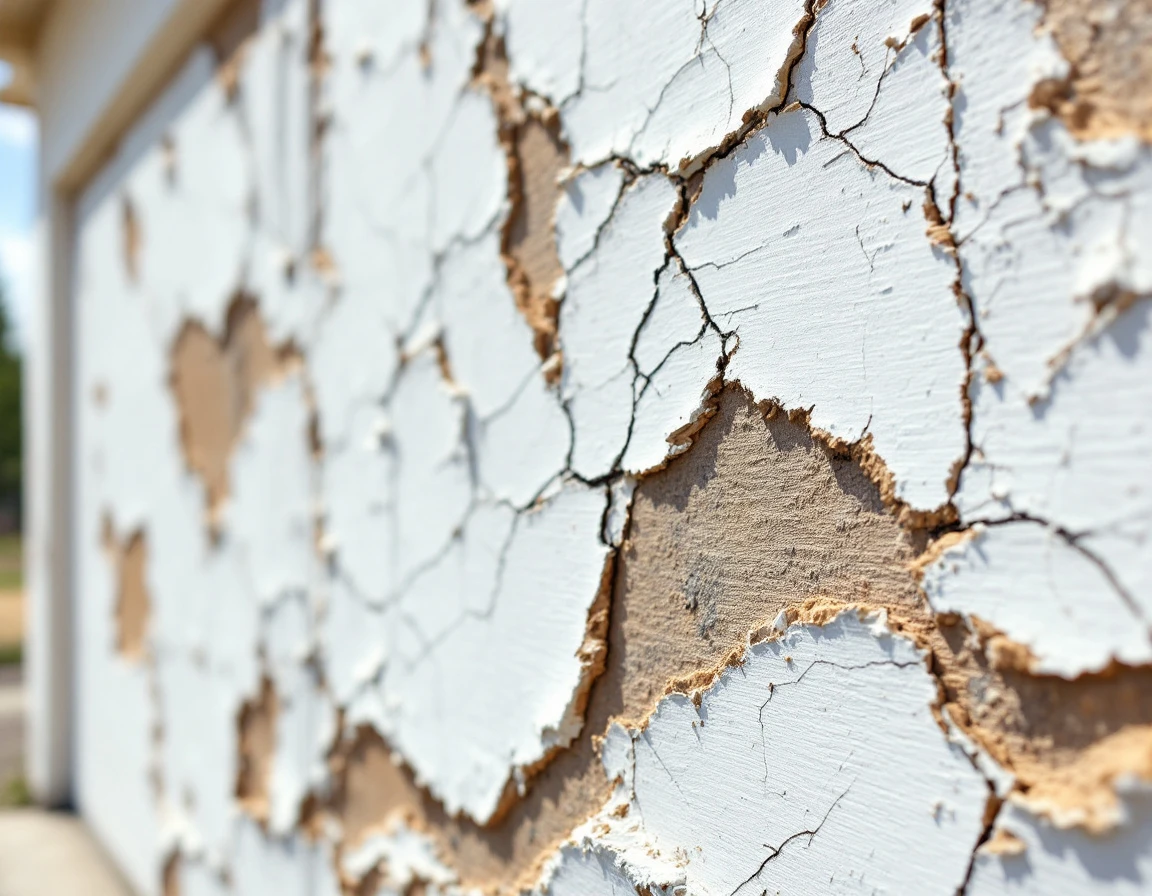
- A fading or chalky appearance, especially on surfaces that face the afternoon sun, which indicates UV breakdown of the finish layer
- Hairline cracks, splits, or peeling in the finish that you can often feel before you see them clearly
- Discoloration patches or uneven color wear where some panels appear lighter than others
- Brittleness or texture changes in wood or composite sections that feel spongy or excessively hard compared to protected areas
June inspection checklist: Examine south and west panels in morning light when damage shows most clearly. Check bottom sections where reflected ground heat concentrates. Test weatherstripping flexibility. Document fading now, before peak summer heat accelerates deterioration through September.
Three Proven Protection Strategies
June is your window to act. Before July and August temperatures climb into the 90s and UV intensity peaks, you can implement three protective strategies that shield your garage door from Central Oregon’s harsh summer conditions. Each approach works differently, and the right combination depends on your door material, budget, and whether you prefer DIY projects or professional installations.
UV-Blocking Sealants and Coatings
Sealants and coatings create a protective barrier between your door’s surface and UV radiation. For wood doors, penetrating oil-based sealants soak into the grain and prevent moisture loss that leads to cracking, while film-forming coatings sit on top and reflect UV rays before they reach the wood. Composite and steel doors benefit from specialized UV-inhibitor coatings that prevent the polymer binders in paint from breaking down.
Most homeowners can apply these products themselves over a weekend. Expect to reapply penetrating sealants every 18-24 months and film-forming coatings every 3-5 years, depending on sun exposure. Quality wood sealant is available at reasonable price points and typically covers one to two standard garage doors per gallon. Steel door UV coatings offer similar coverage and are comparably priced per gallon.
Reflective and Light-Colored Finishes
Dark colors absorb more heat, which accelerates finish breakdown and can warp door panels. Switching to lighter colors or reflective finishes reduces surface temperatures by reflecting rather than absorbing solar energy. White, beige, and light gray doors stay cooler and experience less thermal stress during Bend’s warm afternoons when temperatures swing from morning lows in the 50s to afternoon highs near 90°F.
Repainting requires more prep work than clear sealants—cleaning, sanding, priming—but delivers durable protection. Professional repainting for a standard two-car door represents a meaningful investment, while DIY materials offer a more budget-friendly alternative. The investment pays off through extended door life and reduced refinishing frequency.
Permanent and Seasonal Shading Solutions
Physical shade delivers the most protection by blocking UV rays before they reach your door. Architectural solutions like extended roof overhangs or pergolas attached above the garage provide year-round coverage but require professional installation and building permits in Deschutes County. These permanent structures represent a meaningful investment in your home’s long-term comfort and durability.
Seasonal options offer flexibility at lower cost. Retractable shade cloth mounted on frames can be deployed April through October and stored during winter, protecting doors without blocking winter sun that helps melt snow. These DIY-friendly systems remain accessible to most homeowners. Strategically planted trees on the south and west sides provide long-term shade as they mature, though this requires patience and careful species selection for Central Oregon’s high desert climate.
UV-Blocking Sealants and Coatings
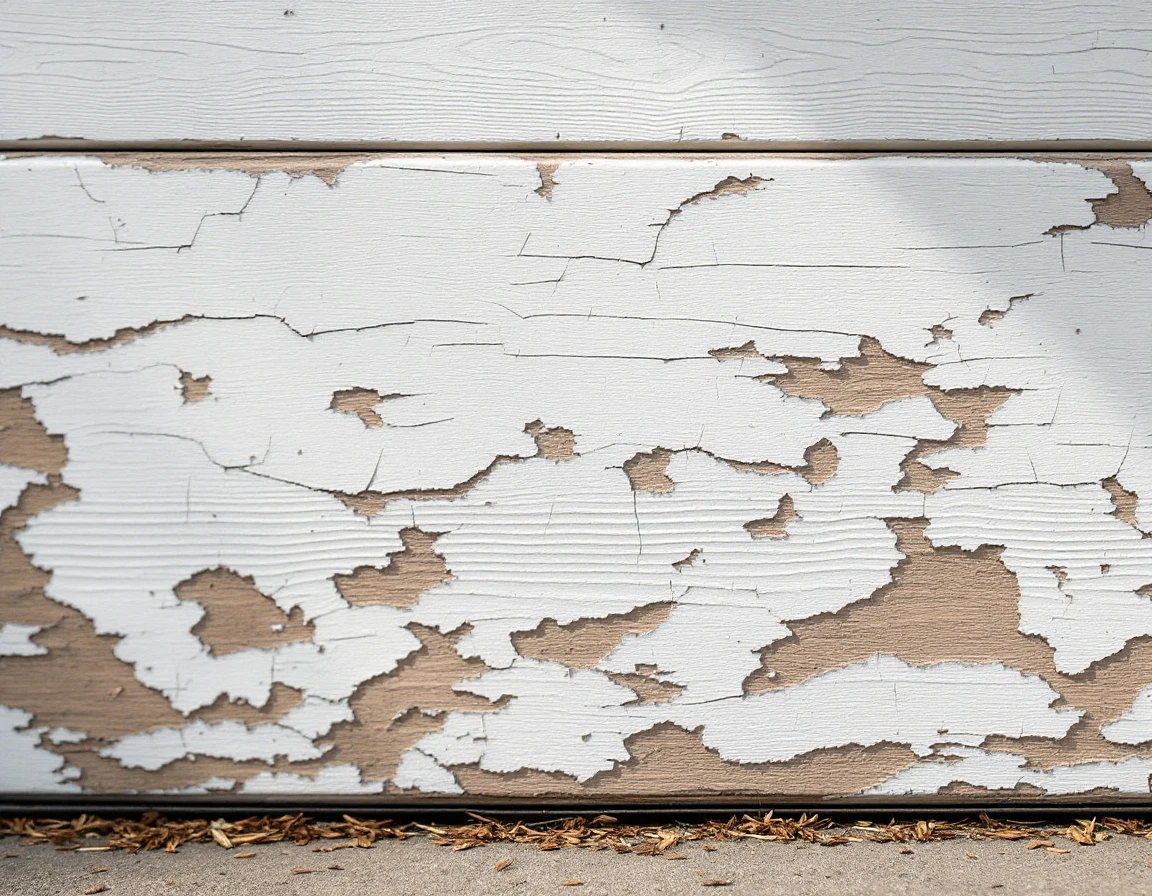
Think of sealants and coatings as your garage door’s first line of defense. Sealants penetrate wood pores to lock out moisture and prevent warping, while coatings create a reflective surface barrier that deflects UV rays before they reach the material underneath. Both serve different purposes, but together they form a powerful protective system.
Polyurethane and acrylic latex sealants offer 3-5 years of protection and represent the most accessible entry point for Central Oregon homeowners. These products work particularly well on wood and composite doors common throughout Bend and Sisters. For a premium investment, ceramic coatings deliver 5-10 years of UV defense and excel in our high-altitude sunshine.
Application timing matters as much as product choice. Clean and thoroughly dry your garage door surface, then apply sealant in early June before peak summer intensity arrives. This gives the coating time to cure properly before facing July’s relentless sun and occasional wildfire smoke. Plan to inspect and recoat every 3-5 years depending on your product choice and exposure level.
Reflective Finishes and Color Choice
Your garage door’s color and finish determine how much solar heat it absorbs, directly affecting expansion stress and UV damage garage door finish Central Oregon conditions. Light colors like whites, creams, and pale grays reflect a much higher percentage of solar heat than dark browns or blacks, reducing the thermal stress that causes wood to crack and metal to warp in Central Oregon’s intense summer sun.
Here’s the trade-off: matte finishes hide gloss loss better as they age. Making fading less visible over time. However, they absorb more heat than semi-gloss or gloss finishes, which reflect solar radiation more effectively. If you’re planning to repaint your garage door, June offers ideal conditions before Bend’s peak summer temperatures arrive in July and August.
Remember that color fade is cosmetic damage you can see, but heat absorption accelerates the structural cracking and warping you can’t see until it’s expensive to repair. Choose your finish based on both appearance goals and thermal protection needs.
Shading and Structural Protection
While sealants and coatings create a chemical defense against UV damage, shading eliminates the problem at its source. Physical barriers that block direct sunlight deliver the most powerful long-term protection for your garage door, outperforming other UV defense methods when properly designed and installed.
Permanent architectural solutions offer year-round benefits. Extending your roof eaves provides consistent overhead protection, though this typically requires professional installation. Deciduous trees planted at an appropriate distance from your garage create natural summer shade while allowing winter sun exposure—perfect for Central Oregon’s climate. Young trees need several years to provide meaningful coverage but represent an investment in long-term property improvement.
For immediate protection this June, temporary shade cloth or retractable shade screens offer practical alternatives. These DIY-friendly solutions install quickly using mounting brackets and tensioned fabric. Position shade cloth to block the afternoon sun hitting south and west-facing doors during peak intensity hours.
Here’s the protection multiplier effect: combine UV-blocking sealant (your chemical defense) with overhead shading (your physical barrier). A sealed door under a roof extension experiences minimal UV penetration and reduced thermal stress from temperature swings. This layered approach can double your finish’s lifespan compared to either strategy alone, protecting your investment through Central Oregon’s intense summer months.
June Maintenance and Next Steps
June is your last safe window to protect your garage door before Central Oregon’s peak summer heat arrives. Take action now using this three-step plan to prevent accelerated damage during July and August.
- Inspect Your Door Now. Walk outside and examine your garage door closely. Run your hand across the surface to feel for roughness or brittleness. Take photos of any fading, cracks, or discoloration you find—these serve as documentation for insurance claims and help you track deterioration over time. Check all four sides of the door, paying special attention to the south and west faces that receive the most intense afternoon sun.
- Select Your Protection Strategy. Based on what you found during inspection, choose your approach. Minor fading or dryness? Apply a UV-blocking sealant yourself this weekend. Moderate cracking or peeling? Schedule a professional coating application before July 1. Significant damage or bare wood showing? Call Garage Harmony for a full refinishing consultation—this isn’t a DIY project.
- Schedule Work Before Mid-Summer. DIY sealant projects need completion by June 20 to allow proper curing before heat peaks. Professional installations of shade structures or full refinishing require 2-3 weeks lead time in Bend and Redmond. Don’t wait—our teams book solid by late June as homeowners rush to prepare for summer.



Leave A Comment