

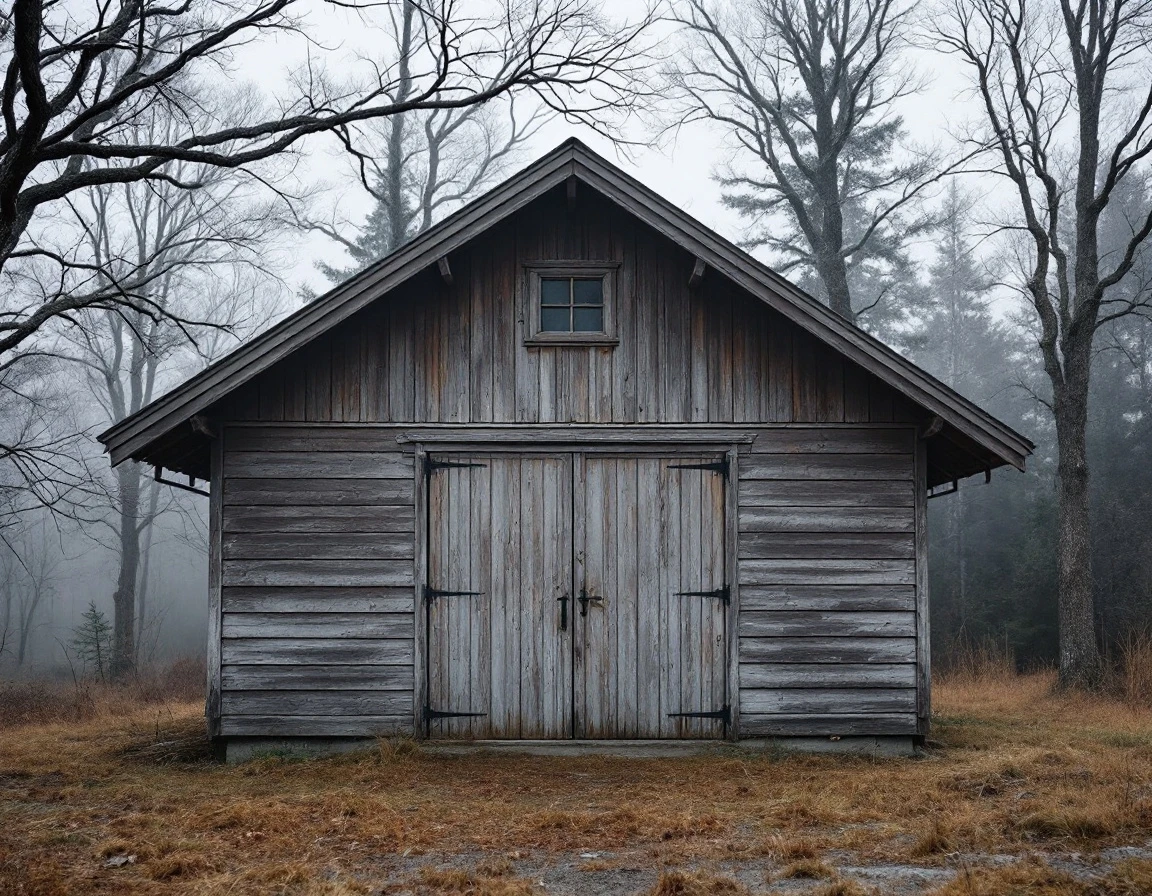
East Fork Lewis River Moisture Challenge
If you own a detached workshop garage in La Center, you’re dealing with a moisture problem that homeowners closer to Vancouver don’t face. The East Fork Lewis River creates persistent fog and improved humidity that settles over north Clark County properties, especially during fall and winter months. This moisture clings to metal tools, infiltrates storage areas, and creates ideal conditions for rust and corrosion.
What makes this particularly challenging for workshop owners? Freeze-thaw cycles amplify every small gap in your garage structure. Water seeps into weatherstripping, door seals, and foundation cracks during wet periods, then expands when temperatures drop overnight. This cycle repeats dozens of times each winter, gradually widening vulnerabilities and allowing more moisture inside.
The result is accelerated equipment failure. Power tools develop surface rust, metal fasteners corrode, and wooden workbenches absorb moisture that leads to warping and mold growth. Rural detached garages lack the passive climate control that attached urban garages benefit from through shared walls with heated homes.
Early identification of these moisture risks prevents expensive replacements and structural repairs. The five strategies we’ll cover address these specific conditions facing La Center workshop owners near the river.
Five Moisture Control Strategies
Protecting your La Center workshop from moisture damage and freeze-thaw cycles requires a systematic approach. These five strategies work together to create a multilayered defense system that prevents equipment failure before it happens. Each addresses a specific vulnerability common in detached garages near the East Fork Lewis River.
1. Ventilation Improvement
Sealed workshops trap humidity from temperature changes, creating condensation on metal tools and equipment surfaces. Installing ridge vents or gable vents allows warm, moist air to escape naturally. Adding a thermostat-controlled exhaust fan provides active ventilation during high-humidity spring and fall months. Before implementing proper ventilation, one La Center metalworker found rust forming on precision tools within weeks of storage. After adding ridge vents and a small exhaust fan, the same tools remained rust-free through an entire winter.
2. Sealing and Weatherproofing
Water enters workshops through door thresholds, window frames, and foundation gaps during freeze-thaw cycles when ice melts. Apply weatherstripping to all door edges and install door sweeps at thresholds. Seal foundation cracks with polyurethane caulk before winter. Check window glazing annually and replace deteriorated putty. This prevents the scenario where melting snow seeps under doors, pools on concrete floors, and creates freeze damage to stored equipment.
3. Dehumidification
Maintaining humidity at controlled levels protects tools, electronics, and wooden items from moisture damage. A dedicated dehumidifier sized for your workshop square footage runs automatically during transition seasons. Empty the collection bucket weekly or route to a floor drain. This simple measure prevents the corrosion that destroys table saw surfaces and electrical components in uncontrolled environments.
4. Drainage Management
Grade soil away from your workshop foundation at a 6-inch drop over 10 feet. Install gutters with downspouts directing water at least 5 feet from the structure. French drains around the perimeter prevent groundwater infiltration during heavy winter rains common to north Clark County.
5. Seasonal Equipment Preparation
Before winter storage, clean tools thoroughly to remove moisture-trapping debris. Apply light oil to metal surfaces and store power tools in sealed containers with desiccant packets. Drain air compressors completely and disconnect batteries from stored vehicles. These steps prevent the damage that occurs when moisture condenses on cold metal during freeze-thaw cycles.
Spring and Summer Equipment Storage
After La Center’s winter freeze-thaw cycles finish in March, your first task is inspecting equipment before the May–August storage season begins. Walk through your workshop and check metal tools, lawn equipment, and machinery for rust spots, corrosion, or moisture damage that developed during cold months. This 30-minute inspection identifies problems while they’re still small—catching surface rust before it spreads prevents costly equipment replacement and extends the life of your tools and machinery.
Position equipment on improved platforms or wooden pallets to minimize contact with concrete floors, which absorb humidity from East Fork Lewis River air during summer. Place silica gel desiccant packs ($15 for a 10-pack) inside toolboxes and storage bins. Cover equipment with breathable canvas tarps ($25–$40 each) rather than plastic, which traps moisture underneath and accelerates corrosion.
For detached workshops without climate control, a portable dehumidifier prevents humidity from settling on cold metal surfaces during summer temperature swings. This simple prep work protects your equipment investment—far cheaper than discovering your table saw rusted out when you need it next fall.
Fall Winterization Preparation
October through November presents your window for protecting workshop equipment from months of freeze-thaw cycling and heavy Pacific Northwest rains. What can you accomplish in one weekend? This checklist prevents moisture infiltration and freeze damage that would otherwise accumulate through winter.
Your fall preparation tasks:
- Seal expansion gaps around door frames with weatherproof caulk before November rains begin
- Test dehumidifiers and confirm reservoir drains function properly—months of unattended operation require reliable systems
- Inspect door seals for compression damage and replace worn sections that allow cold air infiltration
- Apply protective coatings to metal tool surfaces and drain fuel stabilizer into small engines before storage
Each task addresses a specific winter threat. Sealed gaps block moisture-laden air during rain events. Working dehumidifiers prevent condensation during temperature swings. Fresh door seals stop cold drafts that create frost points. Protected equipment survives dormancy without corrosion or fuel system damage.
Ventilation and Humidity Control
How do you keep workshop humidity below equipment-damaging levels when you’re working near the East Fork Lewis River? The answer combines powered ventilation with dehumidification to create a two-layer moisture defense system customized to La Center’s wet climate.
Powered exhaust fans paired with intake vents create continuous air exchange that prevents moisture pockets from forming in corners and ceiling areas. Install an exhaust fan in the ceiling opposite your entry door, with a passive intake vent low on the opposite wall. This cross-flow pattern eliminates condensation on cold metal surfaces during winter freeze-thaw cycles. Professional installation suits homeowners seeking expert setup, while DIY installation using pre-wired bathroom exhaust fans appeals to those comfortable handling the project themselves.
For year-round humidity control, add a dehumidifier to maintain healthy relative humidity levels. Portable models are budget-friendly and require weekly water emptying during wet months. Permanent whole-space dehumidifiers with drainage lines offer a more durable solution that demands minimal maintenance once installed. Position the unit centrally with clear airflow around all sides, running continuously from October through May.
Clean exhaust fan screens monthly and replace dehumidifier filters quarterly to maintain performance. Without regular maintenance, efficiency drops and moisture creeps back into your workspace.
Sealing, Weatherproofing, and Drainage
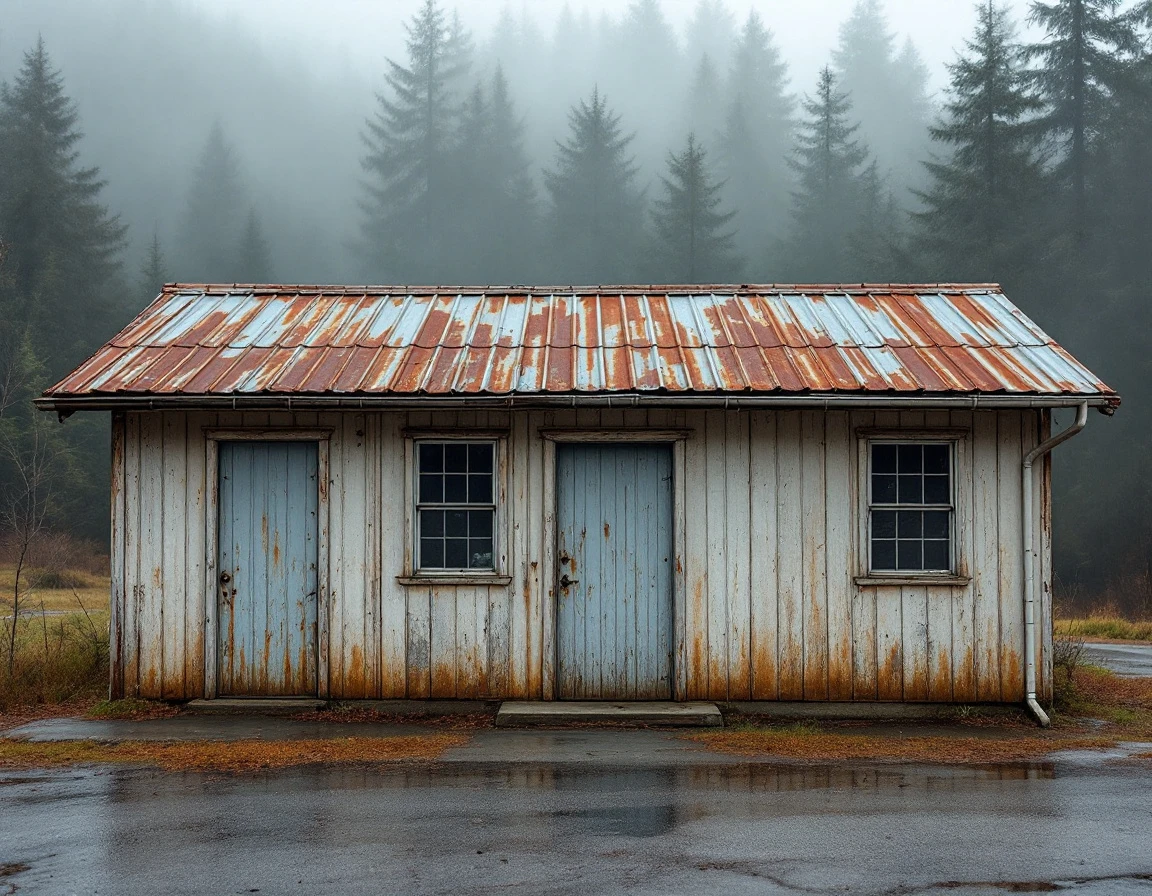
Workshop garages near the East Fork Lewis River face constant moisture pressure during La Center’s wet season, making systematic sealing a priority task. Walk your perimeter in October before heavy rains arrive, checking doors, windows, roof penetrations, and foundation gaps for vulnerabilities that allow water entry.
Start at garage doors and entry doors. Replace cracked weatherstripping with EPDM rubber strips designed for freeze-thaw cycles—these install with basic tools in 30 minutes. Install adjustable aluminum door thresholds at ground-level entries where water pools during downpours. These create a raised barrier that blocks standing water while allowing the door to close properly.
Inspect window frames and roof penetrations next. Caulk small gaps (under 1/4 inch) with exterior-grade polyurethane caulk. Larger openings require backer rod followed by caulk application. Roof vents, electrical conduits, and junction boxes need attention—water follows these paths directly into workshop interiors during winter storms.
Foundation cracks wider than 1/4 inch require professional assessment, as these may indicate settling or drainage problems. Minor hairline cracks and gaps between foundation and siding seal effectively with expanding foam or masonry caulk. Finally, check grading around your detached structure. Soil should slope away from the foundation at least 6 inches over 10 feet of distance, directing runoff toward drainage swales rather than pooling against walls where moisture penetrates over time.
When to Call a Professional
Some moisture problems extend beyond DIY capabilities. Visible mold growth. Especially black mold on walls or ceiling, requires professional remediation with proper containment and safety equipment. Foundation cracks wider than a quarter-inch, persistent water pooling inside your workshop, or rotting wood around door frames indicate structural issues that need expert assessment.
Professional contractors bring specialized tools and expertise that DIY methods can’t replicate. They’ll conduct structural moisture mapping to find hidden water infiltration points, install permanent moisture barriers behind walls, and implement drainage solutions that address the root cause. Licensed HVAC contractors can design and install whole-building ventilation systems with proper ductwork and exhaust fans that maintain consistent airflow year-round.
When choosing a contractor for your La Center workshop, look for specialists familiar with river-proximity properties and north Clark County conditions. Local professionals understand how East Fork Lewis River humidity affects buildings differently than standard construction and can recommend solutions proven effective in this specific environment. Contact us today for guidance on moisture-related challenges requiring professional intervention.



Leave A Comment