

Garage Door Springs Freeze Thaw Cycles in Tualatin Valley
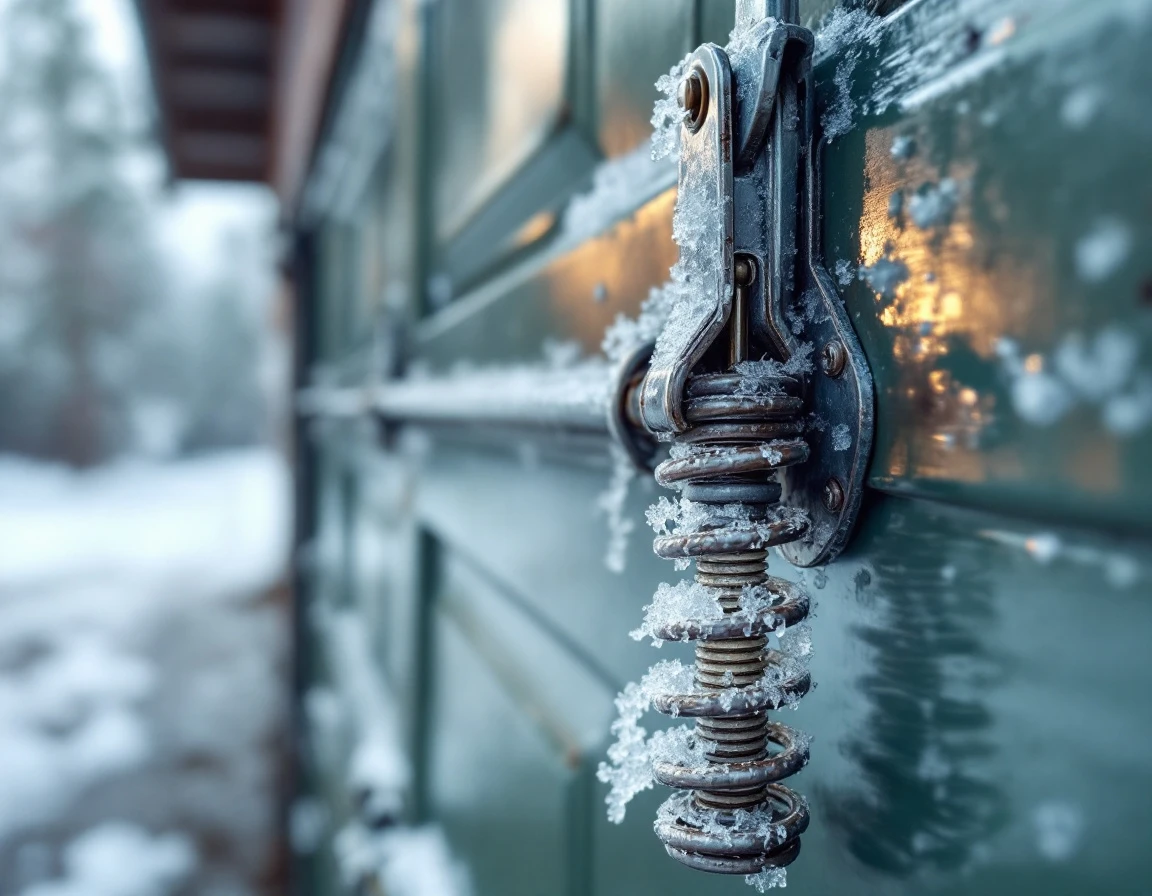
North Plains and surrounding Tualatin Valley areas experience regular freeze-thaw cycling each winter, where temperatures drop below freezing at night then warm during the day. This climate pattern creates unique stress on garage door springs freeze thaw damage that homeowners rarely anticipate until failure occurs.
North Plains’ Valley Fog and Elevation
North Plains sits where the Tualatin Valley floor meets rolling foothills, creating perfect conditions for dense fog that settles overnight and clears by midday. This daily temperature swing causes garage door springs to cycle between freezing and thawing repeatedly throughout winter months.
Winter temperatures in the Tualatin Valley rarely stay below freezing consistently. Instead, mornings drop to 28-32°F while afternoons warm to 42-48°F. This fluctuation stresses metal springs more than stable cold weather would, causing microscopic cracks that accumulate until springs snap without warning during the coldest mornings.
Ice events followed by mild spells accelerate
The freeze thaw cycle garage door damage pattern isn’t the only culprit harming your springs. When ice forms on spring coils during a North Plains cold snap, then melts during a 50°F afternoon just days later, the rapid temperature swing creates material fatigue that accumulates faster than sustained cold alone.
This explains why spring failures in the Tualatin Valley spike in mid-winter rather than at season onset. The repeated stress from cycling between extremes weakens the metal progressively, making January and February peak failure months when freeze-thaw events cluster most frequently.
How Metal Springs Respond to Temperature
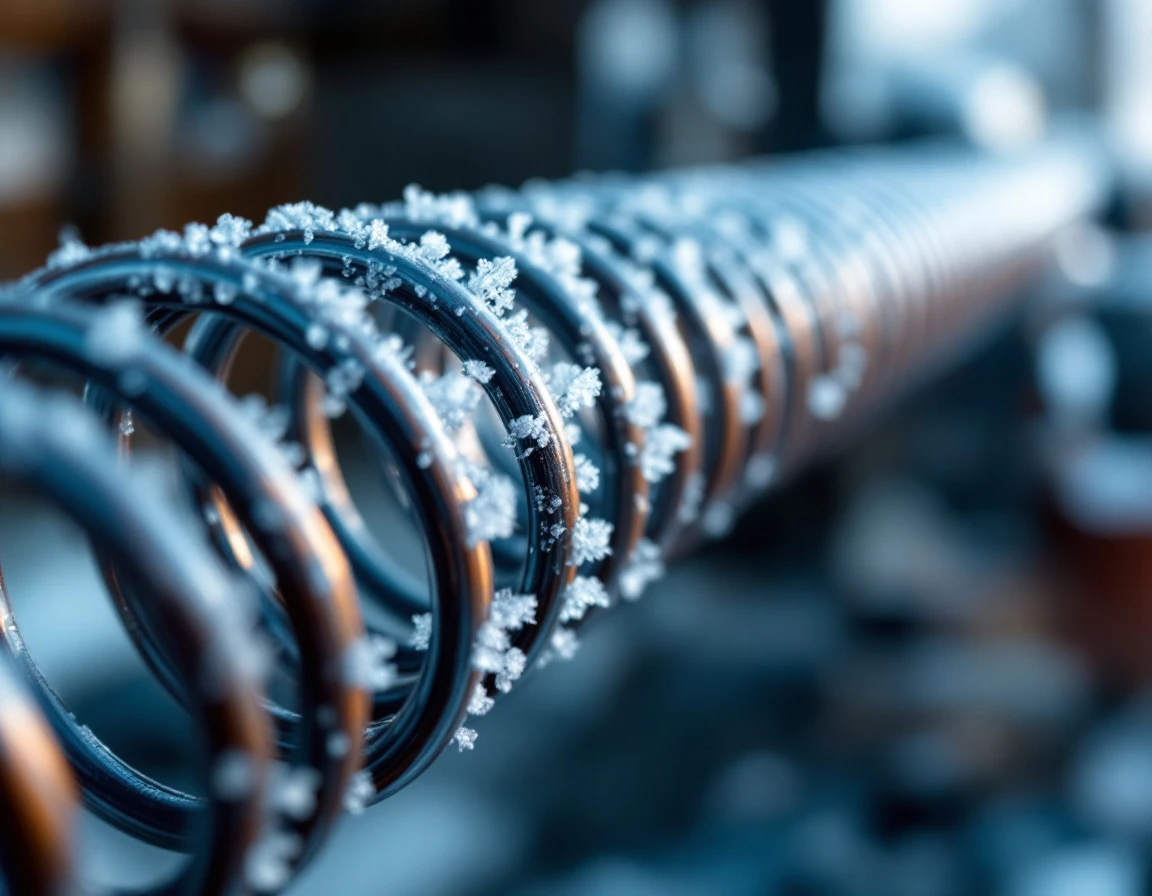
Think of a garage door spring like a paperclip you’ve bent back and forth until it finally snaps. That’s essentially what freeze-thaw cycles do to the torsion springs holding up your garage door. When temperatures drop below freezing overnight, the metal contracts. As Tualatin Valley’s mild days warm things back up, the spring expands again. Each cycle forces the spring through microscopic stress that weakens its tensile strength—the metal’s ability to withstand tension without breaking.
Here’s what makes this dangerous: the damage is cumulative and invisible. Every freeze-thaw event creates tiny fractures in the spring’s metal coils. You won’t see rust, cracks, or warning signs. The spring looks perfectly fine until one morning when a fracture propagates through the coil and the spring fails catastrophically. That’s why springs don’t gradually lose function—they break suddenly.
The Tualatin Valley’s wet winters make this worse. Oil-based lubricants that protect springs harden when temperatures drop, allowing direct metal-to-metal friction during operation. Between the freeze-thaw stress and degraded lubrication, springs in our region face accelerated wear compared to drier climates where lubricant stays effective longer.
Three Fall Maintenance Tasks for Budget-Conscious Homeowners
These three simple tasks take just 60 to 120 minutes total and require no special skills—only basic tools most homeowners already own. Schedule them in September or early October 2025, before Tualatin Valley’s freeze-thaw cycles begin their winter assault on your garage door springs.
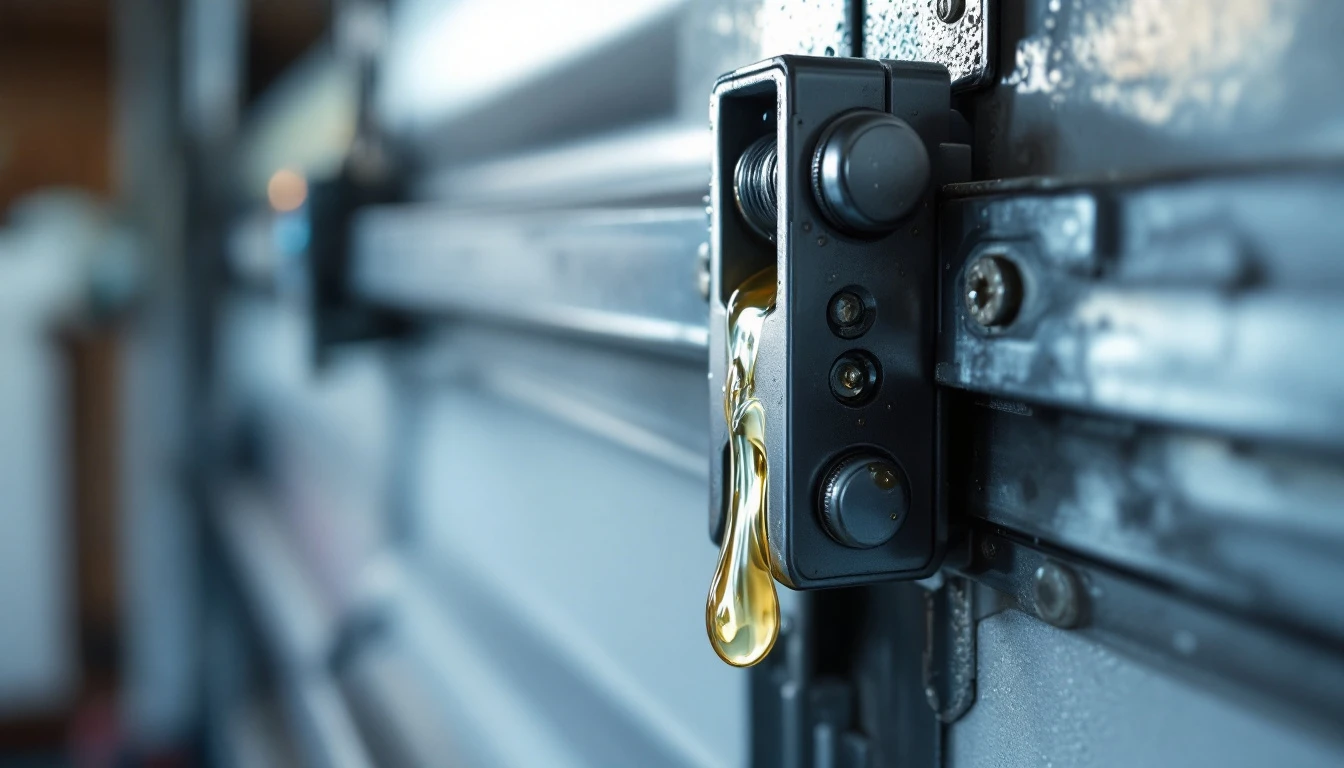
- Task 1: Clean and Re-Lubricate Springs — Purchase silicone-based garage door lubricant, readily available at most hardware stores. Wipe down both torsion springs above the door with a clean cloth to remove dirt and old lubricant that has degraded. Apply fresh silicone spray along the entire length of each spring coil. This prevents the lubricant breakdown that accelerates corrosion during wet North Plains winters.
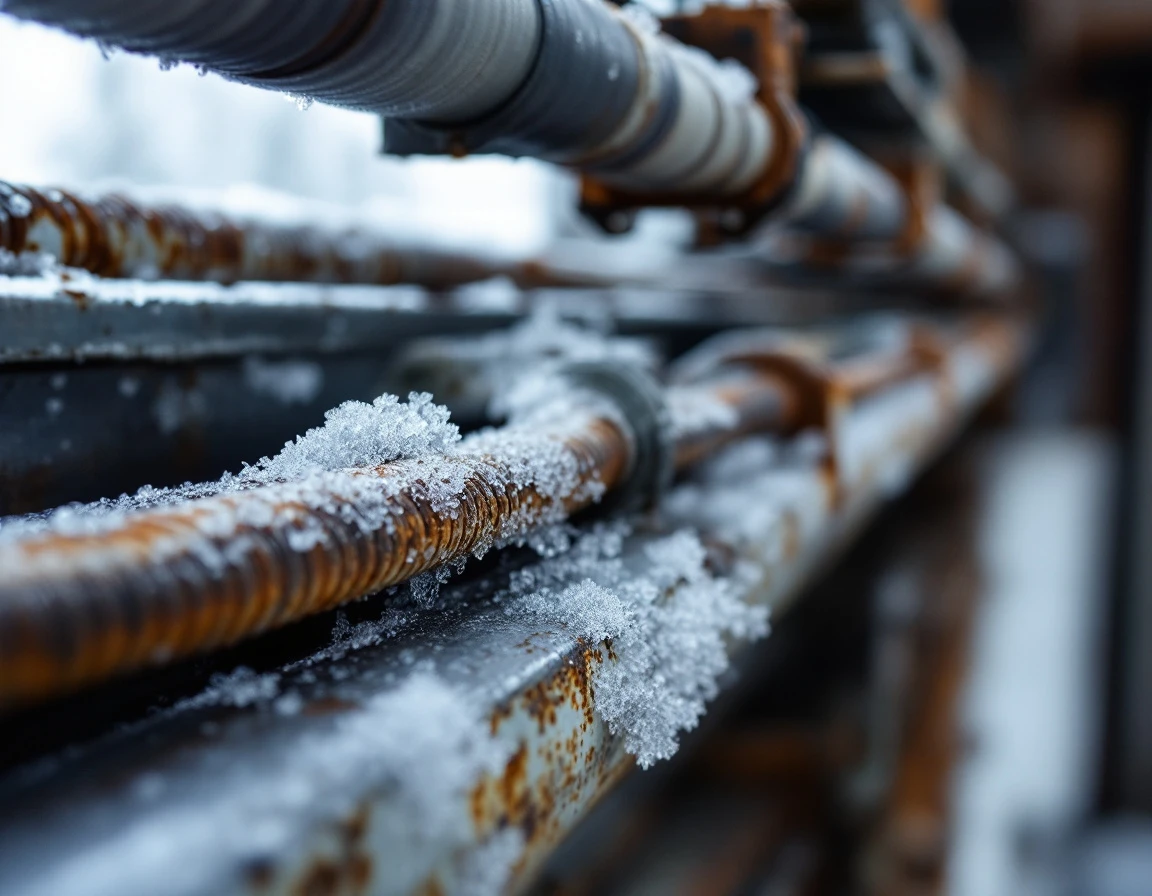
- Task 2: Inspect and Replace Weatherstripping — Walk around your garage door opening and check the rubber weatherstripping for cracks, gaps, or compression damage. Replacement weatherstripping is available at most home improvement stores and hardware retailers. Fresh seals block moisture infiltration that leads to rust and pitting on spring attachment points—the exact spots where fractures originate during temperature cycling.
- Task 3: Test Spring Balance — Disconnect your opener and manually lift the door halfway. If it stays in place, your springs maintain proper tension. If the door falls or rises, your springs are weakening—a free diagnostic that tells you whether professional replacement should happen before winter stress begins.
DIY vs. Professional Spring Inspection
Most Tualatin Valley homeowners can handle basic fall spring checks themselves. The hand-test for balance takes five minutes: disconnect the opener, manually lift the door halfway, and release. A balanced door stays in place. If it drops or shoots up, your springs need attention. Spend another ten minutes looking for visible rust, pitting, or gaps in the spring coils—all signs that freeze-thaw cycles have begun degrading the metal.
When should you call Garage Harmony? If your door fails the balance test, makes grinding or popping noises during operation, closes unevenly, or shows visible cracks in the springs, professional spring inspection is necessary. A professional spring inspection costs $100–150 and includes tension testing with calibrated tools, load-bearing assessment, and a written condition report that tells you exactly when replacement will be needed.
A fall inspection prevents emergency spring replacement during January’s most volatile freeze-thaw cycles. If you’re uncertain about any diagnostic step during your DIY check, professional inspection is worth the investment to avoid larger failures during North Plains’ harshest weather seasons.
September–October Fall Garage Door Maintenance Prevent Winter Failure
Break this pre-winter prep into four weekend sessions, each requiring 20–30 minutes. Start in early September while Tualatin Valley temperatures remain mild, giving yourself runway before October frost arrives.
- Week 1: Visual Inspection — Examine springs for rust patches, surface pitting, or oil leaks near the spring winding cone. Open and close the door three times, watching for jerky movement or uneven lifting on either side. Document what you see with photos—a baseline record helps if problems develop later.
- Week 2: Clean and Lubricate — Wipe tracks clean with a damp cloth to remove grit. Apply silicone spray lubricant to springs, hinges, and rollers. Use silicone specifically—WD-40 and general-purpose oils degrade in cold temperatures, leaving springs vulnerable during freeze-thaw cycles. Silicone maintains viscosity across the 34–47°F range North Plains experiences all winter.
- Week 3: Balance Test and Seals — Disconnect the opener and manually lift the door halfway. It should stay put. If it drops or shoots up, springs need adjustment. Check weatherstripping along door edges and replace worn sections to prevent moisture intrusion.
- Week 4: Professional Review — If you spotted rust, imbalance, or jerky operation, schedule an inspection now. Total time across four weeks: two hours. Total material cost: under $100 for lubricant, weatherstripping, and cleaning supplies.
Next Steps: Preventing Winter Spring Failure
Complete your fall checklist before November to catch issues before freeze-thaw stress peaks in December and January. Tualatin Valley’s valley fog creates daily temperature cycling that accelerates spring fatigue, making early preparation essential.
If your professional inspection reveals weakened springs, schedule replacement in September or October—before winter demand surges and emergency pricing kicks in. The cost difference is substantial: preventive service runs $100–150, while mid-winter emergency calls typically cost $300–500 or more.
Monitor your door’s operation monthly throughout winter. Strange sounds, jerky movement, or uneven lifting warrant immediate professional evaluation. Spring failure can drop a garage door suddenly. Creating serious safety risks beyond the inconvenience.
Schedule spring replacement now if inspection reveals any wear signs. Waiting until failure means paying emergency rates and risking injury. Contact Garage Harmony to book your fall inspection while scheduling remains flexible.



Leave A Comment